

Canon EOS R6 Mark III Review (Concert, Event & Hybrid Camera)
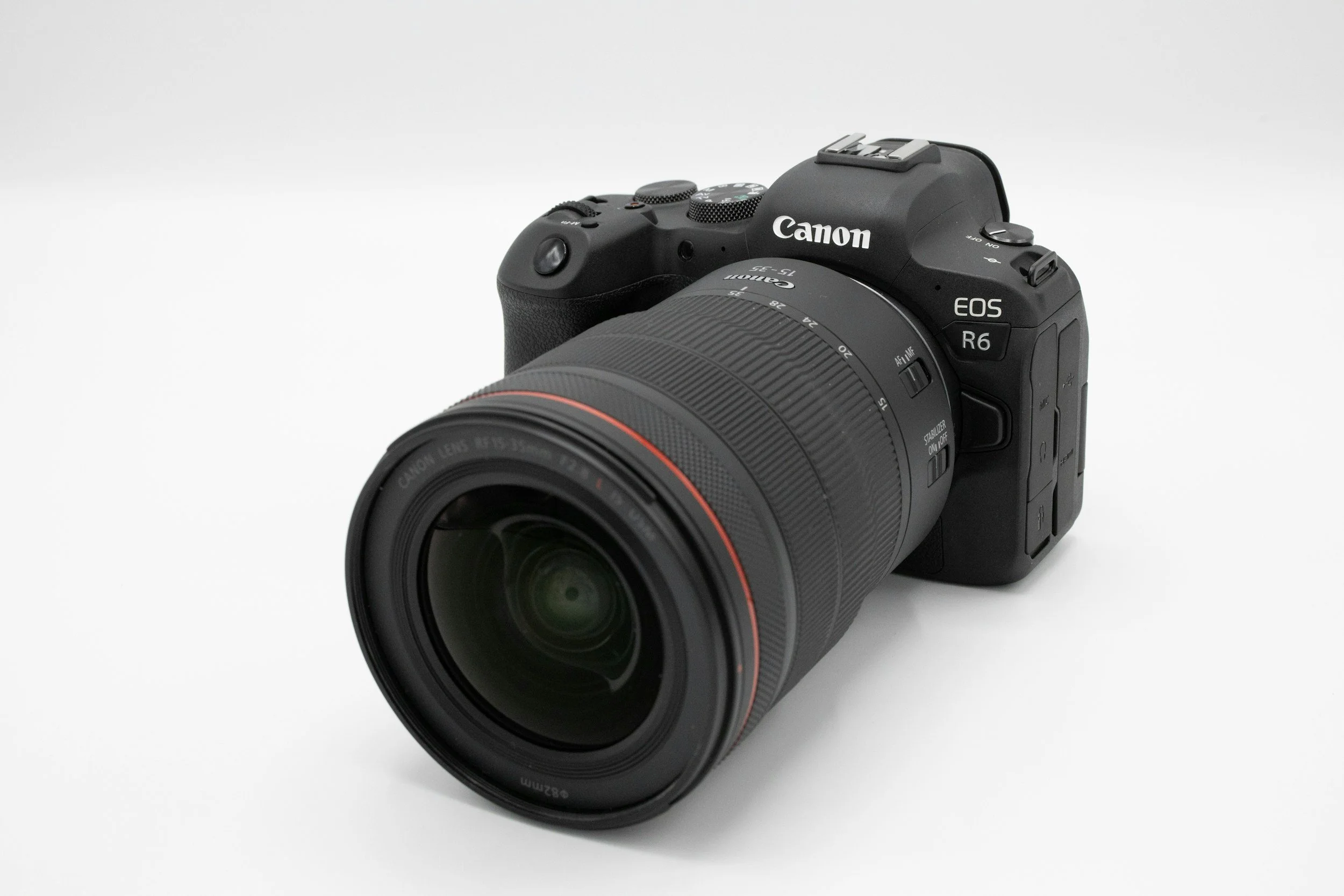
Photo by Dimitri Karastelev / Unsplash
*Some links in this article are affiliate links. If you purchase through them, it helps support my work at no extra cost to you.
==========
Last Updated: July 2026
The Canon EOS R6 Mark III continues Canon's philosophy of building one of the most well-rounded hybrid cameras available. Rather than chasing extreme specifications in one area, it focuses on delivering dependable performance across photography and video.
For photographers who regularly shoot:
concerts
live events
weddings
sports
wildlife
commercial work
…the R6 Mark III checks nearly every box.
It combines a high-resolution full-frame sensor with Canon's latest autofocus system, fast burst shooting, excellent image stabilization, and professional-grade video features. More importantly, those specifications translate into real improvements when shooting under pressure.
This review focuses on how the camera performs in actual use—not just on paper.
Canon EOS R6 Mark III Overview
The Canon EOS R6 Mark III is a full-frame mirrorless camera aimed at photographers and creators who need speed, reliability, and versatility.
It sits comfortably between Canon's entry-level full-frame cameras and flagship professional bodies like the EOS R3.
That positioning makes it attractive to photographers who want professional performance without stepping into flagship pricing.
It is particularly appealing for:
concert photographers
event photographers
wedding photographers
sports shooters
wildlife photographers
hybrid photo/video creators
content creators
Unlike ultra-high-resolution cameras that prioritize studio work, the R6 Mark III is built around speed, autofocus, and low-light performance.
Those strengths make it one of the most practical cameras in Canon's lineup.
Key Features & Specifications
Some of the most significant improvements include:
Full-frame CMOS sensor
Higher resolution than previous R6 models
Canon Dual Pixel CMOS AF II
AI-powered subject recognition
Eye, face, animal and vehicle detection
Up to 40 FPS electronic shutter
High-speed mechanical burst shooting
Advanced image stabilization
Professional video capabilities
Weather-sealed magnesium alloy body
Dual SD card slots
Vari-angle touchscreen
Electronic viewfinder with improved refresh rate
Rather than introducing one revolutionary feature, Canon has improved nearly every area of the camera.
The result is a camera that simply gets out of your way and lets you focus on shooting.
Why the Resolution Increase Matters
Earlier R6 models prioritized speed over megapixels.
The R6 Mark III increases resolution while maintaining excellent burst rates.
That gives photographers more flexibility for:
cropping wildlife images
reframing concert photos
commercial work
large prints
magazine publishing
Without creating excessively large RAW files.
For many photographers, it represents an ideal middle ground between speed and detail.
Why This Camera Excels for Concert Photography
Concert photography pushes every camera to its limits.
You're constantly dealing with:
rapidly changing lighting
moving performers
haze and smoke
strong backlighting
high ISO values
unpredictable moments
This is exactly where the R6 Mark III shines.
The camera was clearly designed for photographers working in dynamic environments where consistency matters more than laboratory test charts.
Some of its biggest strengths include:
dependable autofocus
excellent subject tracking
strong high ISO image quality
fast frame rates
reliable buffer performance
impressive image stabilization
These improvements directly translate into more usable images after a concert.
Why Autofocus Matters More Than Megapixels
Many buyers focus on sensor resolution first.
For concert photographers, autofocus usually has a much larger impact on keeper rate.
A camera that consistently locks onto performers in difficult lighting will outperform a higher-resolution camera that struggles to maintain focus.
Canon has continued improving its Dual Pixel autofocus system, making it one of the strongest reasons to consider the R6 Mark III.
Excellent for Event Photography
The same strengths apply outside of concerts.
The R6 Mark III performs exceptionally well for:
weddings
corporate events
sports
documentary work
festivals
nightlife
photojournalism
Fast autofocus and reliable low-light performance make it a dependable workhorse.
Comparison Table
| Feature | Canon EOS R6 Mark III | Canon EOS R6 Mark II | Nikon Z6 III | Sony A7 IV |
|---|---|---|---|---|
| Sensor | Full Frame CMOS | Full Frame CMOS | Full Frame Partially Stacked CMOS | Full Frame BSI CMOS |
| Resolution | 32.5 MP | 24.2 MP | 24.5 MP | 33 MP |
| Max Electronic FPS | 40 FPS | 40 FPS | 20 FPS | 10 FPS |
| Autofocus | Dual Pixel CMOS AF II | Dual Pixel CMOS AF II | Advanced Hybrid AF | Real-time Tracking AF |
| Subject Detection | Yes | Yes | Yes | Yes |
| In-Body Stabilization | Yes | Yes | Yes | Yes |
| Video | Up to 7K RAW / Oversampled 4K | 4K 60p | 6K RAW / 4K 120p | 4K 60p (crop) |
| Card Slots | Dual SD UHS-II | Dual SD UHS-II | CFexpress + SD | CFexpress/SD + SD |
| Best For | Hybrid professionals | Events & weddings | Action & concerts | Hybrid creators |
Sensor
Canon EOS R6 Mark III: Full Frame CMOS
Canon EOS R6 Mark II: Full Frame CMOS
Nikon Z6 III: Full Frame Partially Stacked CMOS
Sony A7 IV: Full Frame BSI CMOS
Resolution
Canon EOS R6 Mark III: 32.5 MP
Canon EOS R6 Mark II: 24.2 MP
Nikon Z6 III: 24.5 MP
Sony A7 IV: 33 MP
Max Electronic FPS
Canon EOS R6 Mark III: 40 FPS
Canon EOS R6 Mark II: 40 FPS
Nikon Z6 III: 20 FPS
Sony A7 IV: 10 FPS
Autofocus
Canon EOS R6 Mark III: Dual Pixel CMOS AF II
Canon EOS R6 Mark II: Dual Pixel CMOS AF II
Nikon Z6 III: Advanced Hybrid AF
Sony A7 IV: Real-time Tracking AF
Subject Detection
Canon EOS R6 Mark III: Yes
Canon EOS R6 Mark II: Yes
Nikon Z6 III: Yes
Sony A7 IV: Yes
In-Body Stabilization
Canon EOS R6 Mark III: Yes
Canon EOS R6 Mark II: Yes
Nikon Z6 III: Yes
Sony A7 IV: Yes
Video
Canon EOS R6 Mark III: Up to 7K RAW / Oversampled 4K
Canon EOS R6 Mark II: 4K 60p
Nikon Z6 III: 6K RAW / 4K 120p
Sony A7 IV: 4K 60p (crop)
Card Slots
Canon EOS R6 Mark III: Dual SD UHS-II
Canon EOS R6 Mark II: Dual SD UHS-II
Nikon Z6 III: CFexpress + SD
Sony A7 IV: CFexpress/SD + SD
Best For
Canon EOS R6 Mark III: Hybrid professionals
Canon EOS R6 Mark II: Events & weddings
Nikon Z6 III: Action & concerts
Sony A7 IV: Hybrid creators
Who Should Consider the Canon EOS R6 Mark III?
This camera is an excellent fit if you regularly photograph:
concerts
live music
weddings
sports
wildlife
corporate events
documentaries
commercial projects
It is also ideal for creators who need one camera capable of producing professional-quality stills and video without carrying multiple bodies.
Autofocus Performance
For photographers who shoot unpredictable subjects, autofocus is one of the biggest reasons to consider the Canon EOS R6 Mark III.
Canon continues to improve its Dual Pixel CMOS AF system, making subject acquisition faster and more reliable than previous generations. Whether you're photographing concerts, weddings, sports, wildlife, or events, the camera is designed to lock onto subjects quickly and maintain focus even when conditions become challenging.
What improved?
Compared to older R6 models, the Mark III offers improvements in:
Faster subject acquisition
Better tracking accuracy
Improved Eye AF performance
More reliable autofocus in low light
Better recognition of partially obscured subjects
Rather than chasing headline specifications, these refinements make the camera feel more dependable during real-world shooting where every missed frame matters.
Subject Tracking
One of the R6 Mark III's strongest features is its intelligent subject tracking.
The camera can automatically recognize and follow a wide variety of subjects, including:
People
Eyes
Faces
Animals
Birds
Vehicles
For photographers covering concerts and live events, Eye Detection AF is particularly valuable.
Instead of repeatedly selecting focus points manually, the camera continuously follows the performer's eye or face as they move around the stage.
Why this matters
Concert photographers constantly deal with:
musicians walking across the stage
singers leaning into microphones
performers disappearing behind instruments
dramatic lighting changes
audience members briefly blocking the subject
The better the tracking system, the more time you can spend watching the performance instead of worrying about autofocus.
High ISO Image Quality
Concert photographers routinely work at ISO values that landscape photographers rarely touch.
Typical shooting ranges include:
ISO 3200
ISO 6400
ISO 8000
ISO 12800
The Canon EOS R6 Mark III handles these settings exceptionally well.
Image characteristics
Files retain:
strong color
good contrast
impressive shadow detail
relatively fine luminance noise
natural-looking skin tones
Noise is certainly present—as it always is—but it remains manageable and responds well to modern RAW noise reduction software.
Editing flexibility
RAW files allow significant latitude for:
recovering shadows
reducing highlights
correcting white balance
removing noise
This flexibility is extremely valuable when stage lighting changes from frame to frame.
Dynamic Range
Dynamic range determines how much information your camera can capture between the darkest shadows and brightest highlights.
The R6 Mark III performs very well here.
This becomes especially useful during concerts featuring:
bright spotlights
LED walls
smoke machines
dramatic stage lighting
dark audience areas
Rather than immediately clipping highlights or crushing shadows, the files preserve enough information for meaningful adjustments during post-processing.
Benefits
A strong dynamic range helps photographers:
recover blown highlights
lift dark performers
preserve colorful lighting
maintain detail in difficult scenes
reduce editing artifacts
While no camera can completely overcome extreme concert lighting, the R6 Mark III provides excellent editing latitude.
Image Stabilization
Canon's in-body image stabilization (IBIS) continues to be one of the camera's standout features.
When paired with stabilized RF lenses, the system provides impressive handheld performance.
Helpful for
IBIS is especially useful for:
event photography
documentary work
travel photography
portraits
slower shutter speeds
handheld video
Concert photography reality
It's important to understand what stabilization actually does.
IBIS reduces camera shake.
It does not freeze subject movement.
A guitarist jumping across the stage still requires a fast shutter speed, regardless of stabilization.
For concerts, stabilization is a helpful bonus—not a substitute for proper exposure settings.
Burst Shooting
The Canon EOS R6 Mark III offers impressive continuous shooting performance that comfortably handles fast-moving subjects.
High-speed bursts make it easier to capture:
peak expressions
jumps
guitar swings
drumstick movement
crowd interaction
emotional moments
Just as important is the camera's ability to clear its buffer efficiently, allowing photographers to continue shooting without lengthy interruptions.
Real-world approach
Rather than holding the shutter continuously, experienced photographers typically shoot in short, controlled bursts.
This approach:
reduces unnecessary images
speeds up culling
avoids filling memory cards
improves workflow efficiency
The camera's burst performance is excellent, but thoughtful timing remains more valuable than simply shooting as many frames as possible.
Real-World Concert & Event Photography Performance
Specifications only tell part of the story.
What matters most is how a camera performs during actual assignments.
The Canon EOS R6 Mark III feels designed for photographers who regularly work in unpredictable environments.
Examples include:
concerts
festivals
weddings
corporate events
theater performances
sports
documentary photography
What stands out
During long shooting sessions, the camera consistently delivers:
responsive autofocus
dependable subject tracking
clean high ISO files
excellent ergonomics
intuitive controls
reliable battery performance
Rather than drawing attention to itself, the camera stays out of your way and lets you focus on capturing moments.
Where it excels
The R6 Mark III is particularly strong when photographing:
moving performers
rapidly changing lighting
emotional candid moments
fast-paced events
hybrid photo/video assignments
Its balanced combination of autofocus, image quality, stabilization, and speed makes it one of Canon's most versatile full-frame mirrorless cameras for professional and enthusiast photographers alike.
Handling and Ergonomics
One of the reasons the Canon EOS R6 Mark III is so appealing is that it rarely gets in your way. Instead of chasing headline specifications, Canon refined the shooting experience that made the R6 series popular with photographers who spend long days behind the camera.
The body is compact enough for travel yet large enough to balance professional RF lenses comfortably. Whether you're photographing a three-hour concert, a wedding reception, or a full-day sporting event, the camera remains comfortable to hold.
Grip and Build Quality
The deep grip provides excellent balance with both lightweight primes and heavier telephoto zooms.
Highlights include:
Comfortable grip for extended shooting sessions
Weather-resistant construction for outdoor work
Well-spaced buttons that are easy to find in the dark
Responsive joystick for selecting autofocus points
Fully articulating touchscreen for creative shooting angles
The camera feels substantial without becoming overly heavy, making it an excellent choice for photographers who carry their equipment for hours at a time.
Viewfinder and LCD Experience
The electronic viewfinder offers a bright, responsive image with minimal lag.
Advantages include:
Accurate exposure preview
Live white balance preview
Focus peaking for manual focus
Clear playback in bright sunlight
The vari-angle LCD remains one of Canon's strengths for photographers and video creators alike, allowing comfortable shooting from high, low, or awkward angles.
Battery Life
Battery life is solid for a hybrid camera, though video recording naturally consumes power more quickly than still photography.
For professional assignments it's wise to carry:
Two to three spare batteries
USB-C charging capability
Dual charger for overnight charging
For concerts and events, two batteries are typically sufficient for an evening unless extensive video recording is involved.
Video Performance & Hybrid Workflow
The EOS R6 Mark III is designed as a genuine hybrid camera rather than simply a still camera with video capabilities.
It offers features that appeal to:
YouTubers
Documentary filmmakers
Wedding videographers
Commercial creators
Event photographers adding video coverage
Video Features
Depending on your recording mode, the camera supports high-resolution recording, oversampled 4K footage, advanced codecs, and Canon Log profiles for greater grading flexibility.
Additional strengths include:
Excellent subject tracking during video
Reliable face and eye detection
Strong rolling shutter performance
Professional audio support
Effective image stabilization
Hybrid Workflow
One of the biggest advantages of the R6 Mark III is being able to move seamlessly between stills and video.
A typical event workflow might look like:
Capture RAW still photographs during key moments.
Switch to video for speeches or performances.
Return to stills without changing cameras.
Deliver both photos and video from a single assignment.
For many creators, this flexibility removes the need to carry separate photo and video bodies.
Related: → Best Video Settings for Hybrid Cameras
Best Canon RF Lenses for the EOS R6 Mark III
The camera performs best when paired with quality RF lenses.
Best Overall
Canon RF 24-70mm f/2.8L IS USM
Ideal for:
Events
Weddings
Travel
General photography
Pros:
Extremely versatile
Outstanding image quality
Fast autofocus
Excellent stabilization
Canon RF 70-200mm f/2.8L IS USM
Perfect for:
Concerts
Sports
Wildlife
Stage performances
Pros:
Incredible sharpness
Lightweight for its class
Fast subject tracking
Professional build quality
Canon RF 50mm f/1.2L USM
Best for:
Portraits
Concert photography
Low-light shooting
Pros:
Exceptional subject separation
Beautiful background blur
Outstanding low-light capability
Canon RF 85mm f/2 Macro IS STM
Excellent value for:
Portraits
Close-up work
Events
Canon RF 35mm f/1.8 Macro IS STM
Ideal for:
Travel
Street photography
Everyday carry
Environmental portraits
Canon EOS R6 Mark III vs Nikon Z6 III vs Sony A7 IV
| Feature | Canon EOS R6 Mark III | Nikon Z6 III | Sony A7 IV |
|---|---|---|---|
| Sensor | 32.5 MP Full Frame | 24.5 MP Partially Stacked | 33 MP Full Frame |
| Autofocus | Outstanding | Outstanding | Excellent |
| Subject Detection | Excellent | Excellent | Excellent |
| Low-Light AF | Excellent | Excellent | Very Good |
| High ISO | Excellent | Excellent | Very Good |
| Burst Shooting | 40 fps (electronic) | 20 fps | 10 fps |
| Video | 7K RAW / 4K Oversampled | 6K RAW / 4K120 | 4K60 (crop) |
| Image Stabilization | Excellent | Excellent | Excellent |
| Best For | Hybrid Creators | Concert & Event Photography | High-Resolution Hybrid Shooting |
Sensor
Canon EOS R6 Mark III: 32.5 MP Full Frame
Nikon Z6 III: 24.5 MP Partially Stacked
Sony A7 IV: 33 MP Full Frame
Autofocus
Canon EOS R6 Mark III: Outstanding
Nikon Z6 III: Outstanding
Sony A7 IV: Excellent
Subject Detection
Canon EOS R6 Mark III: Excellent
Nikon Z6 III: Excellent
Sony A7 IV: Excellent
Low-Light AF
Canon EOS R6 Mark III: Excellent
Nikon Z6 III: Excellent
Sony A7 IV: Very Good
High ISO
Canon EOS R6 Mark III: Excellent
Nikon Z6 III: Excellent
Sony A7 IV: Very Good
Burst Shooting
Canon EOS R6 Mark III: 40 fps (electronic)
Nikon Z6 III: 20 fps
Sony A7 IV: 10 fps
Video
Canon EOS R6 Mark III: 7K RAW / 4K Oversampled
Nikon Z6 III: 6K RAW / 4K120
Sony A7 IV: 4K60 (crop)
Image Stabilization
Canon EOS R6 Mark III: Excellent
Nikon Z6 III: Excellent
Sony A7 IV: Excellent
Best For
Canon EOS R6 Mark III: Hybrid Creators
Nikon Z6 III: Concert & Event Photography
Sony A7 IV: High-Resolution Hybrid Shooting
Which Camera Should You Buy?
Choose the Canon EOS R6 Mark III if:
You shoot both photo and video equally.
You want Canon's excellent autofocus.
You frequently photograph concerts or weddings.
You value a polished user experience.
Choose the Nikon Z6 III if:
Concert photography is your primary focus.
You want a partially stacked sensor.
Fast subject tracking is a priority.
You already own Nikon Z lenses.
Choose the Sony A7 IV if:
Resolution matters more than burst speed.
You already own Sony E-mount lenses.
You shoot portraits, landscapes, and commercial work.
Pros & Cons
Pros
✓ Outstanding autofocus performance
✓ Excellent Eye AF and subject tracking
✓ Fantastic low-light image quality
✓ Excellent image stabilization
✓ Fast continuous shooting
✓ Excellent hybrid photo/video capabilities
✓ Comfortable ergonomics
✓ Strong RF lens ecosystem
Cons
✗ Premium price
✗ RF lenses can be expensive
✗ Higher resolution creates larger file sizes
✗ Many users won't need every advanced feature
Who Should Buy the Canon EOS R6 Mark III?
This camera is an excellent fit for:
Concert photographers
Wedding photographers
Event photographers
Sports photographers
Wildlife photographers
Professional hybrid creators
Content creators producing both photos and video
It May Not Be the Best Choice If You:
Shoot casually a few times each year.
Have a limited budget.
Primarily photograph landscapes and prioritize maximum resolution.
Already own an EOS R6 Mark II and don't need the latest autofocus improvements.
Final Verdict
The Canon EOS R6 Mark III continues Canon's tradition of building cameras that perform exceptionally well in demanding real-world situations rather than simply chasing specifications.
Its greatest strengths aren't found in any single headline feature—they come from how well everything works together. Autofocus is dependable, low-light performance is excellent, image stabilization is among the best available, and the overall shooting experience feels refined.
For concert photographers, event shooters, wedding photographers, and hybrid creators, it's one of the strongest full-frame mirrorless cameras currently available.
If you're looking for a camera that consistently delivers under challenging conditions, the EOS R6 Mark III deserves a place near the top of your shortlist.
Frequently Asked Questions
Is the Canon EOS R6 Mark III good for concert photography?
Yes. Its autofocus, excellent high ISO performance, and fast burst shooting make it one of the best cameras currently available for live music photography.
Is the Canon EOS R6 Mark III worth upgrading to?
If you're using an older DSLR or first-generation mirrorless camera, absolutely. If you already own an EOS R6 Mark II, the decision depends on whether the improved autofocus, resolution, and hybrid features justify the investment.
Is the Canon EOS R6 Mark III good in low light?
Yes. It produces clean high ISO images while maintaining fast and reliable autofocus in difficult lighting conditions.
Is it better than the Nikon Z6 III?
Both are excellent. The Canon leans slightly more toward hybrid photo/video creators, while the Nikon Z6 III is particularly appealing for photographers who prioritize fast action and concert photography thanks to its partially stacked sensor.
Is it better than the Sony A7 IV?
The answer depends on your priorities. The Canon offers faster burst shooting and stronger action performance, while the Sony A7 IV provides higher resolution and a mature lens ecosystem.
What lenses pair best with the R6 Mark III?
Some of the best options include:
Canon RF 24-70mm f/2.8L IS USM
Canon RF 70-200mm f/2.8L IS USM
Canon RF 50mm f/1.2L USM
Canon RF 35mm f/1.8 Macro IS STM
Canon RF 85mm f/2 Macro IS STM
Is the R6 Mark III good for beginners?
While beginners can certainly use it, the camera is best suited to enthusiasts and professionals who will take advantage of its advanced autofocus, speed, and hybrid capabilities.
Does the higher 32.5 MP resolution hurt low-light performance?
Not significantly. Despite the increased resolution over the R6 Mark II, Canon has maintained excellent high ISO performance, making it a strong performer for concerts, events, and other low-light situations.
==========
Related Photography Guides:
Camera Comparisons
Concert Photography
Photography Gear
