

Nikon Z6 III Review (Concert, Event & Low Light Photography)

Photo by Jan Kopřiva / Unsplash
*Some links in this article are affiliate links. If you purchase through them, it helps support my work at no extra cost to you.
==========
Last Updated: July 2026
The Nikon Z6 III sits in one of the most interesting positions in Nikon’s mirrorless lineup.
It is not the company’s flagship professional camera, and it does not chase maximum resolution like some higher-end models.
Instead, it focuses on something that matters more in real-world photography:
speed, autofocus reliability, low-light performance, and overall balance.
For concert and event photography, those characteristics are often more important than having the highest megapixel count.
Live music photography is unpredictable.
You are dealing with:
constantly changing stage lighting
fast-moving performers
difficult autofocus situations
high ISO shooting
moments that only happen once
A camera that responds quickly and consistently can make a bigger difference than one with impressive specifications on paper.
This review focuses specifically on how the Nikon Z6 III performs for:
concert photography
live music events
low-light venues
event photography
hybrid photo/video workflows
This is not a laboratory test.
The goal is to evaluate whether the Nikon Z6 III is a practical tool for photographers who need reliable results in challenging real-world conditions.
Nikon Z6 III Overview
The Nikon Z6 III is a full-frame mirrorless camera designed as a versatile hybrid body.
It sits between Nikon’s entry-level full-frame cameras and its professional flagship models, making it an appealing option for photographers who need strong performance without moving into the highest price category.
For concert photographers, the biggest improvements are not just about specifications.
They are about how the camera behaves when conditions get difficult.
Key strengths include:
improved autofocus performance
better subject detection
faster processing
strong high ISO performance
responsive handling
professional-level customization
The camera uses a 24.5-megapixel full-frame sensor, which is a practical resolution for event photography.
Why?
Because concert photographers usually need:
clean high ISO files
fast processing
manageable file sizes
enough resolution for professional delivery
More megapixels are not always better when you are shooting hundreds or thousands of images at an event.
Key Features That Matter for Concert Photography
The Nikon Z6 III includes several features that directly benefit live music photographers.
Improved Autofocus System
Autofocus is arguably the most important feature for concert photography.
A great moment is useless if focus misses.
The Z6 III improves autofocus performance with:
better subject recognition
improved tracking
stronger low-light focusing
faster response
This matters when photographing:
singers moving across stage
guitarists moving under changing lights
drummers in darker areas
performers moving in and out of spotlights
Strong Low-Light Performance
Concert photographers regularly work in difficult lighting.
You may encounter:
dark venues
colored LED lighting
backlighting
smoke machines
extreme contrast
The Z6 III performs well because it balances:
autofocus reliability
ISO performance
dynamic range
A camera does not need to eliminate darkness.
It needs to help you capture usable images when light is limited.
24.5MP Resolution Balance
The Z6 III’s resolution is well suited for events.
You get enough detail for:
band promotion
editorial use
website images
social media
licensing
while avoiding extremely large files that slow down:
importing
editing
storage
delivery
For concert photography workflows, this balance makes sense.
Fast Response and Handling
Concert photography often comes down to timing.
You need a camera that gets out of the way.
Important advantages include:
quick startup
responsive controls
customizable buttons
fast autofocus response
comfortable handling during long events
When shooting a three-hour festival or multiple sets in one night, usability matters.
Why the Nikon Z6 III Works Well for Concert Photography
The Nikon Z6 III fits concert photography because it prioritizes the areas that matter most.
A concert photographer typically needs:
| Requirement | Why It Matters |
|---|---|
| Fast autofocus | Captures unpredictable performer movement |
| Good high ISO | Handles dark venues |
| Reliable tracking | Keeps moving subjects sharp |
| Good ergonomics | Helps during long shoots |
| Balanced resolution | Keeps files manageable |
| Fast processing | Speeds up workflow |
Fast autofocus
Why It Matters: Captures unpredictable performer movement
Good high ISO
Why It Matters: Handles dark venues
Reliable tracking
Why It Matters: Keeps moving subjects sharp
Good ergonomics
Why It Matters: Helps during long shoots
Balanced resolution
Why It Matters: Keeps files manageable
Fast processing
Why It Matters: Speeds up workflow
The Z6 III checks most of these boxes.
It is not designed specifically as a sports camera, but it provides more than enough performance for most live music situations.
Nikon Z6 III Comparison: Where It Fits
Understanding where the Z6 III fits among competing cameras helps determine whether it is the right choice.
| Camera | Best For | Strengths | Limitations |
|---|---|---|---|
| Nikon Z6 III | Concerts & events | Excellent balance of AF, speed, and low light | Not highest resolution |
| Nikon Z8 | Professional hybrid shooters | Flagship-level performance | Higher cost |
| Nikon Z6 II | Existing Nikon users | Reliable older option | Less advanced autofocus |
| Sony A7 IV | Hybrid photographers | Strong AF and resolution | Older generation autofocus system |
| Canon EOS R6 II | Events and action | Excellent autofocus | RF lens costs can add up |
| Nikon Zf | Budget-conscious low-light shooters | Great sensor performance | Less ideal ergonomics for events |
Nikon Z6 III
Best For: Concerts & events
Strengths: Excellent balance of AF, speed, and low light
Limitations: Not highest resolution
Nikon Z8
Best For: Professional hybrid shooters
Strengths: Flagship-level performance
Limitations: Higher cost
Nikon Z6 II
Best For: Existing Nikon users
Strengths: Reliable older option
Limitations: Less advanced autofocus
Sony A7 IV
Best For: Hybrid photographers
Strengths: Strong AF and resolution
Limitations: Older generation autofocus system
Canon EOS R6 II
Best For: Events and action
Strengths: Excellent autofocus
Limitations: RF lens costs can add up
Nikon Zf
Best For: Budget-conscious low-light shooters
Strengths: Great sensor performance
Limitations: Less ideal ergonomics for events
For many concert photographers, the Z6 III lands in the sweet spot:
professional performance without flagship pricing.
Nikon Z6 III Review: First Impressions
The biggest difference you notice when using the Z6 III is responsiveness.
Compared with older generations, it feels more immediate.
Autofocus feels more confident.
Tracking feels more reliable.
The camera reacts faster.
Those improvements matter because concert photography is not about having unlimited time to compose.
You have fractions of a second.
The Z6 III is designed for photographers who need the camera to keep up.
Nikon Z6 III Autofocus Performance for Concert Photography
For concert photography, autofocus is often the difference between capturing the moment and missing it.
A performer moving across a dark stage, a guitarist leaning into a spotlight, or a singer turning toward the crowd can happen in seconds.
This is where the Nikon Z6 III makes one of its biggest improvements over previous generations.
The autofocus system is faster, more responsive, and better suited for unpredictable subjects.
For live music photographers, the biggest benefits are:
faster subject acquisition
improved tracking reliability
better low-light focusing
fewer missed moments caused by focus hunting
The camera feels more confident when working in environments where lighting and movement are constantly changing.
Tracking Moving Performers
Concert photography rarely involves perfectly stationary subjects.
Performers are constantly moving:
walking across the stage
playing instruments
turning toward different lights
interacting with other band members
moving between bright and dark areas
The Z6 III handles these situations well because the autofocus system can maintain focus as subjects move.
This is especially useful when combined with:
AF-C continuous autofocus
subject detection
eye detection when available
burst shooting
A typical concert workflow might look like:
Acquire focus on the performer
Hold continuous autofocus tracking
Follow movement through the frame
Capture bursts during peak moments
The camera does much of the technical work, allowing you to focus more on timing and composition.
Low-Light Autofocus Performance
Low-light autofocus is one of the most important tests for any concert camera.
A camera can have impressive specifications, but if autofocus struggles when the lights go down, it becomes frustrating in real-world use.
Concert environments create difficult autofocus conditions:
dark backgrounds
colored LED lighting
haze and smoke
backlit performers
rapidly changing exposure
The Nikon Z6 III performs well because it maintains focus reliability in situations where older cameras may hesitate.
It is especially helpful in:
small clubs
theaters
indoor venues
evening outdoor performances
However, it is important to remember:
No autofocus system can overcome a complete lack of usable light.
Good technique still matters.
Using:
a fast lens
proper AF mode
correct focus settings
appropriate shutter speed
will have just as much impact as the camera body itself.
Nikon Z6 III Eye AF and Subject Detection
Modern autofocus systems have become much smarter, and the Z6 III benefits from improved subject recognition.
For concert photography, subject detection can help when:
performers move unpredictably
compositions change quickly
faces are partially shadowed
you are shooting through stage elements
Eye AF can be especially useful for:
vocalists
solo performers
acoustic performances
portraits during events
That said, concert photography is not always predictable enough for automatic detection alone.
Experienced photographers still need to understand:
when to use tracking
when to use single-point AF
when to override the camera
The best results come from combining camera intelligence with photographer control.
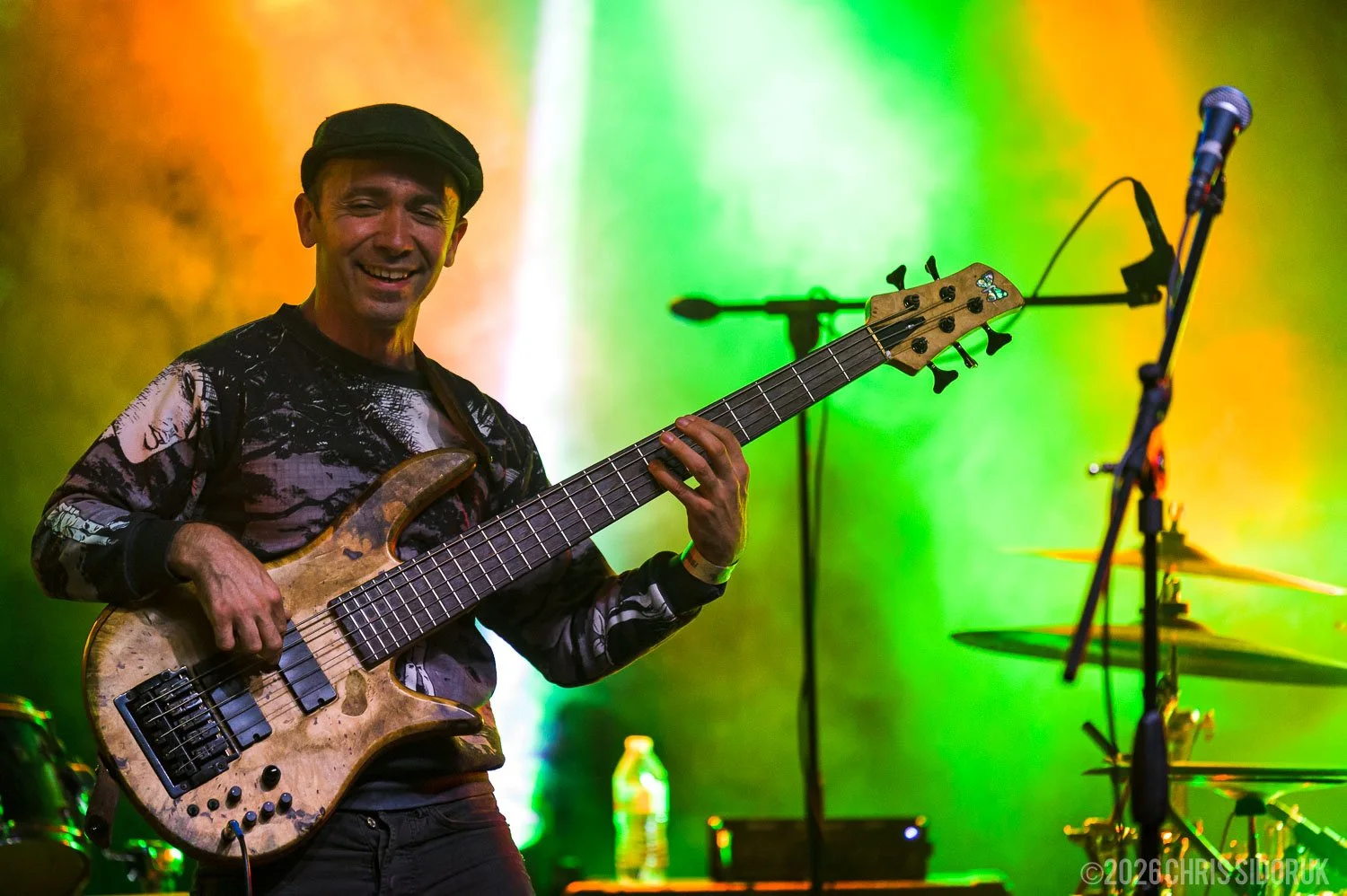
nikon z6 concert photography low light performance
Nikon Z6 III Low-Light Performance
Low-light photography is where the Z6 III makes the most sense.
Concert photographers frequently shoot in situations where exposure settings are pushed:
ISO 3200
ISO 6400
ISO 12800 and beyond
The goal is not always a perfectly clean file.
The goal is capturing a sharp, usable image.
The Z6 III delivers a strong balance between:
noise control
autofocus performance
dynamic range
file flexibility
For live music photography, that balance is often more valuable than maximum resolution.
High ISO Performance
Concert photography requires accepting higher ISO settings.
Trying to keep ISO low often creates a bigger problem:
slow shutter speeds and motion blur.
A sharp ISO 6400 image is usually more valuable than a blurry ISO 800 image.
The Z6 III handles higher ISO well by maintaining:
good detail retention
manageable noise
natural-looking files
strong editing flexibility
Typical concert settings may include:
| Situation | ISO Range |
|---|---|
| Well-lit theater | ISO 800–3200 |
| Indoor club | ISO 3200–6400 |
| Dark venue | ISO 6400–12800 |
| Festival/night stage | ISO 1600–6400 |
Well-lit theater
ISO Range: ISO 800–3200
Indoor club
ISO Range: ISO 3200–6400
Dark venue
ISO Range: ISO 6400–12800
Festival/night stage
ISO Range: ISO 1600–6400
The exact result depends heavily on:
available lighting
lens aperture
exposure choices
post-processing
Editing High ISO Files
One advantage of modern full-frame cameras is how much flexibility RAW files provide.
With the Z6 III, photographers can confidently adjust:
exposure
shadows
highlights
color balance
noise reduction
A properly exposed ISO 6400 file can often produce excellent results.
The bigger issue is usually underexposure.
A noisy but properly exposed image is generally easier to fix than an extremely dark file that requires heavy shadow recovery.
Image Quality and Dynamic Range
The Nikon Z6 III uses a 24.5-megapixel full-frame sensor that provides a strong balance between resolution and performance.
For concert photographers, image quality is not just about megapixels.
Important factors include:
color accuracy
highlight recovery
shadow detail
ISO performance
RAW flexibility
The Z6 III performs well in all of these areas.
Color Rendering for Live Music
Concert lighting can be difficult because colors are often intentionally extreme.
You may encounter:
deep reds
blue LED washes
purple stage lighting
mixed colors across performers
The Z6 III produces files with enough flexibility to adjust these situations during editing.
This is important because concert photographers usually do not want to completely remove the atmosphere.
The goal is:
preserve the mood
maintain realistic skin tones
balance distracting color casts
Dynamic Range Performance
Dynamic range matters because concert stages often contain extreme contrast.
You may have:
a bright spotlight on the performer
a nearly black background
dark clothing
reflective instruments
The Z6 III gives photographers room to recover detail while maintaining natural contrast.
This helps when:
highlights are slightly too bright
shadows need lifting
stage lighting changes quickly
However, like any camera:
protecting highlights in-camera is still important.
A completely blown-out spotlight cannot always be recovered.
Real-World Concert Shooting With the Nikon Z6 III
The biggest test of a camera is not the spec sheet.
It is whether it helps you work faster and more confidently.
In actual concert situations, the Nikon Z6 III performs well because it stays out of the way.
During a live show, you need to focus on:
anticipating moments
composing quickly
reacting to lighting changes
following performers
The camera should support that process.
Small Club Performances
Small venues often create some of the hardest shooting conditions.
Challenges include:
limited lighting
unpredictable movement
close working distances
strong color casts
The Z6 III handles these environments well when paired with fast lenses.
A 35mm, 50mm, or 85mm prime can create an excellent low-light setup.
Theater and Indoor Events
Theaters usually provide more controlled lighting but still require flexibility.
The Z6 III works well for:
stage performances
seated events
presentations
corporate entertainment
The autofocus improvements are especially useful when performers move in and out of spotlights.
Festivals and Outdoor Shows
Outdoor festivals introduce different challenges:
changing daylight
large stages
distant performers
fast-changing conditions
The Z6 III provides enough speed and tracking ability for these situations.
Pairing it with lenses like:
70-200mm
100-400mm
180-600mm
can create a versatile festival setup.
Burst Shooting and Buffer Performance
Burst shooting can help capture:
peak expressions
jumps
drum hits
guitar movements
crowd interactions
The Z6 III performs well for event shooting, offering enough speed for most concert situations.
However, it is important to remember:
Burst shooting is not a replacement for timing.
The strongest concert images usually come from anticipating the moment rather than holding down the shutter continuously.
Overall Real-World Performance
The Nikon Z6 III succeeds because it focuses on what working photographers actually need:
reliable autofocus
strong low-light ability
responsive handling
flexible RAW files
balanced resolution
It is not the camera designed for photographers who simply want the biggest numbers.
It is designed for photographers who need dependable performance when conditions are difficult.

nikon z6 concert photography low light performance
Nikon Z6 III Handling and Controls for Event Photography
A camera can have excellent specifications, but if it slows you down during a live event, those specifications do not matter.
Concert photographers need a camera that feels natural during fast-paced situations.
The Nikon Z6 III performs well here because it combines professional controls with a relatively compact mirrorless design.
Important advantages include:
comfortable grip
customizable buttons
intuitive menu system
quick access to important settings
responsive electronic viewfinder
solid build quality
When shooting a full night of performances, small usability improvements add up.
Customization Options
Concert photographers frequently change settings depending on the situation.
For example:
A dark club may require:
higher ISO
wider aperture
different autofocus settings
A large festival may require:
longer lenses
different tracking behavior
faster shutter speeds
The Z6 III allows photographers to customize controls for faster adjustments.
Useful customizations include:
assigning AF-ON for back button focus
programming function buttons
customizing autofocus modes
creating quick-access menus
This helps reduce the time spent navigating menus during a show.
Electronic Viewfinder Experience
The electronic viewfinder is an important part of mirrorless photography.
For concerts, a good EVF helps with:
seeing exposure changes in real time
reviewing compositions quickly
working in dark environments
The Z6 III’s improved viewfinder experience makes it easier to follow performers during changing lighting conditions.
This is especially helpful when stage lighting changes every few seconds.
Battery Life and Long Event Shooting
Concert photographers often work long hours.
A typical event may include:
setup
soundcheck
opening acts
headliner performance
post-show coverage
Battery performance matters.
The Z6 III is suitable for event work, but professional photographers should still carry:
extra batteries
multiple memory cards
backup equipment when needed
A reliable workflow matters more than relying on a single battery.
Best Nikon Z Lenses for the Z6 III
The Nikon Z6 III becomes much more capable when paired with the right lenses.
For concert photography, lens choice often matters as much as the camera body.
The ideal lens depends on the venue.
Fast Prime Lenses
Prime lenses are excellent for dark venues because of their wide apertures.
Common choices:
Nikon Z 50mm f/1.8 S
Best for:
small venues
general concert coverage
portraits
backstage photography
Strengths:
excellent sharpness
fast aperture
lightweight design
Nikon Z 85mm f/1.8 S
Best for:
performers
portraits
stage isolation
The longer focal length helps create separation while maintaining excellent low-light capability.
Nikon Z 35mm f/1.8 S
Best for:
environmental concert images
small stages
documenting the full atmosphere
Professional Zoom Lenses
Zoom lenses are often more practical when you cannot move freely.
Nikon Z 24-70mm f/2.8 S II
Best for:
events
larger venues
photojournalistic coverage
Provides flexibility when subjects move quickly.
Nikon Z 70-200mm f/2.8 VR S II
One of the strongest concert photography lenses available.
Best for:
theaters
festivals
large stages
Advantages:
reach
compression
excellent autofocus
constant f/2.8 aperture
Nikon Z 100-400mm f/4.5-5.6 VR S
Best for:
festivals
outdoor concerts
distant stages
Provides reach while maintaining professional image quality.
Nikon Z 180-600mm f/5.6-6.3 VR
Best for:
very large venues
festivals
extreme reach situations
The tradeoff is the slower aperture, making it more dependent on available stage lighting.
Recommended Nikon Z6 III Concert Kits
Small Venue Setup
Best for:
clubs
bars
intimate performances
Professional Event Setup
Best for:
theaters
corporate events
touring performances
Festival Setup
Best for:
outdoor stages
large performances
music festivals

Nikon Z6 III vs Competitors
Nikon Z6 III vs Nikon Z6 II
The Z6 III is a meaningful upgrade over the Z6 II.
Major improvements:
| Feature | Z6 III | Z6 II |
|---|---|---|
| Autofocus | Improved subject detection and tracking | Older AF system |
| Speed | Faster processing | Slower overall response |
| Low-light AF | Better | Good |
| Event performance | Stronger | Still capable |
| Upgrade value | High for working photographers | Better for budget users |
Autofocus
Z6 III: Improved subject detection and tracking
Z6 II: Older AF system
Speed
Z6 III: Faster processing
Z6 II: Slower overall response
Low-light AF
Z6 III: Better
Z6 II: Good
Event Performance
Z6 III: Stronger
Z6 II: Still capable
Upgrade Value
Z6 III: High for working photographers
Z6 II: Better for budget users
For photographers already using a Z6 II, the biggest reason to upgrade is autofocus performance.
Nikon Z6 III vs Nikon Z8
The Z8 is the more advanced professional body.
Advantages of Z8:
higher resolution
faster performance
flagship-level features
Advantages of Z6 III:
lower cost
smaller files
easier handling
excellent event performance
For many concert photographers, the Z6 III is already more than enough.
Nikon Z6 III vs Sony A7 IV
Both cameras are excellent hybrid options.
| Camera | Strength |
|---|---|
| Z6 III | Low-light performance, newer autofocus, Nikon ergonomics |
| Sony A7 IV | Resolution, mature lens ecosystem |
Z6 III
Strength: Low-light performance, newer autofocus, Nikon ergonomics
Sony A7 IV
Strength: Resolution, mature lens ecosystem
For dedicated concert photography, the Z6 III has advantages because of its speed and low-light focus performance.
Nikon Z6 III vs Canon EOS R6 II
The Canon EOS R6 II is another strong event photography camera.
Canon strengths:
excellent autofocus
strong high ISO performance
fast operation
Nikon advantages:
excellent ergonomics
strong Z lens lineup
balanced professional workflow
Both are capable professional concert cameras.
Nikon Z6 III Pros and Cons
Pros
✅ Excellent low-light autofocus
✅ Strong high ISO performance
✅ Great balance of speed and resolution
✅ Professional handling without flagship pricing
✅ Excellent for concerts and events
✅ Flexible Nikon Z lens options
✅ Good hybrid photo/video capability
Cons
❌ Not the highest resolution camera
❌ Not designed specifically as a flagship sports body
❌ Premium lenses can be expensive
❌ Existing Z6 II users may need to decide if upgrades justify cost
Who Should Buy the Nikon Z6 III?
The Nikon Z6 III makes the most sense for:
Concert Photographers
Especially photographers who regularly shoot:
live music
clubs
theaters
festivals
The autofocus and low-light performance are the biggest advantages.
Event Photographers
The camera is also well suited for:
corporate events
conferences
performances
weddings
The combination of speed, image quality, and reliability makes it versatile.
Hybrid Shooters
Photographers who also create video content will appreciate the Z6 III’s balanced feature set.
Who Should Consider Something Else?
The Z6 III may not be the best choice for:
Landscape Photographers Wanting Maximum Resolution
A higher-resolution body may be preferable for:
large prints
extreme cropping
detailed landscapes
Professional Sports Photographers
Photographers needing:
maximum burst performance
flagship autofocus
rugged professional bodies
may prefer Nikon’s higher-end models.
Final Recommendation
The Nikon Z6 III succeeds because it focuses on what matters most for real-world concert photography.
It is not trying to compete only through specifications.
Instead, it delivers:
dependable autofocus
strong low-light performance
excellent handling
practical file sizes
professional results
For photographers who spend their time shooting concerts, events, and performances, the Nikon Z6 III is one of the most balanced full-frame mirrorless cameras available.
Frequently Asked Questions
Is the Nikon Z6 III good for concert photography?
Yes. The Nikon Z6 III is one of the strongest balanced options for concert photography because of its autofocus performance, low-light ability, and handling.
What ISO can the Nikon Z6 III handle for concerts?
The camera performs well at common concert ranges like ISO 3200–12800. Final results depend on exposure, lighting, and editing.
Is the Nikon Z6 III better than the Z6 II for concerts?
Yes. The biggest improvements are autofocus, tracking, and overall responsiveness.
What lens should I use with the Nikon Z6 III for concerts?
For dark venues, fast primes like the Z 50mm f/1.8 S or Z 85mm f/1.8 S are excellent. For larger venues, the Z 70-200mm f/2.8 VR S is one of the best choices.
Does the Nikon Z6 III replace the Z8?
Not exactly. The Z8 remains Nikon’s higher-performance professional body, but the Z6 III offers enough capability for most concert and event photographers.
Is the Nikon Z6 III worth buying in 2026?
For photographers focused on concerts, events, and low-light shooting, the Nikon Z6 III remains a very strong choice because it prioritizes the features that matter most in real-world situations.
==========
Explore More Photography Guides:
Camera Buying
Lenses
Technique
Photography Business / Workflow
