

Best Cameras for Landscape Photography (2026 Guide)

A beautiful sunset at Cruz Bay in St. John, USVI. ©2023 Chris Sidoruk
*Some links in this guide are affiliate links. If you purchase through them, it helps support my work at no extra cost to you.
==========
Last Updated: July 2026
Landscape photography is about patience, timing, and understanding light—but your camera still plays an important role in capturing the final image.
Whether you're photographing mountain peaks at sunrise, dramatic coastlines at sunset, forests after a snowfall, or quiet scenes during travel, the right camera helps you capture the detail, dynamic range, and color needed to create images that hold up long after the moment is gone.
However, the best landscape camera is not simply the one with the most megapixels.
A great landscape system needs to balance:
Resolution for detailed images and large prints
Dynamic range for sunrise and sunset scenes
Weather sealing for unpredictable outdoor conditions
Battery life for long hikes and travel
Portability when carrying gear long distances
Access to high-quality lenses
This guide focuses on real-world landscape photography performance, not just specifications.
The recommendations are based on the features that actually matter when photographing locations across:
Connecticut and New England landscapes
Colorado mountain environments
Coastal locations
The U.S. Virgin Islands
Landscape photography often places you in challenging situations: changing weather, harsh sunlight, deep shadows, and long hikes where every ounce of equipment matters.
The right camera should not only produce beautiful files—it should be a system you actually enjoy carrying and using.
Curious Which Cameras Were Discounted During Prime Day?
If you're comparing prices or waiting for the right time to upgrade, my Prime Day 2026 recap highlights which cameras and lenses received the biggest verified discounts and which models offered the best overall value.
👉 View the Amazon Prime Day Camera Deals 2026 Recap
Quick Recommendations: Best Landscape Cameras in 2026
If you want the short answer, these are my top picks.
Best Overall Landscape Camera: Nikon Z8
The best combination of resolution, dynamic range, weather sealing, and long-term system value.
Best for:
Serious landscape photographers
Large prints
Professional outdoor photography
Photographers wanting a long-term investment
Best Image Quality: Fujifilm GFX100S II
A medium format powerhouse designed for photographers who prioritize maximum detail and fine art printing.
Best for:
Gallery-quality prints
Commercial landscapes
Maximum resolution
Best High-Resolution Full Frame: Sony a7R V
A 61MP powerhouse that gives photographers incredible cropping flexibility.
Best for:
Large landscape prints
Commercial work
Photographers who want maximum detail
Best Canon Landscape Camera: Canon EOS R5 Mark II
A high-resolution hybrid camera that works equally well for landscapes, travel, wildlife, and video.
Best for:
Canon photographers
Hybrid creators
Professional workflows
Best Lightweight Hiking Camera: Fujifilm X-T5
A compact APS-C system that delivers excellent image quality while keeping weight low.
Best for:
Hiking
Backpacking
Travel photography
Best DSLR Landscape Camera: Nikon D850
Still one of the best landscape DSLRs ever made.
Best for:
Existing Nikon DSLR users
Used-market buyers
Photographers who value battery life
Best Budget Landscape Camera: Canon EOS R7
A high-value APS-C option with excellent resolution and image stabilization.
Best for:
Beginners upgrading from entry-level cameras
Budget-conscious photographers
Canon RF system users
Landscape Camera Comparison (2026)
This quick comparison helps identify which camera best fits your photography style.
| Camera | Sensor | Resolution | Best For | Key Strength |
|---|---|---|---|---|
| Nikon Z8 | Full Frame | 45.7MP | Best Overall | Resolution + dynamic range balance |
| Sony a7R V | Full Frame | 61MP | Maximum Detail | Extreme cropping flexibility |
| Canon EOS R5 Mark II | Full Frame | 45MP | Canon Users | Hybrid performance |
| Fujifilm GFX100S II | Medium Format | 102MP | Fine Art Prints | Ultimate image quality |
| Nikon D850 | Full Frame DSLR | 45.7MP | DSLR Users | Proven landscape performance |
| Fujifilm X-T5 | APS-C | 40.2MP | Hiking & Travel | Lightweight system |
| Canon EOS R7 | APS-C | 32.5MP | Best Value | Affordable high-resolution option |
Nikon Z8
Sensor: Full Frame
Resolution: 45.7MP
Best For: Best Overall
Key Strength: Resolution + dynamic range balance
Sony a7R V
Sensor: Full Frame
Resolution: 61MP
Best For: Maximum Detail
Key Strength: Extreme cropping flexibility
Canon EOS R5 Mark II
Sensor: Full Frame
Resolution: 45MP
Best For: Canon Users
Key Strength: Hybrid performance
Fujifilm GFX100S II
Sensor: Medium Format
Resolution: 102MP
Best For: Fine Art Prints
Key Strength: Ultimate image quality
Nikon D850
Sensor: Full Frame DSLR
Resolution: 45.7MP
Best For: DSLR Users
Key Strength: Proven landscape performance
Fujifilm X-T5
Sensor: APS-C
Resolution: 40.2MP
Best For: Hiking & Travel
Key Strength: Lightweight system
Canon EOS R7
Sensor: APS-C
Resolution: 32.5MP
Best For: Best Value
Key Strength: Affordable high-resolution option
How I Chose These Landscape Cameras
Landscape photography demands something very different from sports or concert photography.
While autofocus speed and burst rates matter for action, landscape photographers typically prioritize:
Image quality
Dynamic range
Detail retention
Reliability outdoors
Long-term system investment
Every camera in this guide was evaluated based on the factors that matter most for real outdoor shooting.
Resolution
Resolution matters when you:
Print large photographs
Crop compositions during editing
Sell fine art prints
Capture extremely detailed landscapes
Megapixels are not everything, but modern high-resolution sensors provide more flexibility than ever.
For most landscape photographers:
24MP
Excellent for casual photography
Good for web use and smaller prints
40–50MP
The current sweet spot for enthusiasts and professionals
Excellent for large prints and detailed editing
60MP+ / Medium Format
Best for photographers producing maximum-detail fine art work
Dynamic Range
Dynamic range is arguably the most important image-quality factor for landscape photography.
Many landscape scenes contain extreme contrast:
Bright skies
Dark foregrounds
Sunrise and sunset transitions
Deep shadows in forests or mountains
A camera with strong dynamic range allows you to recover more information from RAW files.
This helps produce:
Cleaner shadow recovery
Better highlight protection
More realistic sunrise and sunset images
Greater editing flexibility
Modern cameras from Nikon, Sony, Canon, and Fujifilm all perform extremely well in this area.
Weather Sealing
Some of the best landscape photographs happen when conditions are less than ideal.
Rain, snow, ocean spray, dust, and cold temperatures are all part of outdoor photography.
A good landscape camera should offer:
Weather-resistant construction
Durable materials
Reliable controls
Strong battery performance in cold environments
A camera that stays protected in difficult conditions is a camera you're more likely to bring with you.
Lens Ecosystem
A camera body is only one part of a landscape photography system.
Before buying a camera, consider whether the system offers:
Ultra-wide landscape lenses
Sharp standard zooms
Lightweight travel options
High-quality filters
Long-term upgrade options
A slightly less expensive camera paired with excellent lenses will often outperform a more expensive body with mediocre glass.
Portability
Landscape photography often requires carrying equipment farther than many other photography genres.
A camera that looks impressive on paper may not be the best choice if it becomes too heavy to bring into the field.
Weight matters when:
Hiking several miles
Traveling internationally
Backpacking overnight
Photographing remote locations
The best camera is the one you will actually carry.

Maho Bay lookout in St. John, USVI. | photo- ©2023 Chris Sidoruk
What Actually Matters in a Landscape Camera (2026)
Choosing a landscape camera is different from choosing a camera for sports, wildlife, or concert photography.
Landscape photographers typically have more time to compose an image, but they demand the highest possible image quality from every frame.
The most important factors are not always the specifications manufacturers highlight in advertisements.
For landscape work, prioritize:
Image quality
Dynamic range
Resolution
Weather protection
Lens selection
System weight
Long-term value
Resolution: How Many Megapixels Do Landscape Photographers Need?
High-resolution cameras have become increasingly popular among landscape photographers because they provide additional flexibility after capture.
More resolution allows you to:
Crop distant subjects
Recover compositions during editing
Create larger prints
Capture fine details in landscapes
However, more megapixels also come with tradeoffs:
Larger file sizes
More storage requirements
Slower editing workflows
Greater demand on lenses and computers
For most landscape photographers, the ideal range is:
24MP–30MP
Excellent for:
Travel photography
Online galleries
Smaller prints
General outdoor photography
40MP–50MP
The current sweet spot for serious landscape photographers.
Ideal for:
Large prints
Fine art photography
Commercial landscape work
Heavy RAW editing
60MP+
Best for:
Maximum detail
Large-format printing
Commercial applications
Medium Format (100MP+)
Designed for photographers who want the highest possible image quality.
Best suited for:
Gallery exhibitions
Luxury print work
Commercial landscape photography
Dynamic Range: The Most Important Landscape Specification
Landscape photography frequently involves scenes where the camera must capture both extremely bright and dark areas.
Examples:
A sunrise over mountains
A sunset over the ocean
A waterfall surrounded by forest shadows
A dramatic cloudy sky above a dark landscape
A camera with strong dynamic range gives you more flexibility when processing RAW files.
This means:
Recovering shadow detail without excessive noise
Pulling back highlights in bright skies
Creating natural-looking HDR-style images
Preserving subtle tonal transitions
Modern full-frame cameras from Nikon, Sony, and Canon all perform exceptionally well, but some models are particularly impressive for landscape work.
Weather Sealing and Outdoor Reliability
Landscape photographers often work in conditions that most people avoid.
The best images frequently happen during:
Stormy weather
Winter conditions
Fog
Coastal spray
Changing temperatures
A reliable landscape camera should offer:
Weather-resistant construction
Durable controls
Good battery performance
Comfortable handling with gloves
Protection from dust and moisture
A camera that can handle difficult environments gives you more opportunities.
Image Stabilization (IBIS)
While a tripod remains essential for many landscape photographers, in-body image stabilization has become increasingly valuable.
IBIS helps when:
Hiking without a tripod
Traveling light
Photographing waterfalls handheld
Shooting during blue hour
Capturing quick compositions
For photographers who travel frequently, a camera with strong stabilization can expand what is possible without carrying extra equipment.
Lens Selection Matters More Than Most People Realize
A camera body is only part of a landscape photography system.
Many photographers spend thousands on a camera while overlooking the lenses that actually create the image.
Important landscape lenses include:
Ultra-Wide Angle Lenses
Used for:
Dramatic foregrounds
Mountains
Architecture
Coastal scenes
Large environmental compositions
Common landscape focal lengths:
14–24mm
16–35mm
15–35mm
Standard Zoom Lenses
Often the most useful everyday landscape lens.
Examples:
24–70mm
24–120mm
24–105mm
Great for:
Travel photography
General landscapes
Changing compositions quickly
Telephoto Lenses
Often overlooked by beginners.
A telephoto lens helps isolate:
Mountain peaks
Layers of landscapes
Distant subjects
Compression effects
Examples:
70–200mm
100–400mm
Best Cameras for Landscape Photography in 2026

1. Nikon Z8
Best Overall Landscape Camera
The Nikon Z8 is one of the most complete landscape cameras available in 2026.
It combines the image quality of Nikon's flagship lineup with a smaller, more affordable body that is easier to carry into the field.
Its 45.7MP full-frame sensor delivers:
Exceptional detail
Excellent dynamic range
Large-print capability
Strong RAW flexibility
For landscape photographers, the Z8 hits a nearly ideal balance between resolution, performance, and portability.
Why the Nikon Z8 Works for Landscapes
45.7MP Full-Frame Sensor
The resolution provides plenty of detail for:
Large wall prints
Fine art photography
Heavy cropping
Commercial work
Excellent Dynamic Range
Landscape photographers often need to recover shadow detail from challenging exposures.
The Z8 provides the flexibility needed for:
Sunrise scenes
Sunset photography
High-contrast landscapes
Professional Weather Protection
The Z8 is built for photographers who spend time outdoors.
It offers:
Durable construction
Weather resistance
Professional handling
Best For
Professional landscape photographers
Fine art printing
Outdoor adventures
Photographers building a long-term system
Consider Something Else If:
You prioritize the lightest possible hiking setup
You want a lower-cost entry point
You do not need a 45MP sensor
Bottom Line
The Nikon Z8 is one of the safest recommendations for photographers who want a camera that can handle almost any landscape assignment.
It provides professional image quality without reaching the size and cost of Nikon's flagship Z9.
👉 Check current pricing on Amazon
👉 Check current pricing at Adorama
For photographers already invested in Nikon:

2. Sony a7R V
Best High-Resolution Full-Frame Landscape Camera
The Sony a7R V is designed for photographers who prioritize maximum detail.
Its 61MP full-frame sensor provides some of the most flexible files available from a mirrorless camera.
For landscape photographers who print large or frequently crop images, the additional resolution is extremely valuable.
Why the Sony a7R V Works for Landscapes
61MP Resolution
The biggest advantage is flexibility.
You can:
Crop distant subjects
Create large prints
Capture incredible fine detail
This makes it especially attractive for:
Commercial landscapes
Fine art photographers
Print-focused workflows
Excellent Autofocus System
Although landscape photographers do not require advanced autofocus like sports shooters, reliable AF is still useful for:
Wildlife appearing in landscapes
Travel photography
Hybrid shooting
Mature Lens Ecosystem
Sony's E-mount system has one of the largest selections of lenses available.
Landscape photographers have access to:
Ultra-wide zooms
High-quality primes
Lightweight travel lenses
Best For
Maximum resolution
Large prints
Commercial landscape work
Photographers who crop heavily
Consider Something Else If:
You do not need 61MP files
Storage space matters
You want smaller file sizes
Bottom Line
The Sony a7R V is one of the best choices available for photographers who believe more detail creates better final images.
For photographers who prioritize ultimate resolution without moving to medium format, it remains one of the strongest options.
👉 Check current pricing on Amazon
👉 Check current pricing at Adorama
For Sony users:
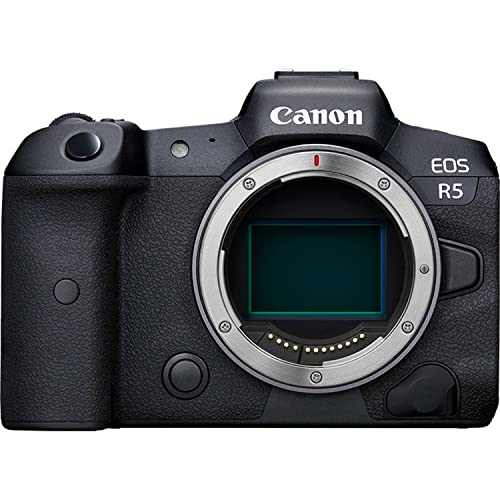
3. Canon EOS R5 Mark II
Best Canon Camera for Landscape Photography
Canon's EOS R5 Mark II is one of the strongest options for photographers already invested in the RF mount system.
Its 45MP sensor delivers excellent detail while maintaining the speed and flexibility needed for photographers who shoot more than landscapes.
It is particularly appealing for photographers who combine:
Landscape photography
Wildlife
Travel
Video
Why the Canon EOS R5 Mark II Works for Landscapes
High-Resolution Sensor
The 45MP sensor provides:
Detailed RAW files
Strong print capability
Excellent cropping flexibility
Excellent Hybrid Performance
Many outdoor photographers do not shoot only landscapes.
The R5 Mark II works well for:
Wildlife encountered while hiking
Travel documentation
Video projects
Behind-the-scenes content
Strong RF Lens Ecosystem
Canon offers excellent landscape lenses, including:
Wide-angle zooms
Professional standard zooms
Lightweight travel options
Best For
Canon photographers
Hybrid shooters
Professional outdoor creators
Travel photographers
Consider Something Else If:
You only need a dedicated landscape camera
Your budget is limited
You prefer a lighter system
Bottom Line
The Canon EOS R5 Mark II is an excellent choice for photographers who want one professional camera capable of handling landscapes and nearly every other genre.
👉 Check current pricing on Amazon
👉 Check current pricing at Adorama
For Canon users:
→ Explore the Best Canon Cameras for Landscape Photography
4. Fujifilm GFX100S II
Best Medium Format Camera for Landscape Photography
For photographers who prioritize maximum image quality above everything else, the Fujifilm GFX100S II represents one of the highest levels of landscape photography performance available today.
Its 102MP medium format sensor captures an incredible amount of detail while delivering exceptional tonal transitions and depth.
Unlike older medium format systems that were large and difficult to carry, the GFX100S II brings medium format image quality into a much more practical body design.
For landscape photographers creating:
Fine art prints
Gallery work
Commercial landscape images
Large-format wall art
the additional image quality can be truly impressive.
Why the Fujifilm GFX100S II Works for Landscapes
102MP Medium Format Sensor
The biggest advantage is image detail.
The larger sensor and high resolution provide:
Exceptional fine detail
Beautiful tonal transitions
More flexibility for large prints
Incredible texture rendering
This is especially noticeable in:
Mountain landscapes
Coastal scenes
Forest environments
Architectural landscapes
Outstanding Color and Tonal Quality
Fujifilm has built a strong reputation for color science, and the GFX system is designed for photographers who care deeply about image rendering.
Landscape photographers benefit from:
Smooth gradients
Natural color transitions
Rich RAW editing flexibility
Practical Medium Format Design
Compared with traditional medium format cameras, the GFX100S II is much easier to use outdoors.
It offers:
Weather-resistant construction
Image stabilization
A relatively compact body
A more practical field workflow
Best For
Fine art landscape photographers
Large wall prints
Commercial landscape photography
Maximum image quality
Consider Something Else If:
You hike long distances with minimal equipment
You photograph fast-moving subjects
You want the most affordable system
Medium format delivers incredible results, but it is not the best choice for every photographer.
Bottom Line
The Fujifilm GFX100S II is not the camera most photographers need—but for those who prioritize ultimate landscape image quality, it is one of the most impressive systems available.
For photographers creating large prints or selling fine art photography, the additional detail and tonal quality can justify the investment.

5. Nikon D850
Best DSLR Camera for Landscape Photography
Mirrorless cameras dominate the current market, but the Nikon D850 remains one of the best landscape cameras ever produced.
Released years ago, the D850 continues to deliver exceptional image quality thanks to its 45.7MP full-frame sensor, outstanding dynamic range, and mature lens ecosystem.
For photographers already invested in Nikon DSLR equipment, the D850 remains a smart and affordable option—especially on the used market.
Why the Nikon D850 Works for Landscapes
45.7MP Full-Frame Sensor
The D850 produces files that still compete with many modern cameras.
Landscape photographers benefit from:
Excellent detail
Large print capability
Strong RAW flexibility
Exceptional Dynamic Range
The D850 became known for its ability to recover detail from challenging exposures.
This makes it excellent for:
Sunrise photography
Sunset landscapes
High-contrast scenes
Mature Nikon F-Mount Lens Selection
One advantage of the D850 is access to decades of excellent Nikon glass.
Landscape photographers can choose from:
Wide-angle lenses
Tilt-shift lenses
Professional zooms
Affordable used options
Excellent Battery Life
One area where DSLRs still have an advantage is battery performance.
The D850 can be especially appealing for:
Long hikes
Remote locations
Multi-day trips
Best For
Existing Nikon DSLR users
Used equipment buyers
Landscape photographers who value reliability
Long outdoor shooting sessions
Consider Something Else If:
You are building a new system from scratch
You want the latest autofocus technology
You prefer electronic viewfinders
Bottom Line
The Nikon D850 proves that great cameras do not suddenly become obsolete.
It remains one of the finest landscape DSLRs ever produced and is an excellent value for photographers who do not need the newest mirrorless features.
👉 Check current pricing on Amazon
👉 Check current pricing at Adorama
6. Fujifilm X-T5
Best Lightweight Landscape Camera
The Fujifilm X-T5 demonstrates that photographers do not need a full-frame camera to create professional-quality landscape images.
Its 40.2MP APS-C sensor delivers impressive detail while keeping the overall system smaller and lighter than comparable full-frame setups.
For photographers who hike, travel, or spend long days outdoors, the reduced weight can be a major advantage.
A camera that is easier to carry is often the camera that gets used more.
Why the Fujifilm X-T5 Works for Landscapes
40MP APS-C Sensor
The X-T5 offers:
Excellent resolution
Strong image quality
Large-print capability
Smaller file sizes than many full-frame competitors
Compact Weather-Sealed System
One of Fujifilm's biggest strengths is its combination of:
Lightweight bodies
Compact lenses
Strong image quality
This makes the X-T5 especially appealing for:
Hiking photographers
Backpackers
Travel creators
Fujifilm Lens Selection
Landscape photographers have access to excellent options including:
Wide-angle zooms
Compact primes
Weather-resistant lenses
Best For
Hiking
Backpacking
Travel photography
Lightweight landscape kits
Consider Something Else If:
You regularly create extremely large fine art prints
You want the best possible low-light performance
You already own a full-frame system you enjoy
Bottom Line
The Fujifilm X-T5 is one of the smartest choices for photographers who value portability without sacrificing image quality.
For many travelers and outdoor photographers, the smaller system size is a bigger advantage than having the largest possible sensor.
👉 Check current pricing on Amazon
👉 Check current pricing at Adorama

7. Canon EOS R7
Best Budget Landscape Camera
You do not need to spend thousands of dollars to create excellent landscape photographs.
The Canon EOS R7 delivers impressive image quality, strong resolution, and modern features at a much lower price point than professional full-frame cameras.
For photographers entering the Canon RF ecosystem, the R7 provides an excellent balance between performance and affordability.
Why the Canon EOS R7 Works for Landscapes
32.5MP APS-C Sensor
The R7 provides enough resolution for:
Large prints
Detailed editing
Landscape cropping
In-Body Image Stabilization
IBIS helps when:
Shooting handheld
Traveling light
Photographing without a tripod
Affordable RF System Entry Point
The EOS R7 allows photographers to invest more budget into:
Better lenses
Tripods
Filters
Travel experiences
which often have a greater impact on final images.
Best For
Beginner landscape photographers
Budget-conscious buyers
Travel photographers
Canon RF users
Consider Something Else If:
You regularly produce very large fine art prints
You need maximum dynamic range
You are building a professional commercial system
Bottom Line
The Canon EOS R7 offers excellent value and proves that a smaller sensor does not prevent photographers from creating beautiful landscape images.
For photographers upgrading from entry-level cameras, it is one of the strongest budget-friendly landscape options available.
👉 Check current pricing at Adorama
You Don’t Need a Flagship Camera to Create Great Landscapes
A common mistake is assuming better photography requires the most expensive camera body.
In reality, landscape photography success often comes from:
Understanding light
Choosing strong compositions
Using quality lenses
Shooting at the right time
Developing strong editing skills
A $1,500 camera with excellent technique and lenses can outperform a $5,000 camera used without intention.
The camera is a tool—the photographer creates the image.
Full-Frame vs APS-C vs Medium Format for Landscape Photography
Sensor size is one of the most discussed topics in photography—but it is also one of the most misunderstood.
A larger sensor does provide advantages, but the "best" sensor size depends on your goals.
Sensor size affects:
Image quality
Low-light performance
Depth of field
Lens size
System cost
Portability
Full-Frame Cameras
The Professional Standard
Full-frame cameras are the most common choice among professional photographers because they offer an excellent balance of:
Image quality
Lens availability
Low-light performance
System flexibility
Popular examples:
Nikon Z8
Sony a7R V
Canon EOS R5 Mark II
Nikon D850
Advantages of Full Frame
Excellent Dynamic Range
Full-frame sensors typically provide excellent performance in challenging lighting.
This is especially useful for:
Sunrise photography
Sunset photography
High-contrast landscapes
Night landscapes
Strong High ISO Performance
Although landscape photographers often shoot at low ISO, better high ISO performance helps when:
Shooting handheld
Photographing stars
Working in darker conditions
Largest Lens Ecosystem
Full-frame systems generally offer the widest selection of professional lenses.
Landscape photographers can choose from:
Ultra-wide zooms
Professional standard zooms
Lightweight travel lenses
Specialty lenses
Best For
Professional landscape photographers
Large prints
Commercial work
Photographers who want maximum flexibility
Tradeoffs
Full-frame systems can be:
More expensive
Heavier
Larger to carry
For photographers hiking long distances, weight becomes an important consideration.
APS-C Cameras
The Lightweight Powerhouse
APS-C cameras have improved dramatically over the past several years.
Modern APS-C systems can produce exceptional landscape images while offering significant advantages in size and cost.
Popular examples:
Fujifilm X-T5
Canon EOS R7
Sony a6700
Advantages of APS-C
Smaller and Lighter Systems
This is one of the biggest advantages.
A complete APS-C kit can often weigh significantly less than a comparable full-frame setup.
That matters for:
Hiking
Backpacking
International travel
Long outdoor adventures
Lower Cost
APS-C cameras allow photographers to invest more money into:
Better lenses
Tripods
Filters
Travel experiences
Excellent Modern Image Quality
Today's APS-C sensors provide:
High resolution
Strong dynamic range
Excellent color
Professional-quality results
The gap between APS-C and full frame is much smaller than it was years ago.
Best For
Hiking photographers
Travel photographers
Outdoor creators
Budget-conscious photographers
Tradeoffs
Compared with full frame:
Slightly weaker low-light performance
Less extreme depth-of-field control
Smaller selection of premium lenses
Medium Format Cameras
The Maximum Image Quality Tier
Medium format sits above full frame and is designed for photographers who want the highest possible image quality.
The Fujifilm GFX100S II represents one of the most accessible modern medium format systems.
Advantages of Medium Format
Incredible Resolution
With sensors exceeding 100MP, medium format provides:
Exceptional detail
Massive print capability
Extreme cropping flexibility
Beautiful Tonal Rendering
The larger sensor can produce:
Smooth gradients
Subtle color transitions
Rich image depth
These qualities become especially noticeable in large prints.
Best For
Fine art photographers
Gallery prints
Commercial landscape photography
Large-format printing
Tradeoffs
Medium format systems are:
More expensive
Larger investments
Less ideal for fast-moving subjects
More demanding on storage and processing
For most photographers, full frame provides the best balance.

Train Trestle Bridge over the Housatonic River. Shelton, Connecticut. | photo- ©2019 Chris Sidoruk
Mirrorless vs DSLR for Landscape Photography
The photography industry has moved heavily toward mirrorless systems, but DSLRs are still capable tools.
The question is not whether DSLRs can produce excellent images—they can.
The question is whether they make sense for your future investment.
Mirrorless Cameras
The Modern Standard
Mirrorless cameras have become the preferred choice for most photographers.
Examples:
Advantages of Mirrorless
Electronic Viewfinder
An EVF allows you to preview:
Exposure
White balance
Color changes
Shadows and highlights
before taking the photo.
Better Autofocus Technology
Although landscape photography does not require advanced tracking, modern mirrorless autofocus helps with:
Wildlife appearing in scenes
Travel photography
Hybrid shooting
Better Video Capability
Most modern mirrorless cameras are excellent hybrid tools.
This matters for photographers who create:
Travel videos
Behind-the-scenes content
Social media clips
Future Lens Development
Most manufacturers are now focusing their development efforts on mirrorless systems.
This means:
New lenses
New technology
Better long-term investment potential
DSLR Cameras
Still Excellent, But No Longer the Future
Cameras like the Nikon D850 remain outstanding.
Advantages include:
Excellent battery life
Optical viewfinder
Mature used lens market
Proven reliability
Why Some Photographers Still Choose DSLRs
A DSLR can make sense if:
You already own lenses
You buy used equipment
You prefer optical viewfinders
You want maximum battery life
Tradeoffs
Compared with modern mirrorless cameras:
Heavier bodies
Older autofocus technology
Fewer future upgrades
Which Camera System Should You Actually Buy?
Instead of asking:
"What is the best landscape camera?"
Ask:
"What camera system fits the way I photograph?"
Choose Nikon If You Want:
Excellent dynamic range
Professional build quality
Outstanding Z-mount lenses
A balanced professional system
Recommended:
Choose Sony If You Want:
Maximum resolution
Huge lens selection
Excellent autofocus technology
Recommended:
Choose Canon If You Want:
Strong hybrid performance
Excellent color rendering
Great autofocus
Recommended:
Choose Fujifilm If You Want:
Lightweight travel systems
Unique rendering
Medium format options
Recommended:
My Recommendation by Photographer Type
Best Choice for Most Landscape Photographers
Full-frame mirrorless
Examples:
Best balance of:
image quality
lens selection
portability
future support
Best Choice for Hiking & Travel
APS-C mirrorless
Examples:
Best when:
weight matters
you travel frequently
you want a compact system
Best Choice for Fine Art Printing
Medium format
Example:
Best when:
print quality matters above everything else
you sell large-format artwork
maximum detail is the goal
The Camera Is Only Part of the Landscape Workflow
A common mistake is spending the entire budget on the camera body.
A complete landscape system also requires:
Quality lenses
Sturdy tripod
Polarizing filter
Neutral density filters
Reliable storage
Backup workflow
A slightly less expensive camera paired with excellent lenses and accessories will often produce better results than an expensive body with poor supporting equipment.
Final Thoughts: What Is the Best Camera for Landscape Photography in 2026?
The best landscape camera is not necessarily the most expensive camera.
It is the system that gives you the image quality, portability, and reliability needed for the way you actually photograph.
For most photographers:
Best Overall Landscape Camera
The strongest combination of:
resolution
dynamic range
durability
value
Best Maximum Detail Camera
Best for:
large prints
commercial work
photographers who crop heavily
Best Canon Landscape Camera
Excellent for photographers who want a high-resolution hybrid system.
Best Lightweight Landscape Camera
Ideal for:
hiking
travel
photographers who value portability
Best Fine Art Landscape Camera
For photographers who want the highest possible image quality.
Part of the Photography Gear Buying Guide Series
Explore more camera, lens, computer, storage, tripod, and printer recommendations:
→ Best Cameras for Concert Photography
→ Best Lenses for Landscape Photography
Frequently Asked Questions
What is the best camera for landscape photography in 2026?
The Nikon Z8 is the best overall landscape camera for most photographers because it combines high resolution, excellent dynamic range, professional weather sealing, and a strong lens ecosystem.
Photographers who prioritize maximum detail may prefer the Sony a7R V or Fujifilm GFX100S II.
How many megapixels do landscape photographers need?
Most landscape photographers will be well served by 40–50 megapixels.
24MP remains capable for many photographers, while 60MP+ and medium format cameras are best suited for large prints, commercial work, and photographers who need maximum detail.
Is full-frame better than APS-C for landscape photography?
Full-frame generally offers advantages in:
dynamic range
low-light performance
lens selection
However, APS-C cameras can be excellent choices because they are:
smaller
lighter
more affordable
The best choice depends on your shooting style.
Is medium format worth it for landscape photography?
Medium format is worth considering if your priority is:
fine art printing
commercial landscape photography
maximum detail
For most photographers, full-frame provides a better balance of performance and practicality.
Do landscape photographers need a high megapixel camera?
Not always.
Megapixels are useful for:
large prints
cropping
commercial applications
But composition, light, lenses, and post-processing often have a bigger impact on final image quality.
Are DSLRs still good for landscape photography?
Yes.
Cameras like the Nikon D850 remain excellent landscape cameras.
However, mirrorless systems now offer:
newer technology
improved autofocus
better future lens support
What lens should I buy first for landscape photography?
For most photographers, a wide-angle zoom is the best first purchase.
Popular choices include:
14–24mm
16–35mm
24–70mm
A high-quality lens often improves your images more than upgrading camera bodies.
Do I need a tripod for landscape photography?
A tripod is highly recommended for serious landscape work.
It helps with:
long exposures
low ISO shooting
focus stacking
HDR images
precise compositions
A stable tripod remains one of the most valuable landscape photography investments.
What camera do professional landscape photographers use?
Many professionals use full-frame mirrorless systems from:
Nikon
Sony
Canon
Some fine art photographers use medium format systems for maximum print quality.
==========
Explore more:
