

Best Tripods for Landscape Photography (2026 Guide)

Long Exposure Photograph of Wadsworth Falls - Middletown, CT | ©2020, Chris Sidoruk
*Some links in this article are affiliate links. If you purchase through them, it helps support my work at no extra cost to you.
==========
Last Updated: July 2026
Quick Jump
A tripod is one of the most important tools a landscape photographer can own.
While cameras and lenses receive most of the attention, a quality tripod often makes the difference between a good image and a truly sharp photograph — especially when shooting long exposures, waterfalls, coastal scenes, night photography, or changing weather conditions.
The best landscape photography tripod is not necessarily the biggest or most expensive option.
It is the tripod that gives you:
enough stability for sharp images
enough portability that you actually carry it
reliable operation in changing outdoor conditions
confidence when your camera is positioned over difficult terrain
For 2026, the best options range from lightweight travel tripods designed for hiking photographers to professional systems built for heavy camera bodies and demanding environments.
In this guide, I’ll cover the best tripods for landscape photography, including:
lightweight travel tripods
carbon fiber hiking tripods
professional landscape systems
budget-friendly options
tripods for long exposure photography
I’ll also explain what features actually matter when choosing a tripod for outdoor photography.
Best Tripods for Landscape Photography (Quick Picks)
Best Overall: Peak Design Travel Tripod (Carbon Fiber)
Best for: Most landscape photographers, travel photographers, and hikers
The Peak Design Travel Tripod remains one of the easiest recommendations for photographers who want a tripod they will actually bring into the field.
Its biggest advantage is not absolute stability — there are heavier tripods that outperform it in extreme conditions.
Its advantage is balance.
It offers:
✔ Excellent portability
✔ Compact folded size
✔ Lightweight carbon fiber construction
✔ Fast setup and breakdown
✔ Quality build without excessive weight
For photographers hiking to viewpoints, traveling by plane, or carrying multiple lenses, the Peak Design Travel Tripod solves one of the biggest problems with tripods:
Many photographers own them, but leave them at home because they are too bulky.
Best choice for:
Landscape photographers who prioritize mobility without sacrificing too much stability.
👉 Check current price on Amazon
👉 Check current price on Adorama
Best Premium Stability: Gitzo Mountaineer Series 3
Best for: Serious landscape photographers and demanding conditions
Gitzo has long been considered one of the premier tripod manufacturers, and the Mountaineer Series remains a benchmark for photographers who prioritize stability.
This is the type of tripod designed for:
strong coastal winds
heavy camera bodies
long telephoto lenses
years of professional use
Compared with lightweight travel tripods, Gitzo systems are heavier and more expensive.
But the tradeoff is confidence.
When your camera is mounted on a Gitzo, you know your support system is not the limiting factor.
Best choice for:
Photographers who regularly shoot difficult conditions and want a tripod they may own for decades.
👉 Check current price on Amazon
👉 Check current price on Adorama
Best Value: Benro Tortoise Series
Best for: Photographers wanting professional features without premium pricing
The Benro Tortoise series offers a strong middle ground between inexpensive consumer tripods and high-end professional systems.
You get:
✔ Carbon fiber options
✔ Strong stability
✔ Good build quality
✔ Competitive pricing
For many landscape photographers, this is the sweet spot.
It provides much of what serious photographers need without the price jump associated with Gitzo or Really Right Stuff.
Best choice for:
Photographers upgrading from an entry-level tripod who want better stability and durability.
👉 Check current price on Amazon
Best Compact Travel Tripod: Manfrotto Befree Advanced
Best for: Travel photographers and casual landscape shooters
The Manfrotto Befree Advanced is designed around portability.
It is not built for extreme conditions or heavy professional setups, but it excels when size and weight matter.
Great uses include:
travel photography
city landscapes
hiking with smaller mirrorless cameras
casual long exposures
Best choice for:
Photographers who need something small enough to always pack.
👉 Check current price on Amazon
Best Professional System: Really Right Stuff Tripods
Best for: Professional landscape photographers
Really Right Stuff (RRS) tripods sit at the top end of the market.
They are expensive, but the quality is exceptional.
Advantages include:
✔ Outstanding machining quality
✔ Extremely stable designs
✔ Long-term durability
✔ Professional support ecosystem
For photographers who make income from landscape photography, the investment can make sense.
Best choice for:
Professionals who demand maximum reliability.
Landscape Photography Tripod Comparison Table
| Tripod | Best For | Weight | Strength | Best User |
|---|---|---|---|---|
| Peak Design Travel Tripod | Best overall | Lightweight | Portability + quality balance | Most landscape photographers |
| Gitzo Mountaineer Series 3 | Maximum stability | Heavy | Professional durability | Serious outdoor shooters |
| Benro Tortoise Series | Best value | Medium | Stability without premium pricing | Enthusiasts upgrading gear |
| Manfrotto Befree Advanced | Travel | Lightweight | Compact size | Hiking and travel photographers |
| Really Right Stuff | Professional use | Medium/heavy | Premium construction | Working photographers |
Peak Design Travel Tripod
Best For: Best overall
Weight: Lightweight
Strength: Portability + quality balance
Best User: Most landscape photographers
Gitzo Mountaineer Series 3
Best For: Maximum stability
Weight: Heavy
Strength: Professional durability
Best User: Serious outdoor shooters
Benro Tortoise Series
Best For: Best value
Weight: Medium
Strength: Stability without premium pricing
Best User: Enthusiasts upgrading gear
Manfrotto Befree Advanced
Best For: Travel
Weight: Lightweight
Strength: Compact size
Best User: Hiking and travel photographers
Really Right Stuff
Best For: Professional use
Weight: Medium/heavy
Strength: Premium construction
Best User: Working photographers
My Recommendations by Photographer Type
Best Tripod for Most Landscape Photographers
The combination of size, weight, and performance makes it the best choice for the majority of photographers.
Best Tripod for Hiking Photography
When every pound matters, portability becomes part of the creative process.
A slightly less stable tripod that you carry is better than a perfect tripod sitting at home.
Best Tripod for Long Exposure Photography
For waterfalls, ocean waves, windy overlooks, and extended exposures, stability becomes more important than weight.
Best Budget-Friendly Upgrade
A great choice for photographers moving beyond entry-level tripods.
Best Professional Landscape Tripod
For photographers who depend on their equipment professionally, RRS remains one of the strongest choices available.
What to Look for in a Landscape Photography Tripod
A good landscape photography tripod is not just about weight or price.
The right tripod needs to match how you actually photograph.
A photographer hiking several miles to a mountain overlook has different needs than someone photographing waterfalls from a roadside location or shooting coastal landscapes in strong winds.
Before choosing a tripod, consider these key factors:
stability
weight and portability
height
load capacity
tripod head design
durability in outdoor conditions
The best tripod is the one that supports your creative process without becoming a burden.
Stability: The Most Important Tripod Feature
The primary purpose of a tripod is simple:
Keep your camera completely still.
This becomes especially important when shooting:
long exposures
sunrise and sunset landscapes
waterfalls
ocean waves
night photography
focus-stacked images
A stable tripod helps prevent:
camera shake
blurry details
vibration during long exposures
inconsistent sharpness
A heavier tripod will generally provide more stability, but weight is only part of the equation.
A well-designed carbon fiber tripod with quality leg locks can outperform a cheaper, heavier tripod with poor construction.
For landscape photography, stability matters most when conditions are difficult.
Examples:
strong coastal winds
uneven rocky terrain
heavy camera bodies
large telephoto lenses
This is where premium tripods begin to separate themselves.
Weight and Portability
The best tripod in the world is useless if you leave it at home.
This is one of the biggest mistakes photographers make when buying a tripod.
They purchase the most stable option available, only to realize it is too heavy to carry on hikes or travel with comfortably.
For landscape photography, portability matters because many of the best viewpoints require effort:
hiking trails
mountain overlooks
coastal walks
remote locations
A lightweight tripod encourages you to bring it more often.
A heavier tripod gives you more stability.
The right balance depends on your style.
Lightweight Tripods Are Best For:
✔ hiking photographers
✔ travel photographers
✔ mirrorless camera systems
✔ photographers covering long distances
Heavier Tripods Are Best For:
✔ professional landscape photographers
✔ large camera bodies
✔ long telephoto lenses
✔ extreme weather conditions
Tripod Height: Why It Matters
Tripod height is often overlooked, but it affects both comfort and composition.
A tripod that is too short forces you to:
bend constantly while composing
extend the center column more often
work from less natural viewpoints
Ideally, your tripod should allow you to shoot comfortably without relying heavily on the center column.
The center column can reduce stability because it raises the camera away from the tripod's strongest support point.
For landscape photography, a tripod that reaches approximately eye level without extending the center column is usually preferred.
Load Capacity: Match Your Camera System
Every tripod has a recommended load capacity.
This rating refers to how much weight the tripod can safely support.
When calculating your setup, consider:
camera body
lens weight
tripod head
accessories
filters
battery grips
For example:
A small mirrorless camera with a wide-angle lens requires far less support than:
a Nikon Z9
Canon R5/R6 series
Sony A1
100-400mm or 180-600mm lens
A tripod that technically supports your camera may still feel unstable if it is operating near its limit.
For landscape photography, having extra capacity is usually better.
Choosing the Right Tripod Head
The tripod legs are only half of the system.
The tripod head controls how easily you can compose and position your camera.
The most common options for landscape photographers are:
Ball Heads
Ball heads are the most popular choice for landscape photography.
Advantages:
✔ Fast adjustments
✔ Lightweight
✔ Simple operation
✔ Excellent for changing compositions quickly
They are especially useful when moving between:
horizontal compositions
vertical compositions
uneven terrain
Most landscape photographers prefer a quality ball head because it keeps the setup simple and efficient.
Pan-Tilt Heads
Pan-tilt heads provide more precise adjustments.
Advantages:
✔ More controlled movements
✔ Better for architectural photography
✔ Useful for video applications
However, they are usually slower when quickly changing compositions in the field.
Gimbal Heads
Gimbal heads are designed primarily for:
wildlife photography
large telephoto lenses
birds in flight
They are usually unnecessary for typical landscape photography.
Carbon Fiber vs Aluminum Tripods
One of the biggest decisions when buying a tripod is choosing between carbon fiber and aluminum.
Both can produce excellent results.
The difference comes down to weight, vibration control, and price.
| Feature | Carbon Fiber | Aluminum |
|---|---|---|
| Weight | Lighter | Heavier |
| Price | More expensive | More affordable |
| Vibration control | Excellent | Very good |
| Durability | Excellent | Excellent |
| Best for | Hiking & travel | Budget-conscious photographers |
Weight
Carbon Fiber: Lighter
Aluminum: Heavier
Price
Carbon Fiber: More expensive
Aluminum: More affordable
Vibration Control
Carbon Fiber: Excellent
Aluminum: Very good
Durability
Carbon Fiber: Excellent
Aluminum: Excellent
Best For
Carbon Fiber: Hiking & travel
Aluminum: Budget-conscious photographers
Carbon Fiber Tripods
Carbon fiber has become the preferred choice for many landscape photographers.
Advantages:
✔ Lower weight
✔ Excellent strength-to-weight ratio
✔ Easier to carry long distances
✔ Better comfort in cold weather
The biggest downside is cost.
A quality carbon fiber tripod can cost significantly more than an aluminum equivalent.
For photographers who hike regularly, the investment often makes sense.
Aluminum Tripods
Aluminum remains a practical option.
Advantages:
✔ Lower cost
✔ Strong construction
✔ Good stability
✔ Long lifespan
The downside is weight.
For photographers who primarily shoot from easily accessible locations, the extra weight may not matter.
My Recommendation
For most landscape photographers in 2026:
Choose carbon fiber if you hike or travel frequently.
Choose aluminum if you mainly shoot close to your vehicle and want maximum value.
The tripod you actually carry will always outperform the tripod you leave behind.
Why Tripods Matter for Long Exposure Photography
Many landscape photographers purchase a tripod because they want to create long exposure images.
A tripod allows you to use slower shutter speeds while maintaining sharp details.
Common examples include:
silky waterfalls
smooth ocean movement
cloud motion
nighttime landscapes
star photography
A stable tripod becomes especially important when using:
neutral density filters
exposures lasting several seconds or minutes
high-resolution cameras
A small amount of movement that may not be noticeable on the camera screen can become obvious when viewing a large print.
This is especially important for photographers who print their work.
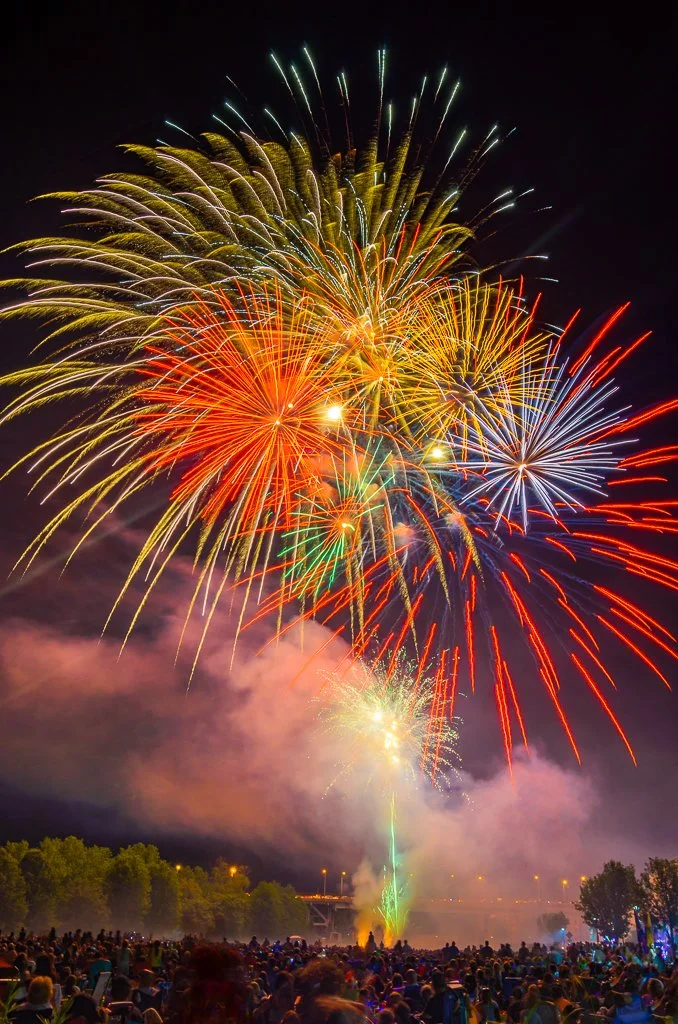
Long Exposure Photograph of 4th of July Fireworks - Shelton, CT | ©2019, Chris Sidoruk
Common Tripod Mistakes Photographers Make
Even a good tripod will not help if it is used incorrectly.
Common mistakes include:
Buying the Cheapest Tripod Available
Cheap tripods often have:
weak leg locks
unstable center columns
poor vibration control
limited durability
A tripod is one area where buying slightly above your initial budget often pays off.
Buying Too Heavy
The most stable tripod is not always the best choice.
If it prevents you from carrying it, it is not helping your photography.
Extending the Center Column Too Often
The center column acts like a monopod.
It increases height but reduces stability.
For maximum sharpness, keep it lowered whenever possible.
Ignoring the Tripod Head
Many photographers spend money on quality tripod legs but overlook the head.
A poor-quality head can make a great tripod frustrating to use.
Best Tripods for Landscape Photography in 2026
There is no single “best” tripod for every landscape photographer.
The right choice depends on how you photograph:
Do you hike long distances?
Do you shoot mostly from roadside locations?
Do you use a lightweight mirrorless camera or a heavier professional body?
Do you photograph waterfalls, coastlines, mountains, or wildlife?
Below are the tripods I would recommend for different types of landscape photographers.
1. Peak Design Travel Tripod (Carbon Fiber)
Best Overall Tripod for Most Landscape Photographers
Peak Design built its Travel Tripod around a simple idea:
Make a tripod that photographers will actually carry.
Traditional tripods can be bulky, awkward, and difficult to pack. Peak Design redesigned the shape of the tripod legs and center column to create a much more compact system.
For travel and landscape photographers, that compact design is the biggest advantage.
Why It Stands Out
✔ Extremely compact when folded
✔ Lightweight carbon fiber construction
✔ Excellent travel-friendly design
✔ Fast setup and breakdown
✔ High-quality build
The Peak Design Travel Tripod is not the most stable tripod available, but it offers one of the best combinations of:
portability
stability
convenience
durability
For many photographers, that balance matters more than having the absolute strongest tripod.
Best For:
✔ Travel photographers
✔ Hiking photographers
✔ Mirrorless camera users
✔ Landscape photographers who prioritize portability
Consider Something Else If:
✘ You regularly shoot in extreme wind
✘ You use very large telephoto lenses
✘ Maximum stability is your top priority
My Take
For most photographers, this is the tripod I would recommend first.
A tripod that is slightly less stable but gets carried everywhere will produce more images than a heavy tripod sitting in your closet.
👉 Check current pricing:
2. Gitzo Mountaineer Series 3
Best Premium Tripod for Maximum Stability
Gitzo has long been considered one of the leaders in professional tripod design.
The Mountaineer Series represents the traditional approach to landscape photography:
Maximum stability.
Premium materials.
Long-term durability.
This is the type of tripod photographers purchase when they want something that can last decades.
Why It Stands Out
✔ Extremely stable
✔ Excellent vibration control
✔ Premium carbon fiber construction
✔ Designed for demanding outdoor use
✔ Supports heavier camera systems
The additional weight compared with travel tripods is intentional.
A larger tripod provides:
better wind resistance
stronger support for heavier lenses
more confidence during long exposures
Best For:
✔ Professional landscape photographers
✔ Large mirrorless or DSLR systems
✔ Coastal photography in windy conditions
✔ Long exposure specialists
Consider Something Else If:
✘ You prioritize hiking weight
✘ You travel frequently with minimal gear
My Take
If you are serious about landscape photography and want a tripod that will never feel like the weak point in your setup, Gitzo remains one of the safest investments.
👉 Check current pricing:
3. Benro Tortoise Series
Best Value Carbon Fiber Tripod
Benro has become one of the strongest value-focused tripod manufacturers.
The Tortoise series provides many of the features photographers want without the premium pricing of brands like Gitzo or Really Right Stuff.
Why It Stands Out
✔ Strong carbon fiber construction
✔ Excellent stability for the price
✔ No unnecessary complexity
✔ Good balance of weight and performance
For photographers who want a serious tripod without spending premium money, this is one of the strongest choices.
Best For:
✔ Enthusiasts upgrading from entry-level tripods
✔ Landscape photographers on a budget
✔ Photographers wanting carbon fiber value
Consider Something Else If:
✘ You need the absolute lightest travel setup
✘ You want a lifetime professional system
My Take
This is the category where many photographers should actually shop.
A mid-range carbon fiber tripod often provides 90% of what premium models offer at a much more reasonable cost.
👉 Check current pricing:
4. Manfrotto Befree Advanced
Best Compact Travel Tripod
Manfrotto has been a trusted name among photographers for decades.
The Befree Advanced is designed for photographers who value portability above everything else.
Why It Stands Out
✔ Compact folding design
✔ Easy to travel with
✔ Reliable construction
✔ Good choice for smaller camera systems
It is not designed to compete with heavier professional tripods.
Instead, it succeeds because it is easy to bring everywhere.
Best For:
✔ Travel photography
✔ Casual landscape shooting
✔ Smaller mirrorless systems
✔ Photographers who value convenience
Consider Something Else If:
✘ You frequently shoot in strong winds
✘ You use heavy professional lenses
My Take
This is a great “always in the bag” tripod.
For photographers who hesitate to bring a tripod because of size and weight, something like the Befree Advanced can solve that problem.
👉 Check current pricing:
5. Really Right Stuff Tripods
Best High-End Professional Tripod System
Really Right Stuff represents the premium end of landscape photography support systems.
These tripods are designed for photographers who demand maximum performance and long-term reliability.
Why It Stands Out
✔ Exceptional build quality
✔ Outstanding stability
✔ Premium machining
✔ Designed for professional workflows
RRS products are expensive, but they are built around the idea of buying once and using for years.
Best For:
✔ Professional landscape photographers
✔ Fine art photographers
✔ Large camera systems
✔ Photographers who demand the best
Consider Something Else If:
✘ You are new to landscape photography
✘ You are looking for maximum value
My Take
For most photographers, RRS is more than necessary.
But for professionals who depend on their equipment in difficult environments, the premium is easier to justify.
👉 Check current pricing:
Other Landscape Tripods Worth Considering
The recommendations above cover the majority of photographers, but several other models deserve consideration.
3 Legged Thing Tripods
A popular option among photographers looking for a balance of:
unique design
portability
affordability
Good for:
✔ travel photographers
✔ enthusiasts
✔ creative outdoor shooting
Sirui Tripods
Sirui offers strong value, especially for photographers entering carbon fiber tripod systems.
Good for:
✔ beginners upgrading from inexpensive tripods
✔ budget-conscious photographers
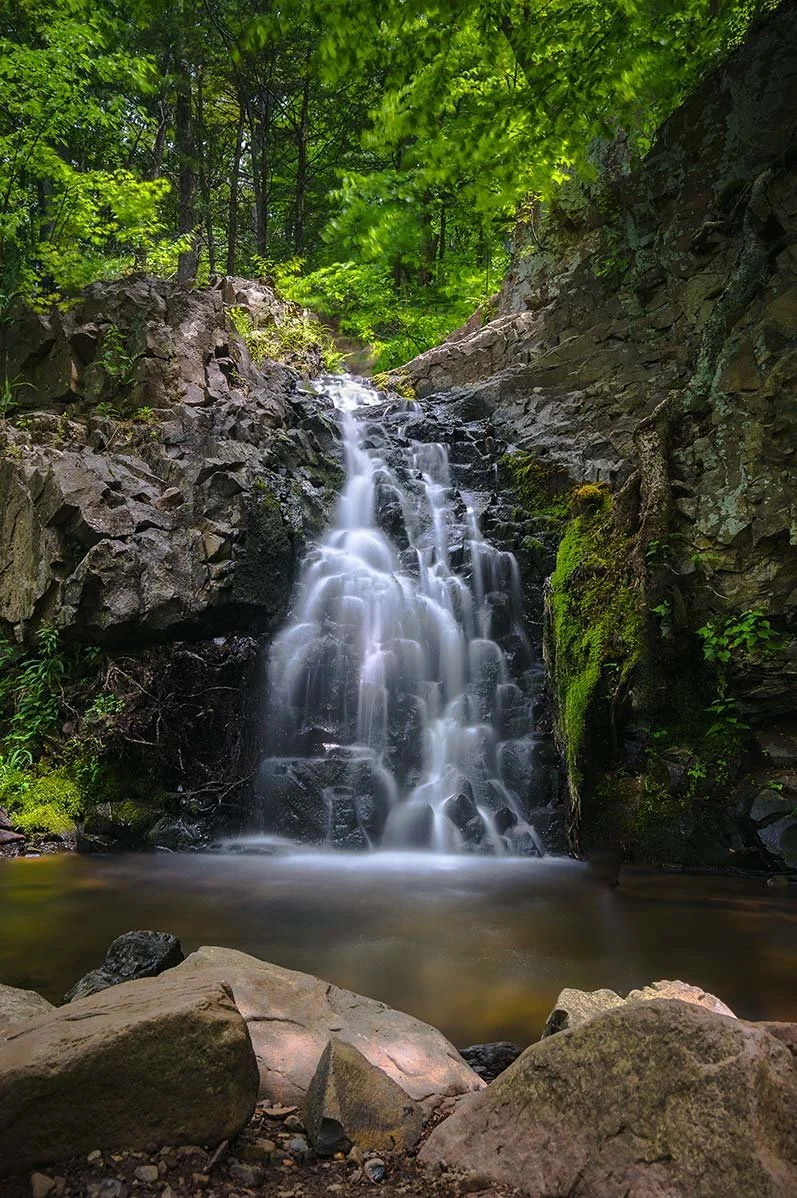
Example of a long exposure landscape shot using a tripod. Westfield Falls - Middletown, CT | ©2020, Chris Sidoruk
Quick Recommendations: Which Tripod Should You Buy?
If you are still unsure, here is the simple breakdown:
Best Overall:Peak Design Travel Tripod Carbon Fiber
Best Stability:Gitzo Mountaineer Series 3
Best Value:Benro Tortoise Series
Best Travel Option:Manfrotto Befree Advanced
Best Professional Choice:Really Right Stuff
For most landscape photographers, I would prioritize this order:
Buy a tripod you will actually carry
Make sure it is stable enough for your camera system
Invest in quality before buying additional accessories
A good tripod can last decades, making it one of the better long-term investments in photography gear.
Tripod Accessories Worth Considering
A tripod is the foundation of a landscape photography setup, but a few accessories can dramatically improve the experience.
You do not need every accessory available, but these are the ones that provide the most practical benefits in the field.
Quality Tripod Head
Many photographers focus entirely on tripod legs and overlook the importance of the head.
A quality ball head improves:
composition speed
camera positioning
stability
overall shooting experience
A cheaper tripod with a poor head can feel frustrating even if the legs are reasonably stable.
For landscape photography, a smooth ball head is usually the best choice.
Quick Release Plate
A quick release plate allows you to attach and remove your camera quickly.
Benefits:
✔ Faster setup
✔ Easier switching between handheld and tripod shooting
✔ Less time adjusting equipment in changing light
Many photographers prefer an Arca-Swiss compatible system because it has become a common standard across photography accessories.
Tripod Spikes and Feet
Different terrain requires different support.
Rubber feet work well for:
pavement
boardwalks
indoor locations
Spiked feet are useful for:
dirt trails
sand
rocky terrain
Landscape photographers shooting coastal areas, mountains, or uneven ground may appreciate interchangeable feet.
Tripod Carrying Bag
A tripod bag is not essential, but it helps protect your investment.
Useful for:
travel
vehicle transport
storing equipment between shoots
For expensive carbon fiber tripods, a protective bag is often worth considering.
L-Bracket
An L-bracket allows you to quickly switch between horizontal and vertical compositions while keeping the camera centered over the tripod.
This is especially useful for:
landscape photography
panoramic images
architectural photography
It also keeps the camera balanced better than rotating a ball head sideways.
How Much Should You Spend on a Landscape Photography Tripod?
Tripod pricing varies dramatically.
You can find options under $100, while professional systems can cost well over $1,000.
The right amount to spend depends on how seriously you use your camera.
Beginner Landscape Photographers ($100–$250)
At this level, focus on:
stability
reliability
reasonable weight
A basic aluminum tripod can be a good starting point.
The goal is to avoid extremely cheap tripods that introduce vibration and frustration.
Enthusiast Photographers ($250–$600)
This is where many photographers should shop.
You can find:
quality carbon fiber options
better tripod heads
improved durability
This category provides the best balance of performance and price.
Examples:
Professional Photographers ($600+)
Higher-end tripods provide:
better materials
stronger stability
smoother operation
long-term durability
Examples:
For photographers who depend on their equipment professionally, the investment can make sense.
Best Tripods Based on Your Photography Style
The best tripod depends heavily on how you photograph.
Here are my recommendations based on common landscape photography situations.
Best Tripod for Hiking Photography
Recommendation: Peak Design Travel Tripod Carbon Fiber
When hiking, weight matters.
A tripod that is lightweight enough to carry all day will encourage you to bring it more often.
Priorities:
✔ low weight
✔ compact size
✔ dependable stability
Best Tripod for Waterfall Photography
Recommendation: Benro Tortoise Series or Gitzo Mountaineer
Waterfall photography often involves:
uneven terrain
wet conditions
longer exposures
A stable tripod is more important than saving a few ounces.
Best Tripod for Coastal Photography
Recommendation: Gitzo Mountaineer Series 3
Coastal photography introduces challenges:
wind
uneven rocks
salt spray
moving water
A heavier, stable tripod provides confidence when conditions become difficult.
Best Tripod for Mirrorless Cameras
Recommendation: Peak Design Travel Tripod or Benro Tortoise
Modern mirrorless cameras are smaller and lighter than many DSLR systems.
A compact carbon fiber tripod is often more than enough.
Best Tripod for Professional Camera Systems
Recommendation: Gitzo or Really Right Stuff
If you are using:
Nikon Z9
Canon R5/R6 series
Sony A1
large telephoto lenses
investing in a stronger support system becomes more important.
Do You Really Need a Tripod for Landscape Photography?
For some photographers, a tripod is one of the first accessories they purchase.
For others, it sits unused.
The reality is that modern cameras have excellent stabilization and high ISO performance, but a tripod still provides advantages that handheld shooting cannot replace.
A tripod allows you to:
use slower shutter speeds
create intentional motion blur
shoot at base ISO
carefully compose images
focus stack landscapes
create consistent panoramas
For photographers interested in:
waterfalls
coastal landscapes
sunrise photography
sunset photography
night landscapes
a tripod remains one of the most valuable tools available.
Final Recommendations: Choosing the Best Tripod for Landscape Photography
The best landscape photography tripod is not necessarily the most expensive one.
It is the tripod that fits your photography style.
For most photographers, I would prioritize:
Stability
Weight
Build quality
Ease of use
Price
A lightweight travel tripod that you bring everywhere will usually outperform a professional tripod that stays home.
For most landscape photographers in 2026:
Peak Design Travel Tripod is the best overall choice.
Benro Tortoise offers excellent value.
Gitzo Mountaineer is the choice for maximum stability.
Really Right Stuff is the premium professional option.
A tripod is not just another accessory.
It is a tool that allows you to slow down, compose carefully, and create sharper images in conditions where handheld photography is limited.
Frequently Asked Questions
What is the best tripod for landscape photography?
For most photographers, the Peak Design Travel Tripod Carbon Fiber is one of the best overall choices because it balances stability, portability, and build quality.
Photographers who need maximum stability should consider Gitzo or Really Right Stuff.
Is carbon fiber worth it for landscape photography?
Yes, especially if you hike or travel with your gear.
Carbon fiber tripods are lighter and easier to carry while still providing excellent stability.
The main disadvantage is higher cost compared with aluminum.
How tall should a landscape photography tripod be?
Ideally, your tripod should reach approximately eye level without extending the center column.
A taller tripod provides better comfort and stability during long shooting sessions.
Are travel tripods good for landscape photography?
Yes.
Modern travel tripods are significantly better than older compact models.
They are especially useful for:
hiking
backpacking
travel photography
mirrorless cameras
However, they may not match the stability of larger professional tripods in extreme conditions.
Do expensive tripods make sharper photos?
Not automatically.
A more expensive tripod provides:
better stability
improved durability
smoother operation
But technique, composition, focus, and camera settings still determine image quality.
What tripod do professional landscape photographers use?
Many professional landscape photographers use premium systems from brands like Gitzo and Really Right Stuff because they offer maximum stability and long-term reliability.
However, many photographers can achieve excellent results with mid-range carbon fiber tripods.
Should I buy a tripod before upgrading my camera?
For many landscape photographers, yes.
A quality tripod can improve your images more than a minor camera upgrade because it allows you to create photographs that would otherwise be impossible.
==========
Photography by Chris Sidoruk, a Connecticut photographer specializing in coastal landscapes, concert photography, and visual storytelling throughout New England.
All photographs © Chris Sidoruk. Images are protected by copyright and may not be used, copied, modified, or redistributed without license.
Continue building your landscape photography setup:
→ Best Cameras for Landscape Photography
→ Best Lenses for Landscape Photography
→ Best Camera Backpacks for Hiking
