

Landscape Photography Composition Tips (Complete Guide)
==========
Last Updated: August 2026
Quick Jump
- The Landscape Composition Mindset
- Start with a Clear Subject
- Use Foreground to Create Depth
- Leading Lines and Visual Flow
- Balance, Light & Atmosphere
- How Lens Choice Changes Composition
- Real-World Shooting Decisions
- Common Landscape Composition Mistakes
- My Landscape Photography Composition Workflow
- Frequently Asked Questions
Why Composition Matters in Landscape Photography
Great landscape photography is not created by expensive gear alone.
A high-resolution camera, sharp lens, and perfect exposure can help—but they cannot fix a weak composition.
The strongest landscape images usually come down to one thing:
How you arrange the elements inside the frame.
Composition determines:
where the viewer looks first
how the eye moves through the image
what feels important
how the scene feels emotionally
A beautiful location does not automatically create a great photograph.
Many photographers arrive at an amazing viewpoint, take a wide-angle shot, and wonder why the image does not feel as impressive as the real scene.
The difference is usually composition.
A strong landscape photograph guides the viewer through the scene instead of simply showing everything that was there.
This guide breaks down practical landscape composition techniques you can apply in almost any environment—from mountains and coastlines to forests, waterfalls, and city landscapes.
The Composition Mindset: Photograph With Intention
One of the biggest changes you can make as a landscape photographer is slowing down before pressing the shutter.
Instead of asking:
"How do I capture this entire scene?"
Ask:
"What is the story I want this image to tell?"
Before taking a photo, consider:
What is the main subject?
Where should the viewer look first?
What elements support the subject?
What distractions can be removed?
A strong composition is rarely about including more.
It is usually about choosing what not to include.
The best landscape photographers are not simply documenting locations.
They are making decisions about:
placement
balance
timing
perspective
light
The camera records the scene, but composition creates the photograph.
The Five Elements of Strong Landscape Composition
Most successful landscape photographs rely on a combination of a few repeatable ideas.
The five most important elements are:
1. A Clear Subject
The viewer should quickly understand what matters most.
2. Foreground Interest
Foreground elements create depth and pull the viewer into the scene.
3. Leading Lines
Lines help guide the viewer’s eye through the photograph.
4. Layering and Depth
Multiple layers create a sense of distance and scale.
5. Light and Atmosphere
Lighting determines mood, contrast, and visual impact.
These ideas are not strict rules.
They are tools that help you create more intentional images.
Start With a Clear Subject
Every strong landscape photograph needs a visual anchor.
The subject does not always have to be a dramatic mountain or famous landmark.
It could be:
a lighthouse
a tree
a waterfall
a rock formation
a person in the landscape
a unique pattern in nature
The important thing is that the viewer understands what the photograph is about.
A common beginner mistake is including everything because the entire scene looks beautiful in person.
But cameras flatten three-dimensional environments.
A viewer looking at your final image needs guidance.
Ask yourself:
What caught my attention when I arrived here?
That should usually become the foundation of your composition.
Subject Placement and Visual Weight
Where you place your subject changes how the image feels.
A centered subject can create:
stability
symmetry
a more powerful feeling
An off-center subject can create:
movement
tension
a more natural visual flow
Neither approach is always better.
The right choice depends on the scene.
For example:
A perfectly centered mountain reflection may feel balanced and peaceful.
A lighthouse placed to one side with ocean leading toward it may create a stronger sense of movement.
Think about what emotion you want the viewer to feel.
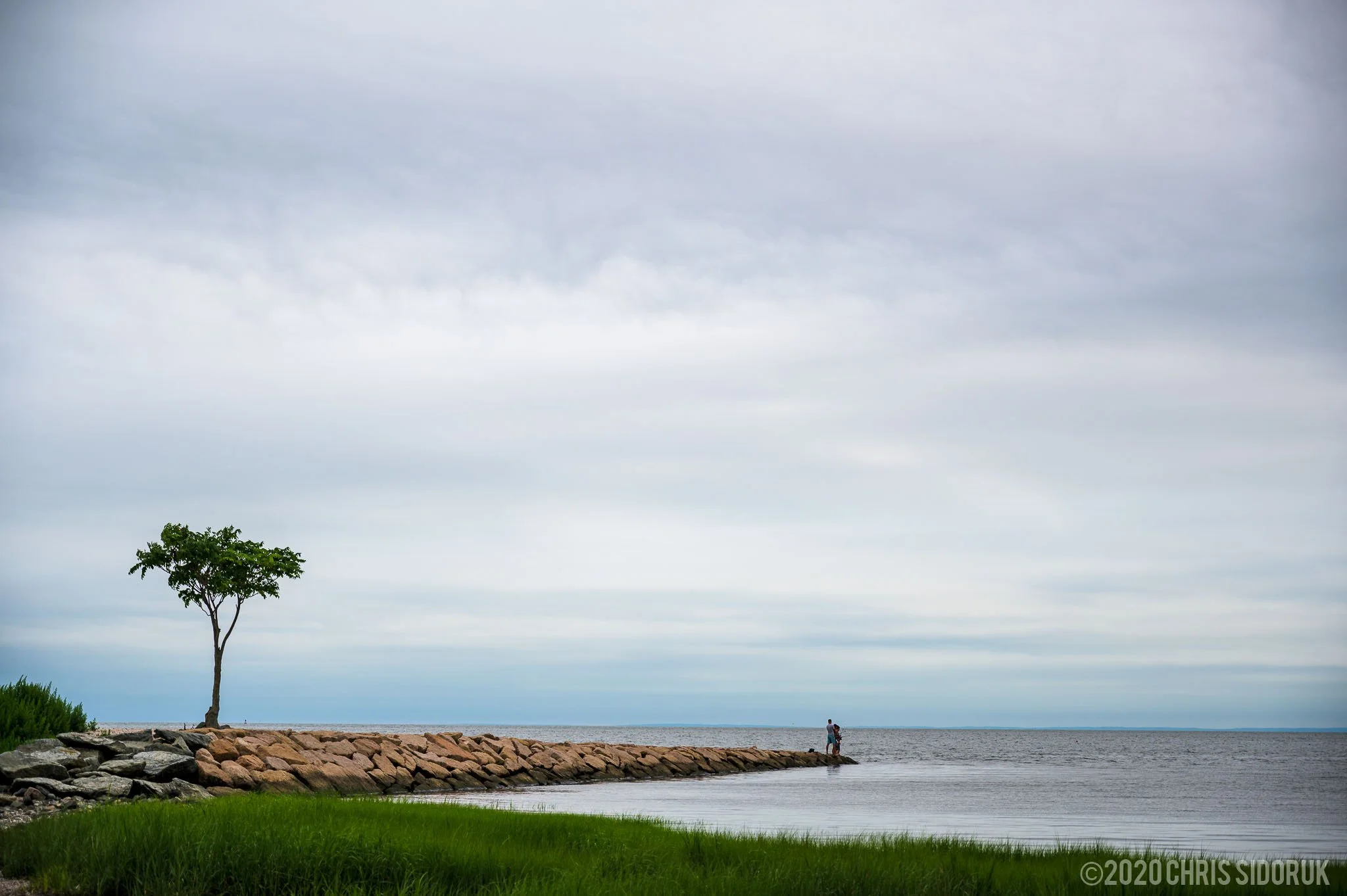
Strong composition with a clear subject anchoring the frame
Use Foreground Interest to Create Depth
One of the easiest ways to improve landscape photography composition is adding something interesting in the foreground.
Without foreground elements, many landscape images can feel flat.
Foreground creates:
depth
scale
a path into the image
a stronger connection between viewer and scene
Examples of effective foreground elements:
rocks
flowers
waves
reflections
paths
trees
textures in the ground
A wide-angle lens naturally exaggerates the relationship between foreground and background, which is why foreground composition is especially useful for landscape photography.
Foreground, Middle Ground, and Background
A strong landscape composition often contains three visual layers:
Foreground
The closest part of the image.
Examples:
rocks
plants
shoreline details
Middle Ground
The area connecting the viewer to the main subject.
Examples:
rivers
trails
fields
trees
Background
The larger scene that completes the image.
Examples:
mountains
sky
distant landscapes
When these layers work together, the image feels three-dimensional.
Instead of looking at a flat picture, the viewer feels like they can enter the scene.
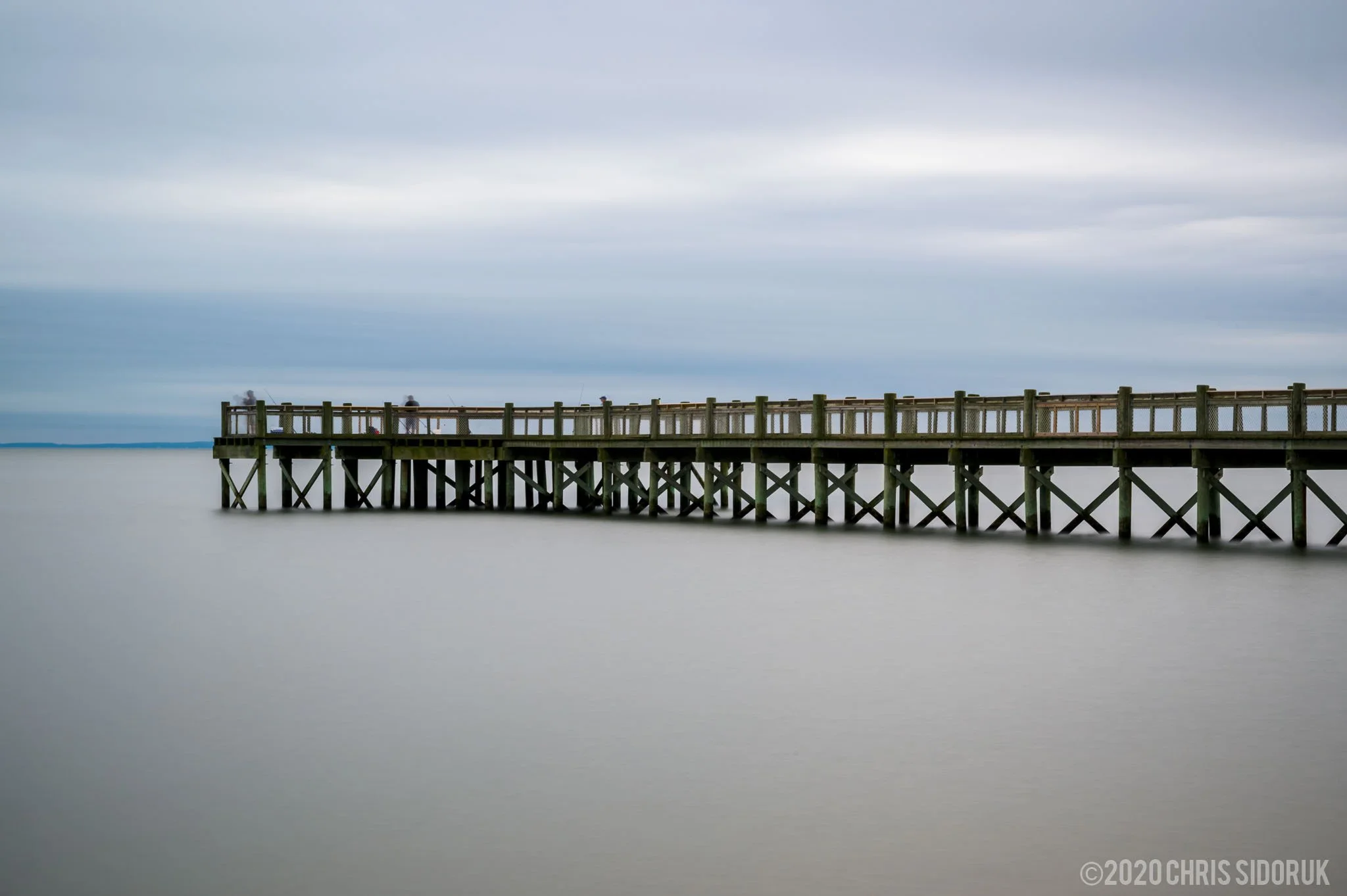
Foreground elements help create depth in a landscape scene
Creating Depth and Dimension
Landscape photography often involves large scenes.
The challenge is making a two-dimensional image feel three-dimensional.
Depth can be created through:
foreground elements
overlapping subjects
atmospheric conditions
leading lines
changes in scale
A mountain alone may look impressive in person but appear small in a photograph.
Adding a foreground element—a person, tree, rock, or path—gives the viewer something to compare against.
This creates a sense of scale.
Layering Elements Within the Scene
Layering is one of the most effective ways to create stronger compositions.
Look for:
trees overlapping mountains
waves leading toward cliffs
fog separating layers of a landscape
shadows creating different sections
The goal is to create visual separation.
Each layer should contribute something:
foreground creates entry
middle ground creates connection
background creates context
When every part of the image has a purpose, the composition feels intentional.
Change Your Perspective Before Changing Your Gear
Many photographers rely too much on zooming or changing lenses.
Often, the biggest improvement comes from simply changing your position.
Try:
moving closer
lowering your camera height
changing your angle
walking around the scene
A few steps can completely change:
foreground size
subject placement
background relationship
overall balance
The camera position is part of the composition.
Your viewpoint determines how every element interacts.
Leading Lines and Visual Flow
Leading lines are one of the most powerful composition tools in landscape photography because they guide the viewer through the image.
A strong landscape photograph does not just show a scene.
It creates a path for the viewer’s eye to follow.
Common examples of leading lines include:
roads
hiking trails
rivers
shorelines
fences
tree lines
rock formations
shadows
These elements naturally direct attention toward a subject or through the landscape.
For example:
A river moving from the foreground toward a mountain creates a visual journey.
A trail leading toward a cabin gives the viewer a sense of entering the scene.
A shoreline guiding toward a lighthouse creates direction and purpose.
Look for Natural Flow, Not Forced Lines
Leading lines do not need to be obvious.
Some of the strongest compositions use subtle visual movement.
Look for:
curves in the landscape
repeated patterns
changes in color
shadows
natural textures
A winding path is often more effective than a perfectly straight line because it creates movement and keeps the viewer engaged longer.
The goal is not to add lines just because they exist.
The goal is to use them to strengthen the story of the image.
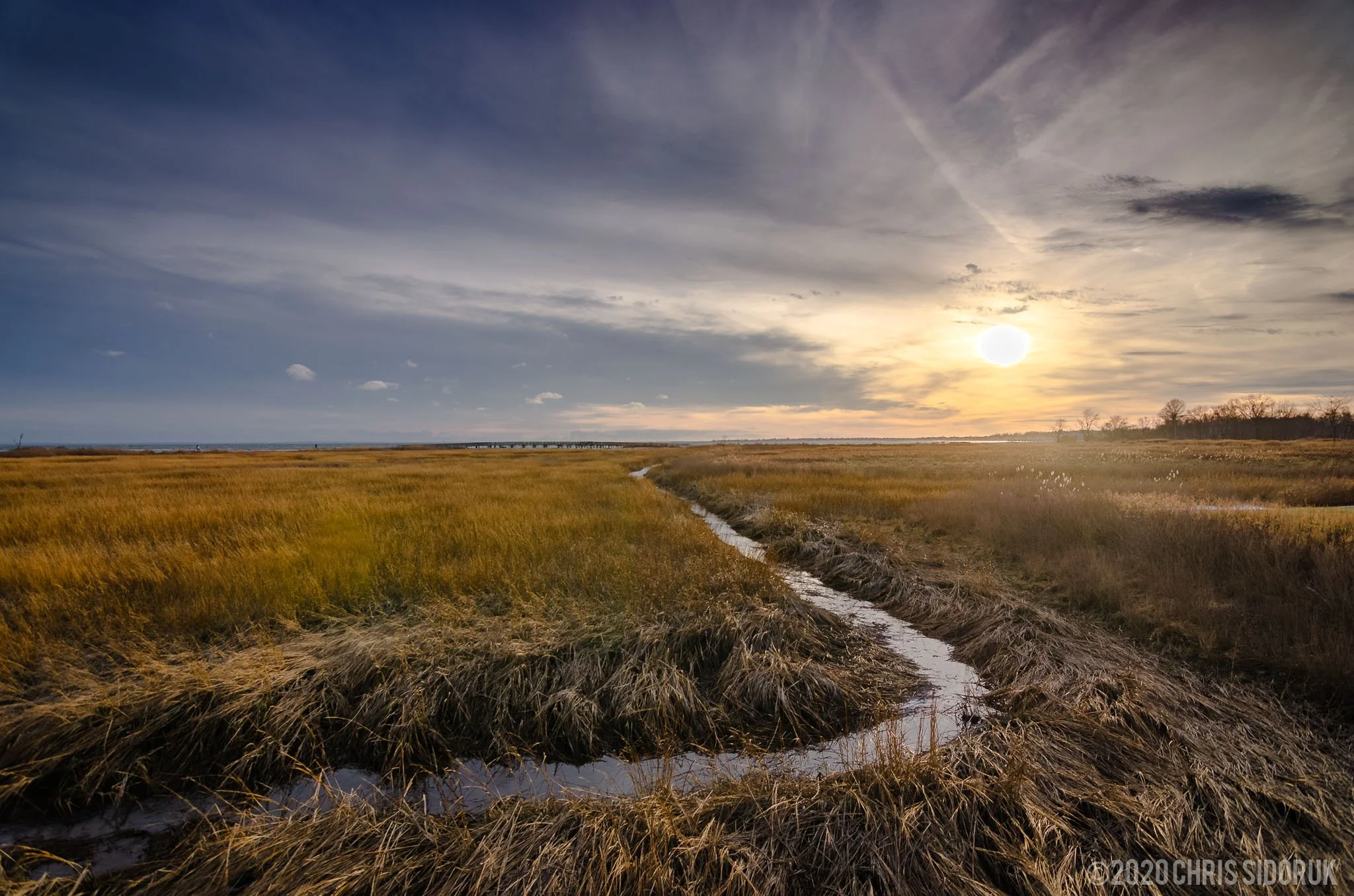
Leading lines guide the viewer through the composition
Simplifying Busy Scenes
One of the hardest skills in landscape photography is knowing what to leave out.
Many locations are visually impressive but photographically complicated.
A scene may contain:
interesting mountains
colorful vegetation
water
rocks
clouds
buildings
people
The temptation is to include everything.
But too many competing elements can weaken the image.
Strong compositions often come from simplification.
Remove Distractions Before Pressing the Shutter
Before taking a photo, scan the edges of your frame.
Look for:
bright objects pulling attention away
random branches
distracting signs
cluttered backgrounds
unwanted foreground elements
Ask:
Does this element help the story, or does it compete with the subject?
If it does not add value, consider:
changing position
adjusting focal length
reframing the image
waiting for different light
Sometimes the best composition is created by removing information.
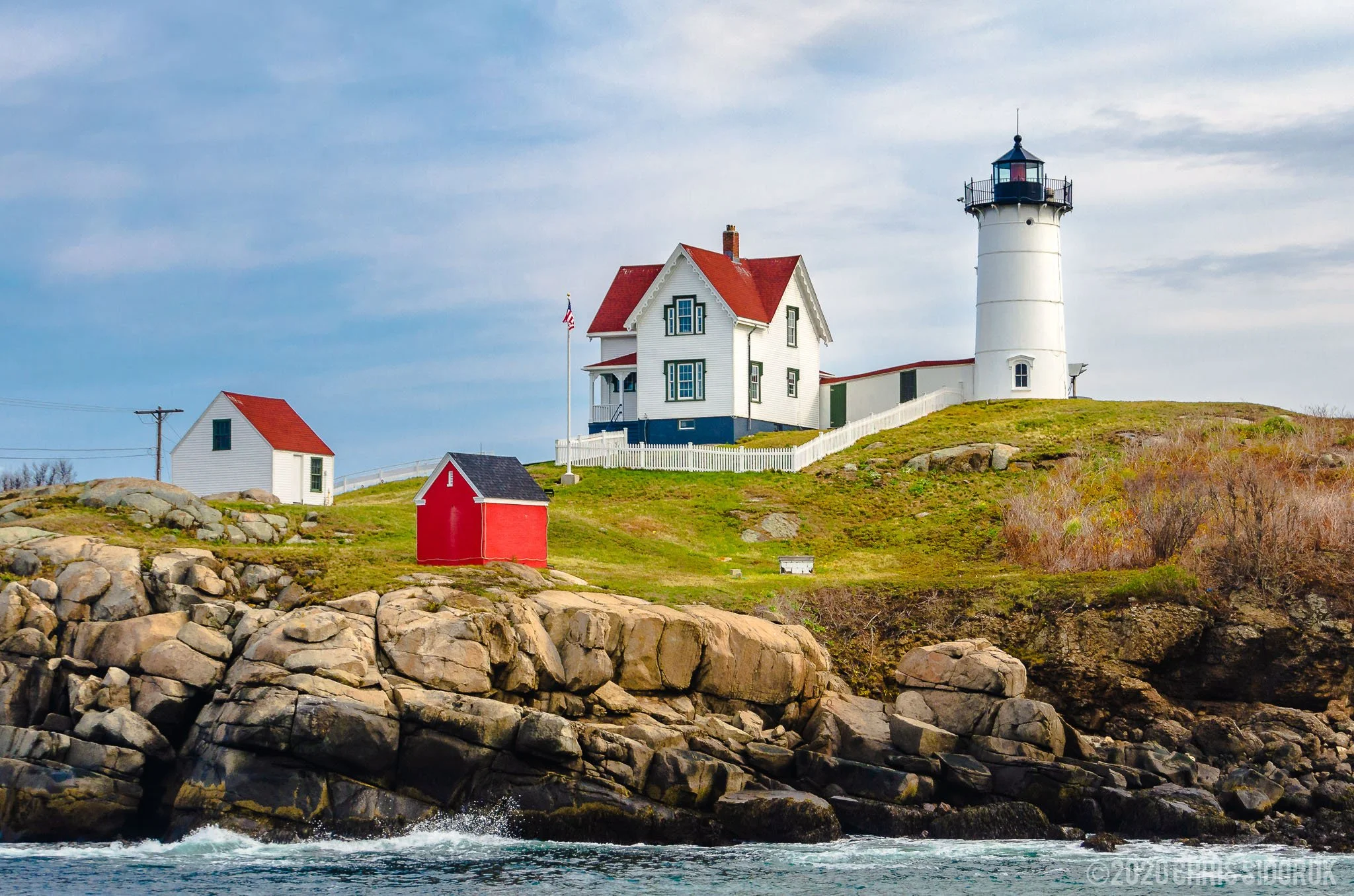
Simple compositions often create stronger images
Balance and Visual Weight
A strong landscape composition feels balanced.
That does not mean everything needs to be symmetrical.
Balance comes from how different elements interact inside the frame.
Visual weight can come from:
size
brightness
color
contrast
position
A large dark mountain on one side of an image may be balanced by:
bright clouds
a colorful sunset
a smaller but visually important subject
Think of your image like a scale.
If one side feels too heavy, the viewer may not know why the photo feels uncomfortable.
Using Asymmetry for Stronger Images
Many great landscape photographs use asymmetrical balance.
Instead of placing everything evenly, they create tension.
Examples:
a lone tree positioned away from center
a large mountain balanced by open sky
a small person adding scale against a huge landscape
Asymmetry often creates more interest because the viewer explores the frame.
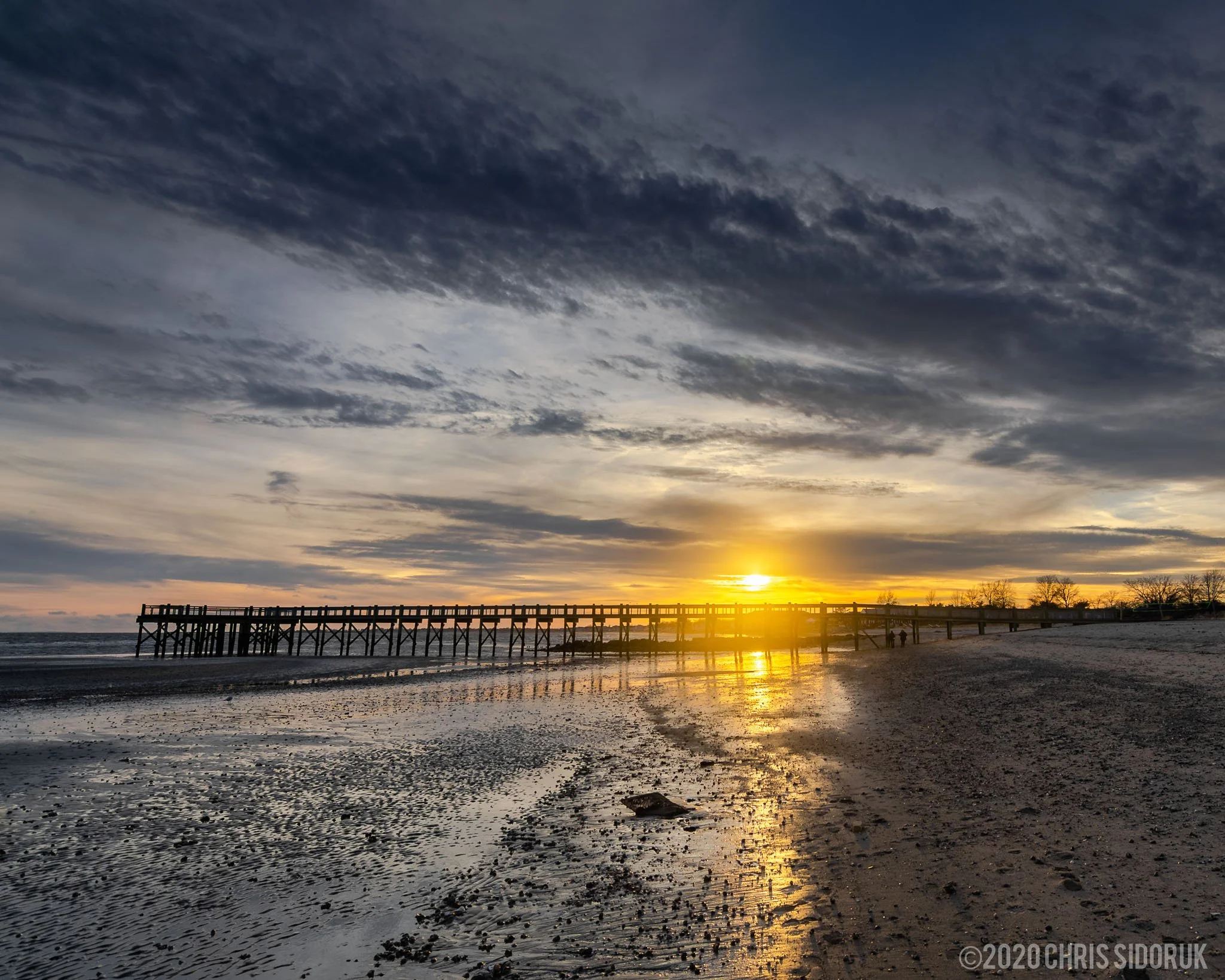
Balanced composition creates a more natural feel
Rule of Thirds: A Starting Point, Not a Rule
The rule of thirds is one of the most common composition techniques in photography.
The idea is simple:
Divide the frame into a 3x3 grid.
Place important elements along:
the grid lines
the intersection points
For landscapes, this often applies to:
horizon placement
mountain positioning
foreground subjects
For example:
A dramatic sky may work better with the horizon placed lower.
A detailed foreground may work better with the horizon placed higher.

Rule of thirds used to position key elements in the frame
When to Break Composition Rules
Composition guidelines are tools—not requirements.
Some scenes are stronger when you ignore traditional rules.
Centered compositions can work especially well for:
reflections
symmetrical landscapes
architecture
calm water scenes
A centered mountain reflection can create balance and simplicity.
A minimalist landscape with a large amount of empty space can create a feeling of isolation.
The question is not:
"Does this follow the rule?"
The better question is:
"Does this composition communicate what I want?"
Using Light and Atmosphere as Composition Tools
Composition and light are connected.
The way light falls across a landscape changes what the viewer notices.
Light can:
highlight your subject
create separation
add depth
establish mood
A simple scene with excellent light often creates a stronger image than an impressive scene with flat lighting.
Use Light to Guide Attention
Different lighting conditions create different compositional opportunities.
Golden hour can emphasize:
texture
shadows
depth
warm colors
Blue hour can emphasize:
simplicity
atmosphere
reflections
mood
Fog, mist, and clouds can also simplify a scene by reducing distractions and separating layers.
Atmosphere is not something to avoid.
It is a compositional tool.
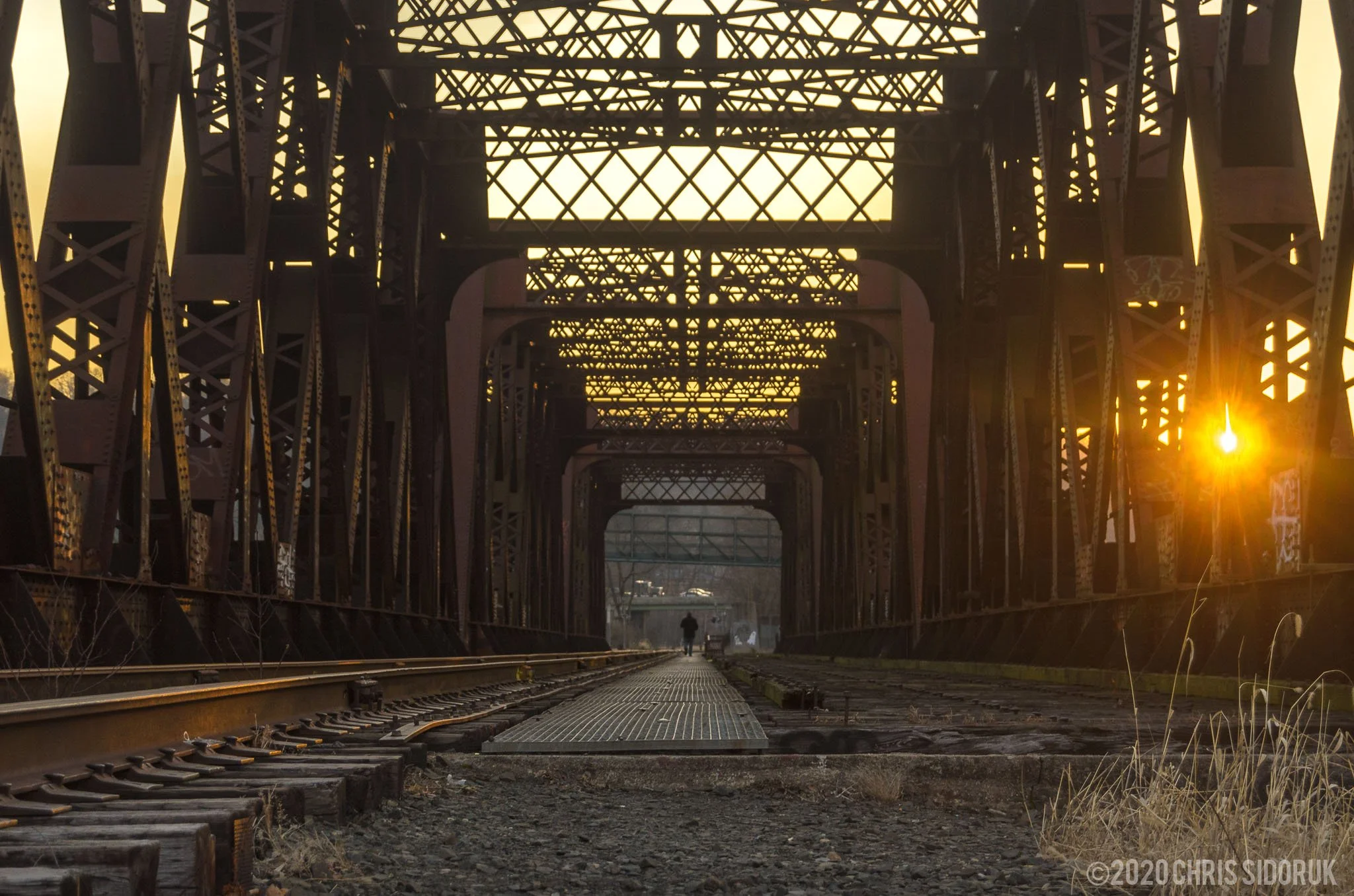
Light plays a major role in shaping composition
How Lens Choice Changes Landscape Composition
Many photographers think lenses only affect how much of the scene fits into the frame.
But focal length also changes the relationship between objects.
Your lens choice affects:
perspective
depth
subject size
visual compression
Two photographers standing in the same location can create completely different images simply by using different lenses.
👉 Related guide:
Best Focal Length for Landscape Photography
Wide Angle vs Telephoto Composition
Both wide-angle and telephoto lenses are valuable for landscapes.
The better choice depends on the story you want to tell.
Wide Angle Landscape Composition
Wide-angle lenses are excellent for:
dramatic foregrounds
large environments
immersive scenes
showing scale
Common landscape focal lengths:
14–24mm
16–35mm
They work especially well when you have:
interesting foreground
strong leading lines
a dramatic sky
The challenge:
Wide lenses include more information, which means composition becomes more important.
Telephoto Landscape Composition
Telephoto lenses are useful for:
simplifying scenes
isolating subjects
compressing distance
emphasizing patterns
Common focal lengths:
70–200mm
100–400mm
They work well for:
mountain layers
distant subjects
abstract landscapes
wildlife within landscapes
Telephoto landscapes are often more about selecting a specific part of the scene rather than capturing everything.
Vertical vs Horizontal Landscape Composition
Many photographers automatically shoot landscapes horizontally.
But vertical orientation can create powerful compositions.
Horizontal Composition
Best for:
wide vistas
mountain ranges
coastline scenes
environmental storytelling
Horizontal images often feel:
expansive
calm
open
Vertical Composition
Best for:
tall subjects
waterfalls
forests
strong foreground elements
Vertical images often create:
more depth
stronger movement
a feeling of entering the scene
Do not choose orientation based only on habit.
Choose based on what strengthens the composition.
Real-World Landscape Composition Decisions
Composition becomes easier when you think through your decisions in the field.
Here are common situations:
Mountain Landscape
Instead of simply photographing the mountain:
Look for:
foreground rocks
a trail leading toward the peak
layers of mountains
changing light
The goal is to create depth, not just record the subject.
Coastal Landscape
Instead of photographing the entire shoreline:
Consider:
waves creating leading lines
foreground textures
reflections
rocks creating depth
Coastal scenes often benefit from both wide-angle and long exposure techniques.
Forest Landscape
Forests can become visually chaotic.
Look for:
repeating patterns
pathways
light filtering through trees
isolated subjects
Simplification is often more important than including every detail.
Waterfall Landscape
Waterfalls are naturally strong subjects.
Improve the composition by adding:
foreground rocks
surrounding vegetation
leading lines from flowing water
A waterfall alone may be interesting.
A waterfall within a strong composition becomes memorable.
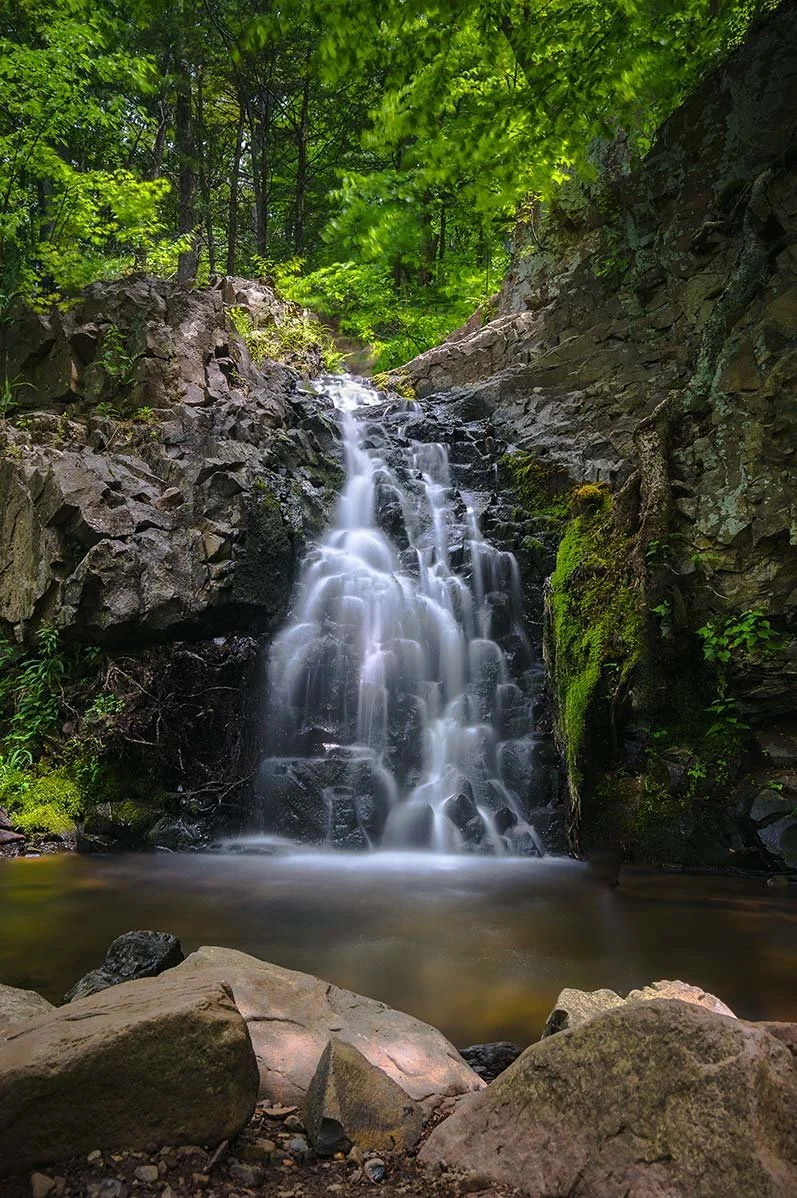
Motion can enhance composition when used intentionally
Common Landscape Photography Composition Mistakes
Even experienced photographers can create weaker images when composition is overlooked.
Many landscape photography mistakes are not caused by bad equipment or poor settings.
They happen because the photographer does not spend enough time evaluating the scene.
Here are some of the most common composition problems.
No Clear Subject
A beautiful landscape does not automatically create a strong photograph.
A common mistake is capturing a wide scene where everything competes for attention.
The viewer may see:
mountains
trees
water
clouds
rocks
but not know what they should focus on.
Before pressing the shutter, ask:
What is the main reason I want to photograph this scene?
That answer should guide your composition.
Including Too Much Information
Wide-angle lenses are popular for landscapes because they capture large scenes.
But more does not always mean better.
Too many elements can create:
visual clutter
weak focus
less impact
Try:
removing distractions
using a longer focal length
moving closer to your subject
simplifying the frame
A smaller, stronger composition often creates a better image than a larger, weaker one.
Ignoring the Foreground
Many landscape images fail because they only focus on the background.
A dramatic mountain or sunset may look impressive in person, but without depth, the final image can feel flat.
Adding foreground interest creates:
scale
depth
viewer engagement
Look for simple elements:
rocks
grass
reflections
paths
shoreline textures
Always Shooting at Eye Level
Many photographers stand in one location and never change their perspective.
This can lead to predictable compositions.
Try:
lowering the camera closer to the ground
raising the viewpoint
moving left or right
exploring different angles
Small changes in perspective can completely transform the image.
Relying Only on Wide-Angle Lenses
Wide-angle lenses are useful, but they are not automatically the best landscape choice.
They can sometimes:
make important subjects appear too small
include unnecessary distractions
weaken visual impact
Telephoto lenses can create powerful landscape images by isolating details and compressing layers.
Ignoring the Edges of the Frame
Small distractions near the edges can weaken an otherwise strong image.
Before taking the shot, check:
corners
bright objects
unwanted branches
distracting highlights
A few seconds of careful observation can make a major difference.
My Landscape Photography Composition Workflow
Strong composition becomes easier when you follow a repeatable process.
When arriving at a location, avoid immediately setting up your tripod and taking the first obvious photo.
Instead:
Step 1: Scout the Scene
Before shooting, walk around and observe.
Look for:
interesting subjects
possible foreground elements
leading lines
changing light
The first viewpoint is rarely always the strongest.
Step 2: Identify the Main Subject
Decide what the image is about.
Ask:
What captured my attention?
What should the viewer notice first?
What supports this subject?
This prevents the common mistake of creating a photograph that tries to show everything.
Step 3: Build Layers
Look for:
foreground
middle ground
background
Try to create separation between each layer.
This creates depth and makes the image feel more immersive.
Step 4: Choose the Right Focal Length
Do not automatically use your widest lens.
Consider:
Wide angle:
immersive scenes
dramatic foreground
large environments
Telephoto:
isolated subjects
mountain layers
simplified compositions
Choose the lens that matches the story.
Step 5: Adjust Your Position
Before changing settings, move.
Try:
stepping closer
changing height
shifting your angle
Often, better composition comes from your feet—not your camera.
Step 6: Wait for Better Light
A strong composition can become much better with the right conditions.
Consider waiting for:
golden hour
blue hour
passing clouds
fog
changing weather
Landscape photography rewards patience.
How Composition Works With Camera Settings
Composition decisions and camera settings are connected.
Your settings affect how you capture the scene.
Aperture and Depth
For many landscapes, photographers use smaller apertures such as:
f/8
f/11
f/16
This helps create:
more depth of field
sharpness from foreground to background
However, the sharpest aperture depends on your lens.
Avoid choosing settings only because they are traditional.
Shutter Speed and Motion
Your shutter speed affects how movement becomes part of the composition.
Faster shutter speeds can freeze:
waves
moving wildlife
blowing vegetation
Longer exposures can create:
smooth water
moving clouds
a sense of time
👉 Related guide:
How to Shoot Long Exposure Landscape Photos
ISO and Image Quality
Landscape photography often allows you to keep ISO low because subjects are usually stationary.
Lower ISO helps preserve:
detail
dynamic range
image quality
This is another reason tripods are valuable for landscape photographers.
Focus and Composition
Where you focus affects the final image.
Consider:
foreground importance
subject distance
depth of field
For complex scenes, techniques like focus stacking can help maintain sharpness throughout the image.
How Composition Works With Editing
Editing can improve a strong composition.
It cannot fix a weak one.
The strongest editing workflow enhances the decisions you already made in the field.
Useful adjustments include:
improving contrast
balancing exposure
enhancing color
reducing distractions
strengthening visual flow
Cropping for Better Composition
Cropping can help refine an image.
You may use it to:
remove distractions
improve balance
strengthen subject placement
However, cropping should be a finishing tool—not a replacement for thoughtful composition.
Using Color and Contrast
Editing can guide attention by adjusting:
brightness
contrast
saturation
shadows
For example:
A darker foreground can help guide attention toward a brighter mountain.
A subtle color adjustment can reinforce the mood of sunrise or blue hour.
Advanced Landscape Photography Composition Strategies
Once you understand the fundamentals, you can begin experimenting with more advanced approaches.
Use Scale to Create Emotion
Adding a person, vehicle, or small object can show the size of a landscape.
This creates:
perspective
drama
a stronger emotional connection
A tiny person beneath a massive mountain creates a completely different feeling than an empty landscape.
Use Negative Space Intentionally
Empty space can be powerful.
Large areas of:
sky
water
snow
fog
can create feelings of:
isolation
calmness
simplicity
Negative space is not wasted space.
It is part of the composition.
Create Visual Movement
Even still images can feel dynamic.
Movement can come from:
flowing water
curved roads
clouds
diagonal lines
The viewer’s eye should naturally move through the frame.
Photograph Multiple Compositions at One Location
A common mistake is leaving after capturing one image.
Instead, look for different interpretations.
Try:
wide landscape
vertical composition
telephoto detail
close foreground shot
One location can produce many different stories.
Final Thoughts
Landscape photography composition is not about following a list of rules.
It is about learning how to see.
The strongest images usually come from photographers who:
slow down
simplify the scene
identify a clear subject
use light intentionally
make deliberate choices
You do not need the most expensive camera or the most dramatic location.
You need:
awareness
patience
thoughtful framing
Composition is one of the most valuable skills you can develop because it improves every photograph you take.
The more you practice seeing, the easier it becomes to create images that feel intentional instead of accidental.
Frequently Asked Questions
What is the most important rule in landscape photography composition?
The most important element is having a clear subject.
A strong landscape photograph should immediately communicate what the viewer should notice.
Everything else—foreground, leading lines, and lighting—should support that subject.
Do landscape photos always need foreground interest?
No.
Foreground is a useful tool for creating depth, but it is not required.
Some powerful landscape images rely on:
minimalism
atmosphere
strong subjects
dramatic lighting
Use foreground when it improves the story of the image.
Is the rule of thirds always necessary in landscape photography?
No.
The rule of thirds is a helpful starting point, but it should not limit creativity.
Centered compositions, symmetry, and unconventional framing can create stronger images depending on the scene.
Are wide-angle lenses best for landscape photography?
Not always.
Wide-angle lenses are excellent for:
large scenes
dramatic foregrounds
immersive compositions
Telephoto lenses can be better for:
mountain layers
isolated subjects
simplified scenes
The best lens depends on the story you want to tell.
How do I make landscape photos more interesting?
Focus on:
stronger composition
better light
clear subjects
intentional framing
Interesting locations help, but strong decisions create memorable images.
Why do my landscape photos look flat?
Landscape images often look flat because they lack:
depth
foreground interest
separation between elements
directional light
Adding layers and using better positioning can make scenes feel more three-dimensional.
Should I use a tripod for landscape photography?
A tripod is highly recommended, especially for:
sunrise and sunset photography
long exposures
low-light conditions
focus stacking
It allows more control over composition and camera settings.
How can I improve my landscape photography composition?
The best way is practicing intentional shooting.
Before pressing the shutter, ask:
What is my subject?
What leads the viewer through the image?
What distractions can I remove?
Does the composition support the story?
==========
All photographs © Chris Sidoruk. Images are protected by copyright and may not be used, copied, modified, or redistributed without written permission.
Related Resources
Continue improving your landscape photography:
