

Silver Sands State Park Photography Guide | Milford CT
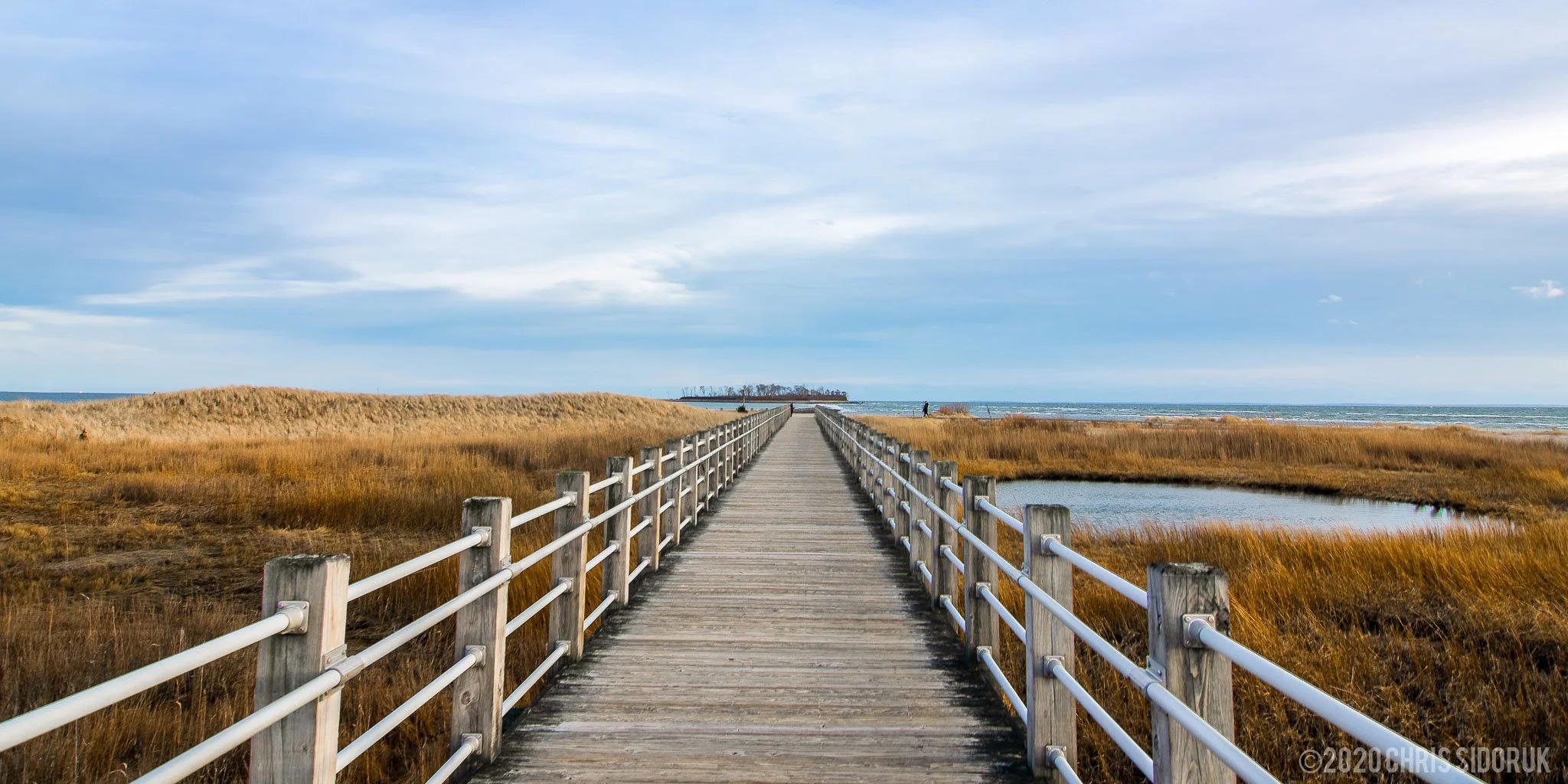
The boardwalk, featured in this coastal scene, creates a strong leading line through the marsh.
==========
Silver Sands State Park is one of Connecticut's premier coastal photography destinations, offering expansive shoreline views, tidal marshes, a scenic boardwalk, and one of the state's most recognizable landmarks—Charles Island.
Located along Long Island Sound in Milford, Connecticut, the park changes dramatically throughout the day as tides rise and fall, weather moves across the coast, and light transforms the shoreline. A calm sunrise can produce mirror-like reflections across wet sand, while an approaching storm may create dramatic waves and textured skies only hours later.
Unlike many photography locations that rely on a single viewpoint, Silver Sands rewards repeat visits. The boardwalk, beach, marsh, tidal flats, and Walnut Beach each offer a different perspective, allowing photographers to create a wide variety of images throughout the year.
This guide explains what to expect when photographing Silver Sands State Park, including seasonal changes, lighting conditions, recommended camera gear, and practical planning advice. If you're looking for detailed composition ideas and exact shooting locations, be sure to explore the companion guide covering the best photo spots at Silver Sands State Park.
Silver Sands State Park Photography Guide
Silver Sands State Park occupies a unique stretch of Connecticut coastline where several distinct landscapes meet.
Within a relatively short walk, photographers can capture:
sandy beaches
tidal marshes
Long Island Sound
the Walnut Beach pier
Charles Island
coastal wildlife
seasonal vegetation
changing tides and reflections
Because these environments sit side by side, the park rarely feels repetitive. Small changes in weather, water level, or lighting can completely alter how the landscape appears.
This variety makes Silver Sands equally appealing to:
landscape photographers
nature photographers
bird photographers
long exposure photographers
coastal travelers
anyone looking to experience one of Connecticut's most scenic state parks
Why Photograph Silver Sands State Park?
Silver Sands is one of the few Connecticut locations where changing environmental conditions become the primary photographic subject.
Instead of relying on a single dramatic landmark, the park offers a constantly evolving landscape shaped by:
tidal movement
shifting cloud cover
seasonal vegetation
reflections
wind
shoreline textures
The result is a location that rarely produces the same photograph twice.
Some visits may feature calm water reflecting pastel sunrise colors. Others may emphasize crashing waves, dramatic clouds, or minimal fog drifting across Long Island Sound.
Photographers who return throughout the year often discover that the strongest images come from changing conditions rather than perfect weather.
Boardwalk & Marsh Photography
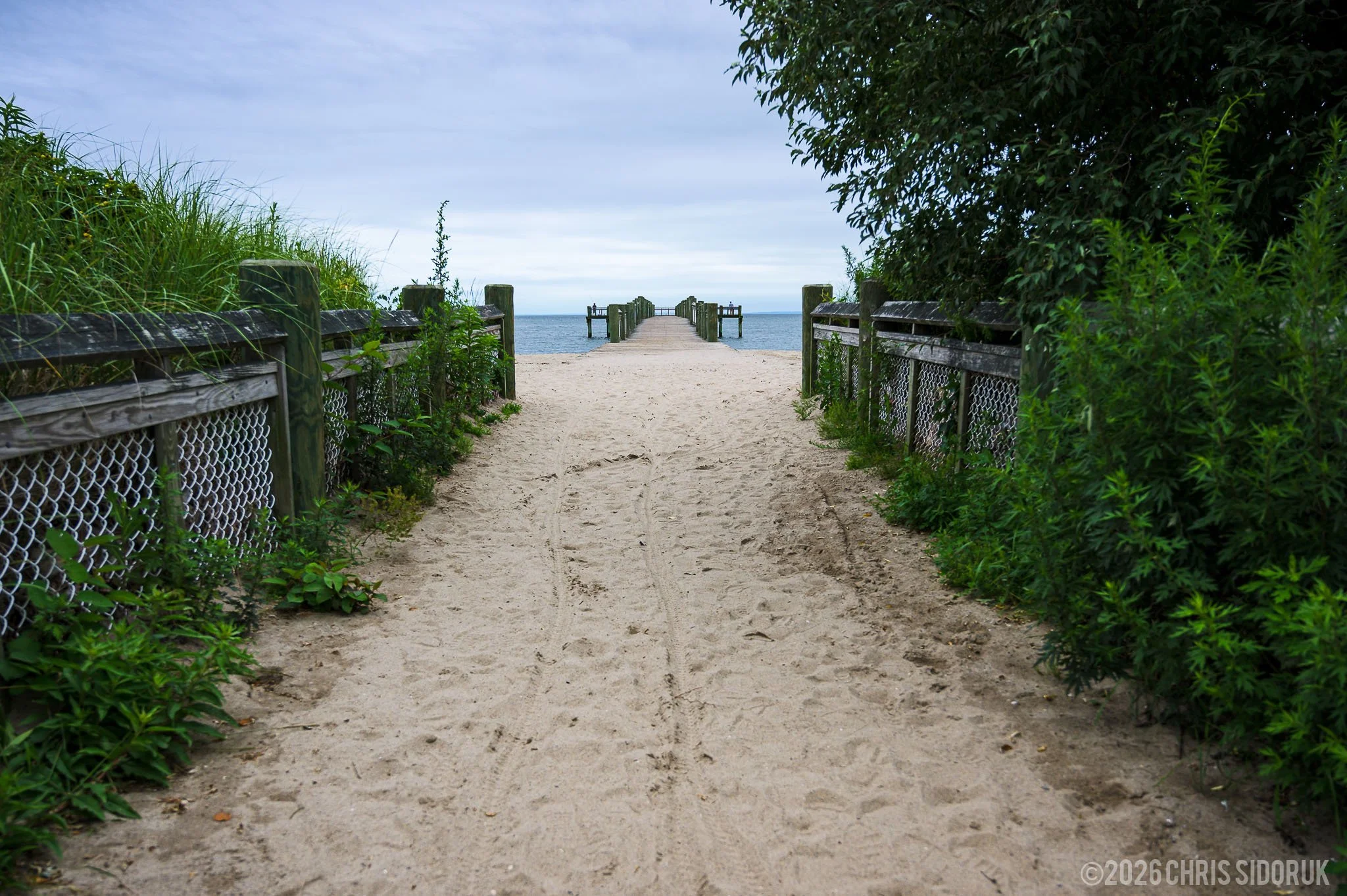
One of Silver Sands State Park's defining features is the elevated boardwalk connecting the parking area to the shoreline.
Rather than simply serving as a path to the beach, the boardwalk provides its own photographic opportunities.
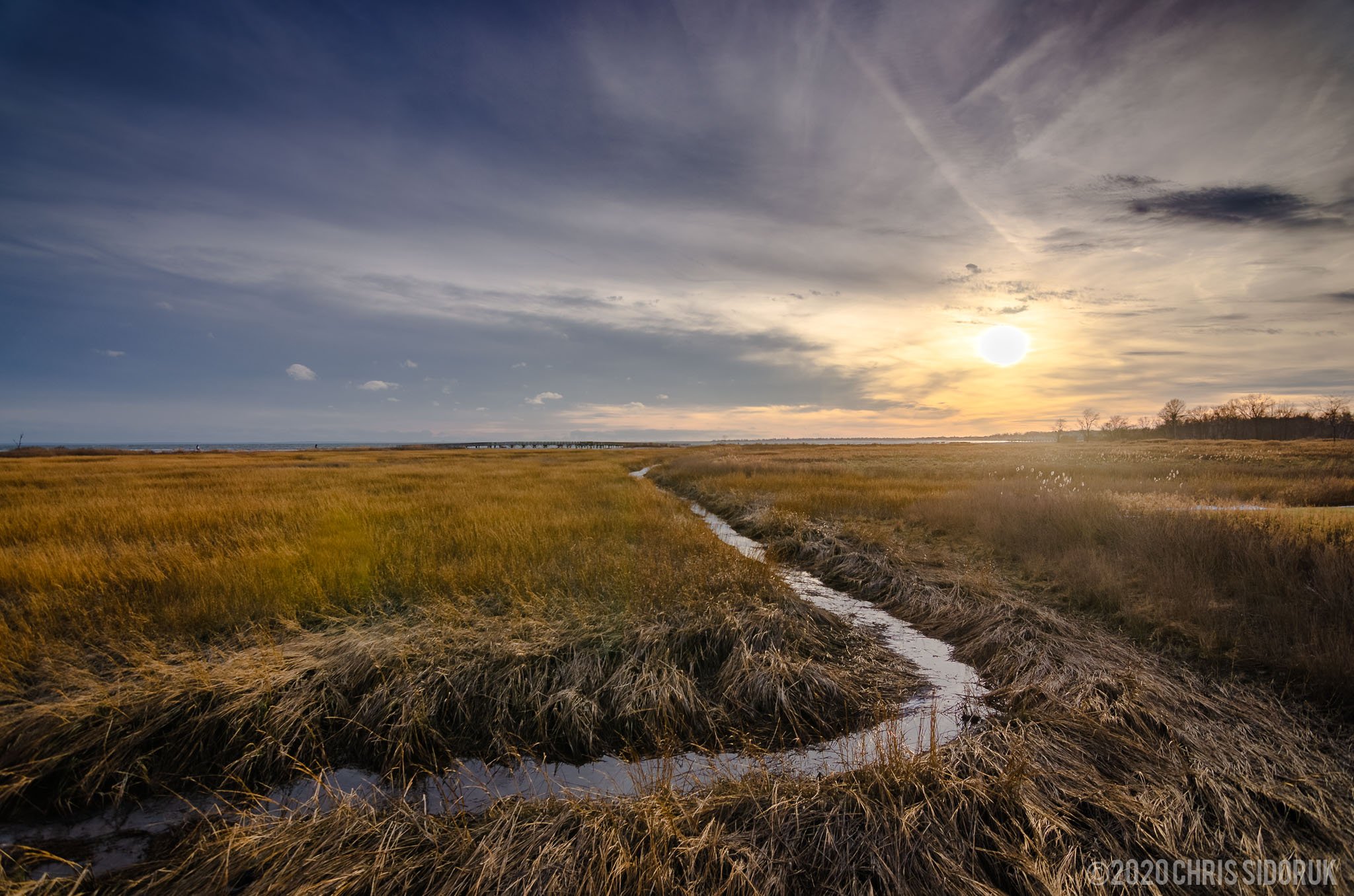
The surrounding tidal marsh changes continuously throughout the day.
During low tide, exposed grasses and channels create intricate patterns leading toward the Sound. As water levels rise, reflections begin replacing texture, giving the marsh a completely different appearance.
Morning often brings calm conditions that emphasize symmetry and subtle color transitions, while windy afternoons introduce movement throughout the grasses.
Photographers should pay attention to:
repeating boardwalk lines
marsh textures
reflections after higher tides
wildlife activity
changing cloud formations overhead
Even before reaching the beach, the boardwalk offers numerous opportunities for compelling landscape compositions.
Silver Sands & Walnut Beach Shoreline
Beyond the marsh, the landscape opens dramatically as Silver Sands transitions into Walnut Beach.
Here the emphasis shifts from intimate marsh scenes to expansive coastal views.
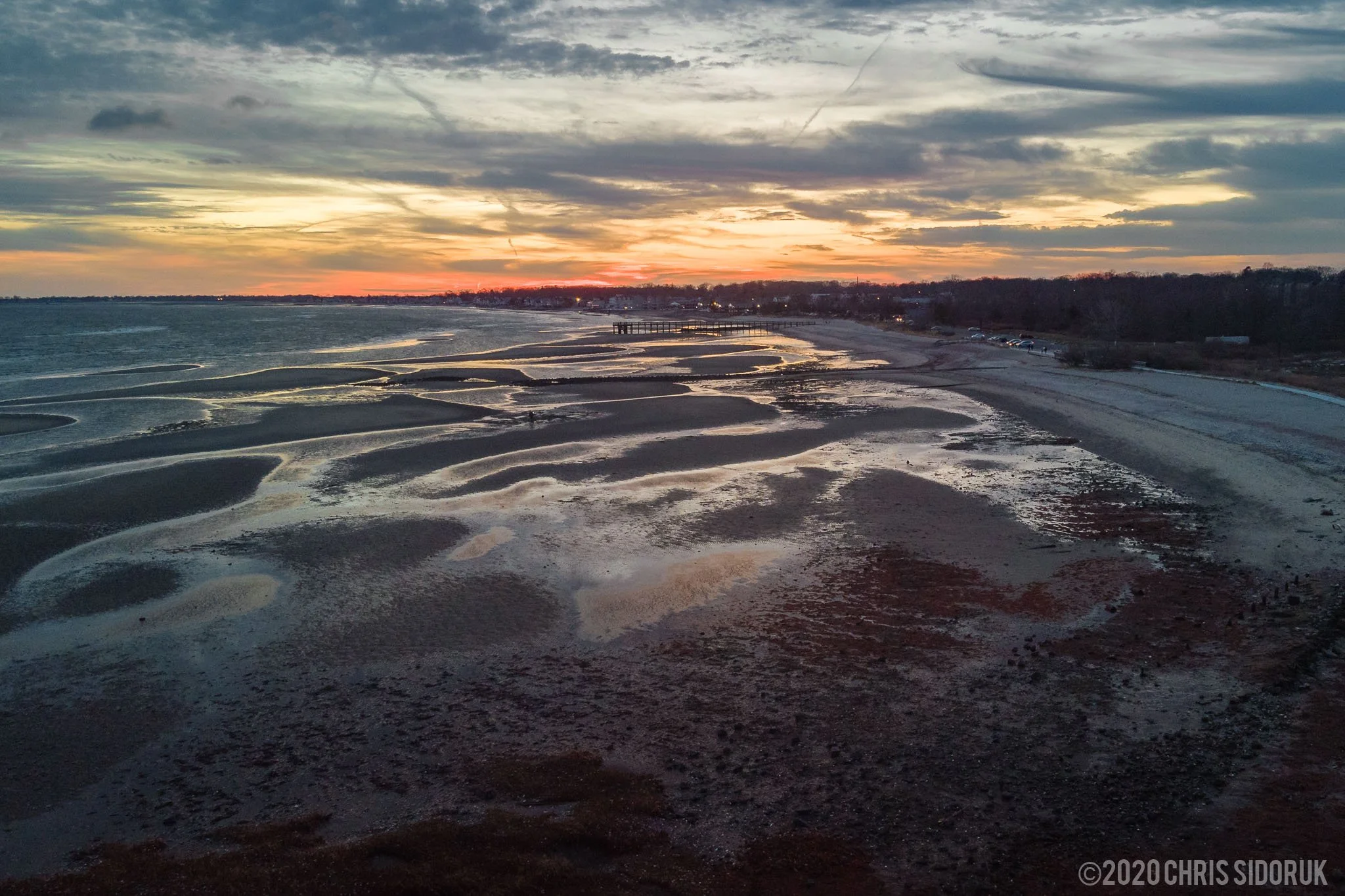
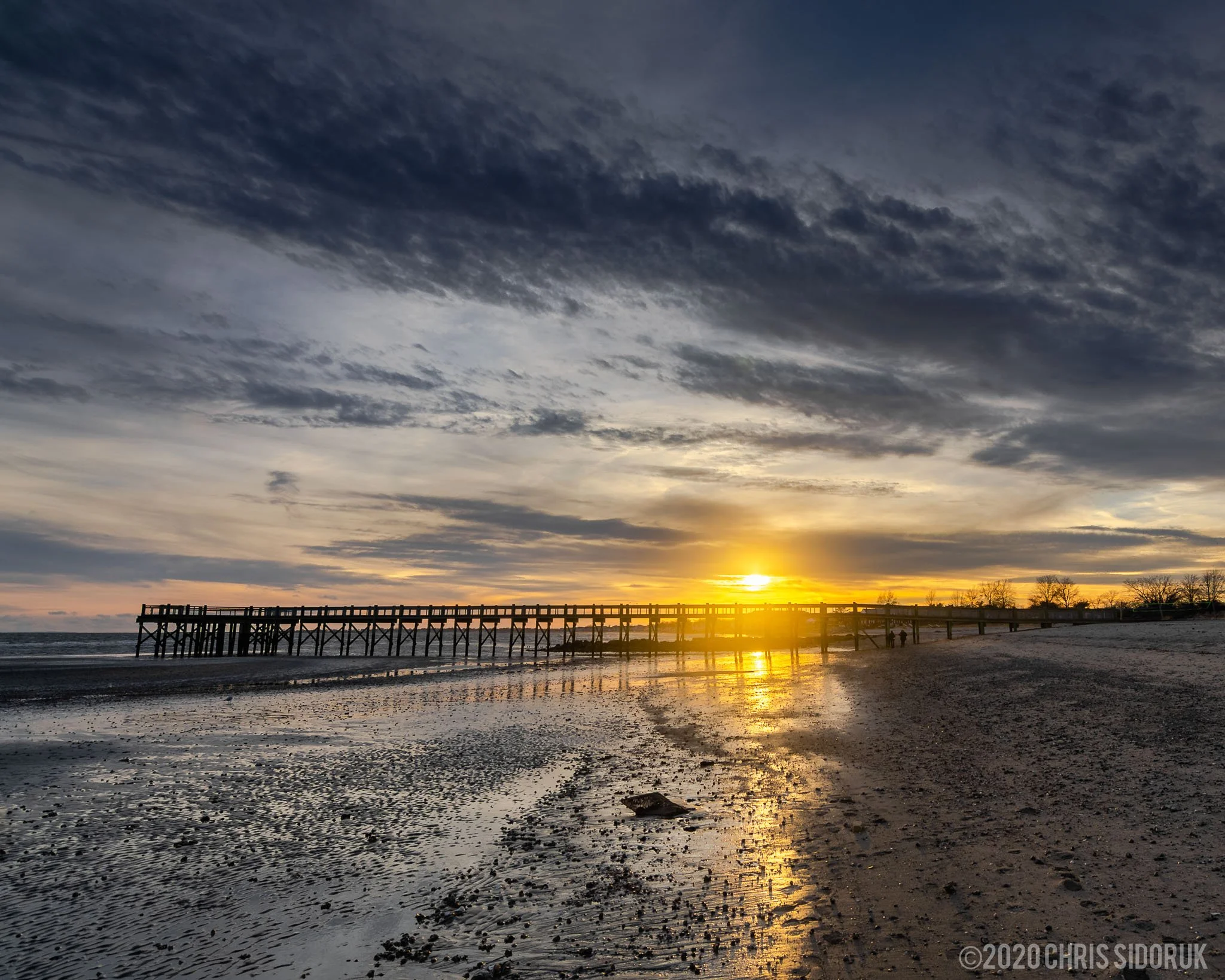
At low tide, broad stretches of wet sand create natural reflections that mirror the sky and surrounding light. These reflective surfaces often become one of the strongest compositional elements in the park, particularly during sunrise and sunset.
As the tide rises, the shoreline becomes more defined. Waves move closer to the beach, reducing reflective foregrounds while increasing opportunities to photograph water movement with longer shutter speeds.
The Walnut Beach pier provides another visual anchor, adding structure to otherwise open coastal scenes and creating strong leading lines during both calm and active conditions.
Throughout the year, this section of shoreline offers excellent opportunities for:
wide-angle coastal landscapes
long exposure photography
wave detail
reflections
minimalist compositions
dramatic skies over Long Island Sound
The combination of open water, changing tides, and accessible shoreline makes this one of Connecticut's most rewarding coastal photography locations.
Photographing Charles Island
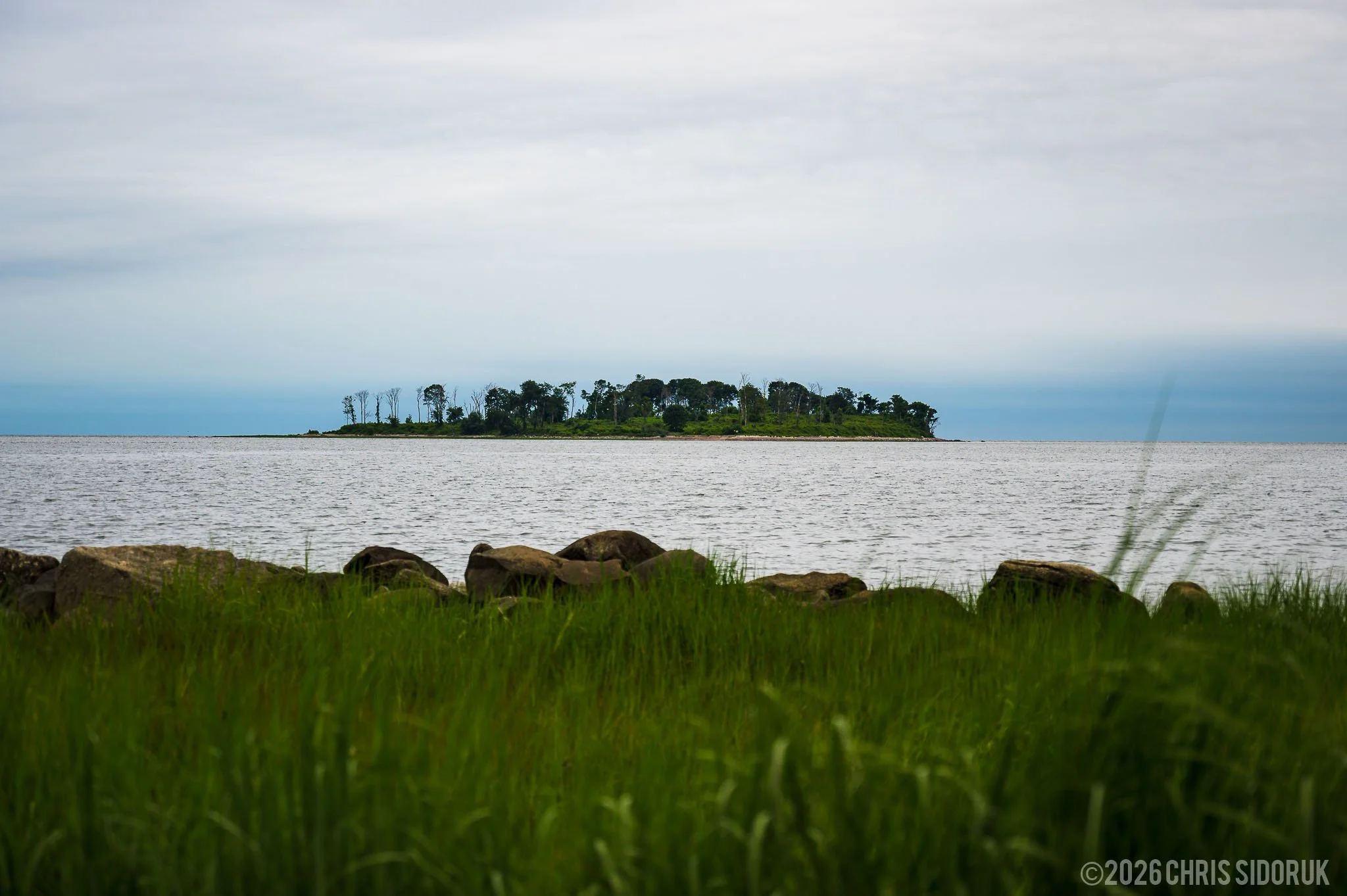
No feature defines Silver Sands State Park more than Charles Island.
Located just offshore, the island serves as the visual centerpiece of the park and provides photographers with a consistent subject that changes dramatically depending on tides, weather, and lighting.
Unlike many Connecticut coastal locations, Charles Island remains visually dominant from nearly every point along the shoreline, allowing photographers to incorporate it into both wide landscapes and tighter compositions.
Because the island sits isolated in Long Island Sound, it naturally draws the viewer's eye while providing a strong sense of scale throughout the scene.
Photographing Charles Island at Low Tide
Low tide completely changes the appearance of Silver Sands.
As water recedes, broad tidal flats emerge between the mainland and Charles Island, creating one of Connecticut's most recognizable coastal landscapes.
Photographic opportunities include:
expansive reflections
textured wet sand
leading lines created by tidal channels
minimalist shoreline compositions
dramatic foreground detail
The combination of reflective sand and soft sunrise light often produces some of the park's strongest landscape photographs.
Photographing Charles Island at High Tide
High tide creates a very different visual experience.
Instead of emphasizing reflections and exposed shoreline, the water moves much closer to the beach, producing cleaner compositions with greater emphasis on the island itself.
High tide works particularly well for:
wave action
long exposure photography
simplified coastal scenes
dramatic skies
telephoto compositions
Neither tide is inherently better—the conditions simply create different photographic possibilities.
Charles Island Wildlife Closure
While Charles Island is a striking photographic subject, visitors should remember that access restrictions help protect nesting birds and other wildlife.
The sandbar connecting Silver Sands State Park to Charles Island is closed annually from May 1 through August 31 to protect sensitive bird nesting habitat.
Even outside the seasonal closure, anyone considering crossing the sandbar should carefully monitor tide conditions. Rising water can quickly cut off the return route, and rescues occur almost every year when visitors underestimate the speed of incoming tides.
For most photographers, the best approach is to enjoy and photograph Charles Island from the mainland, where the elevated boardwalk and shoreline provide outstanding views throughout the year.
Best Light, Weather & Tides
One of Silver Sands State Park's greatest strengths is that the location performs well in almost every type of weather.
Instead of waiting for "perfect" conditions, photographers often find the most interesting images by embracing whatever the Connecticut coastline provides.
Understanding how light, weather, and tides influence the landscape will consistently improve your results.
Sunrise
Sunrise is often considered the best overall time to photograph Silver Sands.
Early mornings typically offer:
fewer visitors
calmer wind
softer light
stronger reflections
quieter atmosphere
The low angle of the sun creates subtle color transitions across the sand, marsh, and Long Island Sound while reducing harsh contrast.
During calm mornings, reflections on wet sand can become one of the strongest compositional elements in the park.
Midday
Although many photographers avoid midday, Silver Sands can still produce worthwhile images.
Bright overhead light emphasizes:
shoreline texture
dune grasses
marsh detail
cloud formations
wildlife activity
Polarizing filters can also help reduce glare across wet sand and water during brighter conditions.
Sunset
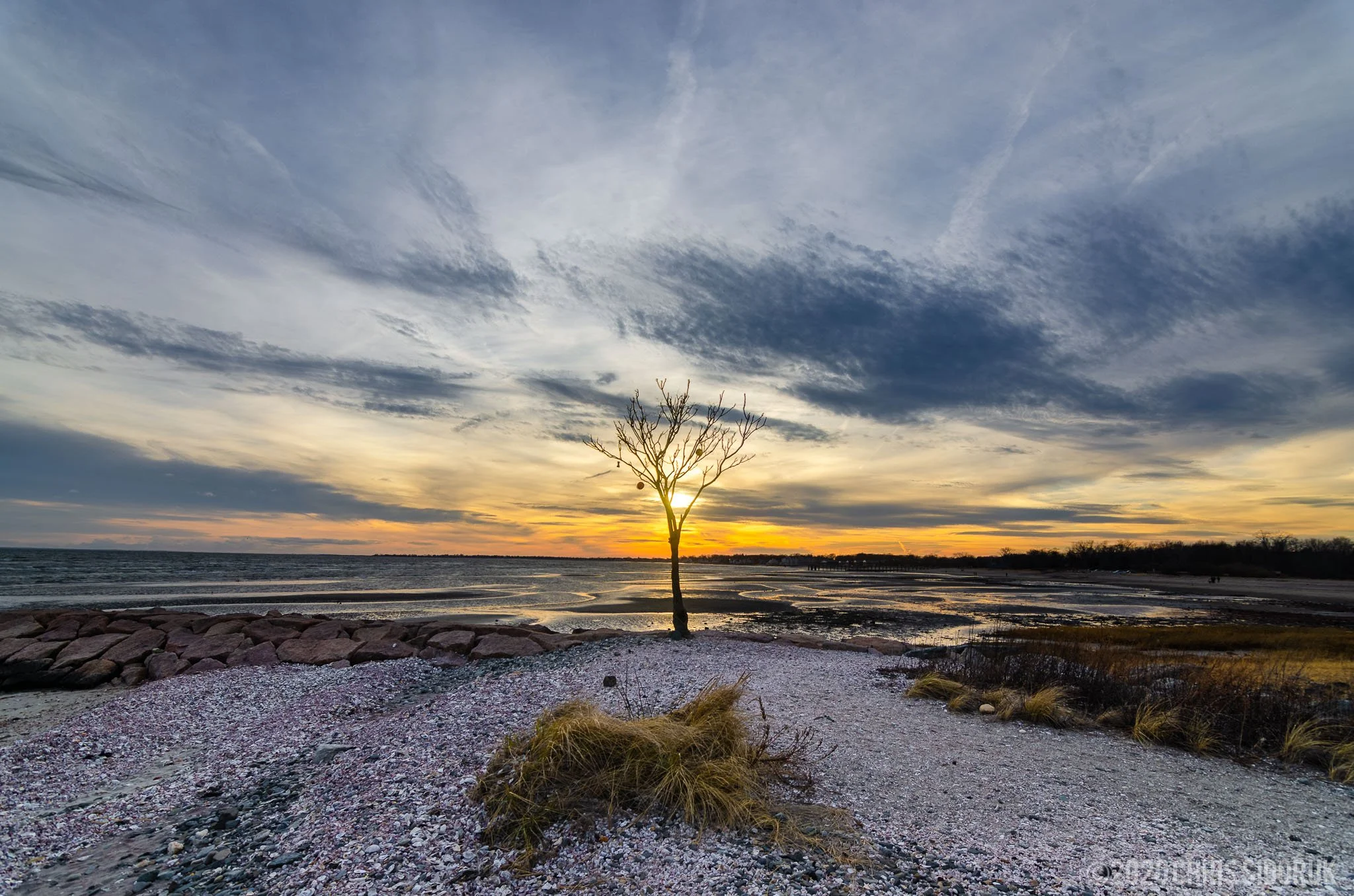
Sunset introduces warmer tones across the shoreline and often creates more dramatic skies over Long Island Sound.
As the sun lowers, directional light begins revealing texture in:
sand patterns
tidal pools
waves
beach grasses
driftwood
Depending on cloud cover, sunset can range from soft pastel colors to dramatic orange and red skies stretching across the Sound.
Blue Hour
The period immediately before sunrise and after sunset often produces some of the park's most peaceful photographs.
Blue hour is particularly effective for:
minimalist landscapes
long exposure photography
calm water
subtle color gradients
atmospheric shoreline scenes
Because Silver Sands has relatively open horizons, blue hour light often lasts longer than photographers expect.
Understanding the Tides
Few Connecticut photography locations are influenced by tides as much as Silver Sands State Park.
A difference of only a few hours can completely transform the landscape.
Low Tide
Low tide typically creates:
expansive tidal flats
reflective foregrounds
exposed textures
leading lines
access to views toward Charles Island
Photographers interested in reflections often prefer arriving shortly after low tide.
Mid Tide
As water gradually returns, tidal pools and channels begin forming across the shoreline.
This stage often creates:
layered foreground interest
wave detail
reflections mixed with texture
dynamic compositions
High Tide
High tide simplifies the landscape.
Instead of broad foreground reflections, photographers work with:
stronger wave action
cleaner compositions
compressed shoreline
long exposure opportunities
Each tide stage creates its own photographic strengths.
Checking tide charts before visiting can dramatically improve planning and help photographers match conditions to the type of images they hope to create.
Weather Makes the Photograph
Many visitors assume sunny weather creates the best coastal photographs.
At Silver Sands, the opposite is often true.
Changing weather frequently produces the strongest images.
Clear Skies
Best for:
colorful sunrises
sunsets
reflections
clean horizons
Broken Clouds
Cloud cover often adds depth and texture to otherwise simple coastal scenes.
Broken clouds create opportunities for:
dramatic light rays
layered skies
changing light across the water
balanced exposure
Overcast Conditions
Overcast weather softens contrast across the landscape.
These conditions work especially well for:
marsh photography
long exposures
wildlife
subtle shoreline colors
Fog
Fog transforms Silver Sands into an entirely different location.
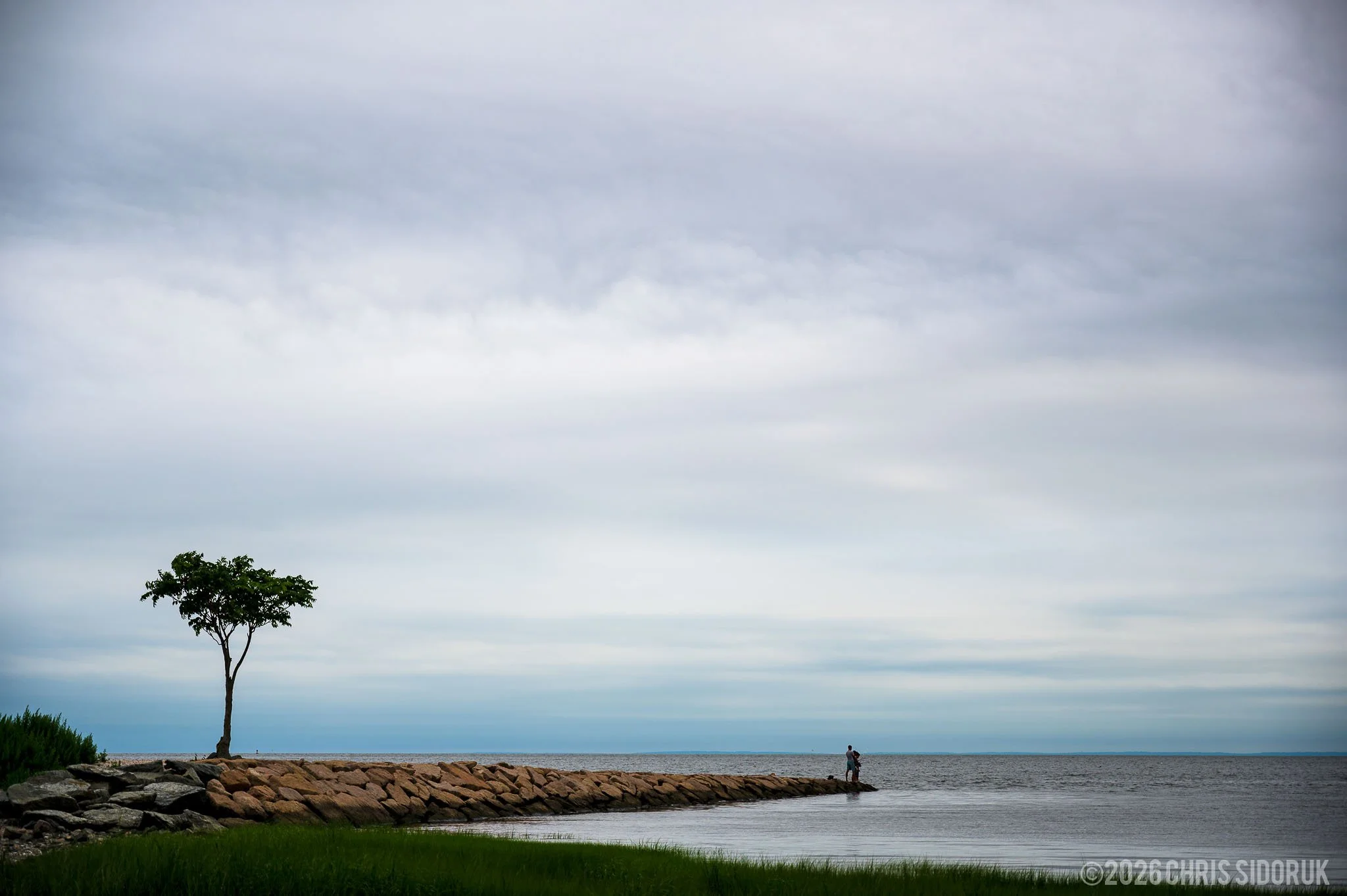
The normally expansive coastline becomes intimate and minimal.
Photographers can create images emphasizing:
isolated subjects
silhouettes
muted colors
simplified compositions
atmospheric mood
Many photographers consider fog to be one of the most rewarding conditions at Silver Sands because familiar scenes become almost unrecognizable.
Why Conditions Matter More Than Camera Gear
While quality equipment certainly helps, the biggest factor influencing photographs at Silver Sands is not the camera—it's the environment.
Returning under different conditions will have a far greater impact on your portfolio than upgrading equipment.
The same boardwalk, beach, or view of Charles Island can produce completely different images depending on:
tide level
cloud cover
wind
season
time of day
visibility
Photographers who revisit Silver Sands throughout the year quickly realize that patience and timing consistently matter more than owning the newest camera.
Seasonal Photography Guide
One of the reasons Silver Sands State Park remains a favorite among Connecticut photographers is that no two seasons look alike.
Unlike mountain landscapes where fall often dominates, Silver Sands offers worthwhile photography throughout the entire year. Changes in vegetation, weather, tidal behavior, and visitor activity continually reshape the landscape.
Returning during different seasons often produces a more diverse portfolio than revisiting under identical conditions.
Spring
Spring marks the return of color to the Connecticut shoreline.
Fresh marsh grasses begin emerging, migratory birds become more active, and changing weather patterns introduce dramatic skies over Long Island Sound.
Spring photography often features:
vibrant marsh vegetation
active wildlife
changing cloud formations
cooler sunrise colors
fewer crowds than summer
Frequent passing weather systems also create excellent opportunities for dramatic light following rain showers.
Summer
Summer brings the busiest visitor season but also offers long daylight hours and consistently accessible conditions.
Popular subjects include:
Charles Island
beach activity
sunrise over calm water
colorful sunsets
coastal wildlife
Early mornings remain the best time for photographers hoping to avoid crowds while enjoying softer light and calmer wind.
Despite increased visitation, Silver Sands is large enough that photographers can often find quieter sections of shoreline with a short walk.
Fall
Autumn transforms the park without changing its overall character.
Rather than vibrant mountain foliage, fall introduces more subtle seasonal color throughout the marsh grasses and surrounding vegetation.
Benefits of fall photography include:
cooler temperatures
lower humidity
improved visibility
fewer visitors
comfortable shooting conditions
Combined with dramatic cloud formations that frequently accompany autumn weather systems, fall often produces some of the year's most balanced landscape conditions.
Winter
Winter offers perhaps the park's most underrated photography season.
Without dense vegetation or large crowds, the structure of the landscape becomes more apparent.
Photographers often discover:
cleaner compositions
dramatic skies
textured shoreline
minimalist scenes
occasional snow-covered beaches
Strong winter storms can also produce powerful wave action across Long Island Sound, creating dynamic coastal photographs unavailable during calmer seasons.
Seasonal Comparison
| Season | Best Subjects | Typical Conditions |
|---|---|---|
| Spring | Marsh, wildlife, fresh vegetation | Variable weather, active skies |
| Summer | Sunrise, Charles Island, beaches | Long days, larger crowds |
| Fall | Marsh color, sunsets, dramatic skies | Comfortable temperatures, excellent visibility |
| Winter | Minimalism, storms, shoreline texture | Quiet conditions, dramatic atmosphere |
Spring
Best Subjects: Marsh, wildlife, fresh vegetation
Typical Conditions: Variable weather, active skies
Summer
Best Subjects: Sunrise, Charles Island, beaches
Typical Conditions: Long days, larger crowds
Fall
Best Subjects: Marsh color, sunsets, dramatic skies
Typical Conditions: Comfortable temperatures, excellent visibility
Winter
Best Subjects: Minimalism, storms, shoreline texture
Typical Conditions: Quiet conditions, dramatic atmosphere
Each season offers something different, making Silver Sands one of Connecticut's most rewarding locations for photographers who return throughout the year.
Best Camera Gear for Silver Sands Photography
Silver Sands doesn't require specialized equipment, but the right gear can make photographing changing coastal conditions significantly easier.
Because subjects range from expansive landscapes to wildlife and distant details on Charles Island, versatility is more valuable than carrying the largest possible kit.
Camera Bodies
Almost any modern interchangeable-lens camera performs well here.
Ideal choices include:
Full-frame mirrorless cameras
APS-C mirrorless cameras
DSLRs with good dynamic range
Weather sealing is particularly valuable near saltwater, especially during windy conditions when ocean spray becomes more common.
Wide-Angle Lenses
Wide-angle lenses are the foundation of most Silver Sands photography.
Recommended focal lengths include:
14–24mm
16–35mm
17–28mm
These lenses work especially well for:
boardwalk compositions
marsh landscapes
beach scenes
dramatic skies
foreground reflections
Standard Zoom Lenses
A mid-range zoom often becomes the most-used lens during a visit.
Recommended focal lengths:
24–70mm
24–105mm
This range provides flexibility for:
shoreline scenes
Charles Island
environmental compositions
pier photography
changing weather conditions
Many photographers could comfortably photograph an entire visit using only this focal range.
Telephoto Lenses
Longer focal lengths allow photographers to isolate details that aren't immediately obvious.
Recommended options include:
70–200mm
100–400mm
180–600mm (for wildlife)
Telephoto lenses work well for:
distant waves
Charles Island details
seabirds
compressed shoreline compositions
abstract coastal scenes
Essential Filters
Coastal photography often benefits more from filters than additional lenses.
Circular Polarizer
A polarizing filter helps reduce glare while increasing contrast.
Benefits include:
richer sky color
reduced reflections
improved water clarity
enhanced cloud definition
It's especially useful during bright daytime conditions.
Neutral Density Filters
ND filters allow photographers to extend shutter speeds even in daylight.
Long exposures can transform:
waves
tidal pools
moving clouds
surf
reflections
Common strengths include:
3-stop ND
6-stop ND
10-stop ND
Graduated ND Filters
Although less essential today due to modern camera dynamic range, graduated filters can still help balance bright skies with darker foregrounds during sunrise and sunset.
Tripods
A sturdy tripod is one of the most valuable accessories for Silver Sands.
It enables:
long exposures
sunrise photography
blue hour photography
precise composition
low ISO image quality
Because the shoreline can become windy, a stable tripod with secure footing is recommended.
Helpful Accessories
Several small accessories make photographing coastal environments easier.
Consider bringing:
extra batteries (cold weather reduces battery life)
microfiber cloths for salt spray
weather-resistant camera bag
lens rain cover
remote shutter release
spare memory cards
headlamp for sunrise arrivals
A simple towel can also be useful for drying equipment after photographing near surf.
Building a Complete Silver Sands Photography Kit
If you're assembling a dedicated landscape kit for Connecticut shoreline photography, a practical setup might include:
Camera
Full-frame or APS-C mirrorless body
Lenses
16–35mm wide-angle
24–70mm standard zoom
70–200mm telephoto
Filters
Circular polarizer
6-stop ND filter
10-stop ND filter
Accessories
sturdy tripod
remote shutter
extra batteries
cleaning cloths
weather-resistant backpack
This combination covers virtually every photographic opportunity at Silver Sands, from sweeping sunrise landscapes to intimate telephoto compositions.
Less Gear, More Visits
Although quality equipment certainly helps, Silver Sands consistently rewards photographers who revisit under different conditions.
A modest camera used during exceptional light will almost always produce stronger images than expensive equipment used under flat, unchanging conditions.
Instead of focusing solely on upgrading gear, many photographers improve their results simply by returning during:
different tides
changing weather
each season
sunrise and sunset
foggy mornings
approaching storms
Over time, these repeated visits reveal why Silver Sands remains one of Connecticut's most dependable coastal photography locations.
Planning Your Visit
Silver Sands is among Connecticut's most accessible coastal parks.
Visitors will find:
large parking areas
paved walking paths
accessible boardwalks
relatively flat terrain
short walking distances between major viewpoints
This makes the park suitable for photographers carrying larger camera kits or tripods.
Because most photography locations require only moderate walking, heavy equipment is generally much easier to manage here than at many rocky New England coastlines.
Walking Distances
Most major photography areas can be reached within minutes.
Typical walking times include:
Parking lot → Boardwalk: 2–3 minutes
Boardwalk → Marsh overlooks: 5 minutes
Boardwalk → Beach: 10–15 minutes
Beach → Walnut Beach: additional 10–20 minutes
The route is straightforward and easy to navigate even before sunrise with a flashlight or headlamp.
Photography Etiquette
Silver Sands is shared by photographers, walkers, birdwatchers, families, and local residents.
Respecting other visitors helps preserve the relaxed atmosphere that makes the park enjoyable.
Good practices include:
avoid blocking the boardwalk
keep tripods clear of walking paths
leave room at popular viewpoints
avoid disturbing wildlife
pack out everything you bring
Small acts of courtesy often make sunrise sessions more enjoyable for everyone.
Protecting the Coastal Environment
The marsh ecosystem surrounding Silver Sands is both beautiful and environmentally sensitive.
When photographing:
stay on designated paths
avoid trampling marsh vegetation
do not disturb nesting birds
respect seasonal closures
leave natural features where you find them
Healthy coastal habitats ensure the park remains an excellent photography destination for years to come.
Staying Safe Around Tides
Although Silver Sands is generally an easy location to photograph, changing tides deserve respect.
Water levels can rise surprisingly quickly, particularly near the Charles Island sandbar.
Before visiting:
check local tide charts
allow extra time to return
avoid becoming stranded
wear appropriate footwear
be cautious on slippery rocks
Many visitors underestimate how quickly the sandbar disappears beneath incoming water.
Planning around the tides improves both safety and photographic opportunities.
Weather Considerations
Connecticut shoreline weather changes quickly.
Even forecasts predicting sunshine may produce:
fog
passing showers
dramatic cloud formations
strong coastal wind
rapidly changing light
Instead of canceling a trip because conditions aren't perfect, photographers often discover their favorite images during changing weather.
Clouds frequently create far more interesting photographs than clear blue skies.
Parking & Accessibility
Silver Sands State Park is one of Connecticut's easiest coastal photography destinations to access, making it ideal for both first-time visitors and photographers returning throughout the year.
Unlike remote coastal locations that require long hikes or specialized planning, Silver Sands offers paved paths, excellent parking, and a variety of photographic subjects within a relatively short walking distance.
That accessibility allows photographers to spend less time reaching locations and more time responding to changing light, tides, and weather.
Best Time to Arrive
For photographers, arriving early almost always produces the best experience.
Benefits include:
fewer visitors
calmer wind
softer light
easier parking
better wildlife opportunities
Morning also provides extra flexibility if changing weather creates unexpected photographic opportunities later in the day.
If photographing sunset, arriving well before golden hour allows time to scout compositions before the best light begins.
How Much Time Should You Plan?
A typical visit can vary depending on your goals.
Quick Photography Stop
45–60 minutes
Ideal for:
one sunrise
one sunset
quick scouting
seasonal updates
Photography Session
2–3 hours
Allows time for:
walking the boardwalk
photographing Charles Island
exploring Walnut Beach
experimenting with different compositions
waiting for changing light
Half-Day Visit
4–5 hours
Perfect for photographers interested in:
changing tides
wildlife
long exposures
multiple focal lengths
exploring nearby Milford shoreline locations
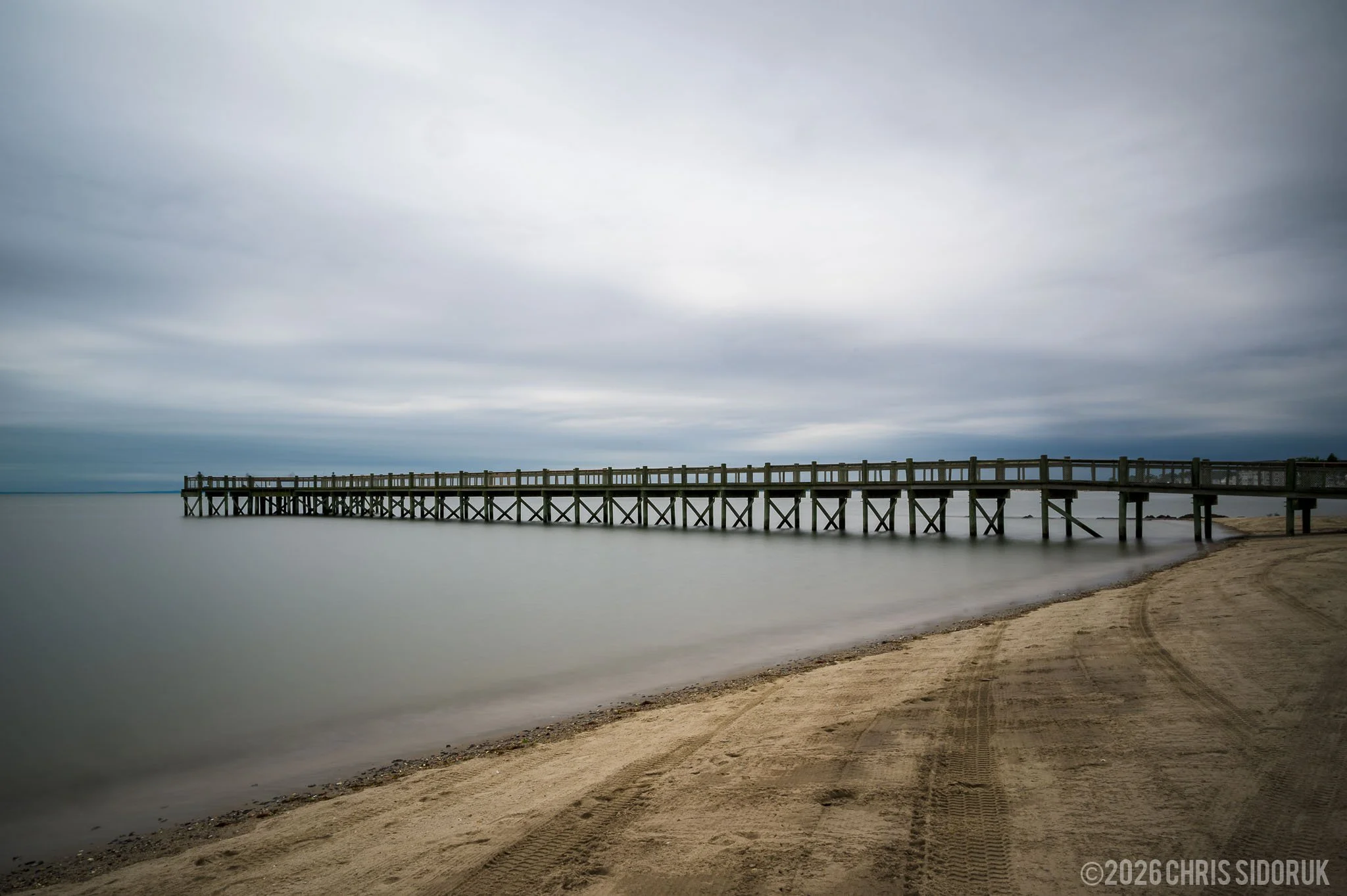
For long exposure coastal scenes, a stable tripod is essential.
Nearby Photography Locations
One advantage of visiting Silver Sands is that several excellent photography locations are only a short drive away.
Combining multiple stops can easily fill an entire morning or afternoon.
Walnut Beach
Connected directly to Silver Sands, Walnut Beach offers:
fishing pier
shoreline cottages
open beach scenes
sunset photography
quieter compositions
Because it blends naturally into Silver Sands, many photographers photograph both locations during the same visit.
Milford Harbor
Just minutes away, Milford Harbor provides:
boats and marinas
reflections
harbor architecture
calmer water
waterfront scenes
It offers a different visual style while remaining close to the shoreline.
Audubon Coastal Center at Milford Point
For wildlife photographers, Milford Point offers:
shorebirds
coastal marsh
migration photography
elevated observation areas
seasonal wildlife activity
Long telephoto lenses become especially useful here.
Housatonic River
The nearby Housatonic River introduces a completely different landscape.
Instead of beaches and tidal flats, photographers find:
historic bridges
industrial scenery
river reflections
foggy mornings
seasonal foliage
Together, these locations showcase the diversity of Connecticut's coastal landscape.
Suggested Photography Itineraries
Sunrise Visit (2–3 Hours)
Ideal schedule:
Arrive before dawn
Photograph blue hour
Capture sunrise
Walk the boardwalk
Photograph Charles Island
Explore Walnut Beach before crowds arrive
This is the most popular itinerary for landscape photographers.
Afternoon & Sunset Visit
Suggested plan:
Scout compositions first
Photograph marsh details
Move toward the shoreline
Capture golden hour
Stay through blue hour
Finish with long exposures after sunset
Remaining after sunset often produces some of the day's most colorful skies.
Full-Day Coastal Photography Trip
Combine several nearby destinations:
Sunrise at Silver Sands
Explore Walnut Beach
Lunch in Milford
Visit Milford Harbor
Wildlife photography at Milford Point
Return to Silver Sands for sunset
This itinerary provides an excellent introduction to Connecticut coastal photography.
Why Silver Sands Rewards Repeat Visits
Many locations reveal most of what they have during a single visit.
Silver Sands is different.
Because every visit is shaped by:
tides
weather
seasonal vegetation
cloud cover
wildlife
changing light
the landscape continually evolves.
Photographers who return throughout the year often leave with an entirely different portfolio from each trip, even though they revisit the same shoreline.
That combination of accessibility, variety, and constantly changing conditions is what makes Silver Sands one of Connecticut's premier landscape photography destinations.
Post-Processing Coastal Landscape Photography
Silver Sands rarely requires heavy editing.
Because much of the location's appeal comes from subtle light, soft color, and natural atmosphere, restrained post-processing often produces the strongest final images.
Rather than dramatically altering the scene, focus on emphasizing what was already present during your visit.
Recover Highlight Detail
Bright skies over Long Island Sound can easily clip highlights during sunrise and sunset.
In Lightroom, Capture One, or similar software:
reduce highlights carefully
recover cloud texture
preserve subtle color transitions
avoid creating gray or muddy skies
Maintaining natural brightness helps preserve the feeling of coastal light.
Lift Shadow Detail Carefully
Morning light often leaves portions of the marsh or foreground in shadow.
Slightly lifting shadows can reveal texture in:
beach grass
driftwood
marsh vegetation
rocks
boardwalks
Avoid raising shadows so much that the image begins to look flat.
White Balance
Silver Sands changes dramatically with weather.
General starting points:
Sunrise: slightly warmer
Sunset: preserve warm tones
Overcast: neutral
Fog: slightly cooler
Winter: maintain natural blue tones
The goal is to recreate the atmosphere you experienced rather than forcing every image toward the same color palette.
Contrast
Coastal scenes often benefit from moderate contrast adjustments.
Instead of increasing global contrast aggressively, consider using:
Texture
Clarity (sparingly)
Dehaze (lightly)
Local contrast adjustments
Small adjustments often reveal shoreline detail without making the image appear overprocessed.
Color Saturation
One of the most common mistakes in coastal photography is oversaturation.
Long Island Sound typically displays subtle blues and muted shoreline colors.
Increasing Vibrance slightly often produces a more natural result than aggressively boosting Saturation.
Natural color generally ages much better than highly processed edits.
Sharpening
Apply sharpening selectively.
Focus on:
lighthouse details (if visible)
shoreline textures
marsh grasses
driftwood
wave edges
Avoid sharpening smooth water created by long exposures.
Editing Long Exposure Images
If using ND filters, additional adjustments often help complete the image.
Common refinements include:
removing sensor dust spots
straightening horizons
balancing sky brightness
correcting lens distortion
subtle dodging and burning
Long exposures already simplify a scene, so editing should support that simplicity rather than compete with it.
Frequently Asked Questions
When is the best time to photograph Silver Sands State Park?
Sunrise generally offers the best combination of soft light, calm water, and fewer visitors. Sunset can also produce excellent results, especially when clouds create colorful skies over Long Island Sound.
Is Silver Sands better at high tide or low tide?
Both offer different photographic opportunities.
Low tide reveals reflective sand, tidal channels, and expansive foregrounds, while high tide creates cleaner compositions with stronger wave action.
Can you photograph Charles Island from the beach?
Yes. Charles Island is visible from many points throughout Silver Sands State Park and Walnut Beach, making it the primary subject for many landscape compositions.
Can you walk to Charles Island?
Only during suitable low-tide conditions and only when the seasonal wildlife closure is not in effect.
The sandbar is closed annually May 1 through August 31 to protect nesting birds.
Even outside the closure period, always check tide charts carefully before attempting the crossing.
Is Silver Sands good for sunrise photography?
Yes.
Its east-facing shoreline, broad tidal flats, and open views across Long Island Sound make it one of Connecticut's best sunrise photography locations.
Is Silver Sands good for sunset photography?
Absolutely.
Although sunrise is often preferred, sunset frequently produces dramatic skies, especially after changing weather or passing storm systems.
What focal length works best?
Most photographers find themselves using:
16–35mm for expansive landscapes
24–70mm for general photography
70–200mm for compressed shoreline scenes
100–400mm for wildlife and distant subjects
No single lens is required—the location adapts well to a wide range of focal lengths.
Do I need a tripod?
A tripod is highly recommended for:
sunrise
sunset
blue hour
long exposures
focus stacking
low ISO photography
It isn't essential for every visit, but it significantly expands your creative options.
Is Silver Sands beginner-friendly?
Yes.
The park's accessible boardwalks, flat terrain, and short walking distances make it one of Connecticut's easiest landscape photography locations for beginners while still offering enough variety to keep experienced photographers returning.
Final Photography Checklist
Before heading to Silver Sands, run through this quick checklist:
✓ Check sunrise or sunset times
✓ Review local tide charts
✓ Watch the weather forecast
✓ Charge batteries
✓ Format memory cards
✓ Pack tripod and filters
✓ Bring microfiber cloths for salt spray
✓ Wear waterproof footwear if needed
✓ Arrive early to scout compositions
✓ Stay through blue hour if conditions look promising
Sometimes the best photographs happen after many visitors have already packed up and left.
Final Thoughts
Silver Sands State Park remains one of Connecticut's most rewarding coastal photography destinations because it rewards observation rather than luck.
The boardwalk, marsh, beaches, Walnut Beach, and Charles Island provide a collection of subjects that continually evolve with changing tides, shifting weather, seasonal transitions, and the quality of light.
No two visits ever feel exactly the same.
Whether you're photographing colorful sunrise reflections, dramatic storm clouds rolling across Long Island Sound, quiet winter mornings, or soft fog drifting through the marsh, Silver Sands offers countless opportunities to create images that reflect the changing character of Connecticut's coastline.
Instead of chasing a single perfect visit, return throughout the year.
The shoreline will almost certainly reward you with something new.
Explore More Photography Guides
Continue exploring Connecticut and New England photography with these related guides:
Silver Sands State Park Photo Spots — Detailed composition ideas and specific viewpoints throughout the park.
Best Places to Photograph in Connecticut — Scenic waterfalls, coastlines, forests, historic landmarks, and hidden gems across the state.
New England Photography Guide — Explore the best landscape photography destinations throughout the Northeast.
Mount Greylock - Berkshires, MA | Fall Foliage Photography Guide
A dedicated guide covering peak autumn timing, foliage conditions, and fall landscape compositions.Best Landscape Photography Gear — Cameras, lenses, tripods, filters, and accessories for outdoor photographers.
==========
Photography by Chris Sidoruk, a Connecticut photographer specializing in coastal landscapes, concert photography, and visual storytelling throughout New England.
Images featured throughout this guide were photographed at Silver Sands State Park and Walnut Beach in Milford, Connecticut, using professional landscape photography techniques across multiple seasons and lighting conditions.
All photographs © Chris Sidoruk. Images are protected by copyright and may not be used, copied, modified, or redistributed without written permission.
==========