

Best Gear for Landscape Photography (Complete Camera Kit Guide)
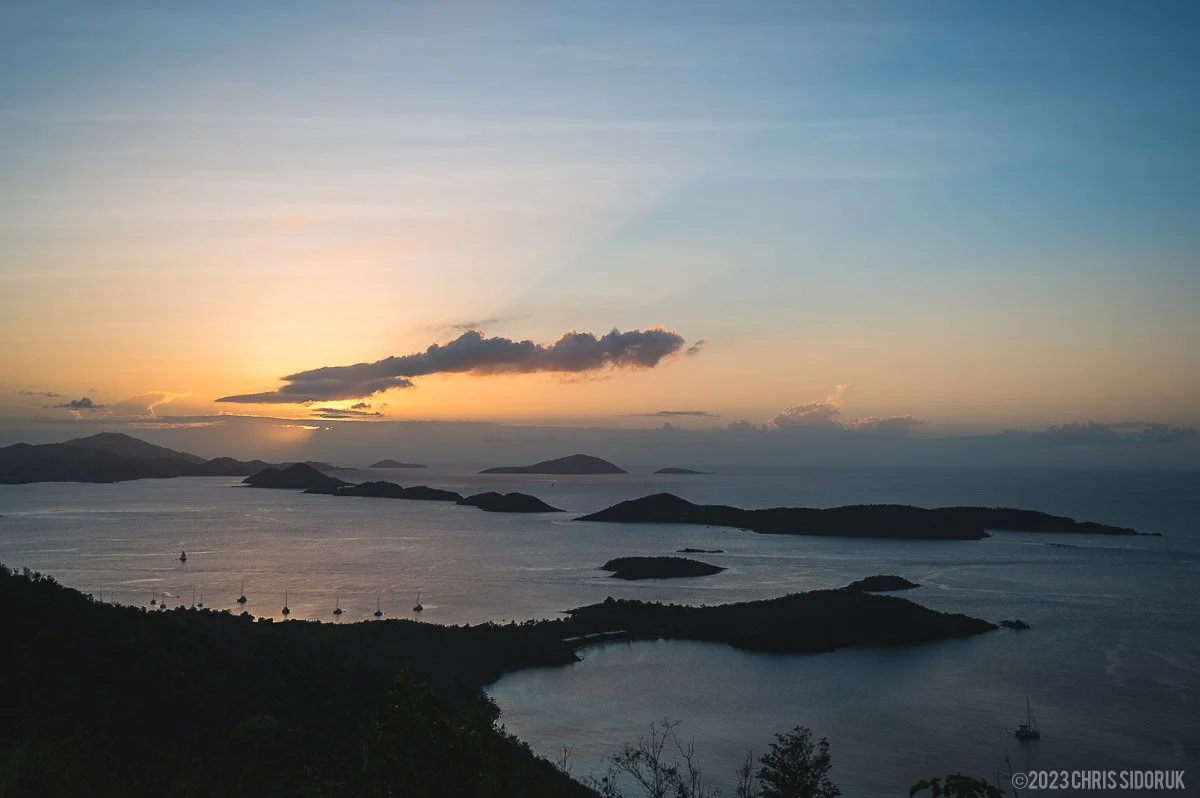
landscape photography | St. John, United States Virgin Islands
==========
Last Updated: August 2026
Landscape photography gear does not need to be complicated.
The best landscape photography kit is not necessarily the most expensive setup. It is the equipment that helps you capture the things that matter most:
image quality
stability
flexibility
reliability in the field
Unlike some photography genres, landscape photography is less about having the fastest autofocus or the newest technology.
Instead, the right gear helps you:
capture maximum detail
handle challenging lighting
create sharp images
work efficiently outdoors
This guide breaks down the essential gear for landscape photography, including cameras, lenses, tripods, filters, accessories, and practical setup recommendations based on real-world shooting.
The Core Landscape Photography Setup
A strong landscape photography kit starts with four essential pieces:
Camera
Your camera determines:
resolution
dynamic range
low ISO image quality
editing flexibility
Modern mirrorless cameras offer excellent performance, but even older full-frame and APS-C cameras can produce outstanding landscape images.
👉 See the full guide:
Best Cameras for Landscape Photography
Lens
The lens is one of the most important parts of a landscape photography setup.
A good landscape lens affects:
composition options
sharpness
perspective
how you capture depth
Common landscape lens choices include:
Wide-angle lenses
Typical range:
14mm–35mm
Best for:
dramatic foregrounds
mountains
architecture
large scenes
Standard zoom lenses
Typical range:
24mm–70mm
Best for:
general landscape work
travel photography
everyday versatility
Telephoto lenses
Typical range:
70mm+
Best for:
compressed landscapes
distant details
layered mountain scenes
👉 See the full guide:
Best Lenses for Landscape Photography
Cameras for Landscape Photography
A good landscape camera should prioritize image quality over speed.
The most important features include:
Dynamic Range
Dynamic range is one of the biggest factors in landscape photography.
It determines how much detail your camera can capture in:
bright skies
shadows
high-contrast scenes
This matters most during:
sunrise
sunset
mountain photography
scenes with strong light differences
Resolution
Higher resolution can be useful for:
large prints
cropping flexibility
capturing fine details
However, resolution is not everything.
A lower-resolution camera with a great lens and strong technique can still create exceptional landscape images.
Weather Resistance
Landscape photographers often shoot in challenging conditions:
rain
snow
wind
coastal environments
dusty trails
A weather-sealed camera body provides additional confidence when working outdoors.
Full-Frame vs APS-C for Landscape Photography
Both camera formats can work well.
Full-frame advantages:
better dynamic range
stronger low ISO performance
more flexibility when editing
greater lens selection
APS-C advantages:
lower cost
smaller and lighter systems
easier travel setups
For many photographers, APS-C is more than capable, especially when paired with quality lenses.
👉 Compare options:
Best Budget Cameras for Landscape Photography
Best Cameras for Landscape Photography
Lenses for Landscape Photography
The lens you choose often has a bigger impact on your images than upgrading your camera body.
A good landscape lens should provide:
sharpness across the frame
good edge performance
useful focal lengths
reliable build quality
Wide-Angle Zoom Lenses
Wide-angle lenses are the traditional choice for landscape photography.
They allow you to include:
dramatic skies
foreground elements
large environmental scenes
Popular ranges include:
14–24mm
16–35mm
17–28mm
These are excellent for:
mountains
waterfalls
beaches
forests
architecture
Standard Zoom Lenses
A 24–70mm lens is one of the most versatile landscape photography choices.
It allows you to photograph:
wide scenes
environmental portraits
details within a landscape
This range is especially useful for travel because it reduces the need to carry multiple lenses.
Telephoto Lenses
Telephoto lenses are often overlooked for landscapes.
They are excellent for:
distant mountains
compressed layers
isolating details
creating more abstract compositions
A longer lens can completely change how a familiar location looks.
Real-world example:
A wide-angle lens may capture an entire mountain scene, while a telephoto lens can isolate the layers of mountains, fog, and light that create a more dramatic image.
👉 Full guide here:
→ Best Lenses for Landscape Photography
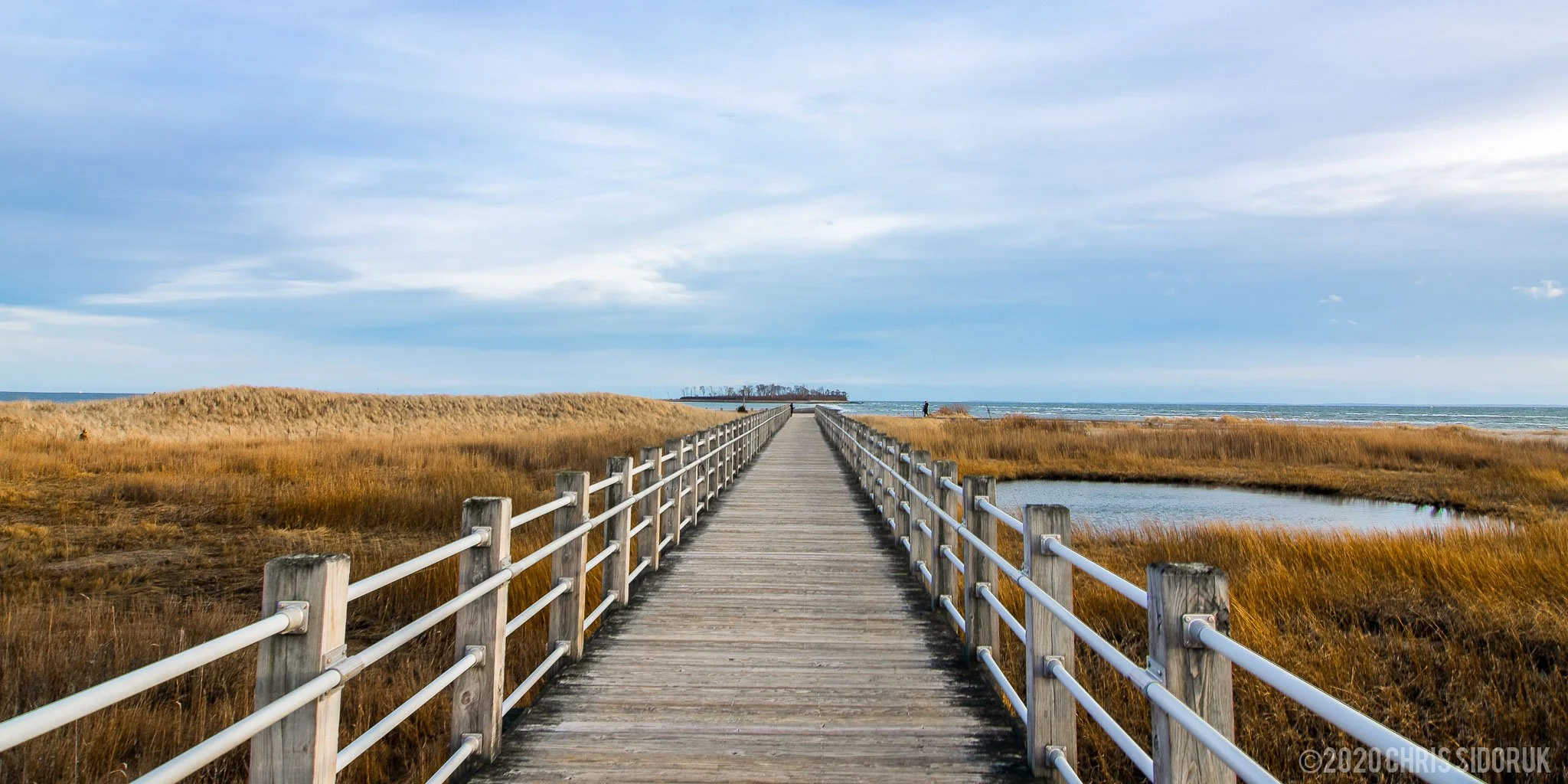
Wide angle lens landscape photography | Silver Sands State Park - Milford, Connecticut
Tripods for Landscape Photography
A tripod is one of the most important pieces of landscape photography gear you can own.
While cameras and lenses get most of the attention, a quality tripod often has a bigger impact on your ability to create certain types of images.
A tripod allows you to:
capture sharper images at slower shutter speeds
shoot long exposures
photograph during sunrise, sunset, and blue hour
create consistent compositions
use lower ISO settings for maximum image quality
For landscape photography, stability matters.
A lightweight tripod that is easy to carry is often better than a heavy tripod that stays at home.
The best tripod is the one you will actually bring into the field.
What to Look For in a Landscape Tripod
Important factors include:
Stability
A tripod should comfortably support your camera and largest lens without excessive vibration.
Weight
For hiking and travel, lighter carbon fiber tripods are often worth considering.
Height
A taller tripod provides more flexibility for different compositions and terrain.
Head Design
Ball heads are popular for landscapes because they allow quick adjustments and precise positioning.
Do You Need a Tripod for Landscape Photography?
Not every landscape photo requires one.
A tripod is less necessary when:
shooting handheld during daylight
photographing quick-changing conditions
traveling extremely light
However, a tripod becomes extremely valuable for:
waterfalls
long exposures
night photography
sunrise and sunset photography
focus stacking
panoramic images
👉 See recommendations:
Best Tripods for Landscape Photography
Filters for Landscape Photography
Filters are some of the most useful accessories for landscape photographers because they allow you to control light in ways your camera cannot.
The two most common landscape filters are:
ND filters
polarizing filters
ND Filters (Neutral Density)
ND filters reduce the amount of light entering the lens.
This allows you to use slower shutter speeds during brighter conditions.
Common uses include:
smoothing waterfalls
creating motion blur in clouds
capturing silky water effects
extending exposures during daylight
For example:
A waterfall photographed at 1/1000 second will freeze the water.
The same scene photographed at several seconds can create a completely different feeling.
Polarizing Filters
A circular polarizer (CPL) is one of the most useful landscape photography filters.
It helps:
reduce reflections on water
improve contrast
deepen blue skies
enhance foliage
Polarizers are especially useful when photographing:
lakes
oceans
forests
waterfalls
They are not always necessary, but they can create an effect that is difficult to replicate in editing.
Do You Need Expensive Filters?
Not necessarily.
The biggest mistake is pairing an expensive lens with a low-quality filter.
Poor filters can reduce:
sharpness
contrast
color accuracy
A good-quality filter system is usually a better long-term investment.
👉 Learn more:
Best ND Filters for Landscape Photography
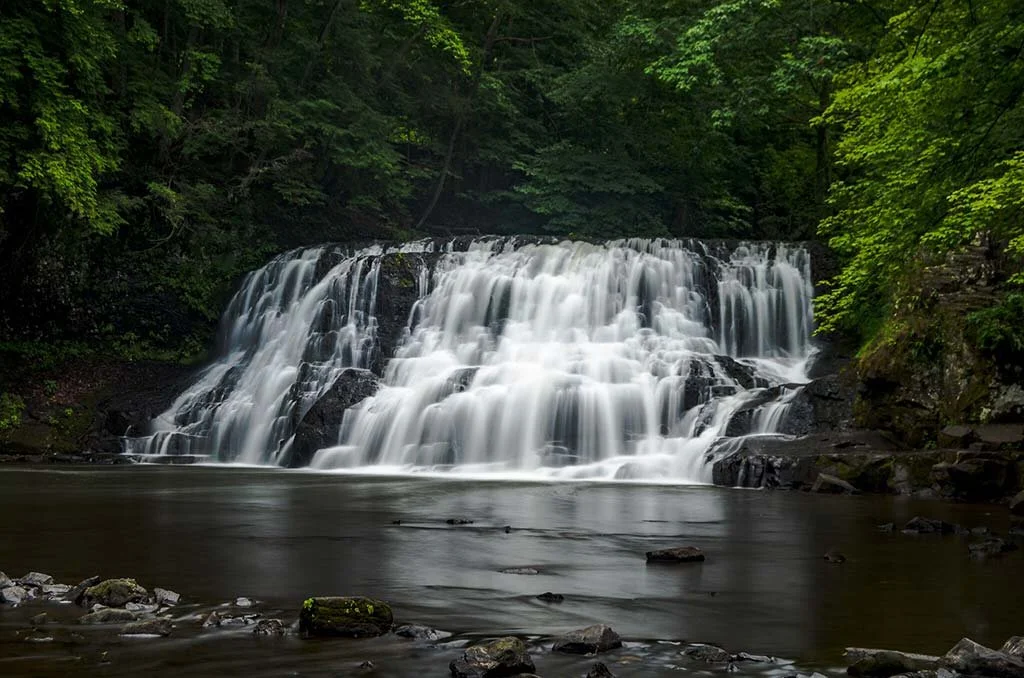
Long exposure ND filter landscape photography | Wadsworth Falls - Middletown, Connecticut
Landscape Photography Accessories Worth Adding
The core setup is simple:
camera
lens
tripod
But a few accessories can make your workflow much easier in the field.
Extra Batteries
Landscape photography often involves:
long sessions
cold weather
reviewing images frequently
using electronic viewfinders
Having extra batteries prevents missed opportunities.
Memory Cards
Always carry reliable, high-capacity memory cards.
Landscape photography often involves:
RAW files
high-resolution cameras
multiple exposures
panoramas
focus stacking
A full memory card can end a shoot quickly.
Lens Cloths and Cleaning Supplies
Outdoor photography exposes your gear to:
dust
moisture
fingerprints
salt spray
A simple cleaning kit helps protect your lenses and maintain image quality.
Camera Bag
A good camera bag is more than storage.
It helps you:
safely carry equipment
access gear quickly
protect equipment outdoors
organize accessories
The best bag depends on your style of shooting.
A hiking photographer may prioritize comfort and weight.
A travel photographer may prioritize accessibility and protection.
👉 See recommendations:
Best Camera Bags for Landscape Photography
Storage and Backup (The Gear You Don’t Think About)
Your camera gear does not matter if you lose your images.
Landscape photography often creates valuable files that cannot be replaced:
once-in-a-lifetime conditions
travel images
difficult-to-repeat locations
personal portfolio work
A reliable backup system is essential.
The 3-2-1 Backup Strategy
A common approach for photographers is the 3-2-1 backup rule.
Keep:
3 copies of your files
2 different types of storage
1 copy stored off-site
Example:
Primary files:
Computer or editing drive
Backup:
External hard drive
Off-site backup:
Cloud storage or another physical location
This protects against:
drive failure
theft
hardware damage
accidental deletion
👉 Learn more:
Photography Backup Strategy (3-2-1 Rule)
Practical Landscape Photography Kit Recommendations
There is no single perfect landscape photography setup.
The best kit depends on how you photograph.
A photographer hiking several miles needs a different setup than someone photographing local landscapes from easy-access locations.
Lightweight Travel Landscape Setup
Best for:
hiking
backpacking
travel photography
minimizing weight
Recommended setup:
Camera
APS-C or compact full-frame mirrorless body
Lens
wide-angle zoom
Example:
16-35mm equivalent range
Support
lightweight travel tripod
Accessories
one polarizer
spare battery
compact camera bag
The goal:
Maximum portability without sacrificing image quality.
Balanced All-Around Landscape Setup
Best for:
most landscape photographers
sunrise and sunset shooting
travel + local photography
Recommended setup:
Camera
full-frame mirrorless camera
Lenses
wide-angle zoom
standard zoom
Example:
16-35mm for dramatic landscapes
24-70mm for general compositions
Support
sturdy tripod
Accessories
polarizer
ND filter
extra batteries
This is the setup that covers the majority of landscape situations.
Advanced Landscape Photography Setup
Best for:
professional photographers
fine art prints
specialized landscapes
Recommended setup:
Camera
high-resolution full-frame body
Lenses
ultra-wide angle
standard zoom
telephoto lens
Support
heavy-duty tripod
Accessories
complete filter system
additional storage
advanced backup workflow
This setup provides maximum flexibility for demanding conditions.
Real-World Landscape Photography Example
My own landscape photography workflow typically balances image quality with portability.
For locations like:
mountain overlooks
coastal landscapes
travel destinations
changing weather conditions
The most important gear decisions are usually:
choosing the right lens for the scene
using stable support when needed
protecting images through proper storage
The camera matters, but the entire system works together.
👉 For specific gear recommendations in each category, explore:
What Landscape Photography Gear Should You Buy First?
One of the biggest mistakes photographers make is assuming the camera body should be the first upgrade.
In many cases, the biggest improvements come from investing in the parts of the system that directly affect your images and workflow.
A practical upgrade order:
1. Invest in Quality Lenses
A good lens can last through multiple camera upgrades.
Quality lenses provide:
sharper images
better contrast
improved composition options
more creative flexibility
A strong lens paired with a mid-range camera can often outperform an expensive camera paired with a basic lens.
2. Add a Stable Tripod
A tripod unlocks techniques that are impossible or difficult handheld.
It allows you to:
slow shutter speeds
shoot cleaner images at lower ISO
carefully compose scenes
capture long exposures
For landscape photographers, a tripod is often one of the highest-value purchases.
3. Upgrade Your Camera Body
A camera upgrade becomes more valuable when you actually need:
higher resolution
improved dynamic range
better weather sealing
newer features
improved low-light performance
A newer camera can help, but it will not replace:
good composition
strong light
thoughtful planning
4. Add Filters and Accessories
Once your core setup is established, filters and accessories can expand what you can create.
Useful additions include:
polarizer
ND filters
extra batteries
better camera bag
backup storage
Common Landscape Photography Gear Mistakes
Buying the Most Expensive Camera First
A high-end camera does not automatically create better landscape photos.
Many photographers would benefit more from:
better lenses
a tripod
learning composition
spending more time outdoors
Carrying Too Much Gear
More gear does not always mean better images.
A heavy setup can lead to:
fewer adventures
missed opportunities
less enjoyment while shooting
The best landscape kit is the one you are willing to carry.
Ignoring the Tripod
Many photographers underestimate how much a tripod improves landscape photography.
Without one, you may miss opportunities involving:
long exposures
low-light conditions
precise compositions
Buying Filters Without Understanding Them
Filters are powerful tools, but they are not required for every image.
A filter should solve a problem.
Examples:
Need smoother water movement?
→ Use an ND filter.
Need to reduce reflections?
→ Use a polarizer.
Focusing Only on Gear
Gear matters, but landscape photography is ultimately about:
light
timing
location
composition
patience
The best equipment cannot replace being in the right place at the right time.
Final Thoughts
The best landscape photography gear setup is not the one with the most expensive equipment.
It is the setup that allows you to spend more time creating images.
A strong landscape photography kit should help you:
capture detailed images
handle changing conditions
work efficiently outdoors
focus more on composition and light
Start with the essentials:
a capable camera
a quality lens
a stable tripod
Then build your system based on your style of photography.
Whether you are hiking mountain trails, photographing coastlines, or capturing local landscapes, the right gear should support your creativity—not get in the way.
👉: View real-world landscape images
Frequently Asked Questions
What gear do I actually need for landscape photography?
A basic landscape photography setup includes a camera, a quality lens, a tripod, and optionally filters. Everything else is secondary. The right combination of equipment depends on how and where you photograph.
What is the most important piece of landscape photography gear?
For many photographers, the lens and tripod have the biggest impact. A quality lens improves image quality and creative options, while a tripod allows you to capture images that are not possible handheld.
Do I need filters for landscape photography?
No, filters are not mandatory, but they are extremely useful. Polarizers help reduce reflections and improve contrast, while ND filters allow longer exposures for effects like smooth water and moving clouds.
Do I need an expensive camera for landscape photography?
No. Modern cameras across many price ranges can create excellent landscape images. Image quality depends on the entire system, including the lens, technique, lighting, and composition.
Should I buy a better camera or better lens first?
For most landscape photographers, investing in better lenses is the smarter first upgrade. A quality lens can improve your images immediately and continue to be useful even after upgrading camera bodies.
What focal length is best for landscape photography?
There is no single best focal length. Wide-angle lenses are popular for dramatic scenes, while standard zooms and telephoto lenses are valuable for more compressed and detailed compositions.
A versatile landscape kit often includes:
16-35mm for wide scenes
24-70mm for general use
70-200mm for distant details
Is a tripod necessary for landscape photography?
No, but it is one of the most valuable tools for serious landscape photographers. A tripod provides stability for long exposures, sunrise and sunset photography, waterfalls, and carefully composed images.
What accessories are worth adding to a landscape photography kit?
The most useful accessories include:
extra batteries
reliable memory cards
lens cleaning supplies
a comfortable camera bag
polarizer and ND filters
backup storage
These accessories improve reliability and workflow even though they do not directly affect image quality.
What type of memory card is best for landscape photography?
Choose reliable, high-quality memory cards that match your camera.
Important considerations:
enough storage capacity
dependable performance
compatibility with your camera
Higher-resolution cameras produce larger RAW files, so having additional storage is especially important.
==========
All photographs © Chris Sidoruk. Images are protected by copyright and may not be used, copied, modified, or redistributed without written permission.
