

Best Hybrid Cameras for Photography & Video (2026 Guide)
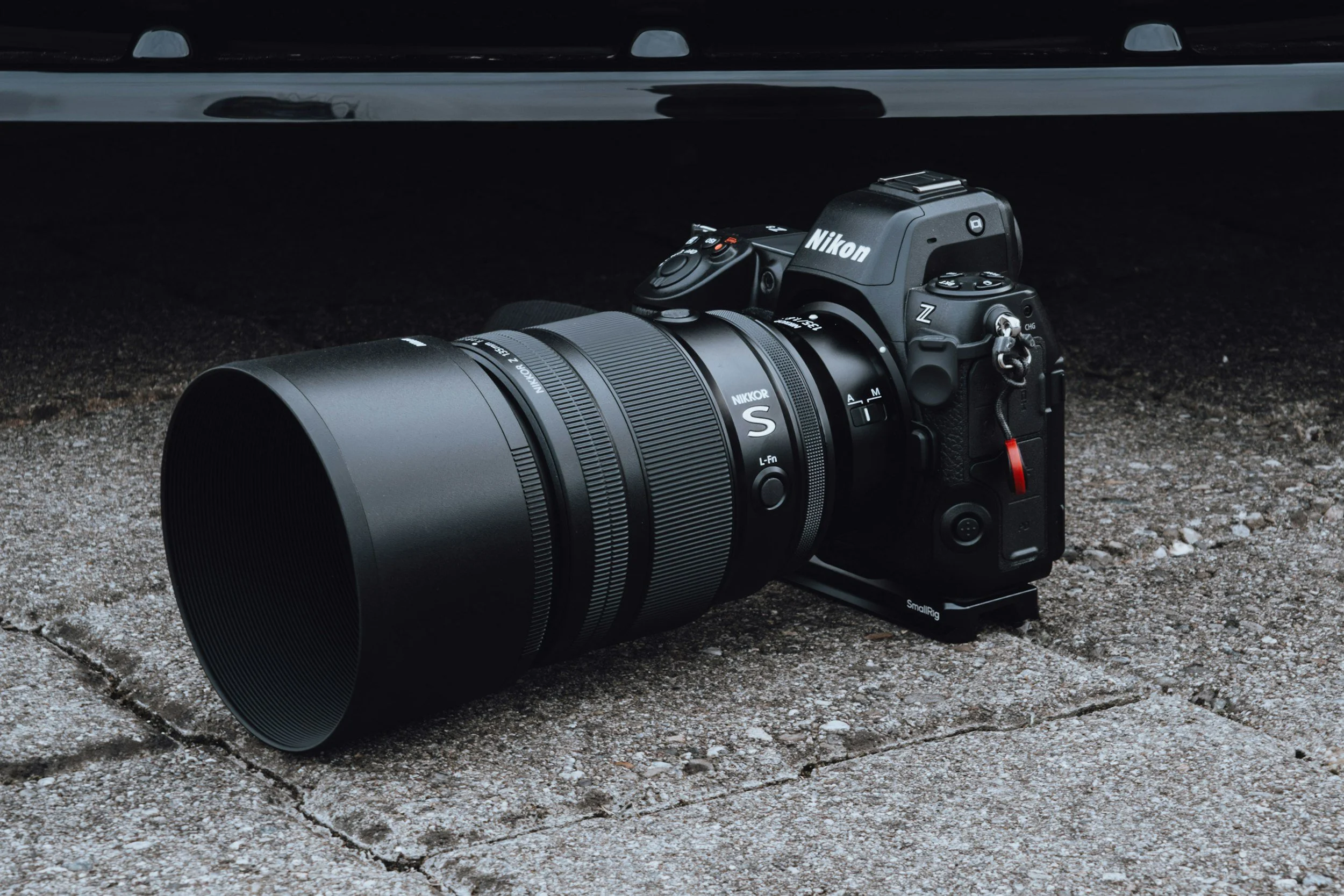
Photo by Jörg Ingenbrand / Unsplash
*Some links in this guide are affiliate links. If you purchase through them, it helps support my work at no extra cost to you.
==========
Last Updated: August 2026
Hybrid cameras have become the preferred choice for photographers, content creators, businesses, and working professionals who need one camera that can confidently handle both photography and video.
Modern mirrorless cameras are no longer forced to choose between still images and video performance. The best hybrid cameras available in 2026 deliver excellent image quality, reliable autofocus, strong low-light performance, professional video features, and versatile lens ecosystems in a single camera body.
For photographers, this means one camera can cover everything from concert photography and weddings to travel, commercial projects, behind-the-scenes content, and social media video.
However, not every camera marketed as a "hybrid camera" is equally capable.
Some models prioritize video features while making compromises for photographers. Others produce beautiful still images but lack the autofocus, stabilization, and recording tools today's creators need.
This guide focuses on the best real-world hybrid cameras available in 2026 — evaluating the things that actually matter when you're shooting:
Photography quality
Video performance
Autofocus reliability
Low-light capability
Image stabilization
Lens selection
Long-term system value
As a photographer who regularly works in demanding environments including concerts, events, landscapes, and commercial projects, I prioritize cameras that perform when conditions are unpredictable — not just cameras with impressive specifications on paper.
Quick Picks: Best Hybrid Cameras of 2026
If you want the short answer, these are the cameras that stand out for different types of photographers and creators.
| Category | Camera | Best For |
|---|---|---|
| Best Overall Hybrid Camera | Canon EOS R6 Mark III | Photography + video balance |
| Best Value Full-Frame Hybrid | Sony A7 IV | Enthusiasts and creators |
| Best Autofocus Hybrid | Nikon Z6 III | Fast-moving subjects and events |
| Best Video-Focused Hybrid | Panasonic Lumix S5 II | Content creators and filmmakers |
| Best Beginner Hybrid Camera | Canon EOS R50 | New photographers and creators |
| Best APS-C Hybrid Camera | Sony A6700 | Travel and lightweight setups |
| Best Professional Hybrid Camera | Canon EOS R5 Mark II | Commercial and high-resolution work |
| Best High-End Hybrid Camera | Nikon Z8 | Professional photographers |
Best Professional Hybrid Camera
Camera: Canon EOS R5 Mark II
Best For: Commercial and high-resolution work
Hybrid Camera Comparison Table (2026)
A quick comparison of the best hybrid cameras for photography and video.
| Camera | Sensor | Resolution | Video Capability | IBIS | Best For |
|---|---|---|---|---|---|
| Canon EOS R6 Mark III | Full Frame | 24MP class | 4K60 | Yes | Best Overall |
| Sony A7 IV | Full Frame | 33MP | 4K60 | Yes | Best Value |
| Nikon Z6 III | Full Frame | 24MP class | 6K RAW | Yes | Autofocus & Action |
| Panasonic Lumix S5 II | Full Frame | 24MP | 6K | Yes | Video Creators |
| Canon EOS R50 | APS-C | 24MP | 4K30 | No | Beginners |
| Sony A6700 | APS-C | 26MP | 4K120 | Yes | Travel Creators |
| Canon EOS R5 Mark II | Full Frame | 45MP | 8K | Yes | Professionals |
| Nikon Z8 | Full Frame | 45MP | 8K | Yes | High-End Hybrid |
Canon EOS R6 Mark III
Sensor: Full Frame
Resolution: 24MP class
Video Capability: 4K60
IBIS: Yes
Best For: Best Overall
Sony A7 IV
Sensor: Full Frame
Resolution: 33MP
Video Capability: 4K60
IBIS: Yes
Best For: Best Value
Nikon Z6 III
Sensor: Full Frame
Resolution: 24MP class
Video Capability: 6K RAW
IBIS: Yes
Best For: Autofocus & Action
Panasonic Lumix S5 II
Sensor: Full Frame
Resolution: 24MP
Video Capability: 6K
IBIS: Yes
Best For: Video Creators
Sony A6700
Sensor: APS-C
Resolution: 26MP
Video Capability: 4K120
IBIS: Yes
Best For: Travel Creators
Canon EOS R5 Mark II
Sensor: Full Frame
Resolution: 45MP
Video Capability: 8K
IBIS: Yes
Best For: Professionals
Nikon Z8
Sensor: Full Frame
Resolution: 45MP
Video Capability: 8K
IBIS: Yes
Best For: High-End Hybrid
What Is a Hybrid Camera?
A hybrid camera is designed to perform exceptionally well for both still photography and video production.
Unlike traditional cameras that were optimized primarily for one purpose, modern hybrid cameras combine:
High-resolution photography
Professional-quality video recording
Advanced autofocus systems
Subject and eye detection
In-body image stabilization (IBIS)
Strong low-light performance
Interchangeable lens systems
The goal is simple:
One camera that can handle multiple types of creative work without requiring separate photo and video systems.
For many photographers, this approach is more practical and cost-effective than maintaining separate cameras.
A single hybrid camera can be used for:
Concert photography
Wedding photography
Travel photography
Commercial projects
YouTube content
Interviews
Social media videos
Behind-the-scenes footage
Small business marketing
Who Should Buy a Hybrid Camera?
Hybrid cameras are ideal for photographers who occasionally or regularly create video alongside their photography.
Content Creators
YouTube creators, educators, influencers, and social media managers often switch between photos and video throughout the same project.
A capable hybrid camera simplifies the workflow by allowing you to capture:
Photos for websites and social media
Video clips for marketing
Behind-the-scenes footage
Interviews and tutorials
without carrying multiple systems.
Wedding & Event Photographers
Modern clients increasingly expect more than still images.
Many photographers now provide:
Short highlight videos
Social media clips
Behind-the-scenes content
Promotional footage
A hybrid camera allows event photographers to deliver more value without adding a second camera system.
Concert Photographers
Concert photography is one of the most demanding environments for any camera.
You are dealing with:
Low light
Fast-moving performers
Constant lighting changes
Difficult autofocus conditions
A strong hybrid camera provides the autofocus reliability and high ISO performance needed for photography while also allowing you to capture:
Performance clips
Social media content
Venue footage
Behind-the-scenes moments
If concert photography is your primary focus, see:
→ Best Cameras for Concert Photography
Travel Photographers
Travel photographers often benefit from carrying fewer pieces of equipment.
A hybrid camera can handle:
Landscape photography
Street photography
Travel videos
Vlogging
Destination content
without requiring separate bodies.
Small Businesses
Many businesses now create their own visual content.
A capable hybrid camera can handle:
Product photography
Website images
Social media videos
Promotional videos
Customer testimonials
For many small businesses, one quality hybrid system provides more value than buying separate photo and video equipment.
What Actually Matters in a Hybrid Camera
Camera manufacturers often compete with impressive specifications:
Higher megapixel counts
Faster burst rates
8K video
Advanced autofocus systems
New processors
But specifications alone do not determine whether a camera is actually good for real-world photography and video.
The best hybrid cameras are the ones that consistently perform when conditions are difficult.
For photographers and creators, these are the features that matter most:
Autofocus Performance
Autofocus is one of the most important features in any modern hybrid camera.
A camera can have incredible image quality, but if it consistently misses focus during important moments, those specifications do not matter.
The best hybrid cameras provide reliable autofocus for:
People
Faces
Eyes
Animals
Vehicles
Moving subjects
This matters especially for:
Concert photography
Weddings
Sports
Wildlife
Events
Documentary work
Modern autofocus systems have improved dramatically, but there are still differences between camera systems.
Canon, Sony, Nikon, and Panasonic have all made significant improvements, but the best-performing cameras are those that maintain accurate tracking when subjects are moving and lighting conditions are changing.
Low-Light Performance
For photographers who work indoors, after sunset, or in unpredictable lighting, low-light performance is critical.
This is especially important for:
Concert photographers
Wedding photographers
Event photographers
Night photographers
Documentary creators
A strong low-light camera provides:
Cleaner high ISO files
Better shadow detail
More usable images in difficult conditions
Improved autofocus performance in dim environments
While megapixels receive a lot of attention, low-light performance is often more important in real-world shooting.
A 24MP full-frame camera with excellent noise performance can often produce better results than a higher-resolution camera struggling in poor lighting.
Image Stabilization (IBIS)
In-body image stabilization, commonly called IBIS, has become one of the most valuable features in hybrid cameras.
IBIS helps reduce camera shake during handheld shooting and improves both photography and video workflows.
It is especially useful when:
Shooting handheld at slower shutter speeds
Recording video while walking
Working without a tripod
Photographing indoors
Traveling with minimal gear
For video creators, stabilization can dramatically improve handheld footage.
For photographers, it can help capture sharper images in situations where carrying a tripod is inconvenient.
Video Features That Actually Matter
One of the biggest mistakes buyers make is focusing too much on video resolution.
Not everyone needs 8K video.
For most photographers and creators, these features matter more:
Oversampled 4K Video
High-quality 4K created from a higher-resolution capture often provides excellent detail while keeping file sizes manageable.
For most creators, excellent 4K is more useful than basic 8K workflows.
4K60 Recording
4K60 provides:
Smoother motion
Better slow-motion flexibility
More professional-looking footage
It is especially useful for:
Events
Travel videos
Social media content
Behind-the-scenes footage
10-Bit Color
10-bit recording provides more color information and greater flexibility during editing.
It is valuable for creators who:
Color grade footage
Produce professional videos
Work with commercial clients
Log Profiles
Log recording preserves more dynamic range and allows greater control during post-processing.
Popular profiles include:
Canon C-Log
Sony S-Log
Nikon N-Log
Panasonic V-Log
Audio Support
Video quality is only part of the equation.
A good hybrid camera should ideally include:
Microphone input
Headphone monitoring
Reliable audio controls
Poor audio can ruin otherwise excellent footage.
Related:
→ Best Video Settings for Hybrid Cameras
Lens Ecosystem
A camera body is only one part of a complete system.
Your lenses often have a much longer lifespan than your camera body.
When choosing a hybrid camera, consider:
Available lenses
Lens prices
Third-party options
Future upgrade paths
Weight of the overall system
The major mirrorless ecosystems in 2026 include:
Canon RF Mount
Strengths:
Excellent autofocus lenses
Strong professional glass
Great hybrid systems
Best for:
Events
Portraits
Commercial work
Hybrid creators
Sony E Mount
Strengths:
Largest mirrorless lens ecosystem
Excellent third-party support
Many compact options
Best for:
Travel
Content creators
Professionals wanting maximum lens choice
Nikon Z Mount
Strengths:
Excellent optical quality
Strong ergonomics
Professional build quality
Best for:
Photographers upgrading from Nikon DSLR systems
Landscapes
Events
Professional hybrid work
Panasonic L-Mount
Strengths:
Video-focused features
Strong collaboration between brands
Excellent filmmaking tools
Best for:
Video creators
Documentary work
Commercial production
Battery Life
Battery performance becomes extremely important during long shooting days.
A camera that performs well for 30 minutes but requires constant battery changes can quickly become frustrating.
Strong battery life matters for:
Weddings
Concerts
Travel
Events
Commercial assignments
When evaluating battery performance, consider:
Still photo count
Video recording duration
Availability of battery grips
USB-C charging options
Professional photographers often carry multiple batteries regardless, but a more efficient camera reduces workflow interruptions.
Ergonomics and Handling
A technically impressive camera can still be frustrating if it does not feel comfortable in your hands.
Important factors include:
Grip size
Button placement
Custom controls
Menu design
Viewfinder quality
Weight balance with lenses
This becomes especially important when shooting for several hours.
A camera should allow you to adjust settings quickly without taking your eye away from the scene.
For working photographers, usability often matters more than a small advantage in specifications.
Why Lenses Matter as Much as the Camera
One of the most common mistakes photographers make is spending their entire budget on the camera body while overlooking lenses.
A camera upgrade can improve:
Autofocus
Processing speed
Video features
But a quality lens directly affects:
Sharpness
Low-light ability
Background separation
Perspective
Creative options
For most photographers, a balanced system is better than buying the most expensive body possible.
A $3,000 camera with mediocre lenses may produce worse results than a $2,000 camera paired with excellent glass.
How I Evaluate Hybrid Cameras
There is no single perfect hybrid camera.
The right choice depends on:
What you photograph
How much video you create
Your budget
Your lens investment
Your long-term goals
For this guide, cameras are evaluated based on real-world factors:
Photography Performance
Including:
Image quality
Dynamic range
Autofocus reliability
Low-light performance
Handling
Video Capability
Including:
Resolution options
Recording formats
Stabilization
Autofocus during video
Workflow practicality
Real-World Reliability
A camera used professionally needs to perform consistently.
Important considerations include:
Battery life
Build quality
Controls
Weather resistance
Lens availability
Long-Term Value
The newest camera is not always the smartest purchase.
Many slightly older models continue to provide excellent performance while offering significant savings.
A camera that fits your workflow and budget is usually a better investment than simply buying the newest release.
Best Hybrid Cameras in 2026
Best Overall Hybrid Camera
Canon EOS R6 Mark III
Best Hybrid Camera for Most Photographers
For most photographers and creators, the Canon EOS R6 Mark III is the best overall hybrid camera available in 2026 because it delivers the strongest balance of photography performance, video capability, autofocus reliability, and real-world usability.
While flagship cameras offer higher resolution and more specialized features, most creators don't need the absolute maximum specifications. They need a camera that performs consistently in difficult situations — whether that's photographing a concert, recording client content, shooting a wedding, or creating travel videos.
The EOS R6 Mark III succeeds because it focuses on the features photographers actually use.
Its full-frame sensor provides excellent image quality and strong low-light performance, while Canon's advanced autofocus system delivers reliable subject tracking for both still photography and video. Combined with effective image stabilization and Canon's growing RF lens lineup, it creates a system that can handle nearly any assignment.
For photographers who frequently switch between photography and video, the R6 Mark III is one of the most complete cameras available.
Why I Recommend It
The biggest advantage of the EOS R6 Mark III is balance.
Some cameras specialize heavily in one area. The R5 Mark II prioritizes resolution, the Panasonic S5 II focuses heavily on video, and the Sony A7 IV emphasizes value and flexibility.
The R6 Mark III sits in the middle and does almost everything extremely well.
For professional photographers, that versatility matters.
A single assignment may require:
High-speed photography
Low-light shooting
Behind-the-scenes video
Social media clips
Client interviews
Quick turnaround content
The ability to switch between photo and video without changing systems is where hybrid cameras become especially valuable.
Pros
✔ Excellent autofocus performance
✔ Strong full-frame low-light capability
✔ Excellent image stabilization
✔ Great ergonomics
✔ Reliable for professional work
✔ Strong photo and video balance
✔ Large Canon RF lens ecosystem
Cons
✘ Lower resolution than high-end models
✘ RF lenses can become expensive
✘ Not the smallest hybrid camera option
Best For
Concert photographers
Wedding photographers
Event photographers
Commercial creators
Small businesses
Professionals who shoot both photos and video
Bottom Line:
The Canon EOS R6 Mark III is the camera I would recommend to the largest number of photographers because it avoids major compromises. It provides professional performance while remaining practical for everyday shooting.
👉 Check current price:
→ Amazon
→ Adorama
Best Value Full-Frame Hybrid Camera
Sony A7 IV
Best Hybrid Camera Value
The Sony A7 IV remains one of the easiest hybrid cameras to recommend because it delivers professional-level performance without reaching flagship pricing.
Sony helped define the modern hybrid camera category, and the A7 IV represents years of refinement. It combines excellent image quality, dependable autofocus, strong video features, and access to one of the largest mirrorless lens ecosystems available.
For photographers building a system from scratch, the A7 IV offers tremendous long-term value.
Why I Recommend It
The biggest strength of the Sony A7 IV is flexibility.
Its 33MP full-frame sensor provides enough resolution for detailed prints while keeping file sizes manageable. The autofocus system is excellent for people, events, travel, and general photography, while the camera's video capabilities make it a strong choice for creators.
Sony's E-mount ecosystem is also one of the strongest advantages of the platform.
Photographers have access to:
Sony G Master lenses
More affordable Sony lenses
Sigma lenses
Tamron lenses
Other third-party options
That makes building a complete system easier compared with many competing platforms.
Pros
✔ Excellent autofocus
✔ Strong dynamic range
✔ Large lens ecosystem
✔ Great image quality
✔ Excellent hybrid performance
✔ Strong long-term value
Cons
✘ Menu system takes time to learn
✘ Ergonomics may not suit everyone
✘ No built-in focus stacking like some competitors
Best For
Travel photographers
Commercial photographers
Content creators
Wedding photographers
Freelancers
Photographers building a Sony system
Bottom Line:
The Sony A7 IV remains one of the smartest hybrid camera purchases because it provides excellent results without requiring a flagship budget.
👉 Check current price:
→ Amazon
→ Adorama
For photographers focused heavily on low-light performance, see: Best Sony Cameras for Concert Photography.
Best Autofocus Hybrid Camera
Nikon Z6 III
Best Hybrid Camera for Fast Action
The Nikon Z6 III represents one of Nikon's biggest improvements in the hybrid camera market.
Historically, Nikon cameras were known for excellent image quality, ergonomics, and reliability, but Canon and Sony often held an advantage in autofocus performance. The Z6 III significantly closes that gap.
For photographers who shoot moving subjects, events, concerts, sports, or wildlife, the Z6 III is one of Nikon's strongest hybrid cameras ever produced.
Why I Recommend It
The Z6 III succeeds because it combines Nikon's traditional strengths with modern mirrorless technology.
The camera offers:
Improved subject detection
Excellent tracking performance
Strong low-light capability
Professional ergonomics
Advanced video features
For photographers already invested in Nikon glass, the Z6 III is a particularly attractive upgrade because it provides a modern hybrid platform without requiring a complete system change.
Pros
✔ Major autofocus improvements
✔ Excellent subject tracking
✔ Strong low-light performance
✔ Great ergonomics
✔ Excellent electronic viewfinder
✔ Powerful video features
✔ Nikon color science
Cons
✘ Smaller third-party lens selection than Sony
✘ Premium pricing
✘ Not as high-resolution as some competitors
Best For
Concert photographers
Wildlife photographers
Sports photographers
Event photographers
Nikon DSLR users upgrading systems
Hybrid professionals
Bottom Line:
The Nikon Z6 III is one of the best choices for photographers who need a fast, reliable hybrid camera that can handle unpredictable subjects.
👉 Check current price:
→ Amazon
→ Adorama
Best Hybrid Camera for Video Creators
Panasonic Lumix S5 II
Best Video-Focused Hybrid Camera
Panasonic has long been respected by filmmakers and video creators, but the Lumix S5 II marked a major step forward by combining Panasonic's legendary video features with much-improved autofocus performance.
For creators who prioritize video but still want excellent photography capabilities, the S5 II is one of the strongest value options available in 2026.
It delivers professional-level video features, excellent stabilization, strong image quality, and a full-frame sensor in a relatively compact body.
While it may not have the same autofocus reputation as Canon or Sony's newest models, Panasonic has made significant improvements by introducing phase-detection autofocus, making the S5 II a much more complete hybrid camera.
Why I Recommend It
The biggest advantage of the Lumix S5 II is the amount of video capability you get for the price.
Many cameras can record high-resolution video, but professional video production requires more than resolution alone.
The S5 II provides features creators actually use:
High-quality 4K recording
10-bit color options
Log profiles
Excellent stabilization
Professional monitoring tools
Reliable recording performance
For YouTube creators, educators, documentary photographers, and small businesses producing their own content, the S5 II offers tremendous value.
Pros
✔ Excellent video features
✔ Strong image stabilization
✔ Full-frame image quality
✔ Professional recording options
✔ Improved autofocus system
✔ Great value compared with competitors
Cons
✘ Autofocus still trails Canon and Sony in some situations
✘ Smaller lens ecosystem than Sony or Canon
✘ Less ideal for fast-moving photography
Best For
YouTube creators
Video-first photographers
Documentary creators
Small businesses
Educators
Commercial video production
Bottom Line:
If video is your priority but you still want a capable photography camera, the Panasonic Lumix S5 II is one of the best hybrid values available.
👉 Check current price:
→ Amazon
→ Adorama
Best Beginner Hybrid Camera
Canon EOS R50
Best Hybrid Camera for Beginners
The Canon EOS R50 is one of the easiest cameras to recommend for someone entering photography and video.
Many beginners make the mistake of buying a camera that is technically impressive but frustrating to use. The R50 avoids that problem by offering excellent image quality, reliable autofocus, and simple controls in a lightweight package.
It provides enough capability for beginners to learn photography while still offering room to grow through Canon's RF lens system.
Why I Recommend It
The biggest strength of the EOS R50 is accessibility.
Canon has built one of the most beginner-friendly camera experiences available, and the R50 benefits from that approach.
New photographers get:
Simple menus
Excellent autofocus
Automatic shooting modes that actually work
Quality 4K video
Compact size
Affordable lenses
Unlike many entry-level cameras from previous generations, the R50 does not feel outdated. It uses modern autofocus technology and produces results that can easily be used for professional-looking content.
Pros
✔ Excellent autofocus
✔ Lightweight design
✔ Beginner-friendly controls
✔ Good 4K video quality
✔ Affordable entry into Canon RF system
✔ Great image quality for the price
Cons
✘ Single card slot
✘ Smaller battery
✘ Limited physical controls compared with higher-end models
Best For
Beginners
Students
Families
Travel photographers
Social media creators
First interchangeable lens camera buyers
Bottom Line:
The Canon EOS R50 is an excellent starting point because it keeps photography approachable without sacrificing the features beginners actually need.
👉 Check current price:
→ Amazon
→ Adorama
For more affordable options: Best Cameras under $1000
Best APS-C Hybrid Camera
Sony A6700
Best Compact Hybrid Camera
The Sony A6700 proves that a smaller APS-C camera can still deliver professional-quality results.
For photographers and creators who travel frequently, hike, or simply want a lightweight kit, the A6700 offers one of the best combinations of portability and performance available.
It brings many of Sony's advanced autofocus technologies into a much smaller camera body while maintaining impressive photo and video capabilities.
Why I Recommend It
The biggest advantage of the A6700 is efficiency.
A full-frame system can provide advantages in certain situations, but many photographers underestimate how capable modern APS-C cameras have become.
The A6700 delivers:
Excellent subject tracking
Strong image quality
4K video performance
Compact dimensions
Long battery life
For creators who carry their camera everywhere, the smaller size often means the camera gets used more often — which ultimately matters more than having the largest possible sensor.
Pros
✔ Excellent autofocus
✔ Compact travel-friendly design
✔ Strong video capabilities
✔ Excellent battery life
✔ Large Sony lens ecosystem
✔ Great performance-to-size ratio
Cons
✘ APS-C sensor has less low-light advantage than full frame
✘ Smaller grip may not suit larger lenses
✘ Not ideal for maximum-resolution printing
Best For
Travel photographers
Hiking photographers
Street photographers
Vloggers
YouTube creators
Everyday photography
Bottom Line:
The Sony A6700 is one of the smartest hybrid cameras for creators who prioritize portability without giving up professional features.
👉 Check current price:
→ Amazon
→ Adorama
Best Professional Hybrid Camera
Canon EOS R5 Mark II
Best High-Resolution Professional Hybrid Camera
For professionals who need exceptional image quality while maintaining serious video capabilities, the Canon EOS R5 Mark II is one of the most complete hybrid cameras available.
It combines a high-resolution sensor, advanced autofocus, fast performance, and professional video features into a single body designed for demanding workflows.
Unlike cameras focused primarily on one category, the R5 Mark II is built for photographers who may need to handle completely different assignments throughout the same week.
Why I Recommend It
Professional photographers often need flexibility.
One day might involve:
Commercial photography
A wedding assignment
Product content
Wildlife
Behind-the-scenes video
The R5 Mark II is designed for exactly that kind of workload.
Its higher resolution provides additional cropping flexibility, while advanced autofocus and video features make it a true all-in-one professional tool.
Pros
✔ Exceptional image quality
✔ High-resolution sensor
✔ Professional autofocus
✔ Excellent video features
✔ Strong stabilization
✔ Fast performance
Cons
✘ Expensive
✘ Larger files require more storage
✘ Premium lenses increase overall system cost
Best For
Commercial photographers
Advertising work
Wedding photographers
Wildlife photographers
Professional creators
Agencies
Bottom Line:
The Canon EOS R5 Mark II is one of the strongest choices for professionals who need one camera capable of handling almost any assignment.
👉 Check current price:
→ Amazon
→ Adorama
Best High-End Hybrid Camera
Nikon Z8
Best Flagship-Level Hybrid Camera
The Nikon Z8 delivers nearly flagship performance in a smaller and more practical body.
Built around technology from Nikon's professional Z9, the Z8 combines outstanding image quality, advanced autofocus, excellent video capabilities, and rugged construction.
For photographers who want a camera capable of handling virtually any professional assignment, the Z8 remains one of the strongest hybrid cameras available.
Why I Recommend It
The Z8 excels because it does almost everything extremely well.
It is equally comfortable shooting:
Concerts
Wildlife
Sports
Landscapes
Commercial projects
Professional video
Its 45.7MP sensor provides tremendous detail, while Nikon's modern autofocus system delivers the speed and reliability expected from a professional mirrorless camera.
For photographers transitioning from Nikon DSLRs, especially the D850, the Z8 represents one of the most natural upgrades available.
Pros
✔ Flagship-level autofocus
✔ Excellent image quality
✔ Professional build quality
✔ Outstanding video features
✔ Excellent electronic viewfinder
✔ Strong Nikon Z lens ecosystem
Cons
✘ Expensive
✘ Larger and heavier than some competitors
✘ More camera than many hobbyists need
Best For
Professional photographers
Wildlife photographers
Sports photographers
Concert photographers
Commercial creators
High-end hybrid shooters
Bottom Line:
The Nikon Z8 is one of the most capable hybrid cameras available today. It is an excellent choice for photographers who want maximum performance without stepping up to the larger flagship Z9.
Which Hybrid Camera Is Right for You?
There is no single “best” hybrid camera for every photographer.
The right choice depends on what you photograph most often, how much video you create, and what limitations you are trying to solve.
A concert photographer has very different needs than a travel creator. A wedding professional prioritizes reliability and redundancy, while a beginner may benefit more from simplicity and affordability.
Below are the best hybrid camera choices based on real-world shooting scenarios.
Best Hybrid Camera for Concert Photography
Concert photography is one of the most demanding environments for any camera.
Low light, fast movement, unpredictable lighting, and constantly changing subjects require a camera with:
Excellent high ISO performance
Reliable autofocus in difficult lighting
Fast burst shooting
Strong subject tracking
Good ergonomics during long events
Best Choice: Canon EOS R6 Mark III
The Canon EOS R6 Mark III is one of the strongest hybrid cameras for concert photographers because it prioritizes the features that matter most in live environments.
Its full-frame sensor provides excellent low-light performance, while Canon's autofocus system helps maintain focus when performers are moving quickly under challenging stage lighting.
The camera also transitions seamlessly between still photography and video, making it ideal for photographers who create behind-the-scenes clips, social media content, or promotional videos alongside their photos.
Why It Works for Concerts
✔ Excellent high ISO performance
✔ Fast and reliable autofocus
✔ Strong burst performance
✔ Excellent image stabilization
✔ Comfortable professional ergonomics
✔ Strong Canon RF lens ecosystem
Runner-Up: Nikon Z6 III
The Nikon Z6 III is another excellent choice for concert photographers, especially those already invested in Nikon glass.
Its improved autofocus system, strong low-light performance, and excellent handling make it a serious professional option for live events.
Best Hybrid Camera for Weddings & Events
Wedding and event photographers need a camera that performs reliably when there are no second chances.
Important features include:
Dependable autofocus
Dual card slots
Long battery life
Professional durability
Excellent still image quality
Strong video capabilities
Best Choice: Canon EOS R5 Mark II
The Canon EOS R5 Mark II is an outstanding choice for wedding photographers who need maximum flexibility.
Its high-resolution sensor provides additional cropping flexibility, while its advanced autofocus system helps capture important moments throughout the day.
The ability to record professional-quality video also makes it valuable for photographers offering hybrid wedding packages.
Why It Works for Weddings
✔ High-resolution files
✔ Professional autofocus
✔ Strong subject detection
✔ Excellent video capabilities
✔ Premium build quality
✔ Large RF lens selection
Runner-Up: Canon EOS R6 Mark III
For photographers who prioritize low-light performance and speed over maximum resolution, the R6 Mark III may actually be the better choice.
It offers excellent image quality while keeping file sizes smaller and maintaining outstanding performance in difficult lighting.
Best Hybrid Camera for Travel Photography
Travel photographers usually need a camera that balances:
Image quality
Portability
Battery life
Lens size
Video capability
Carrying heavy professional gear through airports, cities, and hiking trails quickly becomes frustrating.
Best Choice: Sony A6700
The Sony A6700 delivers an impressive combination of performance and portability.
It includes many of Sony's advanced autofocus technologies in a compact APS-C body, making it ideal for travelers who want professional results without carrying a large full-frame kit.
Why It Works for Travel
✔ Compact body
✔ Lightweight lenses
✔ Excellent autofocus
✔ Strong 4K video
✔ Great battery life
✔ Huge Sony E-mount lens ecosystem
Runner-Up: Sony A7 IV
For travelers who prioritize maximum image quality, the Sony A7 IV remains one of the strongest all-around choices.
Its full-frame sensor provides additional low-light capability and dynamic range while still maintaining a relatively compact setup.
Best Hybrid Camera for YouTube & Content Creation
Content creators have different priorities than traditional photographers.
Important features include:
Reliable autofocus
Good stabilization
Flip screen
Microphone support
High-quality video codecs
Easy workflow
Best Choice: Panasonic Lumix S5 II
The Panasonic Lumix S5 II is one of the best values for creators who prioritize video.
Panasonic has decades of experience building video-focused cameras, and the S5 II combines professional video features with improved autofocus performance.
Why It Works for Creators
✔ Excellent stabilization
✔ Professional video tools
✔ Strong image quality
✔ 10-bit recording
✔ Great value
✔ Comfortable video workflow
Runner-Up: Sony A6700
For creators who travel frequently or prefer a smaller setup, the Sony A6700 is an excellent alternative.
It combines strong video performance with a compact body that is easy to carry every day.
Best Hybrid Camera for Beginners
Beginners often make the mistake of buying the most advanced camera they can afford.
More features do not always mean better results.
A good beginner camera should offer:
Easy controls
Reliable autofocus
Room to grow
Affordable lenses
Good image quality
Best Choice: Canon EOS R50
The Canon EOS R50 is one of the easiest hybrid cameras to recommend for new photographers.
It provides excellent autofocus, impressive image quality, and approachable controls without overwhelming beginners.
It is capable enough for photography, travel, family memories, and beginner content creation while remaining affordable.
Why It Works for Beginners
✔ Simple controls
✔ Excellent autofocus
✔ Lightweight design
✔ Sharp 4K video
✔ Affordable RF lenses
✔ Easy learning curve
Runner-Up: Sony A6700
For beginners who know they want to focus heavily on video or travel photography, the A6700 provides more advanced features with room to grow.
Best Hybrid Camera for Professional Work
Professional photographers need reliability above everything else.
A professional camera must handle:
Paid assignments
Long shooting days
Difficult environments
Client expectations
Multiple photography genres
Best Choice: Canon EOS R5 Mark II
The Canon EOS R5 Mark II is one of the most complete professional hybrid cameras available.
It combines high-resolution photography, advanced autofocus, professional video features, and excellent handling into one powerful system.
It is especially well suited for photographers who work across multiple genres.
Ideal For:
✔ Commercial photography
✔ Advertising
✔ Weddings
✔ Portraits
✔ Wildlife
✔ Professional content production
Runner-Up: Nikon Z8
The Nikon Z8 delivers flagship-level performance in a smaller body.
Its excellent autofocus, rugged construction, and high-resolution sensor make it one of the best choices for professionals who need maximum versatility.
Should You Upgrade Your Current Camera?
A newer camera does not automatically mean better photographs.
Many photographers upgrade too often because manufacturers constantly introduce new features and improvements.
Instead, upgrade when your current camera is creating limitations.
Consider Upgrading If:
Your Autofocus Misses Important Moments
Modern autofocus systems are significantly better than older generations.
If your camera struggles with:
Moving subjects
Eye detection
Low-light focusing
Tracking performance
an upgrade may dramatically improve your results.
Your Low-Light Performance Is Limiting Your Work
If you frequently photograph:
Concerts
Weddings
Indoor events
Night scenes
a newer full-frame camera may provide cleaner files and better autofocus in challenging conditions.
You Need Modern Video Features
Older cameras may lack:
4K60 recording
10-bit color
Log profiles
Better stabilization
Improved autofocus during video
If video is becoming a larger part of your work, upgrading can make a major difference.
Your Current System Limits Your Growth
Sometimes the problem is not the camera body.
It may be:
Limited lenses
Poor battery performance
Lack of stabilization
Missing accessories
Before replacing a camera, consider whether upgrading lenses or improving your workflow would provide a bigger benefit.
When You Probably Shouldn't Upgrade
You probably do not need a new camera if:
✔ Your current images already meet your goals
✔ You mainly want newer specifications
✔ You rarely use video features
✔ Your limitations are related to technique or composition
A skilled photographer with an older camera will usually outperform someone with expensive gear who has not mastered their tools.
Camera Bodies Change. Systems Matter More.
A camera body may last five to seven years.
A great lens system can last decades.
When choosing a hybrid camera, think beyond the body you are buying today.
Consider:
Available lenses
Long-term system cost
Ergonomics
Accessories
Future upgrade paths
Canon RF, Sony E, Nikon Z, Fujifilm X, and L-Mount systems all offer excellent options.
The best hybrid camera is the one that fits your workflow today while giving you room to grow tomorrow.
Full-Frame vs APS-C: Which Hybrid Camera Should You Buy?
One of the biggest decisions when choosing a hybrid camera is sensor size.
While full-frame cameras have traditionally been considered the professional standard, modern APS-C cameras have become incredibly capable.
The “best” choice depends less on the sensor itself and more on how you shoot.
Both formats can produce professional-quality photography and video.
Full-Frame Hybrid Cameras
Full-frame sensors are the standard choice for many professional photographers and creators.
They are especially popular for:
Concert photography
Weddings
Commercial work
Portraits
Low-light photography
Professional video production
Examples include:
Advantages of Full-Frame Cameras
Better Low-Light Performance
The larger sensor captures more light, which can provide cleaner images at higher ISO settings.
This is especially valuable when photographing:
Concerts
Indoor events
Night photography
Weddings
Theater performances
For photographers working in difficult lighting, full-frame cameras provide additional flexibility.
Greater Depth of Field Control
Full-frame cameras make it easier to achieve shallow depth of field.
This helps create:
Strong subject separation
Cinematic video looks
Professional portraits
Cleaner backgrounds
Maximum Image Quality
Full-frame sensors generally provide:
Higher dynamic range
Better shadow recovery
More flexibility when editing RAW files
For photographers who create large prints or commercial work, these advantages can become noticeable.
Larger Lens Ecosystem
Full-frame systems typically have the widest selection of professional lenses.
Popular options include:
Fast f/1.2 and f/1.4 primes
Professional f/2.8 zooms
Specialty lenses
Tilt-shift options
Disadvantages of Full-Frame Cameras
Full-frame is not automatically better for everyone.
The biggest drawbacks are:
Higher Cost
Full-frame bodies and lenses are typically more expensive.
A complete professional setup can quickly become a significant investment.
Larger and Heavier Systems
Full-frame lenses are often larger because they must project a larger image circle.
A professional full-frame kit can include:
Larger bodies
Larger zoom lenses
More expensive accessories
This matters when hiking, traveling, or carrying equipment all day.
More Camera Than Some Users Need
Many photographers never take advantage of the benefits of full-frame.
For casual photography, travel, family images, and social media content, APS-C may provide everything needed.
APS-C Hybrid Cameras
APS-C cameras use a smaller sensor but offer many advantages.
Examples include:
APS-C systems are especially popular among:
Travel photographers
Hiking photographers
Beginners
Content creators
Wildlife photographers
Advantages of APS-C Cameras
Smaller and Lighter Systems
The biggest advantage of APS-C is portability.
Smaller sensors allow manufacturers to create:
Smaller camera bodies
Smaller lenses
Lighter travel kits
For photographers who carry gear all day, this can be a major benefit.
Lower Cost
APS-C cameras often provide excellent performance at a lower price.
The money saved can be invested into:
Better lenses
Tripods
Lighting
Travel
Accessories
A complete APS-C system can often provide more value than an entry-level full-frame setup.
Excellent Modern Image Quality
Today's APS-C sensors are far better than older generations.
Modern APS-C cameras provide:
High-resolution files
Excellent autofocus
Strong video quality
Good dynamic range
For many photographers, the difference between APS-C and full-frame is much smaller than expected.
Extra Reach for Certain Subjects
The crop factor can be helpful for:
Wildlife
Sports
Birds
Distant subjects
A smaller sensor effectively gives telephoto lenses additional reach.
Disadvantages of APS-C Cameras
Slightly Reduced Low-Light Performance
Full-frame still maintains an advantage in very low light.
The difference is most noticeable at:
Very high ISO settings
Dark venues
Night photography
Less Depth of Field Flexibility
APS-C cameras make it slightly harder to achieve extremely shallow depth of field.
This is rarely a major limitation, but portrait and cinematic shooters may notice the difference.
Smaller Professional Lens Selection
APS-C systems have excellent lenses, but the selection of premium professional glass is generally smaller.
Which Should You Buy?
Choose Full-Frame If You:
✔ Photograph concerts or live events
✔ Shoot weddings professionally
✔ Frequently work in low light
✔ Need maximum image quality
✔ Create large commercial prints
✔ Want the widest professional lens selection
Choose APS-C If You:
✔ Travel frequently
✔ Hike with your camera
✔ Want a lightweight kit
✔ Are learning photography
✔ Create content primarily online
✔ Want maximum value for your money
The Reality: Both Formats Are Excellent
The gap between APS-C and full-frame is smaller than it has ever been.
A modern APS-C camera with a great lens can produce incredible photographs.
A full-frame camera provides additional flexibility, but it does not automatically make someone a better photographer.
Composition, light, timing, and technique still matter more than sensor size.
Common Hybrid Camera Buying Mistakes
Buying a hybrid camera is a major investment.
Avoiding these mistakes can save thousands of dollars and help you build a system that actually fits your needs.
Buying More Camera Than You Need
One of the most common mistakes is purchasing a flagship camera because it appears to be the “best.”
A $4,000 camera is not automatically better for your photography than a $1,500 camera.
Many photographers never use advanced features like:
8K video
Extremely high burst rates
Advanced autofocus modes
Professional codecs
Buy the camera that solves your problems—not the one with the longest specification sheet.
Ignoring the Lens System
The camera body gets most of the attention, but lenses often have a bigger impact on your final images.
A great lens can stay with you for:
Five years
Ten years
Even longer
When choosing a camera system, consider:
Wide-angle options
Telephoto options
Prime lenses
Professional upgrades
Future availability
The ecosystem matters more than the camera you buy today.
Chasing Megapixels
More megapixels sound impressive, but they are not the most important factor for most photographers.
Higher resolution can help with:
Large prints
Heavy cropping
Commercial work
But it also creates:
Larger files
More storage requirements
More demanding editing workflows
A 24MP camera with an excellent lens can outperform a higher-resolution camera in many real-world situations.
Prioritizing Video Specifications You Will Never Use
Many hybrid cameras advertise impressive video features.
However, most photographers do not need:
8K recording
RAW video workflows
Extremely high frame rates
For most creators, the features that matter most are:
✔ Reliable autofocus
✔ 4K recording
✔ Good stabilization
✔ Quality microphone support
✔ Easy editing workflow
Forgetting About Total System Cost
The camera body is only the beginning.
A complete setup may also require:
Lenses
Memory cards
Batteries
Camera bags
Tripods
Filters
Storage drives
Editing hardware
A less expensive camera system with better lenses is often a smarter investment than an expensive body with entry-level glass.
Switching Systems Too Quickly
Canon, Sony, Nikon, Fujifilm, and Panasonic all make excellent cameras.
Constantly switching systems because another brand released a new camera can become expensive and frustrating.
Before changing systems, consider:
Current lens investment
Workflow
Accessories
Familiarity
Actual limitations
The best system is usually the one you know how to use well.
Buying Based Only on Reviews
Reviews are useful, but your photography style matters more than someone else's testing.
A wildlife photographer, wedding photographer, and YouTube creator may all rank the same cameras differently.
Before purchasing, ask:
What do I photograph most?
What problems am I trying to solve?
What lenses will I need?
Will I actually carry this camera?
The best camera is the one that fits your real-world workflow.
Final Buying Advice
A great hybrid camera should disappear while you are creating.
You should spend more time thinking about:
Composition
Light
Storytelling
Timing
and less time worrying about whether you bought the “perfect” camera.
For most photographers, the smartest approach is:
Choose the right camera system.
Buy the best lenses you can afford.
Upgrade only when your current equipment limits your work.
The best hybrid camera is not the one with the most impressive specifications.
It is the one that helps you create consistently.
Final Thoughts: What Is the Best Hybrid Camera in 2026?
The best hybrid camera is not necessarily the one with the highest resolution, the fastest frame rate, or the longest list of specifications.
It is the camera that matches the way you actually create.
Modern hybrid cameras have reached a point where almost every major manufacturer offers excellent options. The differences are no longer about whether a camera is “good” — they are about which camera best fits your workflow.
For most photographers and creators, the biggest factors to consider are:
Autofocus reliability
Low-light performance
Lens ecosystem
Ergonomics
Video features you will actually use
Long-term value
Best Overall Hybrid Camera
For most photographers, the Canon EOS R6 Mark III offers the strongest balance of photography and video performance.
It delivers:
✔ Excellent autofocus
✔ Strong low-light performance
✔ Professional ergonomics
✔ Excellent stabilization
✔ Reliable hybrid workflow
It is a camera that can confidently handle everything from concerts and weddings to travel and commercial content.
Best Value Hybrid Camera
The Sony A7 IV remains one of the easiest cameras to recommend for creators who want professional performance without stepping into flagship pricing.
Its combination of:
Excellent image quality
Strong autofocus
Large lens ecosystem
Reliable video performance
makes it one of the most versatile cameras available.
Best Hybrid Camera for Professionals
For photographers earning income from their camera, the Canon EOS R5 Mark II and Nikon Z8 represent two of the strongest professional options.
They provide:
High-resolution files
Advanced autofocus
Professional durability
Powerful video capabilities
Both are capable of handling demanding commercial assignments.
Best Hybrid Camera for Travel and Everyday Use
For photographers who value portability, the Sony A6700 proves that a smaller APS-C camera can still deliver professional-quality results.
It offers:
Excellent autofocus
Strong video performance
Compact size
Great battery life
For many travelers and creators, carrying a smaller camera means capturing more moments.
Best Hybrid Camera for Beginners
The Canon EOS R50 is one of the smartest entry points into interchangeable-lens photography.
It provides:
Simple controls
Excellent autofocus
Great image quality
Affordable access to Canon's RF system
A beginner-friendly camera that is enjoyable to use will often produce better results than an advanced camera that stays in the bag.
Frequently Asked Questions
What is the best hybrid camera in 2026?
For most photographers and creators, the Canon EOS R6 Mark III offers the best overall balance of photography and video performance.
It combines excellent autofocus, strong low-light performance, reliable stabilization, and professional-quality video features in a versatile full-frame body.
Photographers who need higher resolution should consider cameras like the Canon EOS R5 Mark II or Nikon Z8.
What makes a camera a good hybrid camera?
A good hybrid camera performs well for both photography and video without major compromises.
The most important features include:
Reliable autofocus
Strong image quality
Good low-light performance
In-body image stabilization
Quality 4K or higher video
Good lens selection
Comfortable ergonomics
A true hybrid camera should feel equally capable whether you are capturing still images or recording video.
Are hybrid cameras good for professional photography?
Yes.
Modern hybrid cameras are used professionally for:
Weddings
Commercial photography
Concerts
Sports
Portraits
Travel assignments
Video production
Many professionals prefer hybrid cameras because they allow them to provide both photography and video services without carrying separate systems.
Is a hybrid camera better than separate photo and video cameras?
For most creators, yes.
A modern hybrid camera can replace the need for separate photography and video bodies while offering excellent results in both areas.
Dedicated cinema cameras still provide advantages for specialized filmmaking, but most photographers, businesses, and content creators benefit from the versatility of a hybrid system.
Should I buy a full-frame or APS-C hybrid camera?
It depends on your priorities.
Choose full-frame if you:
Photograph concerts or weddings
Work professionally
Shoot in low light
Need maximum image quality
Want access to premium lenses
Choose APS-C if you:
Travel frequently
Want lighter gear
Are learning photography
Create online content
Want a more affordable system
Both formats are capable of producing professional results.
Which hybrid camera has the best autofocus?
Several modern cameras offer excellent autofocus performance.
Top options include:
Canon EOS R6 Mark III
Nikon Z6 III
Sony A7 IV
Nikon Z8
Canon EOS R5 Mark II
For fast-moving subjects like concerts, sports, and wildlife, autofocus reliability is often more important than resolution.
Which hybrid camera is best for low light?
For low-light photography, full-frame cameras generally provide the strongest performance.
Top choices include:
Canon EOS R6 Mark III
Nikon Z6 III
Sony A7 IV
These cameras perform especially well for:
Concert photography
Weddings
Indoor events
Night photography
Do I need 8K video?
Probably not.
While 8K video is impressive, most photographers and creators will get more value from:
High-quality 4K recording
Reliable autofocus
Good stabilization
Easy editing workflows
8K is most useful for professionals who need significant cropping flexibility or specialized commercial workflows.
Are more megapixels always better?
No.
Higher megapixel cameras provide advantages for:
Large prints
Commercial work
Heavy cropping
However, more megapixels also create:
Larger files
Higher storage requirements
More demanding editing workflows
For many photographers, autofocus, lenses, and shooting technique matter more than resolution.
What is the best hybrid camera for beginners?
The Canon EOS R50 is one of the best beginner hybrid cameras available.
It offers:
Simple controls
Excellent autofocus
Good image quality
Strong video capabilities
Affordable lenses
It provides enough performance to grow with a photographer without overwhelming someone just starting out.
What is the best hybrid camera for YouTube?
The Panasonic Lumix S5 II is one of the strongest choices for video-focused creators.
It offers:
Excellent stabilization
Professional video features
Strong image quality
Reliable autofocus
The Sony A6700 is another excellent option for creators who want a smaller travel-friendly setup.
What is the best hybrid camera for concert photography?
For concert photography, the Canon EOS R6 Mark III is one of the strongest choices.
Concert photographers need:
Excellent high ISO performance
Fast autofocus
Reliable tracking
Good burst performance
The Nikon Z6 III is also an excellent option for photographers already invested in Nikon equipment.
Should I upgrade my current camera?
Upgrade when your current camera limits your work.
Good reasons to upgrade include:
Poor autofocus performance
Weak low-light capability
Lack of modern video features
Need for better stabilization
Growing professional requirements
If your current camera still produces the images you need, investing in better lenses, education, or accessories may provide a bigger improvement.
How long should a hybrid camera last?
Most photographers keep camera bodies for approximately five to seven years, although professional users may upgrade more frequently.
A quality lens system can last much longer.
When buying a camera, think about where you want your photography to be several years from now—not just what camera looks best today.
What matters more: the camera body or the lens?
For most photographers, lenses have the greater long-term impact.
A better lens can improve:
Sharpness
Low-light ability
Creative options
Image quality
Camera bodies eventually become outdated, but excellent lenses can remain useful for decades.
==========
Continue Building Your Photography Kit
Looking for more camera and gear recommendations?
Explore these related guides:
Cameras
→ Best Cameras for Concert Photography
→ Best Cameras for Landscape Photography
→ Nikon Z6 III vs Sony A7 IV vs Canon EOS R6 Mark II
→ Best Video Settings for Hybrid Cameras
Lenses
→ Best Lenses for Concert Photography
→ Best Lenses for Landscape Photography
Computers & Storage
→ Best Computers for Photographers
→ Best External Hard Drives for Photographers
Accessories
→ Best Tripods for Landscape Photography
→ Photography Gear Buying Guide
Last Updated: July 2026
Camera technology changes quickly, but the fundamentals remain the same: choose a reliable system, invest in quality lenses, and buy equipment that helps you create the work you want to make.
==========
