

Best Sony Cameras for Concert Photography (2026 Picks)
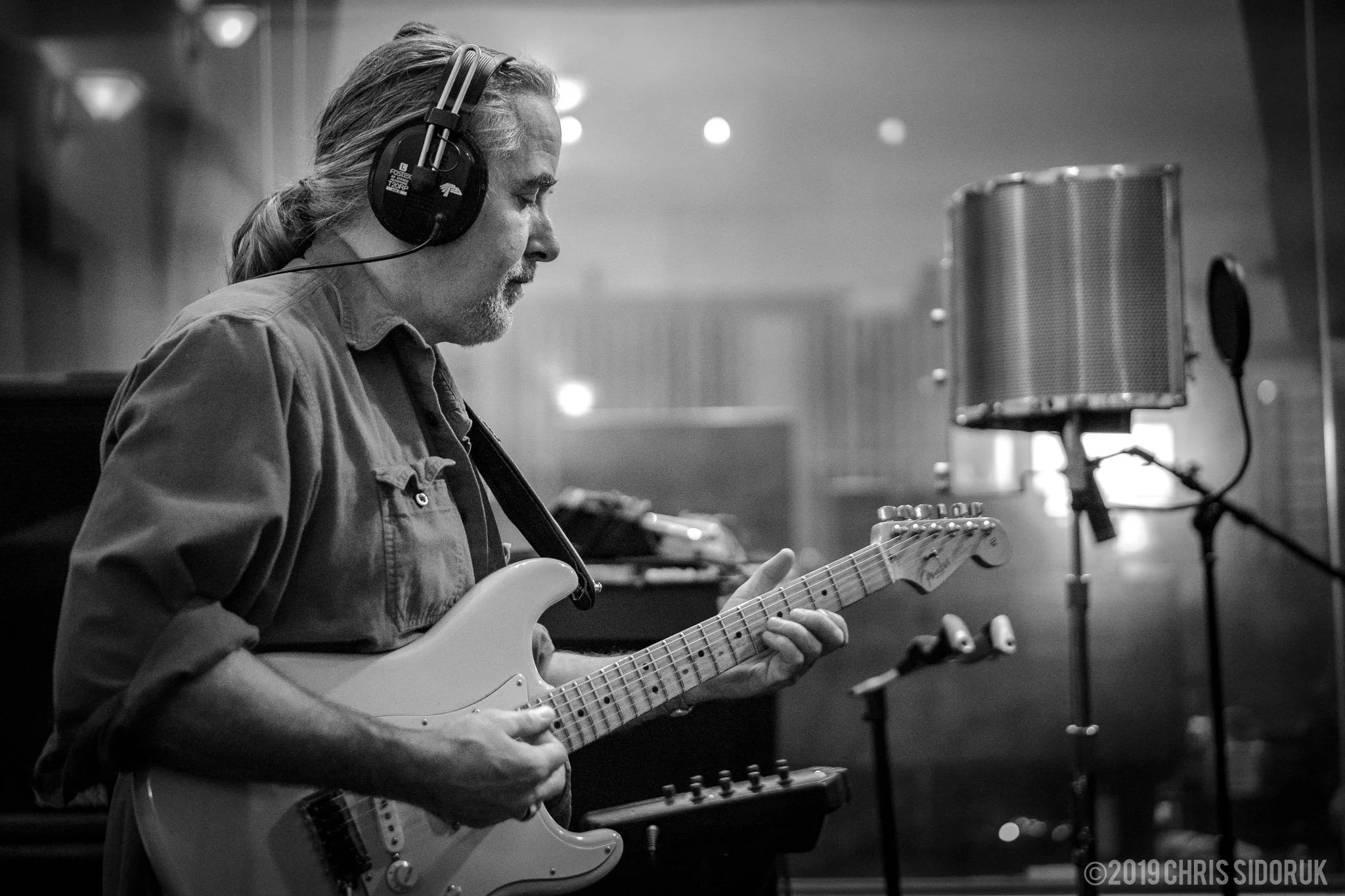
Creamery Station recording at Horizon Studios using the Sony A7 III.
*Some links in this guide are affiliate links. If you purchase through them, it helps support my work at no extra cost to you.
==========
Last Updated: August 2026
Choosing the best Sony camera for concert photography isn't just about megapixels. Live music pushes autofocus, high ISO performance, burst shooting, and subject tracking to their limits. Whether you're photographing local venues or major arena tours, these are the Sony cameras that consistently deliver in difficult stage lighting.
If you’re comparing Sony against other brands, start with my full guide to the best cameras for concert photography, where I cover Canon, Nikon, and budget alternatives as well.
Curious which camera deals were actually worth buying? See my complete recap of Amazon Prime Day Camera Deals 2026 and the biggest verified discounts.
👉 View the Prime Day Camera Deals 2026 Recap
Concert photography places very specific demands on a camera body. Sony excels here for a few key reasons:
Autofocus in low contrast light
Sony’s real-time AF tracking and subject detection remain reliable even under harsh LED lighting and heavy color washes.High ISO performance
Clean files at ISO 3200–12800 are essential for fast shutter speeds during live performances.Silent shooting
Electronic shutters allow discreet shooting during quiet moments or acoustic sets.E-mount lens selection
Sony’s native lens lineup (plus third-party support) gives concert photographers plenty of fast, sharp options.Buffer depth
Concert photographers often shoot bursts during dramatic moments. Cameras with deeper buffers allow longer RAW sequences without slowing down.
With those priorities in mind, here are the Sony bodies that stand out for live music work.
Quick Comparison
If you’re shopping for a Sony camera for concert photography in 2026, here’s a quick breakdown based on real-world shooting needs, not just specs.
Best Sony Cameras by Shooting Style (2026)
SHOOTING LARGE VENUES OR TOURS:
Sony A1 — best all-around performance and reliability in difficult lighting.FAST PERFORMERS & LED-HEAVY STAGES:
Sony A9 III — global shutter eliminates banding and rolling shutter issues.MOST WORKING PHOTOGRAPHERS:
Sony A7 IV — excellent balance of price, autofocus, and low-light capability.BUDGET CONSCIOUS SHOOTERS OR SECOND BODY:
Sony A7 III — still a strong performer, especially on the used market.SMALL VENUES OR LIGHTWEIGHT KITS:
Sony A6700 — compact APS-C option with fast autofocus.
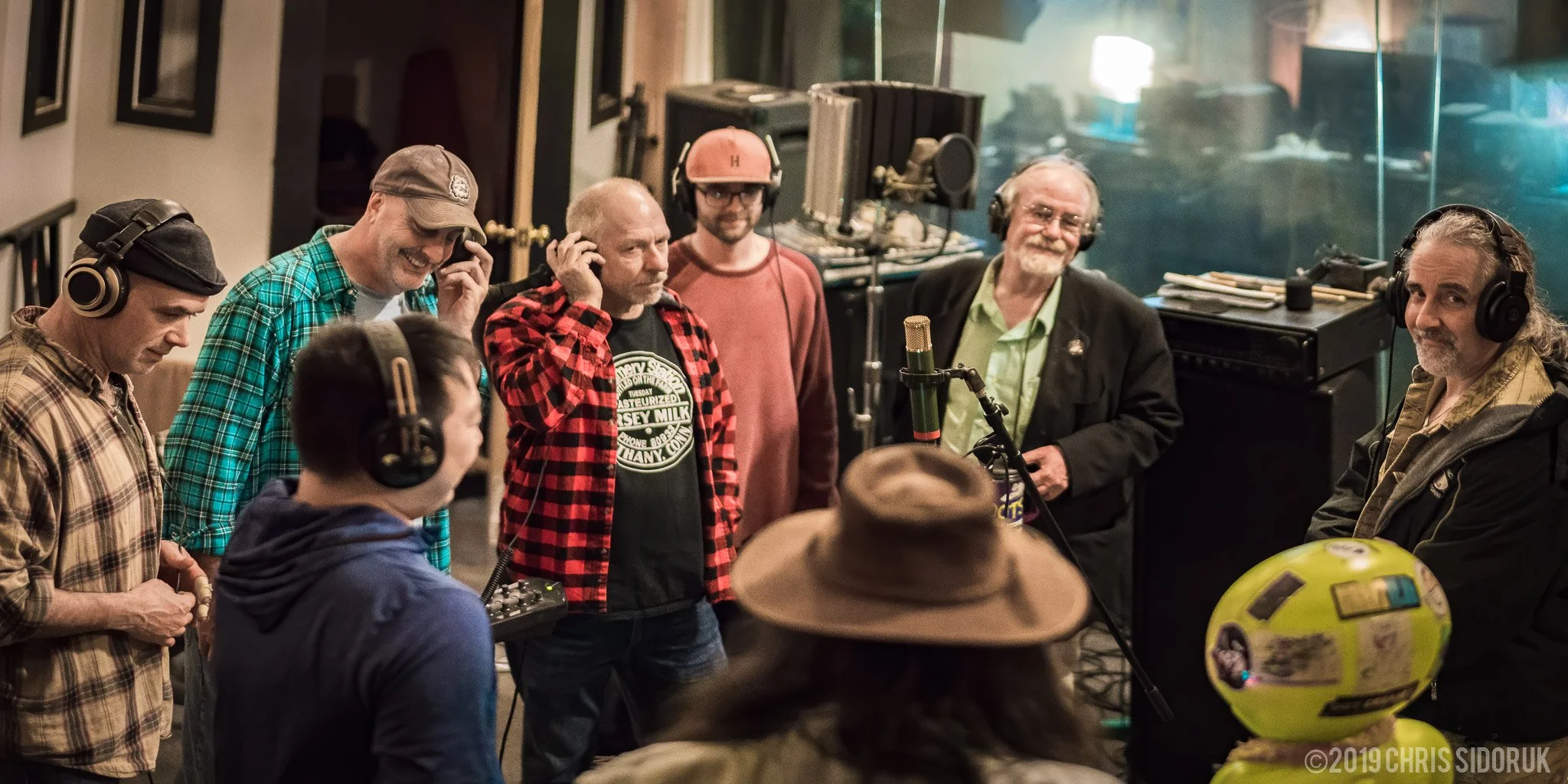
Low-light studio performance photographed with the Sony A7 III.
Sony A1
The Sony A1 is the most complete camera Sony has ever made, and for concert photography, it’s hard to fault.
With a high-resolution sensor, exceptional autofocus, and strong high-ISO performance, the A1 handles everything from intimate club shows to major arena tours.
Why it works for concerts
Outstanding AF tracking on fast-moving performers
Excellent dynamic range for tricky stage lighting
Fast burst rates without sacrificing image quality
Best for: Professional concert photographers, large venues, publication work
Skip if: Budget is a major concern — this is a premium body
Sony A9 III (Global Shutter)
The Sony A9 III is unique thanks to its global shutter, which eliminates rolling shutter and banding under problematic LED lighting, a real advantage at modern concerts.
This makes it especially appealing for photographers dealing with aggressive lighting rigs and fast performers.
Why it stands out
No rolling shutter distortion
No LED banding issues
Extremely fast and accurate autofocus
Trade-off to know:
Global shutter sensors currently don’t match the absolute high-ISO performance of traditional sensors, but for many concert shooters, the lighting advantages outweigh this.
Best for: Fast action, unpredictable lighting, professional pits
Skip if: You prioritize maximum high-ISO image quality above all else
Sony A7 IV
For many photographers, the Sony A7 IV hits the sweet spot.
It delivers excellent autofocus, strong low-light performance, and modern ergonomics at a more accessible price point than Sony’s flagship bodies. It’s also a great option if you shoot both photos and video at concerts.
Why it’s a great all-around choice
Reliable AF in low light
Improved color and menu system
Strong performance for working photographers
Best for: Most concert photographers, hybrid shooters
Skip if: You need flagship speed or resolution
Related: Sony A7 IV Review
Sony A7 IV vs Sony A7 III for Concert Photography
The Sony A7 III helped establish Sony as a leader in full-frame mirrorless cameras, and even years after its release it remains one of the best values on the used market. The Sony A7 IV builds on that foundation with meaningful improvements rather than a complete redesign. For concert photographers, those improvements can translate into more keepers, better tracking, and a smoother overall shooting experience.
The biggest upgrade is autofocus. The A7 IV inherits Sony's newer Real-time Tracking and improved Eye AF technology, allowing it to identify and follow performers more reliably under difficult stage lighting. When musicians move quickly across the stage or lighting changes dramatically from one second to the next, the newer autofocus system simply requires less intervention from the photographer.
Image quality also improves thanks to the jump from 24.2 to 33 megapixels. The extra resolution provides more cropping flexibility without giving up detail, which is particularly useful if you're shooting from the back of a venue or can't move freely around the stage.
Both cameras perform very well at higher ISO settings, although the A7 III holds a slight advantage in pure high-ISO noise due to its lower-resolution sensor. In practice, however, the difference is relatively small, and the A7 IV's improved autofocus often outweighs the minor noise advantage.
Video creators will notice a much larger gap. The A7 IV offers oversampled 4K recording, improved color science, 10-bit internal recording, and significantly more flexibility for hybrid workflows.
Sony A7 IV vs Sony A7 III Comparison
| Feature | Sony A7 IV | Sony A7 III |
|---|---|---|
| Autofocus | Excellent Real-time Tracking & Eye AF | Very good AF, but older tracking system |
| High ISO Performance | Excellent with slightly more detail | Excellent with slightly cleaner noise |
| Buffer Performance | Larger buffer with CFexpress Type A support | Good for most photographers, but slower clearing |
| Video | 4K 60p (APS-C crop), 10-bit 4:2:2, oversampled 4K | 4K 30p, 8-bit internal recording |
| Electronic Viewfinder | 3.69M-dot OLED, higher resolution | 2.36M-dot OLED |
| Typical Price | Higher new purchase price | Outstanding value on the used market |
Autofocus
Sony A7 IV: Excellent Real-time Tracking & Eye AF
Sony A7 III: Very good AF, but older tracking system
High ISO Performance
Sony A7 IV: Excellent with slightly more detail
Sony A7 III: Excellent with slightly cleaner noise
Buffer Performance
Sony A7 IV: Larger buffer with CFexpress Type A support
Sony A7 III: Good for most photographers, but slower clearing
Video
Sony A7 IV: 4K 60p (APS-C crop), 10-bit 4:2:2, oversampled 4K
Sony A7 III: 4K 30p, 8-bit internal recording
Electronic Viewfinder
Sony A7 IV: 3.69M-dot OLED, higher resolution
Sony A7 III: 2.36M-dot OLED
Typical Price
Sony A7 IV: Higher new purchase price
Sony A7 III: Outstanding value on the used market
Best Lenses for Sony Full-Frame Cameras
The camera body is only part of the equation. Choosing the right lens has just as much impact on your image quality, autofocus performance, and shooting experience. Fortunately, Sony's E-mount system offers one of the largest selections of first-party and third-party lenses available today.
Best Budget Lens
If you're just getting started with full-frame photography, the Sony FE 50mm f/1.8 remains one of the best values in the system. It's inexpensive, lightweight, and delivers excellent image quality for portraits, travel, and everyday photography.
Best for:
Beginners
Portraits
Low-light photography
Everyday shooting
Best Prime Lens
For photographers who want outstanding image quality and exceptional low-light performance, the 35mm f/1.4 GM is one of Sony's finest lenses. It's incredibly sharp, focuses quickly, and excels for concerts, weddings, documentary work, and environmental portraits.
Best for:
Concert photography
Weddings
Street photography
Documentary work
Best Standard Zoom
If you only own one professional lens, this is arguably the one to buy. The 24-70mm focal range covers everything from wide scenes to portraits while maintaining a fast f/2.8 aperture throughout the zoom range.
It's an outstanding choice for:
Events
Travel
Commercial photography
Hybrid photo and video creators
Best Third-Party Value
Sigma 24-70mm f/2.8 DG DN Art II
Sigma continues to offer some of the best value lenses for Sony photographers. The updated 24-70mm Art II delivers professional-level sharpness, fast autofocus, and excellent build quality while typically costing less than Sony's flagship alternative.
For photographers looking to maximize value without sacrificing image quality, it's one of the strongest third-party options available.
If you're still deciding which lenses deserve a place in your camera bag, see my complete guide to the Best Lenses for Concert Photography, where I compare Sony, Canon, Nikon, and third-party options for a variety of shooting styles.
For detailed lens recommendations, see my full guide to the best lenses for concert photography, where I break down primes and zooms by shooting style.
Sony A7 III (Still Relevant in 2026)
Despite its age, the Sony A7 III remains one of the best value full-frame cameras for concert photography, especially on the used market.
It may lack some of the latest AF refinements, but its sensor still performs extremely well in low light.
Why it’s still worth considering
Excellent high-ISO performance
Affordable entry into full-frame Sony
Huge availability used and refurbished
Best for: Beginners, budget-conscious shooters, second bodies
Skip if: You want the latest AF features
Sony A6700
APS-C cameras can still work well for concerts, and the Sony A6700 is the strongest option in Sony’s crop-sensor lineup.
Its fast autofocus and compact size make it appealing for small venues or photographers who want a lighter kit.
Why APS-C can make sense
Extra reach for distant stages
Smaller, lighter setup
Strong AF performance in a compact body
Best for: Small venues, travel, lightweight kits
Skip if: You frequently shoot very dark venues
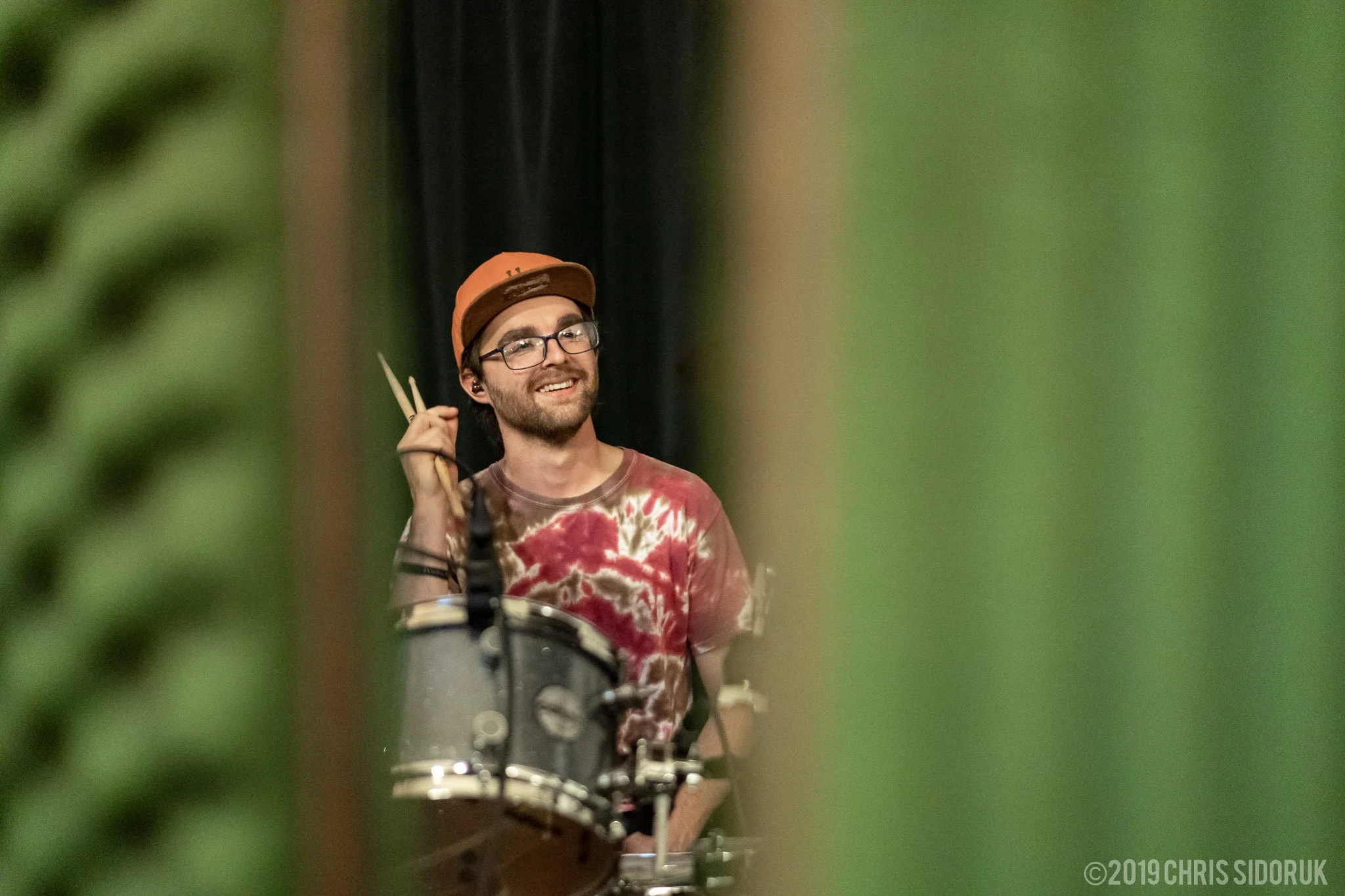
Sony A7 III delivering reliable autofocus during a live recording session.
The right camera depends less on the newest specifications and more on how you actually shoot. Here's a quick breakdown to help narrow your decision.
Choose the Sony A7 III if...
You're shopping on a tighter budget
You're comfortable buying used
You want your first full-frame camera
Photography is your primary focus
You want excellent value for the money
The A7 III remains one of the best value full-frame cameras available and still delivers excellent image quality and autofocus for many photographers.
Choose the Sony A7 IV if...
You shoot both photos and video
You photograph weddings, concerts, or events
You want significantly improved autofocus
Higher resolution is important
You plan to keep the camera for many years
For many photographers, the A7 IV represents the sweet spot in Sony's lineup thanks to its excellent balance of performance, image quality, and hybrid capabilities.
Choose the Sony A7R V if...
Maximum image resolution is your priority
You shoot landscapes or commercial work
You regularly create large prints
Cropping flexibility is important
Choose the Sony A9 III if...
You photograph professional sports
You shoot wildlife
You need blackout-free shooting
Maximum speed is your highest priority
Choose the Sony A1 II if...
You want Sony's flagship camera
You need top-tier performance for both stills and video
Budget is not your primary concern
You shoot professionally across multiple genres
Who Should Skip Sony?
Sony cameras are known for industry-leading autofocus, impressive image quality, and one of the largest mirrorless lens ecosystems available. However, they aren't automatically the best choice for every photographer.
You may prefer another system if:
You prefer Canon's color science and menu system
Nikon's ergonomics and handling feel more natural in your hands
You already own a large collection of Canon EF or Nikon F/Z lenses
Your workflow is built around another camera ecosystem
Modern cameras from Sony, Canon, Nikon, and Fujifilm are all capable of producing exceptional images. The best camera is often the one that feels comfortable to use and fits your shooting style.
If you're still comparing systems, see my complete guide to the Best Cameras for Concert Photography, where I compare today's leading mirrorless cameras across autofocus performance, low-light capability, ergonomics, and overall value.
Final Thoughts
Sony offers one of the strongest lineups for concert photography in 2026, with options that cover every budget and shooting style. From flagship professional bodies to affordable used full-frame cameras, there’s a Sony setup that can handle live music reliably.
If you’re still deciding between systems, I recommend starting with my complete guide to the best cameras for concert photography, where I compare Sony with Canon and Nikon options side by side.
Part of the Photography Gear Buying Guide Series:
→ Explore all of my camera, lens, computer, storage, tripod, and printer recommendations.
Is the Sony A7 IV worth upgrading from the A7 III?
For many photographers, yes. The Sony A7 IV offers a higher-resolution sensor, significantly improved Real-time Tracking autofocus, better Eye AF for both people and animals, enhanced video features, and a more refined overall shooting experience. If you primarily shoot portraits, weddings, concerts, events, or hybrid photo and video work, the upgrade is easier to justify.
If you're happy with your current autofocus performance and mostly shoot still photography, the A7 III continues to deliver excellent image quality and remains one of the best values in Sony's lineup.
Are Sony cameras good for concert photography?
Yes, Sony cameras are well suited for concert photography thanks to fast and accurate autofocus, strong high-ISO performance, and reliable tracking under challenging stage lighting.
Which Sony camera is best for low-light concert photography?
The Sony A1 offers the best overall low-light performance, while the Sony A7 IV provides excellent low-light results at a more accessible price point, and budget shooters may still find strong performance from the Sony A7 III.
Is the Sony A9 III good for concert photography?
Yes, the Sony A9 III’s global shutter eliminates rolling shutter and LED banding, making it especially useful for concerts with fast performers and complex lighting, though high-ISO performance differs from traditional sensors.
Is APS-C good enough for concert photography with Sony?
APS-C cameras like the Sony A6700 can work well for concert photography, especially in smaller venues or when extra reach is helpful, but full-frame cameras generally perform better in very low light.
Which Sony lenses work best for concert photography?
Fast primes and f/2.8 zooms perform best for concerts, and native Sony E-mount lenses offer the fastest autofocus performance for tracking performers in low light.
Is Sony better than Canon for concert photography?
Both Sony and Canon perform well for concert photography, with Sony often leading in autofocus tracking and Canon offering strong color rendering and a more intuitive shooting experience, so the best choice depends on your shooting style.
==========
All images © Chris Sidoruk. No use, copying, or redistribution without license.
Explore more:
