
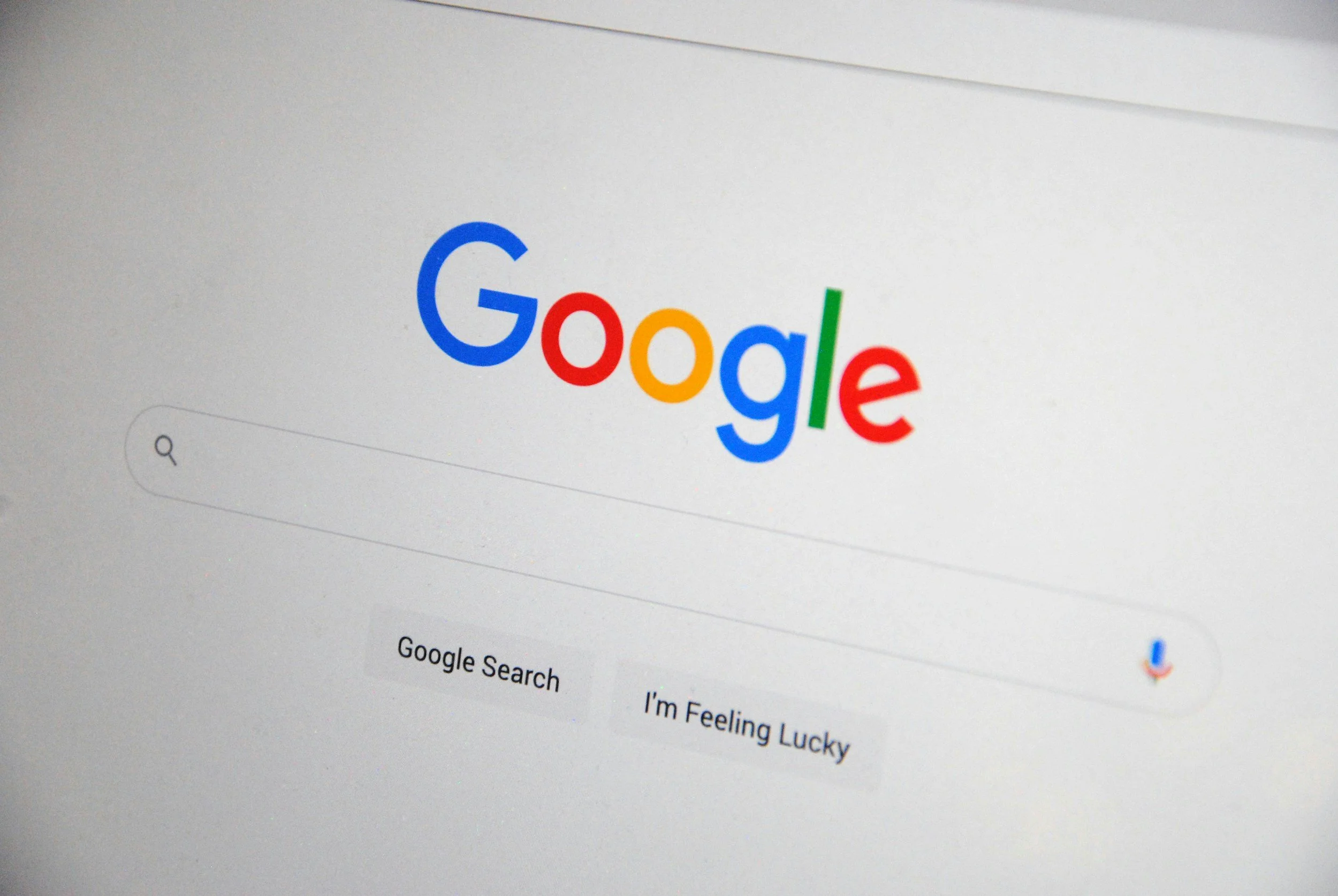
Can You Use Images From Google? Copyright Rules Explained
Disclaimer: This article is intended for educational purposes only and should not be considered legal advice. If you need legal advice regarding a specific copyright matter, consult a qualified attorney.
==========
Quick Answer
No. Images found through Google Images are not automatically free to use. Google Images is a search tool, not a source of public domain photos. You must check the image's copyright status, licensing terms, and usage permissions before using it.
Introduction
A common misconception in business, marketing, and education is the assumption that images found through Google search are free to use.
Because Google makes images instantly accessible, it creates the illusion of public availability. However, most images shown in search results are protected by copyright and owned by the original creator.
This page exists as a reference hub to help clarify how image rights actually work online, and to connect readers to deeper explanations of copyright law, ownership, and licensing.
If you are new to the topic, you may also want to read:
Are Images on Google Free to Use?
No. Images appearing in Google search results are not free to use by default.
Google functions as a search engine, not a licensing platform. It indexes images from across the internet, including:
Photography websites
News publications
Blogs and editorial sites
Social media platforms
Stock image libraries
Personal portfolios
In almost all cases, the original creator retains full copyright ownership.
Key principle:
Finding an image on Google does not grant usage rights.
For a deeper explanation of how ownership works automatically at the moment of creation, see:
Why Google Images Creates Confusion
The misunderstanding comes from how search engines present content.
Images appear in a simple grid and are instantly accessible, which leads many users to assume they are publicly usable.
However, accessibility does not equal permission.
Most images shown in Google search results:
Are not licensed for reuse
Do not include commercial rights
Remain protected by copyright law
Require explicit permission or licensing for use
Even images labeled visually in search results are still governed by their original source licensing terms.
What Copyright Means for Online Images
Copyright is the legal framework that gives creators ownership over their original work.
For photography and digital imagery, copyright typically grants exclusive rights to:
Reproduce the image
Distribute or publish it
Display it publicly online or in print
Use it commercially or in marketing
Create derivative works or modifications
These rights exist automatically under U.S. law at the moment the image is created.
To understand how this applies specifically to photographers, see:
Can Businesses Use Google Images for Marketing?
In most cases, no.
Using images found on Google without proper licensing can create copyright infringement risk, especially in commercial contexts such as:
Business websites
Advertising campaigns
Social media marketing
Blog content for SEO
Branding and promotional materials
Even if an image is edited, cropped, or filtered, it is still protected by copyright law.
What About “Free” Images Online?
Not all images online are restricted; but they must come from clearly defined licensing systems.
Common legal image sources include:
Creative Commons-licensed images
Stock photo platforms
Public domain archives
Licensed photographer portfolios
However, each comes with conditions such as:
Attribution requirements
Non-commercial restrictions
Modification limits
Usage scope limitations
The critical difference is:
Licensed images include explicit permission. Google search results do not.
What Happens If You Use an Image Without Permission?
Using copyrighted images without permission can result in:
Copyright infringement claims
DMCA takedown notices
Licensing fee demands after publication
Potential legal exposure for businesses
Loss of credibility or brand trust
Most enforcement actions begin with a simple removal or licensing request, but commercial misuse can escalate depending on context.
Why This Matters for Businesses
Visual content is essential for modern marketing and communication. Businesses rely on imagery for:
Brand identity
Website design
Social media engagement
Advertising performance
SEO-driven content
However, using unlicensed images introduces unnecessary legal and reputational risk.
Understanding image rights helps businesses:
Avoid accidental infringement
Build compliant marketing systems
Respect creative ownership
Improve content credibility
For deeper context on copyright protection itself, see:
A Simple Rule for Safe Image Use
A reliable guideline used by professionals is:
If you did not create it or license it, assume it is not free to use.
This mindset prevents most accidental misuse and aligns with standard industry practices.
Where Businesses Should Source Images Instead
Rather than relying on Google Images, businesses should use:
Licensed stock photography platforms
Direct photographer licensing
Original brand photography
Commissioned creative work
These sources provide clear usage rights and reduce legal uncertainty.
If you are exploring how photographers structure usage rights and licensing, this page may help:
Internal Knowledge Hub: Learn More About Copyright
This page is part of a broader copyright education cluster designed to clarify ownership, protection, and usage rights in photography.
You may also find these helpful:
These resources go deeper into how copyright works, how ownership is established, and how photographers protect their work long-term.
Final Takeaway
Images found on Google are almost always protected by copyright and are not free to use without permission.
For businesses, marketers, and content creators, the safest approach is to assume that every online image is owned unless explicitly licensed otherwise.
This simple understanding helps prevent legal risk while supporting a more ethical and sustainable creative ecosystem.
==========
