Copyright Registration Benefits For Photographers

Copyright symbol. An import symbol to mark your creative works and give notice that you own the rights to the work.

Image by OpenIcons from Pixabay


*** DISCLAIMER***

This article is meant to be general information. IT IS NOT LEGAL ADVICE. Copyright law is complex and every case is different.

If you need help with copyright matters, contact an attorney who specializes in Intellectual Property and Copyright.

I. Introduction

Photography is not just a hobby; it's an art form, a means of expression, and for many, a livelihood. Photographers invest countless hours, creativity, and resources in capturing moments that evoke emotions and tell stories. These images hold intrinsic value, making it essential for photographers to protect their work.

In a world where images are shared at a rapid pace, often across the internet and social media, the risk of unauthorized use, reproduction, or distribution of your photos is ever-present.

Your images are your intellectual property, and, just like any other form of art, they deserve to be safeguarded. One way to ensure this protection is by registering your photos with the U.S. Copyright Office.

II. Understanding Copyright Protection

Before diving into the importance of registration, let's first understand copyright protection. In the world of photography, copyright is a legal concept that automatically comes into effect the moment you capture an image.

Unless you are taking photos as an official employee of a company and are on their payroll or you have signed a “work for hire” agreement, this means that as a photographer, you automatically hold the copyright to your work. But what does this entail?

Copyright essentially grants you exclusive rights to your photographs.

It means you have the sole authority to:

  1. Reproduce:

    This right allows you to make copies of your images, whether in print or digital form.

  2. Distribute:

    You can decide who can distribute your photos and under what circumstances.

  3. Display:

    The power to showcase your work, whether in a gallery, on your website, or through social media, belongs to you.

  4. Create Derivative Works:

    You have the creative control to build upon your original images, whether it's through edits, adaptations, or incorporating them into larger projects.

  5. Sell or License:

    You can sell your photographs or license them to others, granting them specific rights to use your work.

These exclusive rights are crucial because they enable you, the photographer, to control how your images are used, who can profit from them, and where and how they are displayed. It's a fundamental aspect of protecting your artistic and financial interests.

It's important to note that copyright protection is automatic from the moment you take a photo. You don't need to register your photos to have these rights. The act of creating the image grants you copyright ownership.

This inherent copyright protection is why the phrase "All rights reserved" often accompanies photographs or other creative works. It signifies that the creator holds all the rights granted by copyright law.

However, there's a significant distinction between having copyright and enforcing it. Without copyright registration, enforcing your rights and pursuing legal action in the event of infringement becomes significantly more challenging.

This is where registering your photos with the U.S. Copyright Office becomes essential, as it offers a layer of legal protection and a clear path for enforcement.

III. Benefits of Registering Photos with the U.S. Copyright Office

  • Legal Protection and Enforcement

    One of the primary reasons photographers should register their photos with the U.S. Copyright Office is the enhanced legal protection and enforcement it provides.

    1. Access to Federal Courts:

    Copyright registration opens the door to federal courts. If someone infringes on your copyrighted photographs, you have the legal standing to sue them in a federal court. This is significant because federal courts offer a more powerful platform for protecting your rights compared to state or local courts. The outcomes in federal courts can lead to more substantial damages and penalties for the infringing party.

    2. Statutory Damages:

    Registering your photos within 3 months of publication or before an infringement also grants you access to statutory damages. In cases of copyright infringement, you can seek statutory damages without having to prove the actual damages you incurred. As actual damages are often had to prove, this is a valuable provision that can result in significant financial compensation in your favor.

    3. Attorney's Fees:

    In cases where you win your copyright infringement lawsuit, you may be eligible to recover attorney's fees. This can significantly reduce the financial burden of pursuing legal action, making it a more accessible option for photographers to protect their work.

    4. Presumption of Validity:

    Registered photos carry a presumption of validity in court. This means that your ownership of the copyright is assumed valid unless the opposing party can provide substantial evidence to the contrary. This presumption can simplify the legal process and strengthen your case.

    5. Global Enforcement:

    Copyright registration is also crucial if you have an international audience or if your photos are distributed worldwide. The U.S. Copyright Office offers a strong foundation for enforcing your rights, and many countries have international agreements and treaties that recognize and protect the copyrights of U.S. creators. This can help safeguard your work on a global scale.

    Legal protection and enforcement are the backbone of copyright registration. While your photos are inherently protected by copyright the moment you create them, registration takes that protection to a new level.

    It ensures that, in the unfortunate event of copyright infringement, you have the legal tools and backing needed to defend your creative assets, seek compensation, and maintain the integrity of your work, both nationally and internationally.

  • Proof of Ownership

    In the world of creative work, particularly photography, proving ownership is of paramount importance. This is where copyright registration comes into play, as it offers indisputable proof of ownership for your photographs. Let's dive deeper into why this is significant:

    1. Legal Credibility:

    When you register your photos with the U.S. Copyright Office, you are essentially creating a legal record of your work. This is invaluable when it comes to asserting your ownership in cases of dispute. Having your photos registered demonstrates to the world, including potential infringers, that you are the legitimate owner of the copyrighted material.

    2. Public Record:

    Copyright registration is a public record. This means that anyone who wishes to verify the ownership of a specific work can do so easily by checking the U.S. Copyright Office's records. This public record serves as a transparent and easily accessible proof of your ownership.

    3. Preservation of Evidence:

    In a digital age where files can be easily altered or deleted, copyright registration preserves your ownership evidence. It creates an official and unalterable record that stands as a testament to your authorship. This is especially important in an era where digital images can be easily copied, shared, and manipulated.

    4. Resolving Disputes:

    In the unfortunate event of a copyright dispute, having a registered photo can simplify the process of resolving the conflict. You can readily provide the registration certificate as evidence of your ownership. This can expedite negotiations, reduce legal costs, and help establish a clear chain of ownership.

    5. Legacy and Estate Planning:

    Copyright ownership doesn't just protect your work during your lifetime but also extends to your heirs. It's a part of your artistic legacy. When your photos are registered, it becomes easier to pass on the rights to your work to your loved ones as part of your estate planning.

  • Deterrent for Infringement

    The very act of displaying a copyright notice along with your registered work can sometimes serve as a deterrent to potential infringers. When they see that your photos are legally protected, they may think twice before using them without your permission.

    Copyright registration ensures that your ownership is not only evident but also legally backed, offering a solid foundation upon which you can build your reputation and career as a photographer.

  • Compensation in Case of Infringement

    One of the significant benefits of registering your photos with the U.S. Copyright Office is the ability to seek compensation in case of copyright infringement. This aspect is essential for photographers, as it provides a strong incentive for potential infringers to respect your copyright.

    1. Statutory Damages:

    Copyright registration grants you the right to seek statutory damages in cases of infringement. Statutory damages are predetermined monetary awards specified by copyright law. You don't need to prove actual financial losses or profits gained by the infringing party. These damages can range from hundreds to thousands of dollars per infringement and can quickly accumulate, especially if multiple works are involved.

    2. Actual Damages and Profits:

    If actual damages are of higher value than statutory damages, registered photos also allow you to seek actual damages and profits obtained by the infringing party instead. This means that you can pursue compensation based on the harm caused to you and the financial gains made by the infringer as a result of their unlawful use of your work.

    3. Attorney's Fees:

    If you prevail in a copyright infringement case, you may also be eligible to recover attorney's fees. This provision can significantly reduce the financial burden of pursuing legal action, making it more feasible for photographers to protect their rights. It ensures that even if you need to take legal action, you can potentially do so without incurring substantial legal costs.

    4. Strong Legal Backing:

    When you have registered your photos, you have a legal certificate as proof of ownership and protection. This, in turn, strengthens your position when seeking compensation. Potential infringers are more likely to take your claims seriously and may be more willing to settle disputes in your favor to avoid the legal consequences.

    5. Legal Recourse:

    Copyright registration gives you a clear legal path for recourse. You can initiate a lawsuit in federal court and present a solid case, backed by your registration, to assert your rights and seek damages. This legal recourse ensures that you have the tools and the means to defend your creative assets.

    Compensation in the case of infringement is a vital aspect of copyright registration that empowers photographers to protect their work and their livelihood. It provides a strong financial incentive for potential infringers to respect copyright and offers legal channels through which photographers can seek redress in case of unlawful use of their photos.

  • International Protection

    Copyright registration with the U.S. Copyright Office provides an often overlooked but crucial benefit – international protection for your photographs. In an increasingly globalized world, where your work can be shared and accessed worldwide, understanding the international implications of copyright registration is essential. Here's why it matters:

    1. Berne Convention and Other Agreements:

    The United States is a signatory to international agreements and conventions such as the Berne Convention for the Protection of Literary and Artistic Works. These agreements ensure that your copyright is recognized and protected in member countries. Your registered photos are automatically safeguarded in over 170 countries that are part of these international agreements.

    2. Uniform Standards:

    International copyright agreements establish uniform standards for copyright protection. This means that the rights you have in the United States extend to other member countries, ensuring that your work receives consistent protection.

    3. Global Audience:

    With the internet and social media, your photos can be viewed, shared, and potentially used by a global audience. Copyright registration acts as a safety net, providing protection beyond your country's borders. It dissuades international entities from using your work without authorization.

    4. Legal Recourse Abroad:

    In case of infringement in a foreign country, your U.S. copyright registration offers a valuable legal foundation to pursue legal action in that country. This makes it possible for you to assert your rights internationally, even if you're not physically present in the infringing party's jurisdiction.

    5. Global Licensing Opportunities:

    International protection opens doors to global licensing opportunities. It allows you to license your photos for use in different countries, expanding your potential revenue streams and audience reach.

    6. Cross-Border Content Monetization:

    In an age where content can be monetized across borders, having international protection through copyright registration is a strategic move. It ensures that you can capitalize on your work's value beyond your home market.

    With the world becoming increasingly interconnected, having international copyright protection is a smart and proactive step that can safeguard your photos on a global scale and open up new opportunities for your photography business or artistic career.

  • Duration of Copyright

    Understanding the duration of copyright protection is vital for photographers who wish to secure their creative legacy and the long-term value of their work. The duration of copyright protection for registered photos is essential to consider:

    1. Lifetime of the Photographer:

    Copyright protection typically lasts for the lifetime of the photographer plus 70 years. This extended period ensures that your creative rights are secured during your lifetime and continue to benefit your heirs or estate long after you've passed away. This is crucial for maintaining the financial value of your work and preserving your artistic legacy.

    2. Continued Revenue Streams:

    The extended duration of copyright allows for the continued monetization of your photographs. Even after you're no longer actively creating new work, you and your heirs can benefit from ongoing licensing, sales, and usage of your existing photos. This can be a significant source of revenue for your family or beneficiaries.

    3. Artistic Legacy:

    For many photographers, their work is a testament to their artistic legacy. It represents their unique vision, style, and contribution to the world of photography. Copyright protection ensures that this legacy is preserved and that your work continues to be associated with your name and reputation.

    4. Cultural Contribution:

    Photographs often have cultural and historical significance. By protecting your work for an extended duration, you contribute to the preservation of cultural and historical heritage. Your photos may be used in educational materials, exhibitions, or publications well into the future.

    5. Resale and Collectibility:

    Copyright protection also plays a role in the resale and collectibility of your photographs. As your work gains value over time, collectors and art enthusiasts may be interested in owning or displaying your photos. The copyright ensures that these transactions are carried out within a legal framework.

    6. Global Impact:

    The extended duration of copyright protection applies not only within the United States but can also have an impact on how your work is treated internationally. It ensures that your creative rights are respected and preserved in foreign countries as well.

    By extending your creative rights well beyond your own lifetime, copyright registration ensures that your work continues to be valued, respected, and relevant to future generations of photographers, art enthusiasts, and the broader public.

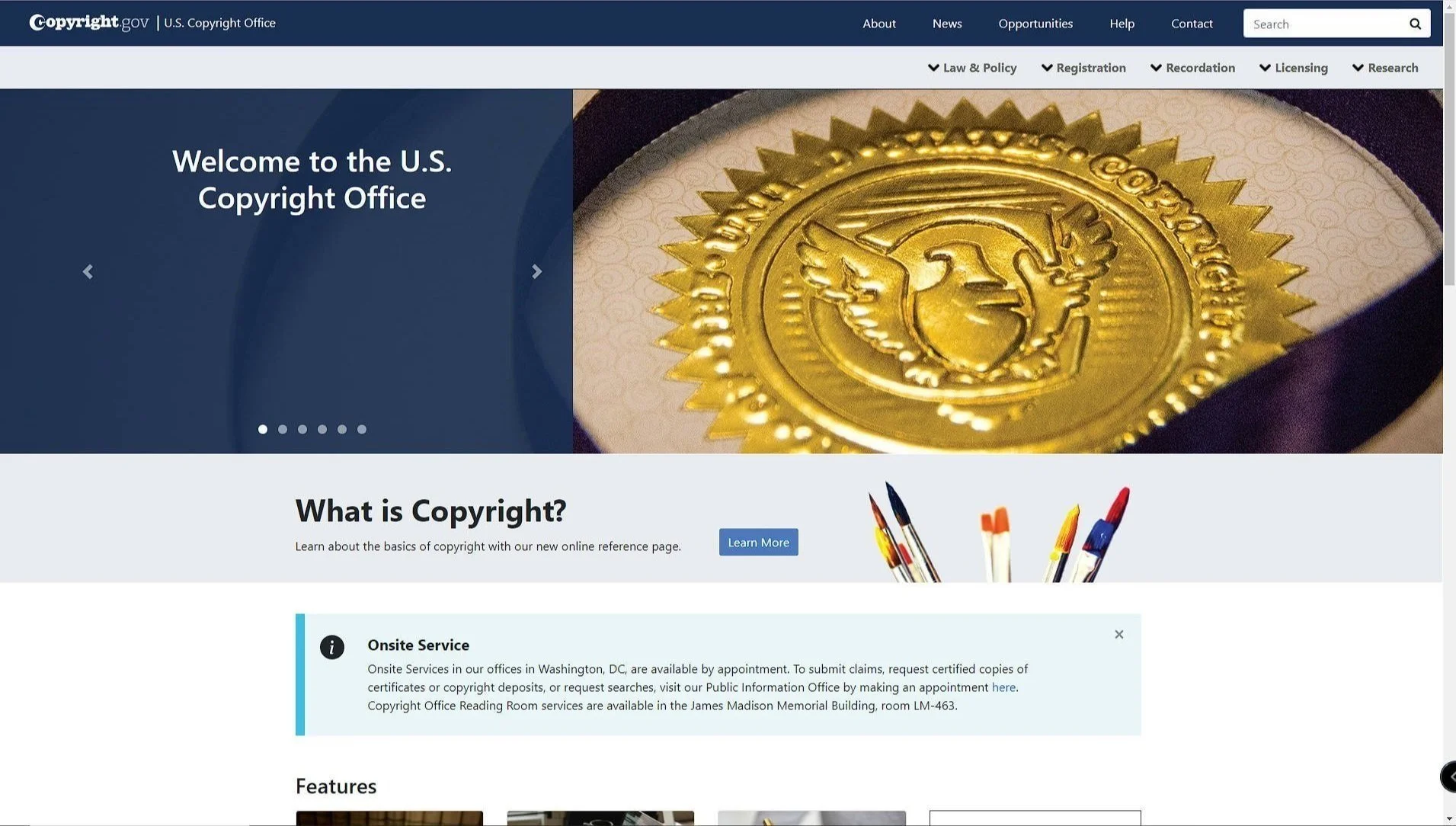
Screenshot of the U.S. Copyright Office website.

Screenshot of the U.S. Copyright Office website.

IV. How to Register Your Photos

The process of registering your photos is relatively straightforward:

  • Registration Process

    Registering your photos with the U.S. Copyright Office may seem like a complex task, but it's a crucial step to protect your creative assets. Here's a breakdown of the registration process to make it more understandable:

    1. Visit the U.S. Copyright Office Website:

    The first step in the process is to visit the official U.S. Copyright Office website. This is where you'll find all the information and resources you need to register your photos.

    2. Online Application:

    The U.S. Copyright Office offers an online registration system, which is the most convenient way to register your photos. You'll need to create an account and fill out the online application. This application will ask for essential information, including your name, contact details, and a description of the work you're registering.

    3. Pay the Registration Fee:

    There is a fee associated with registering your photos. The cost varies depending on the type of work you're registering and the method of submission. Make sure to pay the required fee through the online registration system. The investment is well worth the protection it provides for your creative assets.

    4. Submit a Copy of Your Photos:

    You'll need to submit copies of the photos you want to register. The submission process varies depending on the number of photos you're registering and the format in which you're submitting them. In most cases, digital copies are preferred. Follow the guidelines provided by the U.S. Copyright Office to ensure your submission meets their requirements.

    5. Wait for Processing:

    After you've completed the online application, paid the registration fee, and submitted your photos, the U.S. Copyright Office will process your registration. This process can take several months, so it's advisable to register your photos as early as possible, especially if you're concerned about potential infringement.

    6. Receive Your Registration Certificate:

    Once your registration is processed and approved, you'll receive a registration certificate from the U.S. Copyright Office. This certificate is a legal document that serves as proof of your copyright ownership. It includes important details about your registered work and the terms of protection.

    7. Maintain Records:

    It's essential to maintain thorough records of your registered photos, including the registration number, dates, and titles. These records will be valuable in the event of a dispute or if you need to assert your rights.

    8. Renewals and Updates:

    Remember that copyright registration isn't a one-time process. While the initial protection lasts for a significant duration, you may need to renew or update your registration in the future to ensure ongoing protection.

    By following these steps, you can ensure that your photos are legally protected, giving you peace of mind and the ability to enforce your rights if ever needed.

Check out this video guide to the copyright registration process from photographer Jordan Powers.

  • Cost of Registration

    The cost of registering your photos with the U.S. Copyright Office is an important consideration for photographers, especially those just starting their careers. Understanding the financial aspect of copyright registration is essential. Here's an explanation of the cost of registration:

    1. Basic Registration Fee:

    The primary cost of copyright registration is the basic registration fee. This fee covers the processing of your registration application and the issuance of your registration certificate. The amount can vary depending on the type of work you're registering and the method of submission. As of this writing in October 2023, the basic registration fee typically ranges from $45 to $65 for online submissions.

    2. Group Registrations:

    The U.S. Copyright Office offers the option of group registrations, allowing you to register multiple photos together as a single work. This can be a cost-effective approach, especially for photographers with extensive portfolios. The fee for group registrations is usually lower than registering each photo individually.

    3. Special Handling:

    If you require expedited processing of your registration due to urgent circumstances, such as an impending lawsuit, you may opt for special handling. Special handling involves an additional fee on top of the basic registration fee.

    4. Additional Costs:

    It's important to be aware of potential additional costs. For example, if you choose to send physical copies of your photos as part of your submission, you'll need to consider the cost of printing and shipping. Additionally, you may incur fees related to updates, corrections, or renewals in the future.

    5. Legal and Professional Fees:

    While not directly related to the U.S. Copyright Office's fees, it's worth noting that some photographers choose to seek legal or professional assistance in the registration process. This can come with its own set of fees, but it can also ensure that your registration is accurate and well-prepared.

    6. Value Proposition:

    When considering the cost of registration, it's crucial to weigh it against the benefits it offers.

    While there is an expense involved, the protection, legal benefits, and potential compensation in case of infringement far outweigh the initial cost. Think of it as an investment in your creative assets and your photography career.

    It's important to keep in mind that fee structures may change over time, so it's advisable to check the U.S. Copyright Office's website for the most up-to-date information regarding registration fees.

    Ultimately, the cost of registration is a relatively small price to pay for the extensive legal protection and peace of mind it provides for your valuable creative work as a photographer.

Mailed certificate; group registration of photos from 2018.

Mailed certificate; group registration of photos from 2018.

V. Maintaining Copyright Records

Maintaining copyright records is an essential part of safeguarding your creative work and ensuring that your copyright remains effective. Here's a detailed explanation of the process and why it's important:

1. Documenting Key Information:

Start by documenting all the key information related to your copyrighted photos. This includes the title of each work, the date of creation, and the registration number provided by the U.S. Copyright Office. You should also have a copy of your registration certificate. This information serves as your official record of ownership.

2. Physical and Digital Records:

It's wise to maintain both physical and digital copies of your copyright records. Physical records might include printed certificates and any relevant paperwork, while digital records can be stored securely on your computer or in the cloud. Digital copies are essential for quick and easy access.

3. Organization:

Organize your records systematically. This can be as simple as maintaining a folder on your computer with digital copies and having a dedicated physical file for hard copies. Clearly label and date your records for easy reference.

4. Safe Storage:

Ensure that your copyright records are stored safely. Physical copies should be kept in a secure location, such as a fireproof safe. Digital copies should be protected with strong passwords and, if possible, encrypted for added security.

5. Backups:

Regularly back up your digital records. Use reliable backup solutions to prevent the loss of this crucial information in case of computer failure, theft, or data corruption.

6. Updates and Amendments:

If you make updates or amendments to your registered photos, be sure to maintain records of these changes. This can include new versions, edits, or any additional documentation related to the photos.

7. Renewal and Updates:

Stay informed about the duration of your copyright protection. Copyright registration doesn't last indefinitely, and you may need to renew or update your registration to maintain your rights.

8. Access for Heirs:

Consider how your copyright records will be accessed by your heirs or estate. Provide clear instructions and access information so that your family can manage your copyright assets after your passing.

9. Digital Security:

With the increase in digital assets, digital security is paramount. Protect your digital records from cyber threats, including hacking and data breaches. Use strong passwords, two-factor authentication, and regularly update your security measures.

10. Digital and Physical Records Cross-Reference:

Ensure that your digital and physical records cross-reference each other. Your digital files should indicate where the corresponding physical records are stored, and vice versa.

Maintaining copyright records is more than just a bureaucratic requirement. It's a critical aspect of protecting your creative assets, preserving your rights, and ensuring that you have a clear, well-documented history of your work.

These records can be invaluable in the event of copyright disputes, licensing agreements, or the transfer of rights to heirs. They provide peace of mind and a solid foundation for managing and monetizing your photographic creations.

VI. Alternatives to Registration

While copyright registration offers significant benefits, it's important to explore the alternatives available to photographers who may not wish to go through the registration process. Here are some alternatives to consider:

1. Inherent Copyright Protection:

It's essential to understand that copyright protection is inherent. As soon as you create a photograph, you automatically have copyright rights to it. This means you can control how it's used, shared, and distributed, even without formal registration. However, inherent copyright protection is limited in terms of legal enforcement and potential damages in case of infringement.

2. Watermarking and Attribution:

Adding watermarks to your photos and requiring attribution when they are used can act as a deterrent to unauthorized use. While it doesn't provide the same legal protection as registration, it can help in tracking and proving the misuse of your work.

3. Contracts and Licensing Agreements:

Photographers can enter into contracts and licensing agreements with those who wish to use their photos. These agreements specify the terms of use, fees, and any limitations on how the photos can be used. While this doesn't replace copyright registration, it can provide a level of protection and control over your work.

4. Digital Fingerprinting and Tracking:

Some digital platforms and services offer digital fingerprinting and tracking of your images. These tools can help you monitor the use of your photos online and detect instances of unauthorized usage.

5. Public Domain and Creative Commons:

Photographers can choose to release their work into the public domain or under Creative Commons licenses. These alternatives allow you to specify how others can use your photos. For example, Creative Commons licenses can grant certain permissions for free use while retaining some copyright control.

6. Trade Organizations and Associations:

Joining photography trade organizations and associations can provide networking opportunities and support in cases of copyright infringement. These organizations may offer legal resources and advocacy on behalf of their members.

7. Traditional Copyright Practices:

Photographers can follow traditional copyright practices, such as maintaining thorough records of their work, including creation dates and proofs of authorship. While this doesn't replace registration, it can help in disputes over copyright ownership.

It's important to note that while these alternatives provide some level of protection and control over your work, they don't offer the same legal backing, statutory damages, and enforcement capabilities as copyright registration.

Registration remains the most robust and secure method of protecting your creative assets. Consider these alternatives in conjunction with registration or as interim measures if full registration is not feasible at a given time.

VII. Conclusion

In the world of photography, where every shot tells a unique story and captures a moment, the importance of safeguarding your creative assets cannot be overstated. As a photographer, your work is a reflection of your artistry, dedication, and passion.

Copyright registration is not just a formality; it's a shield that guards your intellectual property, preserving your rights and enabling you to control how your photos are used. It offers robust legal protection, a clear path for enforcement, and the potential for compensation in case of infringement.

While there is a cost associated with registration, the benefits far outweigh the financial investment. It's a small price to pay for the peace of mind that comes with knowing your creative endeavors are legally safeguarded.

Maintaining copyright records is a responsibility that ensures your ownership is well-documented, organized, and easily accessible. It's a critical aspect of preserving your rights, managing your creative assets, and facilitating future transactions.

Whether you're an aspiring photographer or a seasoned professional, the decision to register your photos is a pivotal one. It's a declaration that your work matters, that your creativity is worth safeguarding, and that your artistic journey is deserving of recognition and protection.

More Photography Articles

Previous
Previous

Exploring St. John, USVI: A Comprehensive Travel Guide

Next
Next

Amazon Prime Big Deals Day 2023: Save on Cameras & Storage