

What Is Copyright in Photography? Ownership, Rights & Protection Guide

Image by mohamed_hassan / Pixabay
Disclaimer: This article is for educational purposes only and should not be considered legal advice. For specific copyright questions, consult a qualified attorney.
===========================
Quick Jump
- What Is Copyright in Photography?
- Do Photographers Automatically Own Copyright?
- What Rights Does Copyright Give Photographers?
- Who Owns Copyright of a Photograph?
- Photo File Ownership vs Copyright Ownership
- Copyright vs Photography Licensing
- Why Photographers Register Copyright
- Can Someone Use a Photo Found Online?
- How Photographers Protect Their Images
- Common Photography Copyright Misunderstandings
- Frequently Asked Questions
Copyright is one of the most important concepts photographers need to understand—but it is also one of the most misunderstood.
Every photograph has ownership attached to it the moment it is created. But many people are unclear about what that ownership actually means.
Common questions include:
Who owns a photograph after it is taken?
Does buying a photo mean you own the copyright?
Can someone use an image they found online?
What rights does a photographer actually have?
How does licensing relate to copyright?
These questions matter more than ever in a digital world where photographs can be copied, shared, downloaded, and reused within seconds.
For photographers, copyright protects creative work and provides the foundation for licensing, commercial use, and protecting images from unauthorized usage.
For businesses, clients, and individuals, understanding copyright helps prevent accidental misuse and ensures photographers are properly compensated for their work.
This guide explains photography copyright in simple terms, including who owns images, what rights photographers have, how licensing works, and how creators can protect their photographs.
Disclaimer: This article is for educational purposes only and should not be considered legal advice. For specific copyright questions, consult a qualified attorney.
What Is Copyright in Photography?
Copyright is a form of intellectual property protection that gives creators legal control over their original creative works.
In photography, copyright protects original photographs and determines:
Who owns the image
Who can reproduce it
Who can distribute it
Who can display it publicly
Who can modify or create derivative versions
Who can grant permission for others to use it
Simply put:
Copyright is the legal ownership and control of a photograph.
A photograph is not just a digital file. It is a creative work protected by law.
When a photographer creates an original image, copyright establishes that the creator has rights over how that image is used.
This protection applies whether the photograph is:
A landscape image
A concert photograph
A portrait
A wedding image
A commercial photograph
A fine art print
A personal project
Copyright exists because creative work has value, and creators need a way to control how that work is shared, reproduced, and monetized.
What Does Copyright Protect?
Copyright protects the creative expression contained in a photograph—not the physical subject itself.
For example:
A photographer may own the copyright to a photograph of a lighthouse, but they do not own the lighthouse itself.
A photographer may own the copyright to a concert image, but they do not own the musician, venue, or performance.
Copyright applies to the specific creative work created by the photographer.
Examples of protected elements include:
The photograph itself
The composition
The captured moment
The creative choices made during creation
The final edited image
Do Photographers Automatically Own Copyright?
Yes. In most situations, photographers automatically own copyright to their photographs the moment the image is created.
This is one of the most important concepts in photography copyright.
Copyright does not begin when a photographer:
Registers an image
Adds a watermark
Uploads it to a website
Publishes it on social media
Sells a print
Creates a licensing agreement
Copyright begins when the original creative work is created and fixed in a tangible form.
For photographers, that usually means the moment the image is captured and saved as:
A RAW file
A JPEG
A film negative
Another permanent recording format
The photographer who presses the shutter is generally the copyright owner.
Copyright Exists Automatically at Creation
Many photographers believe they need to complete a formal process before they own copyright.
That is incorrect.
Copyright protection exists automatically once an original photograph is created.
A photographer does not need to:
Register every image immediately
Add copyright information to metadata
Publish the photograph online
Sell the photograph
Display a copyright notice
Those steps can help with protection, documentation, and enforcement—but they do not create copyright ownership.
Does Posting a Photo Online Give Someone Permission to Use It?
No.
Publishing a photograph online does not remove copyright protection.
A common misconception is:
"If a photo is publicly visible, anyone can use it."
That is false.
A photograph posted on:
Instagram
Facebook
A personal website
A photography portfolio
A blog
A search engine result
is still protected by copyright.
Online visibility only means people can view the image. It does not mean they have permission to copy, download, modify, or use it commercially.
Permission must come from the copyright owner unless a specific license or legal exception applies.
Why Automatic Copyright Matters for Photographers
Automatic copyright ownership gives photographers control over the value of their work.
Without copyright protection, anyone could:
Copy images from photographer websites
Use photographs in advertisements
Repost images without permission
Sell prints of someone else's work
Modify images and claim ownership
Copyright creates a legal framework that allows photographers to decide:
Where images appear
How images are used
Who receives permission
What compensation is appropriate
For working photographers, copyright is the foundation that makes licensing and commercial photography possible.
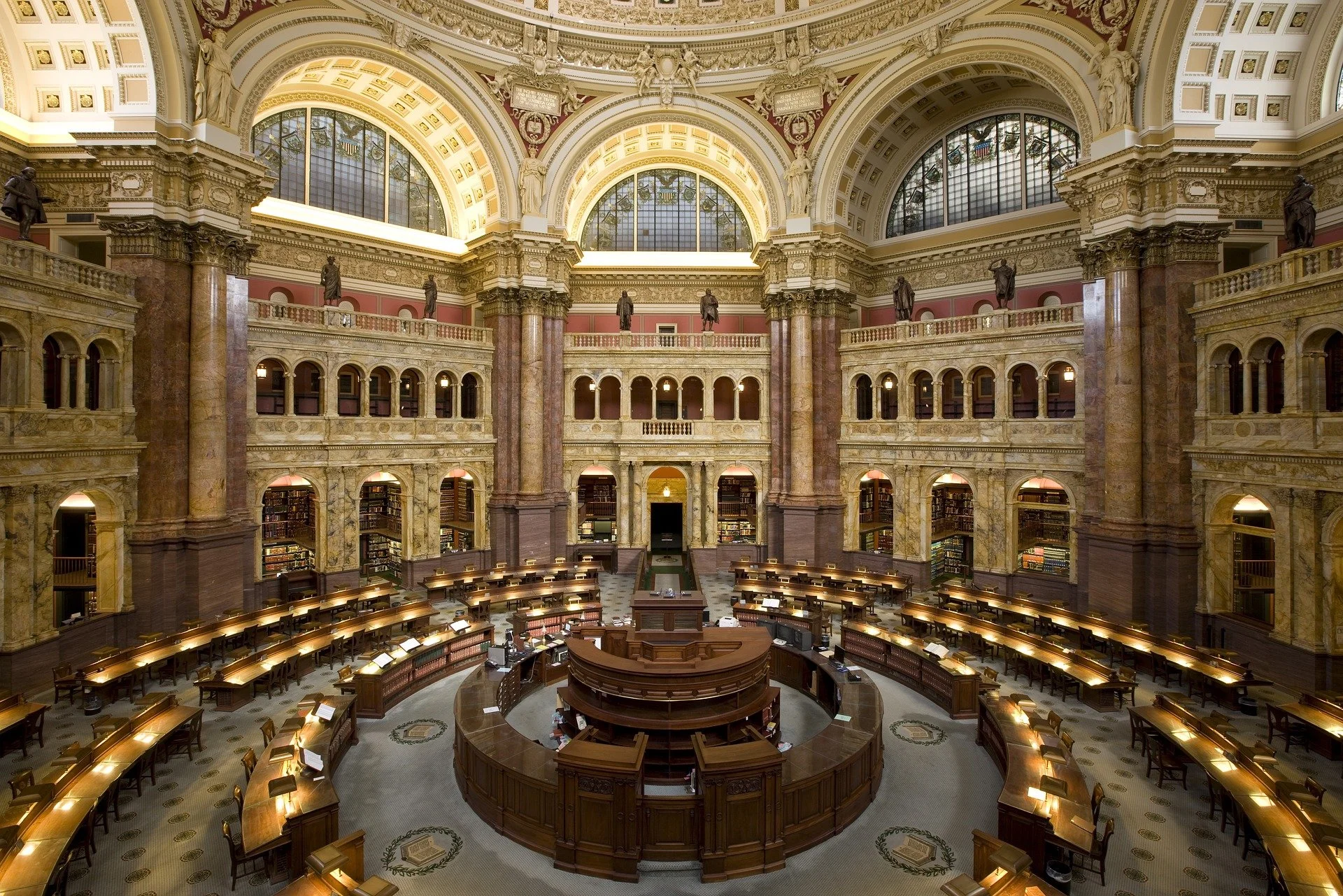
The U.S. Copyright Office is a part of the Library of Congress(pictured). Stock Image by WikiImages from Pixabay
What Rights Does Copyright Give Photographers?
Copyright gives photographers exclusive control over how their images are used.
When a photographer owns copyright, they generally have the right to decide who can:
Copy the photograph
Publish the photograph
Sell the photograph
Display the photograph publicly
Modify the photograph
Use the photograph commercially
These rights allow photographers to protect their creative work and determine how their images are shared and monetized.
For photographers, copyright is not just about preventing unauthorized use—it is also the foundation for licensing, publishing, commercial partnerships, and selling photography.
The Five Main Rights Included With Copyright
Copyright law gives creators several important rights.
For photography, these are the rights that matter most:
| Copyright Right | What It Controls | Photography Example |
|---|---|---|
| Reproduction Right | Making copies of an image | Copying a photo for a website or advertisement |
| Distribution Right | Selling or distributing copies | Selling prints or downloadable image files |
| Public Display Right | Showing the image publicly | Displaying a photo on a business website |
| Derivative Works Right | Creating modified versions | Editing, cropping, or altering a photograph |
| Licensing Right | Granting permission for use | Allowing a company to use an image commercially |
Reproduction Right
What It Controls: Making copies of an image
Photography Example: Copying a photo for a website or advertisement
Distribution Right
What It Controls: Selling or distributing copies
Photography Example: Selling prints or downloadable image files
Public Display Right
What It Controls: Showing the image publicly
Photography Example: Displaying a photo on a business website
Derivative Works Right
What It Controls: Creating modified versions
Photography Example: Editing, cropping, or altering a photograph
Licensing Right
What It Controls: Granting permission for use
Photography Example: Allowing a company to use an image commercially
Reproduction Rights
The reproduction right controls who can make copies of a photograph.
Examples include:
Downloading and duplicating an image
Printing additional copies
Uploading a photograph to another website
Copying an image into marketing materials
A person viewing a photograph online does not automatically have the right to reproduce it.
Distribution Rights
The distribution right controls how copies of a photograph are shared, sold, or transferred.
Examples include:
Selling fine art prints
Providing images to publications
Sharing commercial photography assets
Redistributing images online
A photographer can choose whether distribution is:
Free
Limited
Commercially licensed
Restricted entirely
Public Display Rights
Public display rights control where and how an image appears publicly.
Examples:
A company homepage
Social media accounts
Advertising campaigns
Printed materials
Exhibitions
A business using a photographer's image on its website is exercising a public display right and generally needs permission through licensing or another legal agreement.
Derivative Works Rights
Derivative works refer to creating something based on an original copyrighted work.
For photography, this can include:
Cropping an image
Adding graphics or text
Applying edits
Combining an image into another design
Creating altered versions
A common misconception is:
"If I change the photo, I can use it."
Changing a copyrighted photograph does not automatically remove copyright protection.
A modified version can still be based on the original copyrighted work.
Licensing Rights
One of the most important rights for professional photographers is the ability to license their work.
Licensing allows photographers to grant permission for specific uses while maintaining ownership of the image.
For example, a photographer may license an image for:
Website use
Social media marketing
Advertising
Editorial publication
Print materials
Product packaging
The photographer can define:
Where the image can be used
How long it can be used
Whether modifications are allowed
Whether the license is exclusive or non-exclusive
Copyright ownership and licensing work together.
Copyright gives the photographer control.
Licensing creates opportunities to earn income from that control.
Who Owns Copyright of a Photograph?
In most cases, the person who creates the photograph owns the copyright.
For photography, this is usually:
The photographer who pressed the shutter.
However, there are important exceptions.
Copyright ownership depends on the relationship between the photographer, client, and any written agreements involved.
Photographer-Owned Copyright
A typical example:
A landscape photographer visits a location and creates original photographs.
The photographer owns:
Copyright
Licensing rights
Usage decisions
Commercial rights
Another person can purchase a print or receive permission to use the image, but ownership remains with the photographer unless copyright is transferred.
Does Paying a Photographer Mean You Own the Copyright?
No.
This is one of the biggest misunderstandings in photography.
Hiring or paying a photographer usually means the client receives photographs according to the agreed terms—not automatic copyright ownership.
For example:
A business hires a photographer to create website images.
The business may receive permission to use those images on its website, but the photographer may still own copyright unless the contract states otherwise.
Payment for photography services and copyright ownership are separate concepts.
Copyright Ownership Depends on the Agreement
Contracts can change how copyright works.
A photographer may:
Retain full copyright ownership
Grant specific usage rights through licensing
Transfer copyright ownership through an assignment agreement
The written agreement determines what rights are transferred.
This is why photography contracts are important.
A clear agreement should define:
Who owns copyright
What usage rights are granted
Where images can be used
How long usage lasts
Whether exclusivity applies
When Someone Else May Own Copyright
There are situations where the photographer may not own the copyright.
1. Work Made for Hire
In certain situations, a photograph may be considered a "work made for hire."
This can happen when:
A photographer is an employee creating images as part of their job
A specific written agreement qualifies the work as work made for hire
In these cases, copyright ownership may belong to the employer or hiring party.
2. Copyright Assignment
A photographer can transfer copyright ownership through a written assignment agreement.
This is different from licensing.
Licensing:
The photographer keeps ownership and grants permission to use the image.
Assignment:
Ownership itself is transferred to another party.
Because copyright assignment gives away ownership rights, it is typically a much more significant agreement.
Photo File Ownership vs Copyright Ownership
One of the most common photography copyright misunderstandings is confusing ownership of a photo file with ownership of copyright.
They are not the same thing.
Receiving an image file does not automatically mean you own the rights to use it however you want.
Owning a Photo File Means:
You may have:
A copy of the image
Permission to view the file
Storage rights
Access to the digital photograph
For example:
A client receives edited wedding photographs from a photographer.
The client owns the delivered files.
Owning Copyright Means:
You control:
How the image is reproduced
Whether it can be commercially used
Who can publish it
Whether others can modify it
Whether licenses can be granted
Copyright is the legal ownership behind the image—not simply possession of the file.
Simple Example
Imagine a photographer creates a concert photograph.
A band receives a copy of the image for promotional use.
The band may be allowed to:
✅ Post the image on social media
✅ Share the image on its website
✅ Promote upcoming shows
But unless copyright was transferred, the photographer still controls:
✅ Additional licensing
✅ Commercial usage rights
✅ Reproduction rights
✅ Ownership of the original photograph
The band owns access to the file.
The photographer owns the copyright.
Why This Distinction Matters
Many copyright disputes happen because people assume:
"I paid for it, so I own it."
"I have the file, so I can use it anywhere."
"The photographer sent it to me, so I can repost it."
Those assumptions are often incorrect.
Understanding the difference between possession and copyright helps photographers protect their work and helps clients use images legally.
Copyright vs Photography Licensing: What Is the Difference?
One of the biggest sources of confusion in photography is the difference between copyright ownership and licensing image usage rights.
They are related, but they are not the same thing.
A simple way to think about it:
Copyright = ownership of the photograph
Licensing = permission to use the photograph
In most situations, photographers keep copyright ownership while granting clients, businesses, publications, or organizations permission to use their images under specific terms.
Copyright Ownership vs Licensing Rights
| Copyright Ownership | Photography Licensing |
|---|---|
| Determines who legally owns the photograph | Determines who can use the photograph |
| Usually belongs to the photographer | Granted by the copyright owner |
| Exists automatically when the image is created | Requires permission or agreement |
| Can last for decades | Usually limited by time, location, platform, or purpose |
| Controls reproduction, distribution, and modifications | Defines allowed usage |
Ownership vs Licensing
Copyright Ownership: Determines who legally owns the photograph
Photography Licensing: Determines who can use the photograph
Who Controls Usage?
Copyright Ownership: Usually belongs to the photographer
Photography Licensing: Granted by the copyright owner
How It Exists
Copyright Ownership: Exists automatically when the image is created
Photography Licensing: Requires permission or agreement
Duration
Copyright Ownership: Can last for decades
Photography Licensing: Usually limited by time, location, platform, or purpose
What It Controls
Copyright Ownership: Controls reproduction, distribution, and modifications
Photography Licensing: Defines allowed usage
For example:
A photographer captures a concert image.
The photographer owns the copyright.
A band purchases permission to use that image for:
Social media promotion
Website marketing
Tour announcements
The band has licensed usage rights—but the photographer still owns the copyright.
What Is a Photography License?
A photography license is an agreement that gives someone permission to use an image under specific conditions.
A license can define:
Where the image can appear
How long it can be used
Whether commercial use is allowed
Whether modifications are allowed
Whether exclusivity is included
Whether additional usage requires payment
Licensing allows photographers to earn income from their work without giving away ownership.
Common Types of Photography Licenses
Personal Use License
Allows an individual to use an image for non-commercial purposes.
Examples:
Personal prints
Home display
Personal website
It does not usually allow:
Advertising
Business promotion
Selling products with the image
Commercial License
Allows a business or organization to use an image to promote products, services, or a brand.
Examples:
Website marketing
Advertisements
Social media campaigns
Promotional materials
Commercial usage generally has greater value because the image helps generate business exposure or revenue.
Editorial License
Allows use for informational or news-related purposes.
Examples:
Newspapers
Magazines
Journalism
Event coverage
Editorial licenses typically have restrictions on advertising or promotional use.
Exclusive vs Non-Exclusive Licensing
A non-exclusive license means the photographer can license the same image to multiple parties.
An exclusive license means the client receives exclusive usage rights for a defined period or purpose.
Because exclusivity limits future licensing opportunities, it often carries a higher value.
Why Licensing Matters for Photographers
Photography is not simply about creating an image.
The long-term value comes from controlling how that image is used.
A single photograph may have multiple potential uses:
A band may license it for promotion
A venue may license it for advertising
A publication may license it for editorial coverage
A company may license it for marketing
Copyright creates ownership.
Licensing creates opportunities.
Without licensing, photographers lose control over how their work creates value after the shutter is pressed.
Why Photographers Register Copyright
Although copyright exists automatically when a photograph is created, registration provides important legal advantages.
In the United States, registering photographs with the U.S. Copyright Office can strengthen a photographer’s ability to enforce their rights.
Registration can provide:
A public record of ownership
Stronger legal standing in infringement claims
Potential eligibility for statutory damages and attorney’s fees in certain cases
The key distinction:
Copyright exists automatically. Registration strengthens enforcement.
Do Photographers Need to Register Every Photo?
Not necessarily.
Many photographers create thousands of images every year, making individual registration impractical.
Instead, photographers often register groups of images through available registration options.
Common approaches include:
Registering important commercial images
Registering published collections
Registering unpublished image groups
Registering images with higher licensing value
The best strategy depends on:
The photographer’s business model
How often images are licensed
The risk of unauthorized use
The importance of enforcement options
Why Registration Matters More in the Digital Age
Online image use has become easier than ever.
A photograph can be:
Downloaded in seconds
Reposted without permission
Used in marketing campaigns
Added to websites
Shared across social platforms
Without registration, photographers may still own copyright—but enforcement options can become more complicated.
For photographers whose images have commercial value, registration is often viewed as an important protection strategy.
Can Someone Use a Photo They Found Online?
No.
Finding a photograph online does not automatically create permission to use it.
This is one of the most common photography copyright misunderstandings.
A photo appearing on:
Google Images
Social media
A website
A blog
A search result
does not mean it is free to use.
The person who created the image generally still controls how that image can be copied, displayed, distributed, or modified.
“But I Gave Credit to the Photographer”—Does That Make It Legal?
No.
Giving credit is not the same as receiving permission.
Attribution is appreciated by many creators, but it does not replace a license.
For example:
A business uses a photographer’s concert image on its website and writes:
“Photo by Chris Sidoruk”
That credit does not automatically give the business permission to use the image commercially.
The photographer may still have the right to request:
Removal
Licensing payment
Compensation for unauthorized use
“I Found It on Social Media. Can I Share It?”
It depends on what type of sharing is happening.
Social platforms create additional confusion because users often assume anything posted publicly is available.
Generally:
Sharing Using Platform Features
Using built-in features like:
Instagram sharing tools
Facebook share buttons
Embedded posts
usually operates under that platform’s terms.
Downloading and Reuploading
Downloading someone’s photograph and uploading it yourself is different.
Examples:
Saving a photographer’s image and posting it on your business page
Adding a photo to your website
Using an image in advertising
These actions generally require permission.
“I Changed the Photo. Is It Now Mine?”
No.
Cropping, adding filters, changing colors, removing a watermark, or making other edits does not eliminate copyright protection.
A modified version may still be considered a derivative work based on the original photograph.
Examples:
Cropping a concert photo for social media
Adding text over a landscape image
Applying a different color treatment
Removing the photographer’s watermark
Changing the image does not transfer ownership.
Copyright Protection Is Built Around Permission
The easiest way to avoid copyright problems is simple:
Before using a photograph, ask:
Who owns this image?
Do I have permission?
What usage rights were granted?
Does my intended use match the license?
For photographers, the same principle applies:
Clearly defining licensing terms helps prevent misunderstandings and protects the value of the work.
What Is Copyright Infringement in Photography?
Copyright infringement occurs when someone uses a copyrighted photograph without permission from the copyright owner.
Because photographers automatically own copyright when they create original images, unauthorized use can violate the photographer’s exclusive rights.
Common examples include:
Copying a photograph
Publishing an image online without permission
Using a photograph for marketing
Removing copyright information
Modifying and reposting an image
Selling products featuring the photograph
The key issue is not whether someone intended to cause harm.
Copyright infringement is generally about unauthorized use of a protected creative work.
Common Photography Copyright Violations
Photography infringement can happen in many different ways. Some cases are obvious, while others happen because businesses or individuals misunderstand how copyright works.
1. Using a Photograph on a Website Without Permission
One of the most common forms of infringement is unauthorized website use.
Examples:
A business downloads a photographer’s image and places it on its homepage
A company uses a landscape photograph in a blog post
A venue adds a concert photo to promotional materials
Even if the image:
Was found through Google
Was posted publicly
Includes the photographer’s name
Is not being sold directly
permission is still generally required.
2. Using Photos for Business Marketing
Commercial use is one of the most important areas of photography licensing.
Businesses frequently use images for:
Websites
Social media advertising
Email campaigns
Brochures
Promotional materials
Product marketing
A business using a photograph to promote itself is different from an individual sharing a personal image.
Commercial usage typically creates greater value because the photograph contributes to business visibility, branding, or revenue.
3. Removing Watermarks or Copyright Information
Removing copyright information from a photograph can create additional legal concerns.
Examples:
Removing a photographer’s watermark
Cropping out attribution information
Deleting metadata intentionally
Replacing copyright information
Copyright notices are not what create ownership, but removing identifying information can make enforcement more difficult and may create additional claims depending on the circumstances.
4. Reposting Photography Without Permission
Social media has created one of the most common misunderstandings:
“If it is online, anyone can repost it.”
That is incorrect.
Examples of unauthorized reposting:
A company downloads a photographer’s Instagram image and uploads it to its own account
A blog copies a photographer’s image into an article
A business uses a photographer’s image as a promotional post
The fact that an image is publicly visible does not remove copyright protection.
5. Using Photos in Advertising
Advertising usage is one of the most valuable forms of photography licensing.
Examples:
Facebook or Instagram ads
Website banners
Printed advertisements
Event promotions
Product campaigns
A photograph used to generate business attention or revenue usually requires specific commercial permission.
6. Creating Derivative Works Without Permission
Copyright protects more than exact copies.
Unauthorized derivative uses can include:
Editing a photograph
Adding graphics or text
Creating composites
Applying filters
Using a photograph as part of another design
Creative changes do not automatically remove the original copyright.
Intent Does Not Always Matter
A common misconception is:
“I didn’t know it was copyrighted.”
While intent can sometimes matter in legal analysis, simply being unaware of copyright protection does not automatically make unauthorized use acceptable.
Common explanations include:
“I found it on Google.”
“Someone else posted it first.”
“I thought credit was enough.”
“I wasn’t making money from it.”
“I only used it briefly.”
These situations may explain why the use happened, but they do not automatically create permission.
What Should Photographers Do If Their Image Is Used Without Permission?
Discovering unauthorized use of your photography can be frustrating, especially when the image represents years of skill, investment, and creative work.
A practical response usually starts with documentation.
Step 1: Document the Unauthorized Use
Before contacting anyone, preserve evidence.
Collect:
Screenshots of the usage
Website URLs
Social media links
Dates discovered
Where the image appears
How the image is being used
For website usage, consider saving:
Full-page screenshots
Page source information
Archived versions when appropriate
Documentation becomes especially important if the situation escalates.
Step 2: Determine How the Image Is Being Used
Not all unauthorized uses have the same value or impact.
Consider:
Personal Use
Examples:
Personal blog
Individual social media account
Editorial Use
Examples:
News article
Magazine feature
Commercial Use
Examples:
Business website
Advertising
Product promotion
Commercial use often carries greater licensing value because the image contributes to business activity.
Step 3: Decide on the Appropriate Response
Photographers generally have several options.
Option 1: Request Removal
For some situations, a photographer may simply request that the image be removed.
This may be appropriate when:
The user is not commercial
The use appears accidental
The photographer does not want to license the image
Option 2: Offer a Retroactive License
Another option is offering permission after the fact through a licensing agreement.
This recognizes that the image was already used and establishes legal usage moving forward.
A retroactive license may account for:
Type of usage
Length of use
Audience size
Commercial value
Option 3: Send a Formal Demand
For more serious cases, photographers may choose a formal approach.
This can include:
Written demand letters
Licensing requests
Attorney involvement
The appropriate response depends on:
The value of the image
The scope of usage
The relationship between parties
The photographer’s goals
Step 4: Consider Copyright Registration
Registration can become especially important when enforcement is necessary.
While photographers own copyright automatically, registration may provide stronger legal tools in certain infringement situations.
For photographers who regularly create commercial work, registration can be an important part of protecting valuable images.
How Photographers Can Prevent Copyright Problems
The best enforcement strategy is also a prevention strategy.
Photographers can protect their work by:
Clearly Displaying Ownership
Use:
Copyright notices
Website copyright statements
Licensing pages
Metadata when appropriate
Create Clear Licensing Terms
A strong licensing policy should explain:
What uses are allowed
What uses require permission
How businesses can request licenses
Educate Clients
Many copyright disputes happen because clients misunderstand what they purchased.
A photography agreement should clearly define:
Copyright ownership
Usage rights
Restrictions
Commercial permissions
Why Copyright Protection Matters for Professional Photographers
For photographers, an image is not just a file.
It represents:
Creative skill
Equipment investment
Time spent shooting
Editing expertise
Business value
Copyright provides the framework that allows photographers to continue creating while maintaining control over how their work is used.
Without copyright protection, images could be copied and commercially exploited without recognition or compensation.
Common Photography Copyright Myths
Photography copyright is often misunderstood because digital sharing has made images feel easy to access and reuse.
However, the same copyright principles apply whether a photograph exists as a printed image, RAW file, website image, or social media post.
Here are some of the most common misconceptions.
Myth #1: “If It’s Online, It’s Free to Use”
False.
A photograph being publicly available online does not mean it is available for public use.
Images found on:
Google Images
Social media platforms
Photography websites
Blogs
Online portfolios
are still protected by copyright.
The internet makes photographs easier to view—not easier to use without permission.
Before using an image, you need to determine:
Who owns the copyright
Whether permission exists
What usage rights are allowed
Myth #2: “Giving Credit Means I Can Use the Photo”
False.
Credit and permission are two different things.
Giving attribution is good practice, but it does not replace obtaining a license.
For example:
A company uses a photographer’s image on its website and includes:
“Photo by [Photographer Name]”
The credit acknowledges the creator, but it does not automatically grant permission for commercial use.
The photographer still controls whether the image can be used and under what terms.
Myth #3: “I Bought the Photo, So I Own the Copyright”
Usually false.
Buying a photograph, print, or digital file does not automatically transfer copyright ownership.
A buyer may own:
A physical print
A downloaded image file
Permission for a specific use
But the photographer generally keeps copyright unless ownership is specifically transferred through a written agreement.
Myth #4: “Changing the Image Makes It Legal to Use”
False.
Modifying a photograph does not automatically remove copyright protection.
Examples:
Cropping the image
Adding filters
Changing colors
Adding text
Combining it with another design
These changes may still rely on the original copyrighted photograph.
A modified copy is not automatically a new, unrestricted work.
Myth #5: “Small Businesses Don’t Need Permission”
False.
Copyright applies regardless of company size.
A small business, nonprofit, local organization, or individual creator can still be responsible for unauthorized image use.
The size of the business does not determine whether permission is required.
Myth #6: “I’m Not Making Money, So It’s Okay”
False.
Commercial use can make infringement more significant, but lack of profit does not automatically make image use acceptable.
Examples of unauthorized use can include:
Personal blogs
Community websites
Social media accounts
Hobby projects
The key issue is whether permission was granted.
Myth #7: “A Watermark Creates Copyright Protection”
False.
A watermark can help identify ownership and discourage unauthorized use, but it does not create copyright.
Copyright exists automatically when the photograph is created.
A watermark is a visibility and deterrence tool—not the source of ownership.
Final Thoughts
Copyright is the foundation that allows photographers to maintain control over their creative work.
A photograph is more than a digital file.
It represents:
Creative decisions
Technical skill
Time invested
Equipment costs
Professional experience
Understanding copyright helps photographers protect that value while helping clients and businesses use images responsibly.
The most important concepts to remember are:
Photographers generally own copyright automatically when they create an image
Owning a photo file does not mean owning copyright
Licensing gives permission without transferring ownership
Online availability does not mean an image is free to use
Registration can strengthen copyright enforcement
Clear agreements prevent misunderstandings
Photography exists in a world where images can be shared instantly. Copyright provides the structure that allows creators to continue producing meaningful work while maintaining control over how that work is used.
Frequently Asked Questions About Photography Copyright
Do photographers automatically own copyright?
Yes. In most situations, photographers automatically own copyright when they create an original photograph.
Copyright begins when the image is captured and fixed in a tangible format, such as a RAW file, JPEG, or film negative.
Registration, publishing, and watermarking are not required to establish ownership.
Do I need to register my photos to have copyright?
No.
Photographs are protected automatically when created.
However, registering copyright can provide additional legal benefits and may strengthen enforcement options in certain situations.
Many photographers choose to register important collections, commercial work, or images with higher licensing value.
Can someone use my photo if they found it on Google?
No.
Google Images is a search tool, not a free image library.
Finding a photograph through search results does not grant permission to download, copy, modify, or use it.
The image is still controlled by the original copyright owner.
Can someone repost my photography on social media?
It depends on how the image is shared.
Using built-in platform sharing features may be different from downloading and uploading the image yourself.
Unauthorized actions may include:
Downloading the image
Reposting it on another account
Using it for promotion
Adding it to a business page
When in doubt, permission should be obtained from the copyright owner.
Does tagging the photographer make image use legal?
No.
Tagging or mentioning the photographer does not replace permission.
A photographer may appreciate recognition, but attribution alone does not grant usage rights.
Who owns copyright when a client hires a photographer?
Usually, the photographer owns copyright unless the agreement states otherwise.
A client typically receives usage rights defined by the photography contract or license.
Paying for photography services does not automatically transfer copyright ownership.
Can a business use a photographer’s image on its website?
Only if it has permission or a valid license.
Website use is considered a public display of the photograph.
Businesses should confirm:
They have permission
The usage matches the license
The photographer’s terms allow that type of use
What is the difference between copyright and licensing?
Copyright is ownership.
Licensing is permission.
A photographer can own copyright while allowing another person or business to use the image through a license agreement.
Example:
A photographer licenses a landscape image to a travel company for website use.
The company can use the image according to the agreement, but the photographer still owns copyright.
How long does photography copyright last?
In the United States, copyright duration depends on factors such as:
When the photograph was created
Who owns the copyright
Whether special rules apply
For most modern photographs created by individual photographers, copyright generally lasts for the photographer’s lifetime plus additional years after death.
What should I do if someone uses my photo without permission?
A practical first step is documenting the use.
Save:
Screenshots
URLs
Dates
Evidence of how the image is being used
Then consider your options:
Request removal
Contact the user
Offer a retroactive license
Seek professional legal guidance
The best approach depends on the circumstances and your goals.
How can photographers protect their images?
Common protection strategies include:
Registering important photographs
Using licensing agreements
Adding copyright information
Keeping original RAW files
Maintaining organized records
Clearly explaining usage policies
Protection works best when ownership and usage expectations are clear from the beginning.
==========
Continue Learning About Photography Copyright
Explore more photography copyright and licensing resources:
→ Why Photographers Should Register Copyright
