

Shelton CT Trestle Bridge Photography (Housatonic River)
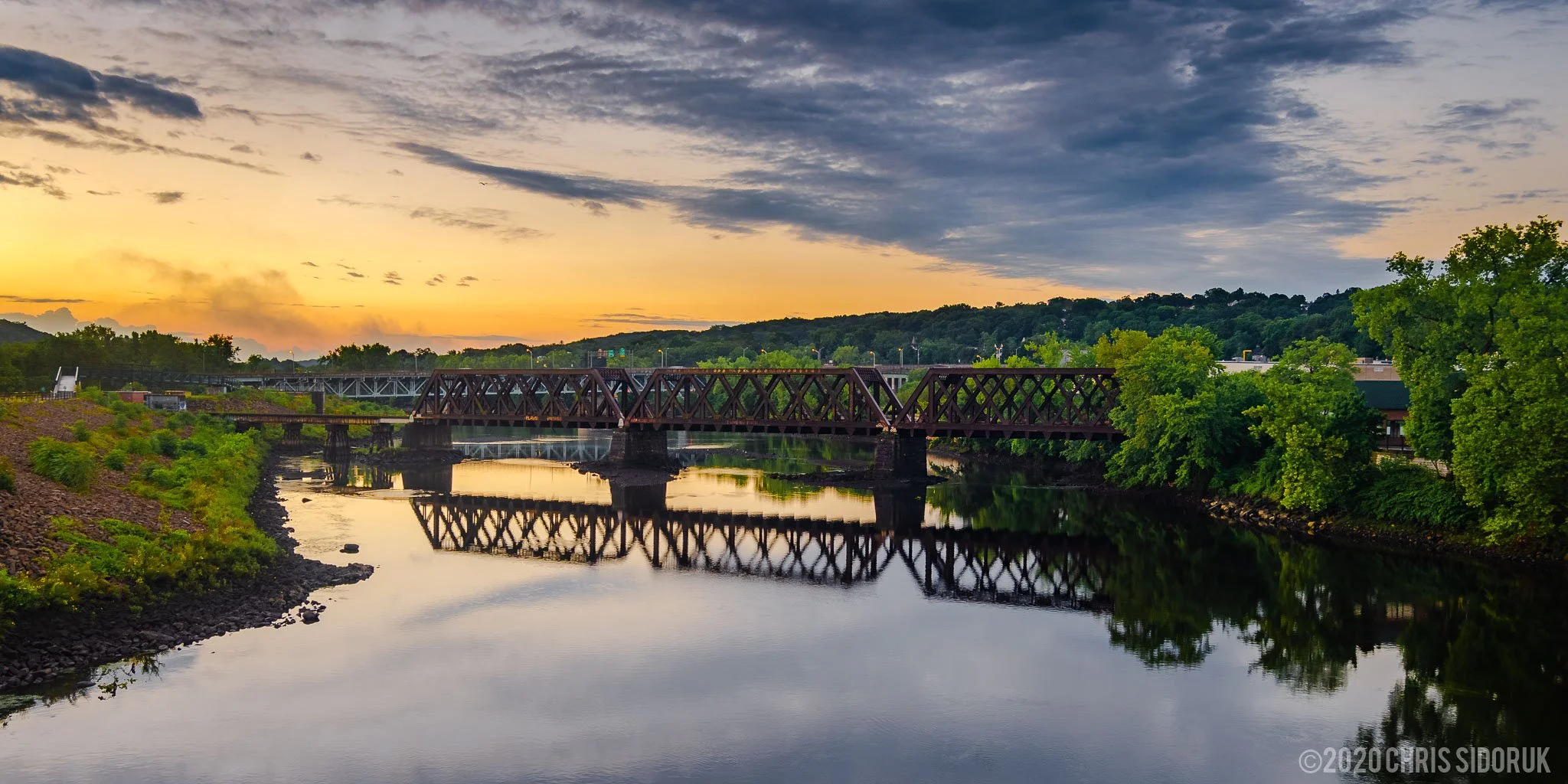
Sunrise over the Housatonic River at the train trestle bridge in Shelton, CT.
Last Update: July 2026
==========
Quick Jump
- Shelton CT Trestle Bridge Photography Overview
- History of the Shelton Railroad Trestle Bridge
- Why Historic Bridges Make Strong Photography Subjects
- Best Time and Conditions to Photograph the Bridge
- Composition Tips for Housatonic River Photography
- Camera Gear for Trestle Bridge Photography
- Planning Your Visit
- Shelton CT Trestle Bridge Photo Gallery
- Frequently Asked Questions
Shelton CT Trestle Bridge Photography Overview
The Shelton CT trestle bridge is one of the most recognizable historic structures along the Housatonic River in Connecticut.
Spanning the river between Shelton and the surrounding lower Housatonic Valley, this historic railroad bridge combines industrial architecture, natural scenery, and changing New England light—making it a unique subject for landscape, aerial, and sunrise photography.
Unlike traditional scenic locations, the appeal of this bridge comes from the contrast between:
historic steel railroad construction
flowing river reflections
surrounding wooded hillsides
seasonal color changes
atmospheric conditions like fog and morning light
Over the years, I have photographed this location in different conditions, including sunrise, river fog, seasonal landscapes, aerial perspectives, and dramatic weather.
This guide explores the best ways to photograph the Shelton CT trestle bridge, including when to visit, what gear works best, composition ideas, and how to capture the character of this historic Housatonic River landmark.
The Shelton trestle bridge is a strong example of how historic infrastructure can become a compelling landscape photography subject.
While the bridge was originally built for transportation rather than visual appeal, its location creates a naturally balanced composition:
the steel structure creates strong leading lines
the Housatonic River provides reflections and movement
surrounding forests add seasonal color and depth
changing weather creates different moods throughout the year
For photographers, this location offers several distinct styles of images:
Sunrise Landscape Photography
Early morning is one of the best times to photograph the bridge.
Sunrise provides:
softer directional light
fewer distractions
reflections on calmer water
potential fog over the river
warm tones on the steel structure
Fog Photography
Fog is one of the most dramatic conditions for this location.
When morning mist settles over the Housatonic River, the bridge can appear more atmospheric and isolated, emphasizing:
depth
scale
texture
the relationship between the bridge and landscape
Aerial Photography
The bridge also photographs extremely well from above.
Aerial perspectives reveal:
the full length of the railroad crossing
the curves of the Housatonic River
surrounding forest and shoreline
the relationship between infrastructure and nature
Drone photography can transform the bridge from a local landmark into a larger landscape composition.
Seasonal Photography Opportunities
The Shelton trestle bridge changes dramatically throughout the year.
Spring
fresh greenery
higher river flow
softer atmospheric conditions
Summer
deep foliage
longer golden hour opportunities
clearer reflections
Fall
strongest seasonal color
contrast between steel and foliage
one of the most photogenic times to visit
Winter
simplified compositions
bare trees revealing more of the structure
dramatic overcast conditions
The strongest photographs usually come from planning around conditions rather than simply arriving at the location.
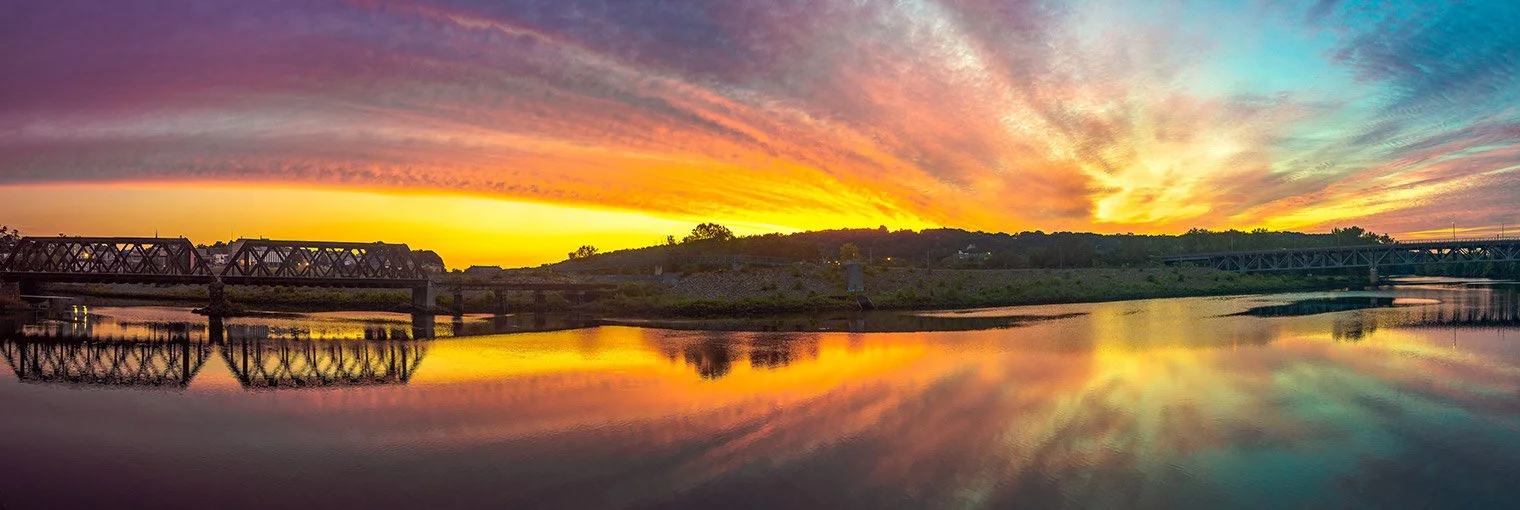
Housatonic River and Trestle Train Bridge at sunrise in Shelton, Connecticut. ©2020 Chris Sidoruk
History of the Shelton CT Trestle Bridge
The Shelton CT trestle bridge is a historic railroad structure that reflects the industrial growth that shaped Connecticut’s Housatonic River Valley.
Built during the expansion of rail transportation throughout New England, the bridge served as an important connection for moving goods, materials, and passengers through the region.
During the late 19th and early 20th centuries, railroads were essential to the growth of communities along the Housatonic River. Shelton developed as an industrial center, and reliable transportation infrastructure helped connect local mills, factories, and businesses with larger regional markets.
The trestle bridge became part of that larger network, allowing trains to cross the river while navigating the challenging terrain of the valley.
Today, the bridge remains a visual reminder of Connecticut’s railroad and industrial heritage.
Engineering & Industrial Importance
Historic railroad bridges like the Shelton trestle represent a combination of engineering, function, and craftsmanship from an earlier era of transportation.
The structure was designed to withstand:
heavy rail traffic
changing weather conditions
river crossings
decades of continuous use
Its steel framework creates a distinctive industrial appearance that contrasts with the natural landscape surrounding the Housatonic River.
For photographers, this combination is what makes the bridge especially compelling:
geometric steel patterns create strong visual lines
repeating structures add depth and perspective
the river provides natural reflections and movement
surrounding hills and forests add seasonal context
The bridge is a great example of how historic infrastructure can become part of a landscape composition rather than simply a background object.
Why Historic Bridges Make Strong Photography Subjects
Historic bridges offer photographers something that many natural landscapes cannot: a connection between human history and the environment.
The Shelton CT trestle bridge works especially well because it combines several elements that naturally create strong compositions:
Leading Lines
The length of the bridge creates powerful leading lines that guide the viewer through the image.
Photographers can use:
railroad tracks
steel beams
bridge supports
river edges
to draw attention toward the main subject.
Contrast Between Industry and Nature
One of the strongest visual qualities of this location is the contrast between the man-made structure and the surrounding landscape.
The steel bridge stands against:
wooded hillsides
flowing water
changing skies
seasonal foliage
This creates images that feel both historic and connected to the natural environment.
Changing Conditions Create Different Stories
The same bridge can look completely different depending on the conditions.
A clear sunrise emphasizes:
structure
reflections
warm light
Fog creates:
mystery
depth
atmosphere
Fall foliage adds:
color contrast
seasonal context
Storm clouds create:
drama
texture
stronger visual mood
This variety is what makes returning to the same location worthwhile for photographers.
The Shelton Trestle Bridge Today
Today, the Shelton railroad trestle bridge continues to be one of the most recognizable landmarks along the Housatonic River.
While its role has changed over time, the structure remains an important piece of local history and a distinctive feature of the Connecticut landscape.
For photographers, the bridge represents more than an industrial landmark. It is a location where timing, weather, and perspective can completely change the final image.
Whether photographed from the riverbanks, surrounding viewpoints, or aerial perspectives, the Shelton trestle bridge continues to offer unique opportunities for capturing Connecticut’s blend of history and natural scenery.
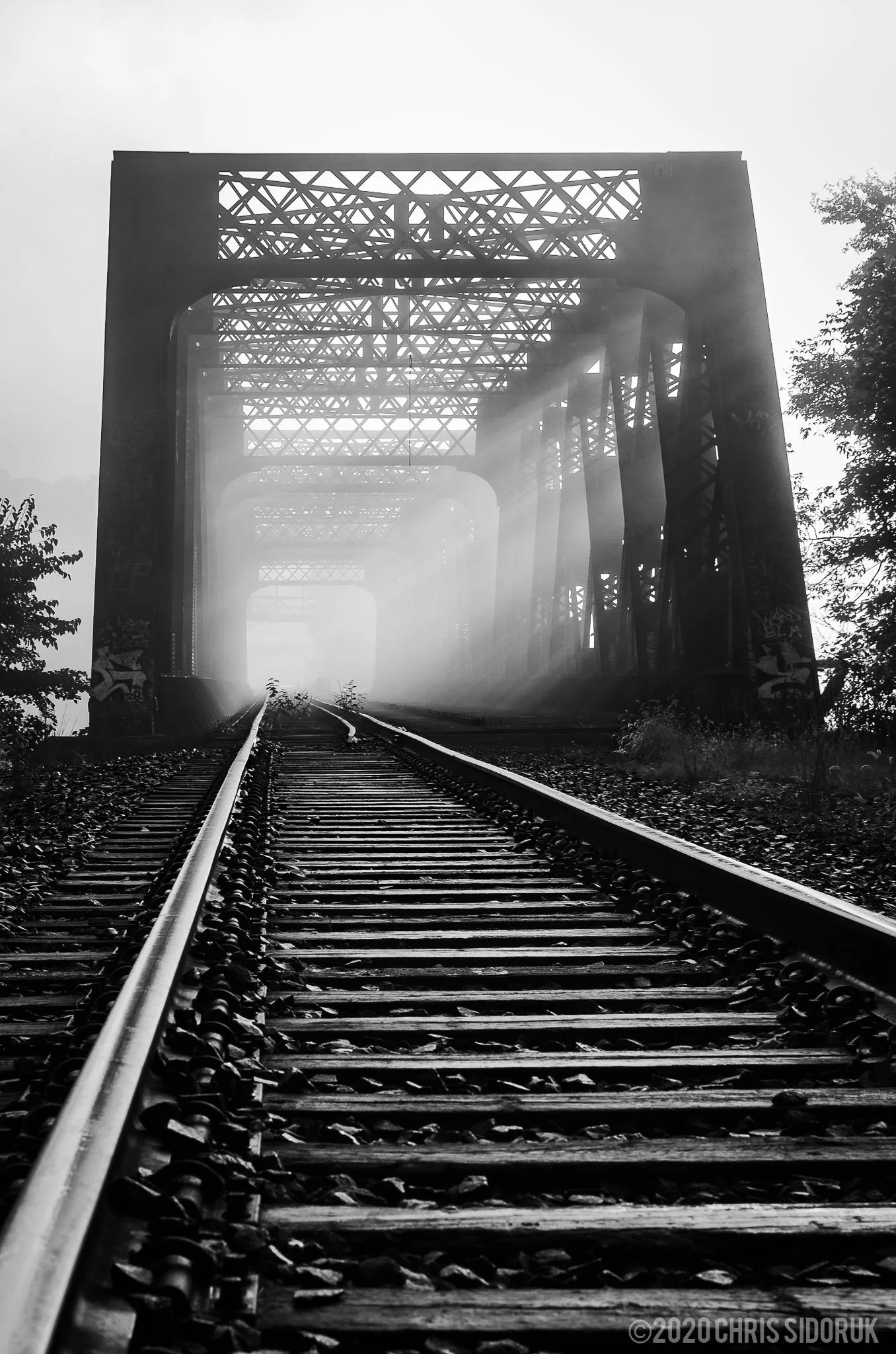
Shelton, CT train trestle bridge during a foggy morning. | SHOP WALL ART
Best Time and Conditions to Photograph the Shelton CT Trestle Bridge
The Shelton CT trestle bridge can be photographed throughout the year, but certain conditions create more dramatic and memorable images.
Because the bridge sits along the Housatonic River, the strongest photographs often come from combining:
interesting light
atmospheric conditions
reflections
seasonal changes
thoughtful composition
Rather than simply visiting during clear weather, photographers should look for conditions that add mood and depth to the scene.
Sunrise Photography at the Shelton Trestle Bridge
Sunrise is one of the best times to photograph the Shelton CT trestle bridge.
Early morning offers several advantages:
softer directional light
fewer distractions
calmer river conditions
potential fog formation
warmer tones on the bridge structure
The low angle of morning light can emphasize the texture of the steel framework while creating reflections across the Housatonic River.
For landscape photographers, sunrise also provides the opportunity to capture a quieter version of the location before daily activity increases.
Recommended sunrise conditions:
partly cloudy skies
light haze or fog
calm water
clear eastern horizon
A completely clear sky can work, but some cloud texture often creates a more dynamic image.
Fog Photography Along the Housatonic River
Fog is one of the most dramatic conditions for photographing this location.
Morning river fog can transform the bridge from an industrial structure into a more atmospheric landscape scene.
Fog helps create:
depth separation
softer backgrounds
stronger focus on the bridge itself
a sense of scale and mystery
When fog is present, consider:
using a longer focal length to compress layers
simplifying the composition
allowing negative space around the bridge
Foggy mornings are especially effective during spring and fall when temperature differences between the air and river can create changing conditions.
Fall Photography at the Shelton CT Trestle Bridge
Fall is one of the strongest seasons for photographing the Housatonic River and surrounding landscape.
The combination of:
colorful foliage
historic steel structure
reflective water
morning light
creates a classic New England composition.
Fall photography opportunities include:
wide landscape views showing the river valley
tighter compositions highlighting bridge details
aerial images showing the relationship between bridge and foliage
Peak color timing varies each year, but October is typically the most reliable month for Connecticut fall photography.
Winter Photography Opportunities
Winter creates a completely different look at the Shelton trestle bridge.
Without dense foliage, the structure becomes more prominent, revealing:
bridge geometry
surrounding shoreline
river patterns
industrial details
Snow, frost, or overcast skies can create minimalist compositions with stronger emphasis on shape and texture.
Winter is also a good time for photographers who prefer quieter locations and simpler scenes.
Summer Photography Conditions
Summer provides:
longer daylight hours
dense green vegetation
warmer evening light
easier travel conditions
While summer may not provide the strongest color contrast, it works well for:
sunset photography
aerial photography
wider landscape compositions
The lush vegetation surrounding the Housatonic River helps create a strong contrast with the bridge's steel structure.
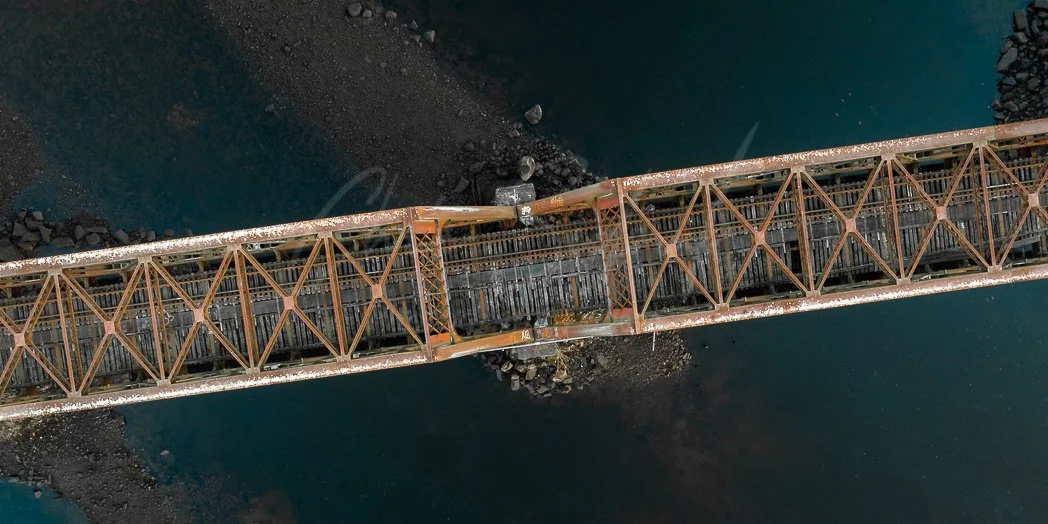
Bird’s eye view of the Trestle Bridge over the Housatonic River in Shelton, CT. | SHOP WALL ART
Composition Tips for Housatonic River Bridge Photography
The Shelton CT trestle bridge offers several different photographic approaches depending on the story you want to tell.
Use the Bridge as a Leading Line
The strongest compositions often use the bridge itself as a visual pathway.
Look for:
diagonal angles
repeating steel patterns
converging lines
reflections extending toward the viewer
Leading lines help guide the eye through the photograph and emphasize the scale of the structure.
Include Environmental Context
A common mistake when photographing landmarks is focusing only on the subject.
The surrounding environment is part of the story.
Include:
the Housatonic River
shoreline vegetation
surrounding hills
changing skies
A wider composition helps show why this location is unique.
Try Multiple Focal Lengths
Different lenses create completely different interpretations of the bridge.
Wide-angle lenses
Best for:
showing the full environment
sunrise compositions
dramatic skies
river reflections
Typical range:
14–35mm full-frame equivalent
Standard zoom lenses
Best for:
flexible compositions
changing viewpoints
general landscape photography
Typical range:
24–70mm equivalent
Telephoto lenses
Best for:
compressing bridge sections
isolating details
layering the bridge with surrounding landscape
Typical range:
70–200mm equivalent
Aerial Photography Perspective
The Shelton trestle bridge is particularly well suited for aerial photography.
From above, photographers can reveal:
the full structure of the bridge
the curve of the Housatonic River
surrounding forest patterns
the relationship between infrastructure and nature
Aerial perspectives often create images that are impossible from ground level.
When photographing with a drone, prioritize:
safe operating conditions
legal flight requirements
avoiding interference with rail operations
respecting nearby properties and public spaces
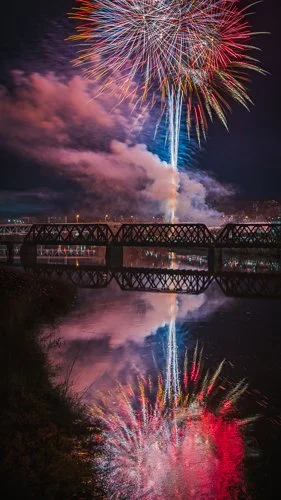
New Year's Eve Fireworks over the Trestle Bridge in Shelton, CT. ©2023 Chris Sidoruk
Best Camera Gear for Shelton CT Trestle Bridge Photography
The Shelton CT trestle bridge does not require specialized equipment, but the right gear can make it much easier to capture the variety of conditions this location offers.
Because the scene changes significantly with weather, season, and lighting, a flexible landscape photography setup works best.
The most useful gear includes:
a weather-sealed camera body
wide-angle and telephoto lenses
a sturdy tripod
filters for controlling reflections and exposure
extra batteries and weather protection
The goal is not carrying everything—it is having the tools needed to adapt quickly.
Camera Recommendations
Modern mirrorless cameras are excellent choices for photographing the Shelton trestle bridge because they provide:
strong dynamic range
reliable autofocus
improved low-light performance
lighter systems for outdoor shooting
A full-frame camera can provide advantages for:
sunrise photography
fog conditions
high dynamic range scenes
cleaner shadow recovery
However, crop-sensor cameras can also produce excellent results, especially when paired with quality lenses.
For landscape photography, the camera matters less than:
lens quality
stability
composition
light
Related guide:
→ Best Cameras for Landscape Photography
Best Lenses for Photographing the Shelton Trestle Bridge
Lens choice has a major impact on how the bridge is represented.
Because the location includes both large environmental scenes and detailed structural elements, a flexible lens setup is ideal.
Wide-Angle Lens (Best for Environmental Landscapes)
Wide-angle lenses work well for:
sunrise compositions
river reflections
showing the full bridge structure
including surrounding scenery
Recommended range:
14–35mm full-frame equivalent
Use a wide lens when you want the viewer to understand the relationship between:
the bridge
the river
the surrounding landscape
Standard Zoom Lens (Most Versatile Option)
A standard zoom is often the most practical choice for a location like this.
Recommended range:
24–70mm full-frame equivalent
Advantages:
quick composition changes
flexibility when viewpoints are limited
ability to move between wide and tighter compositions
For many photographers, this is the lens that stays on the camera most of the day.
Telephoto Lens (For Compression and Detail)
A telephoto lens creates a completely different look.
Useful for:
isolating bridge sections
compressing river layers
photographing details from a distance
creating layered landscape images
Recommended range:
70–200mm or longer
Telephoto compression can make the bridge appear more connected with surrounding hills, trees, and atmospheric conditions.
Essential Accessories for Shelton CT Landscape Photography
A few accessories can significantly improve results at this location.
Tripod
A tripod is one of the most valuable tools for photographing the trestle bridge.
It helps with:
sunrise exposures
long exposures
low-light conditions
precise compositions
A stable tripod is especially useful when photographing:
reflections on the Housatonic River
moving water
foggy mornings
darker seasonal conditions
Polarizing Filter
A circular polarizer can help control reflections and improve contrast.
Useful for:
reducing glare on water
enhancing foliage color
increasing sky contrast
This is especially useful during:
summer greenery
fall foliage
brighter daylight conditions
Neutral Density Filters
ND filters allow longer exposures during brighter conditions.
They are useful for:
smoothing river movement
creating atmospheric water effects
controlling exposure during daylight
Weather Protection
Connecticut weather changes quickly.
Recommended additions:
microfiber cloths
rain cover
lens cloth for moisture
extra batteries
protective camera bag
Fog and humidity can create moisture issues, especially near the river.
Planning Your Visit to the Shelton CT Trestle Bridge
A successful photography visit is usually determined before arriving.
Because the location changes dramatically with light and weather, planning around conditions will usually produce better results than simply visiting at a convenient time.
Best Time of Day
For landscape photography, the strongest opportunities are typically:
Sunrise
Best for:
softer light
river reflections
fog potential
fewer distractions
Golden Hour
Best for:
warm tones on the bridge
side lighting
dimensional texture
Blue Hour
Best for:
moodier compositions
balanced sky exposure
city and landscape contrast
Check Conditions Before Visiting
Before planning a shoot, consider:
Weather
Interesting conditions often create the strongest images:
fog
broken clouds
storms clearing
changing skies
River Conditions
Water level and movement can affect:
reflections
visible shoreline
composition options
Seasonal Timing
Consider what story you want to tell:
spring → fresh landscape
summer → dense greenery
fall → peak color
winter → structure and minimalism
Arrive Early
Arriving early provides time to:
explore compositions
choose viewpoints
adjust camera settings
react to changing light
The best moments often happen quickly, especially during sunrise and fog conditions.
Shelton CT Train Trestle Bridge Photography Gallery
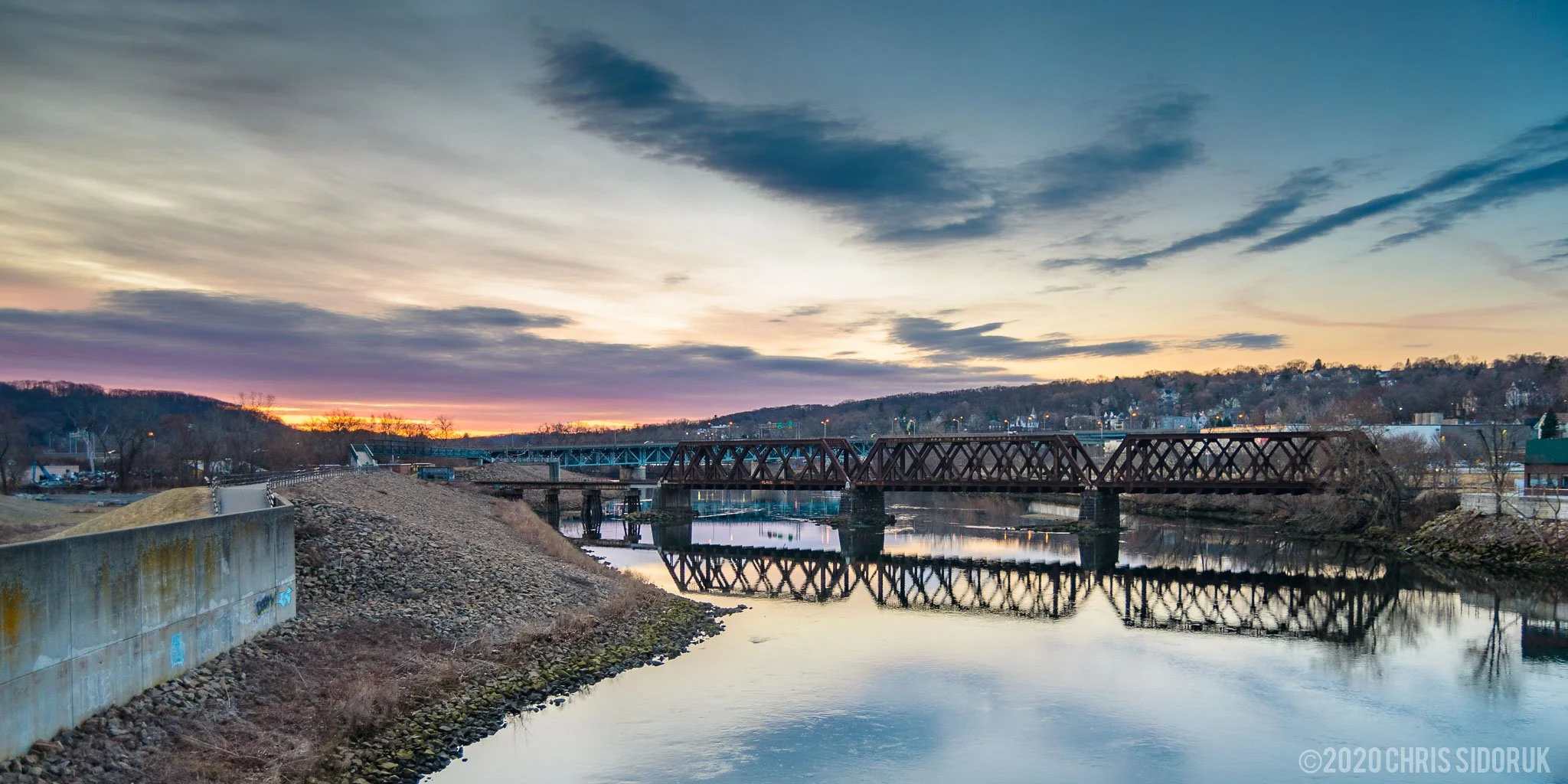
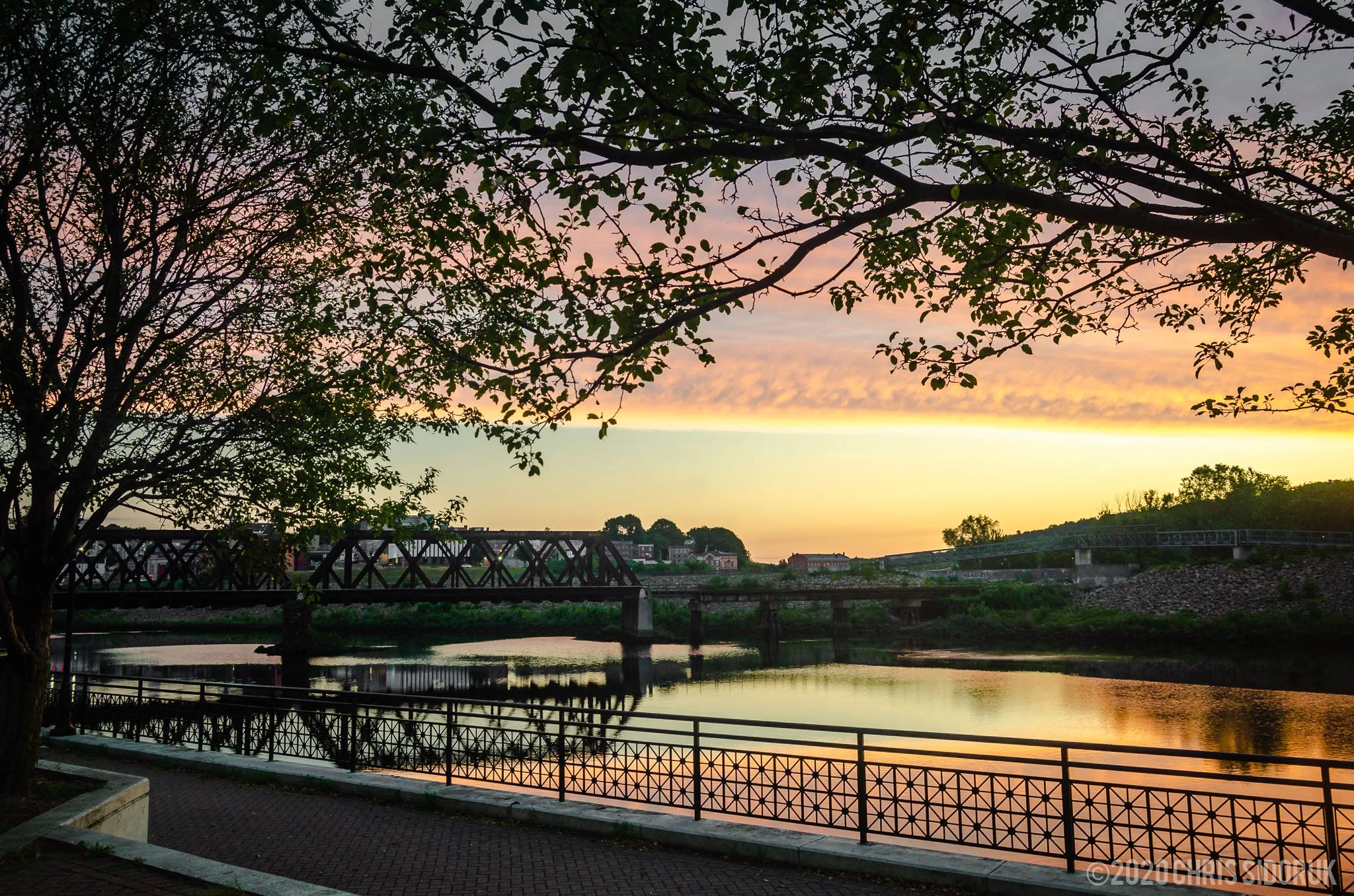
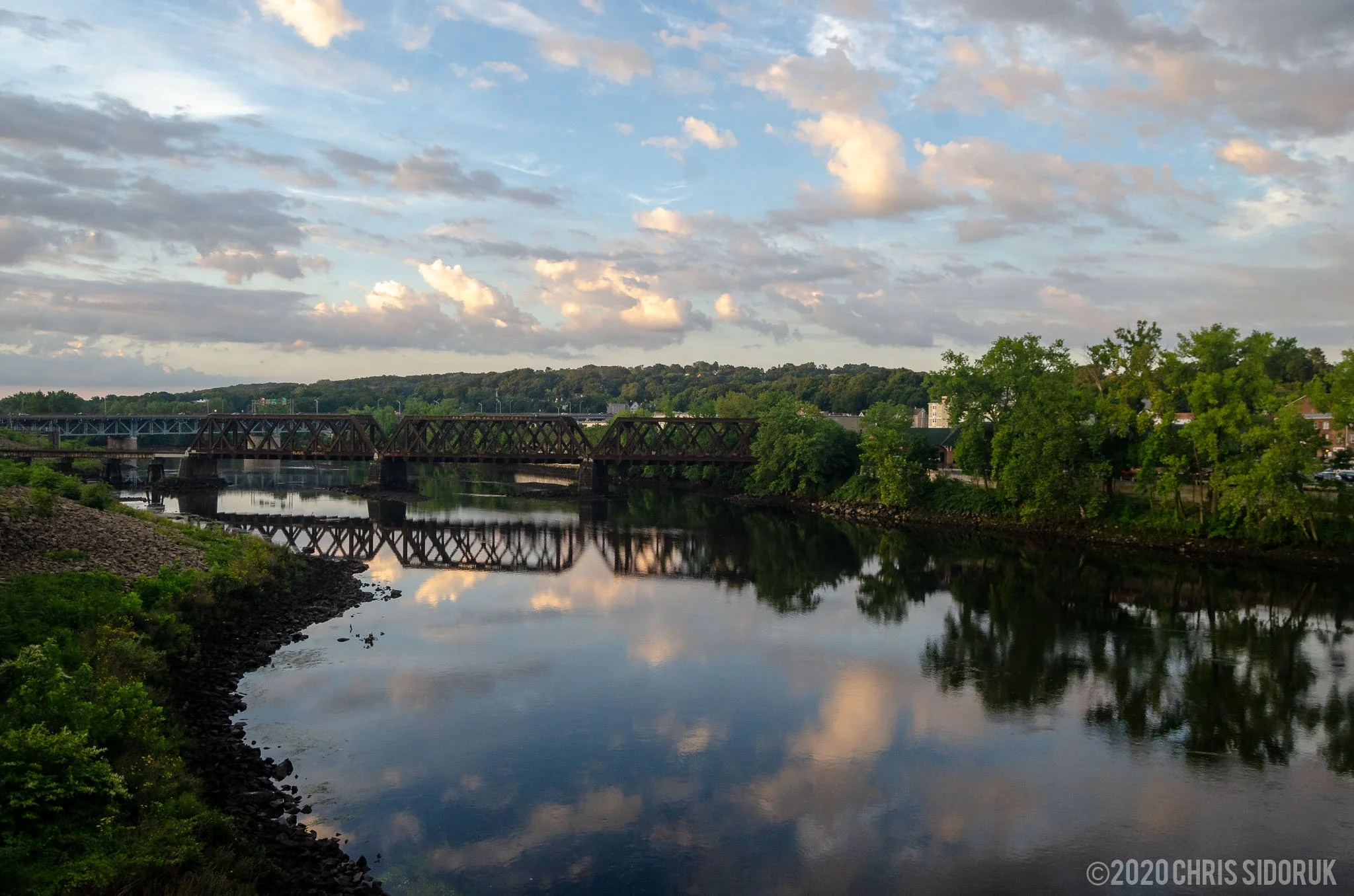
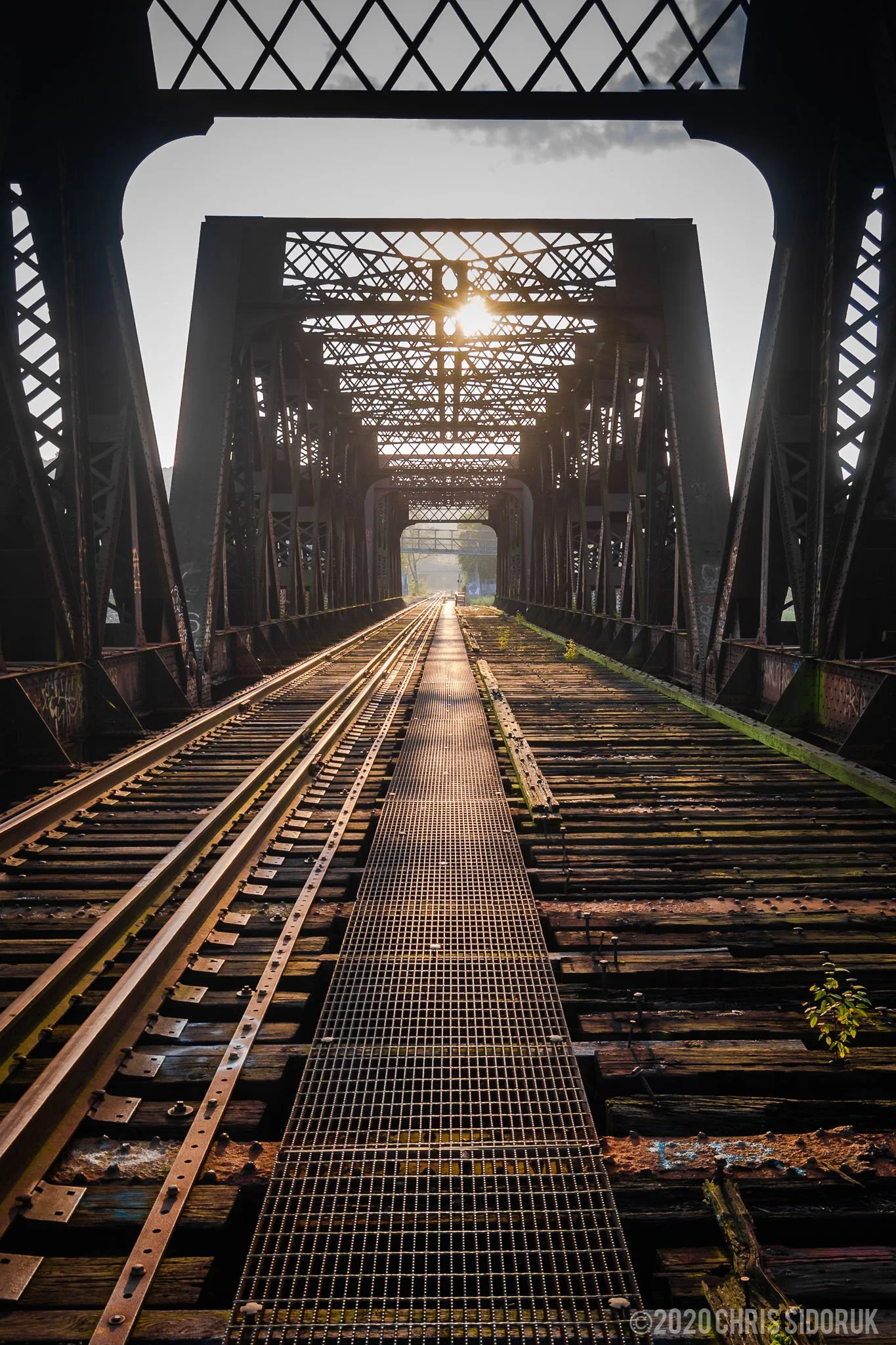
The Shelton CT trestle bridge changes dramatically depending on season, weather, and perspective.
This collection includes original photographs captured from different viewpoints and conditions, including:
sunrise landscapes
morning fog
aerial perspectives
seasonal river scenes
dramatic weather conditions
Each image highlights a different characteristic of the Housatonic River landmark—from its industrial structure to its connection with the surrounding Connecticut landscape.
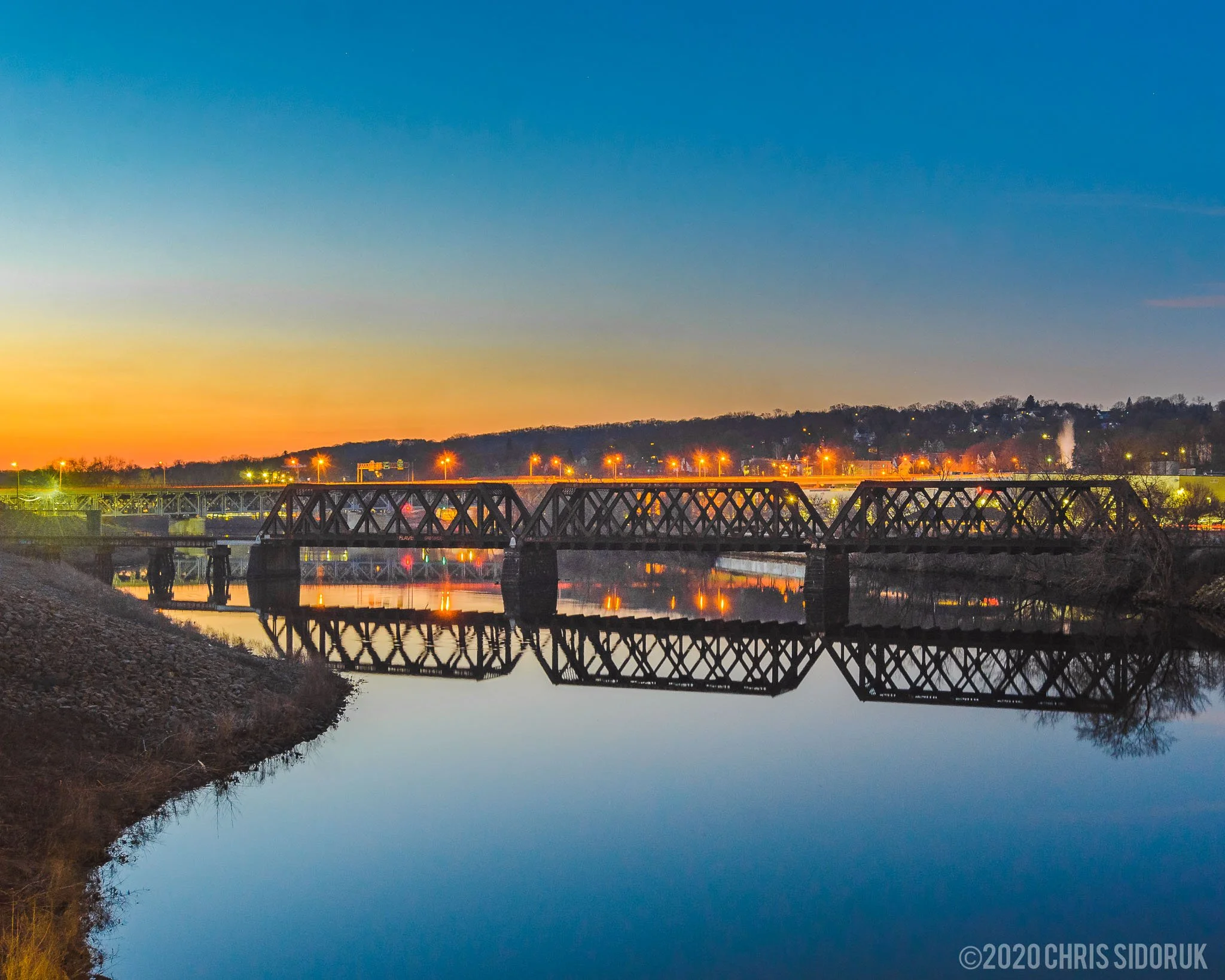
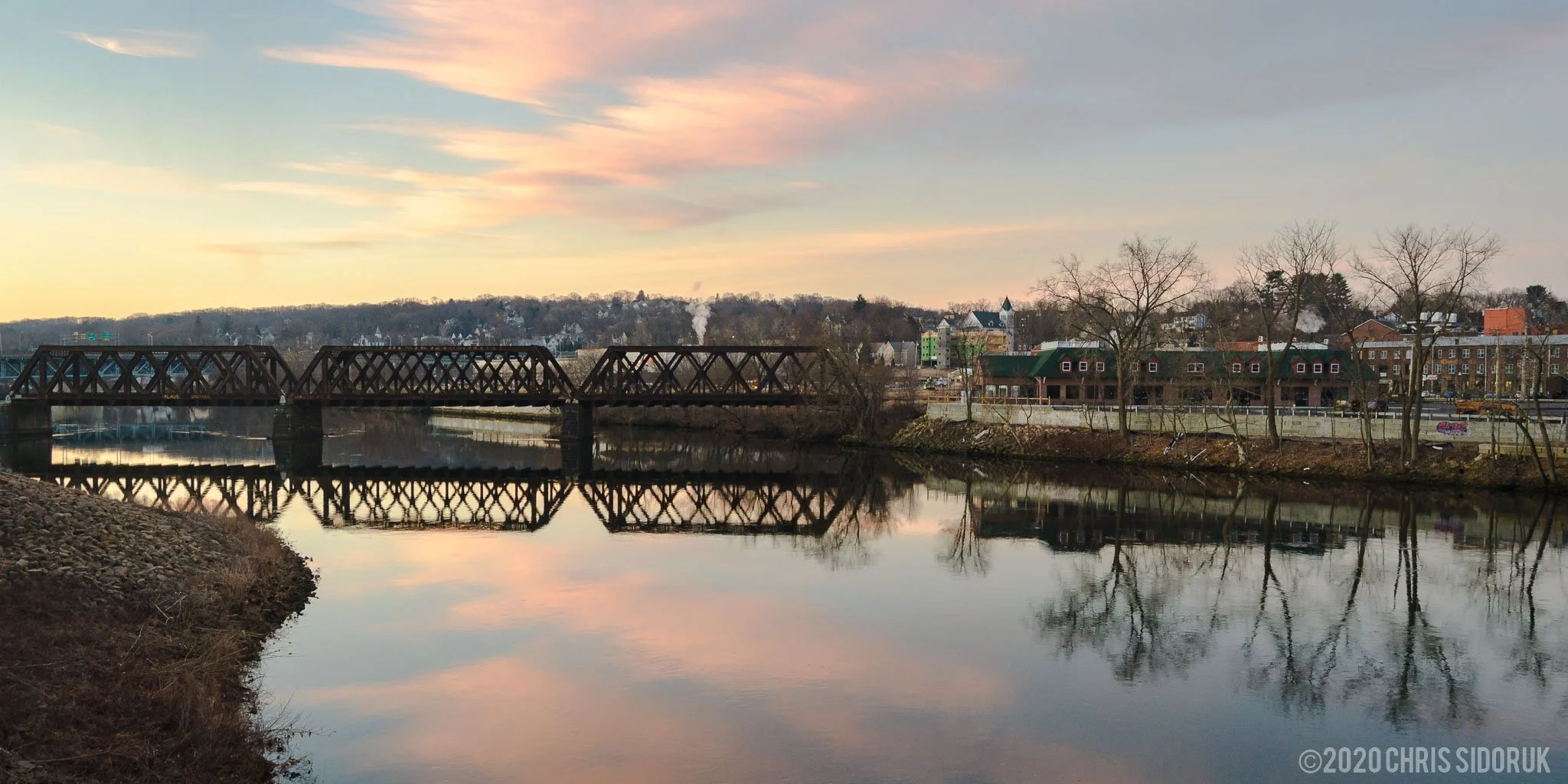
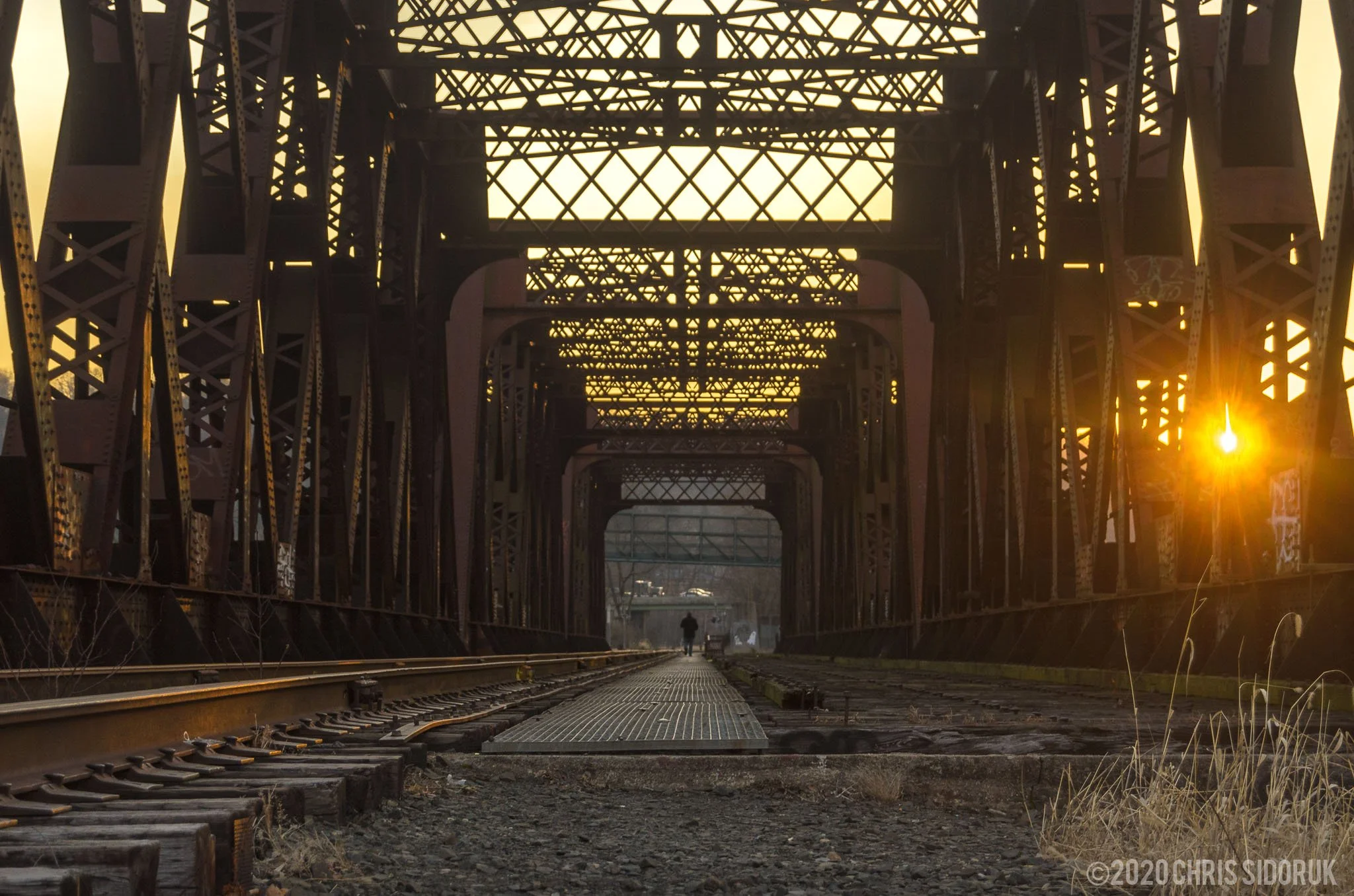
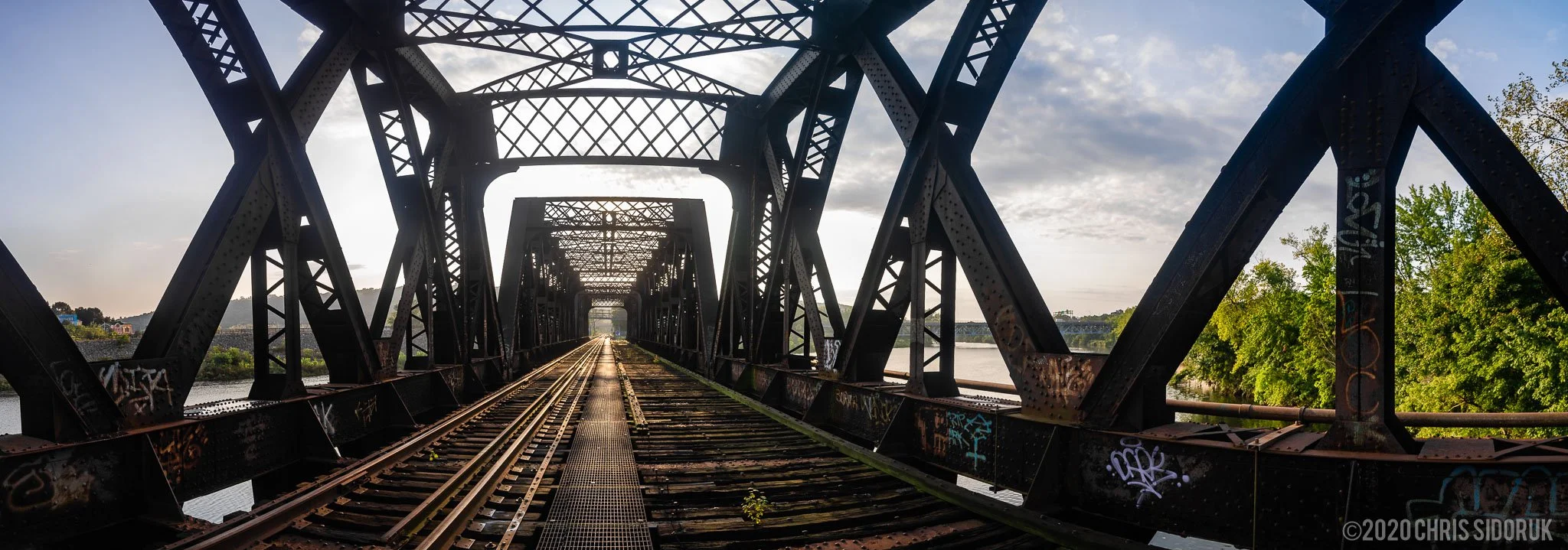
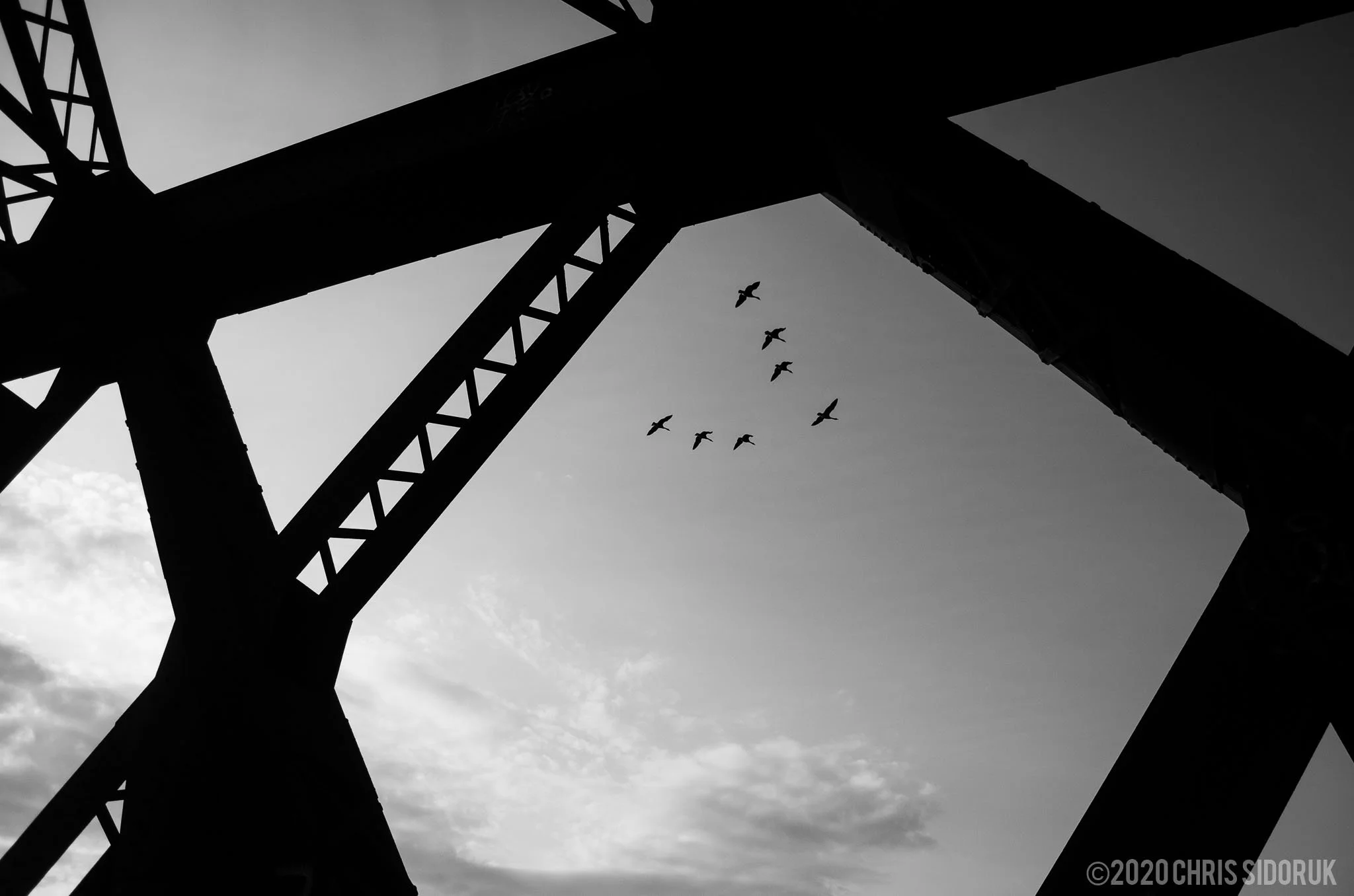
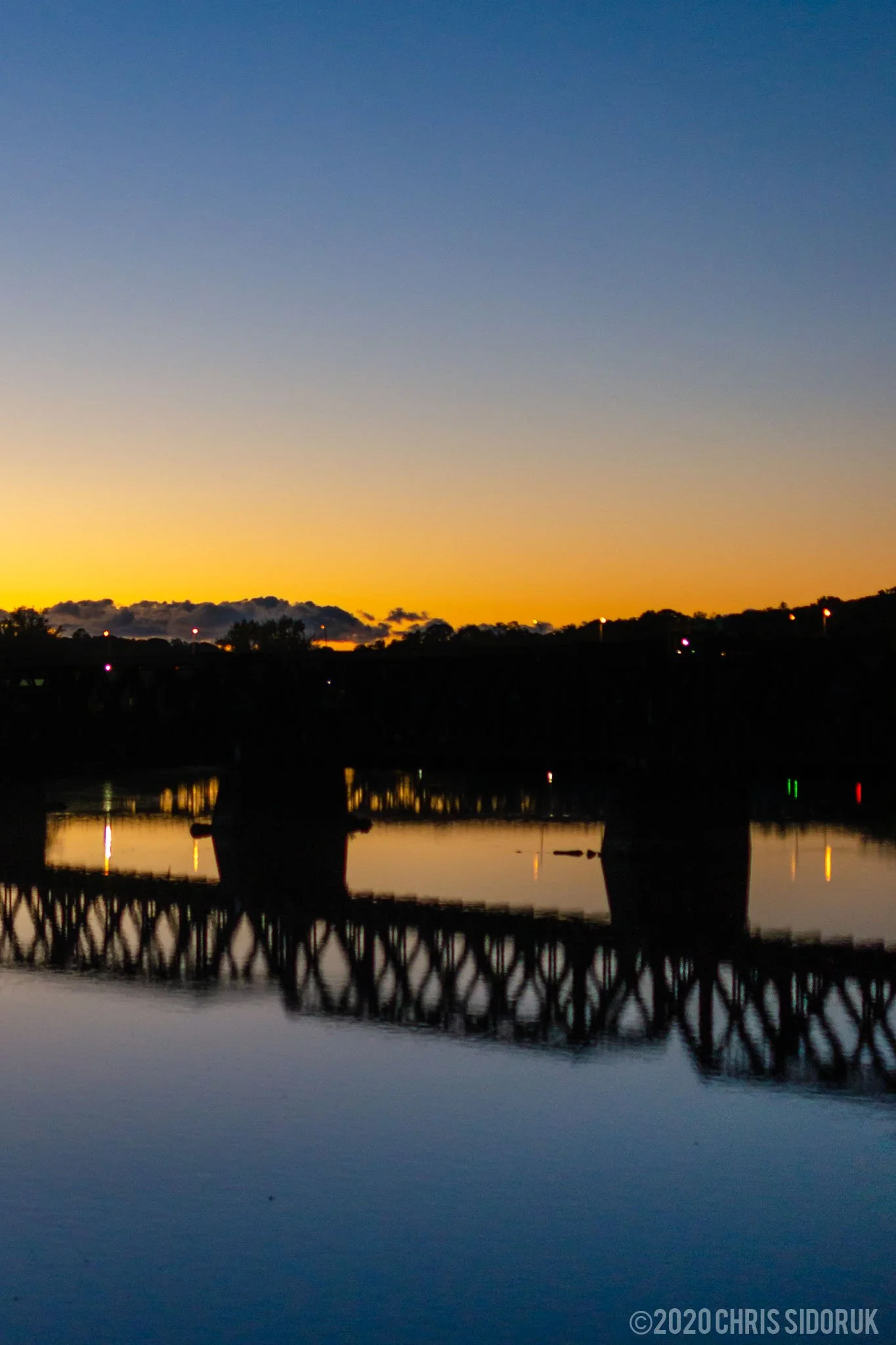
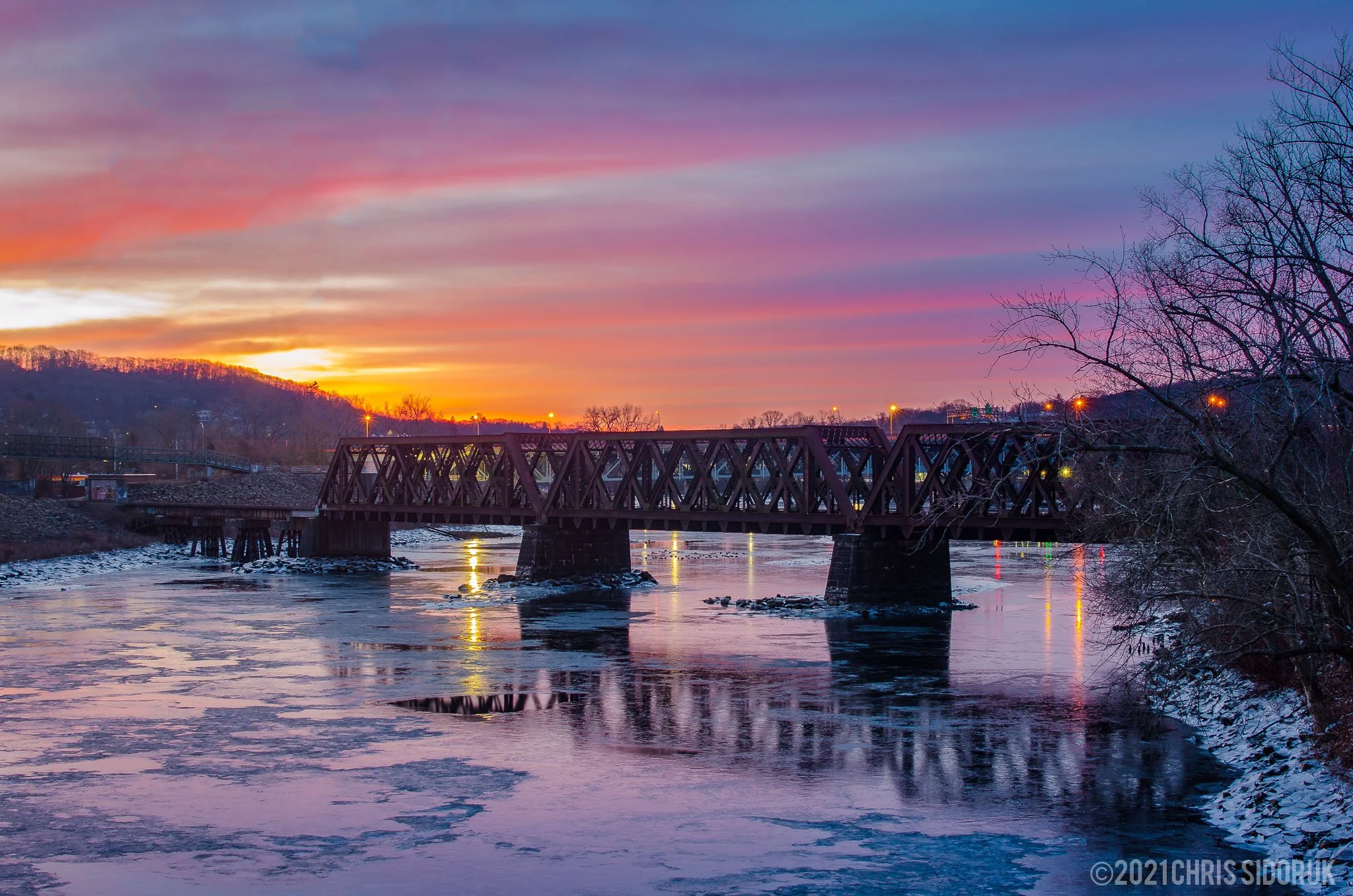
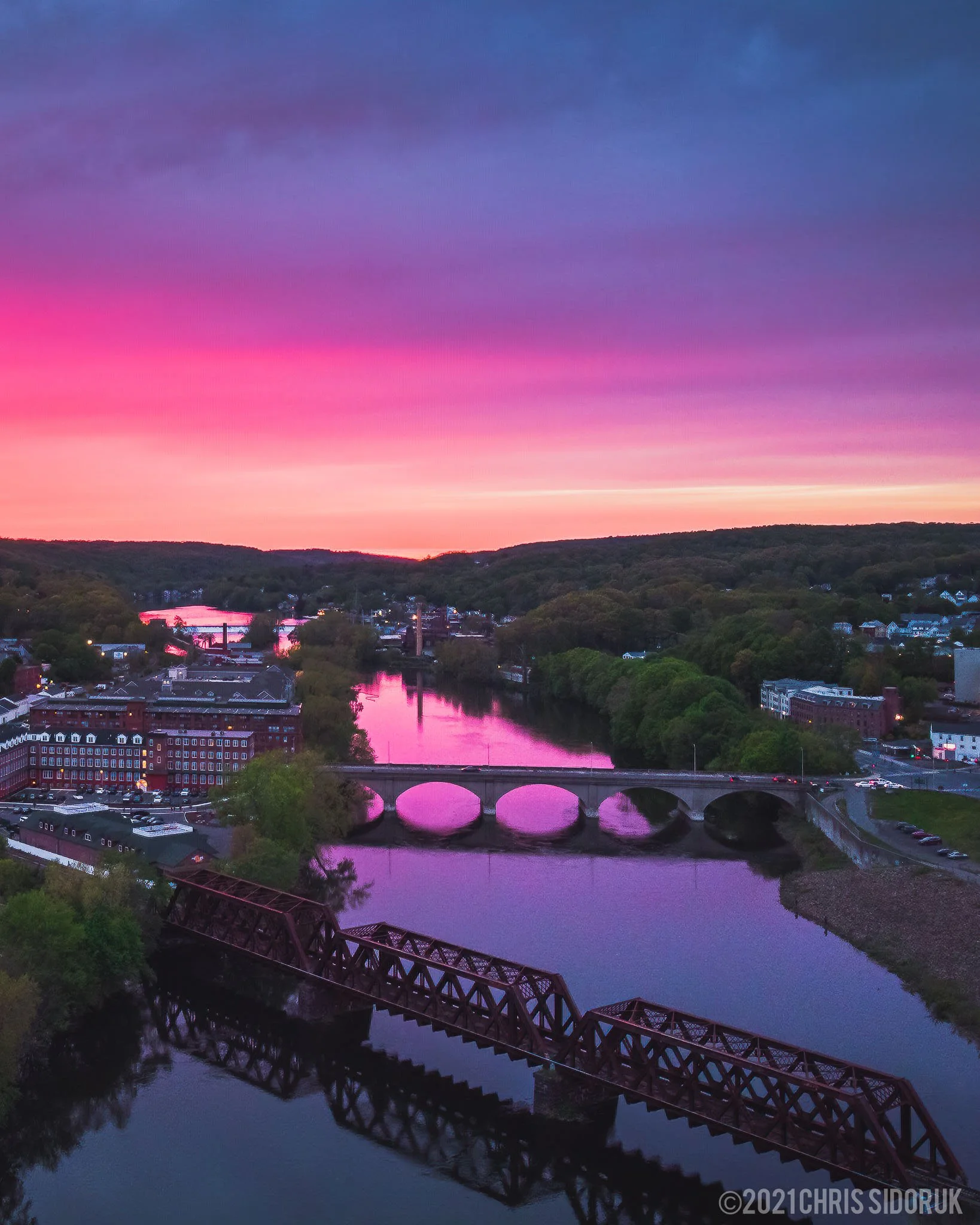
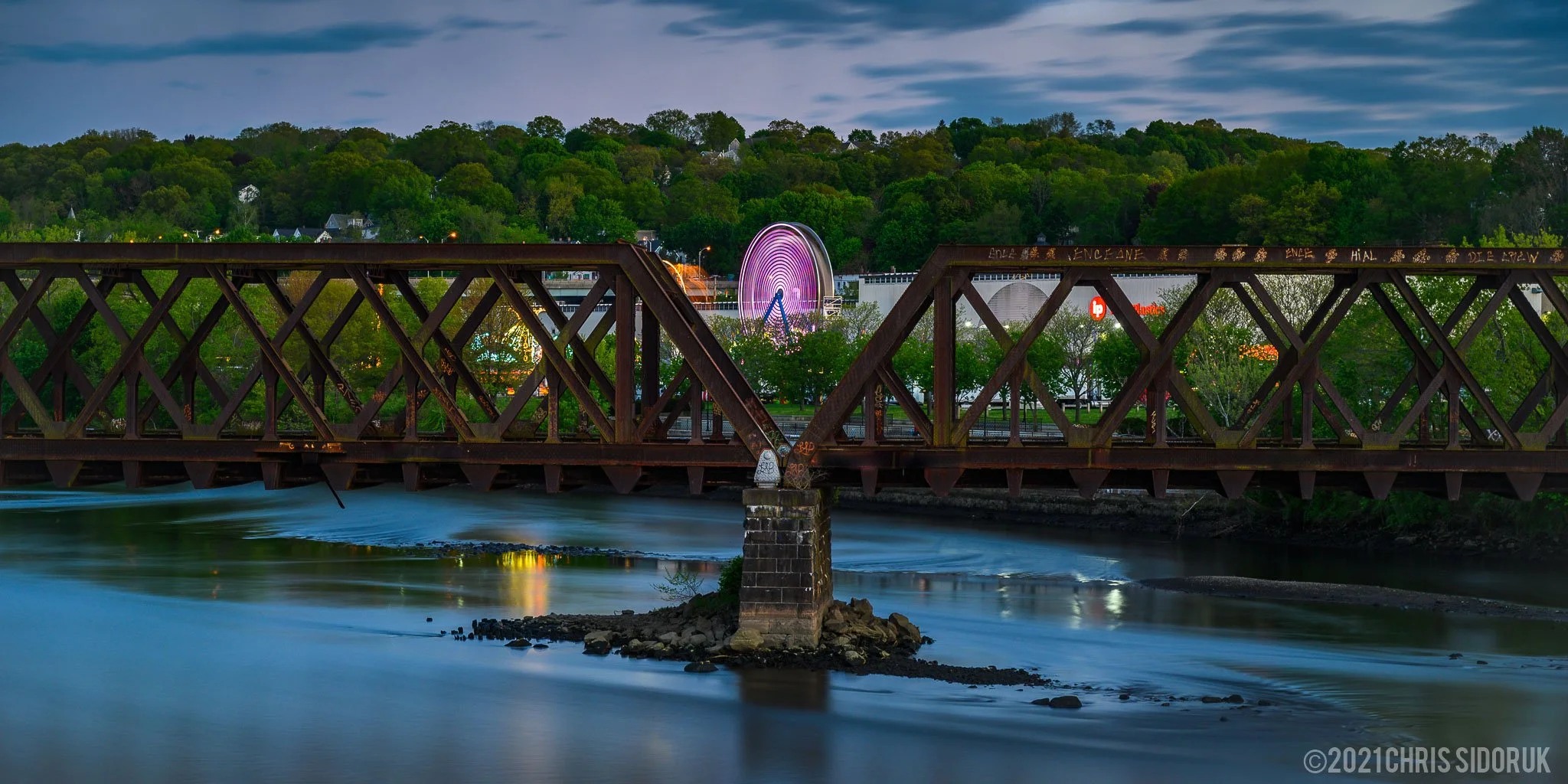
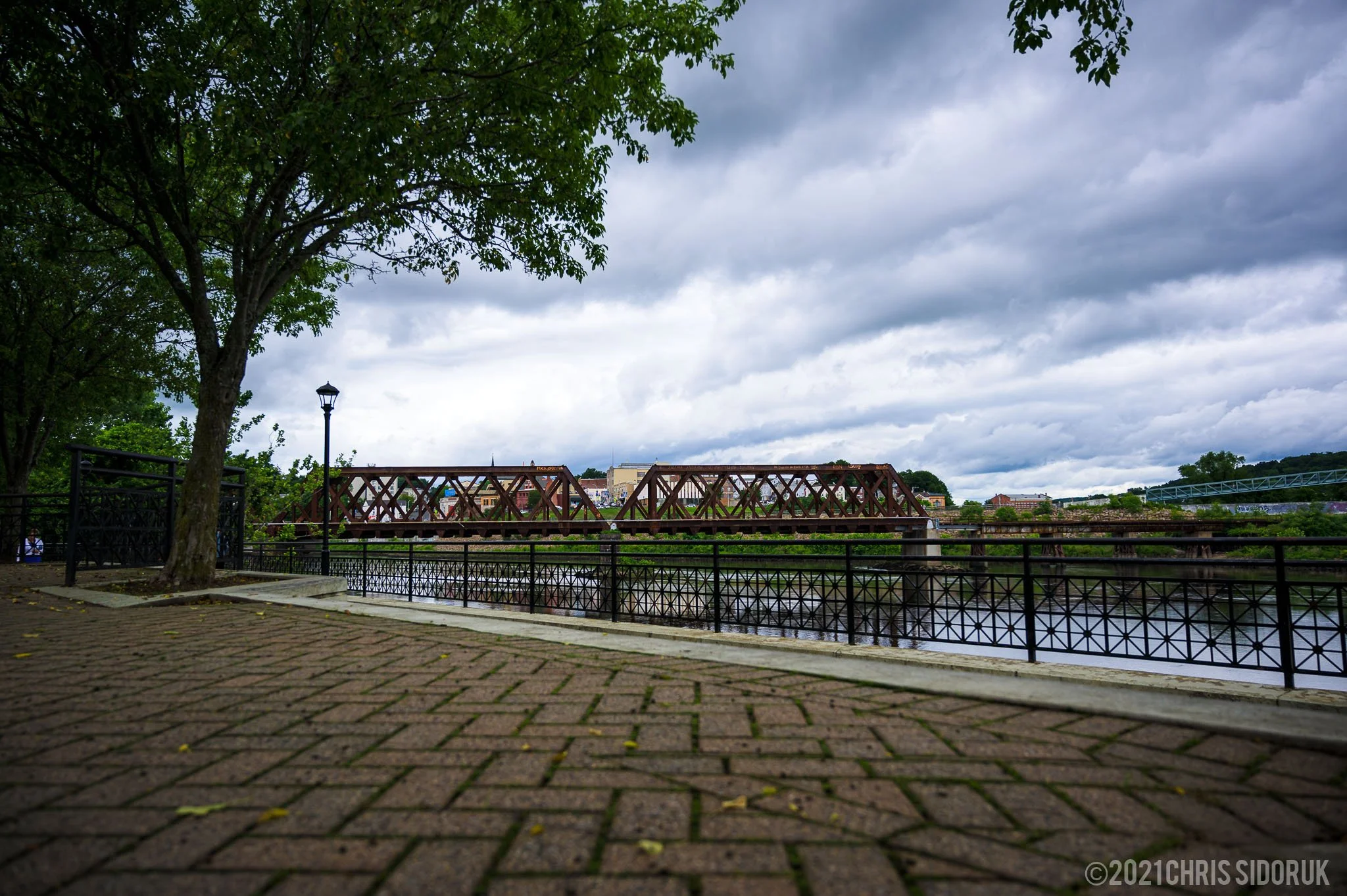
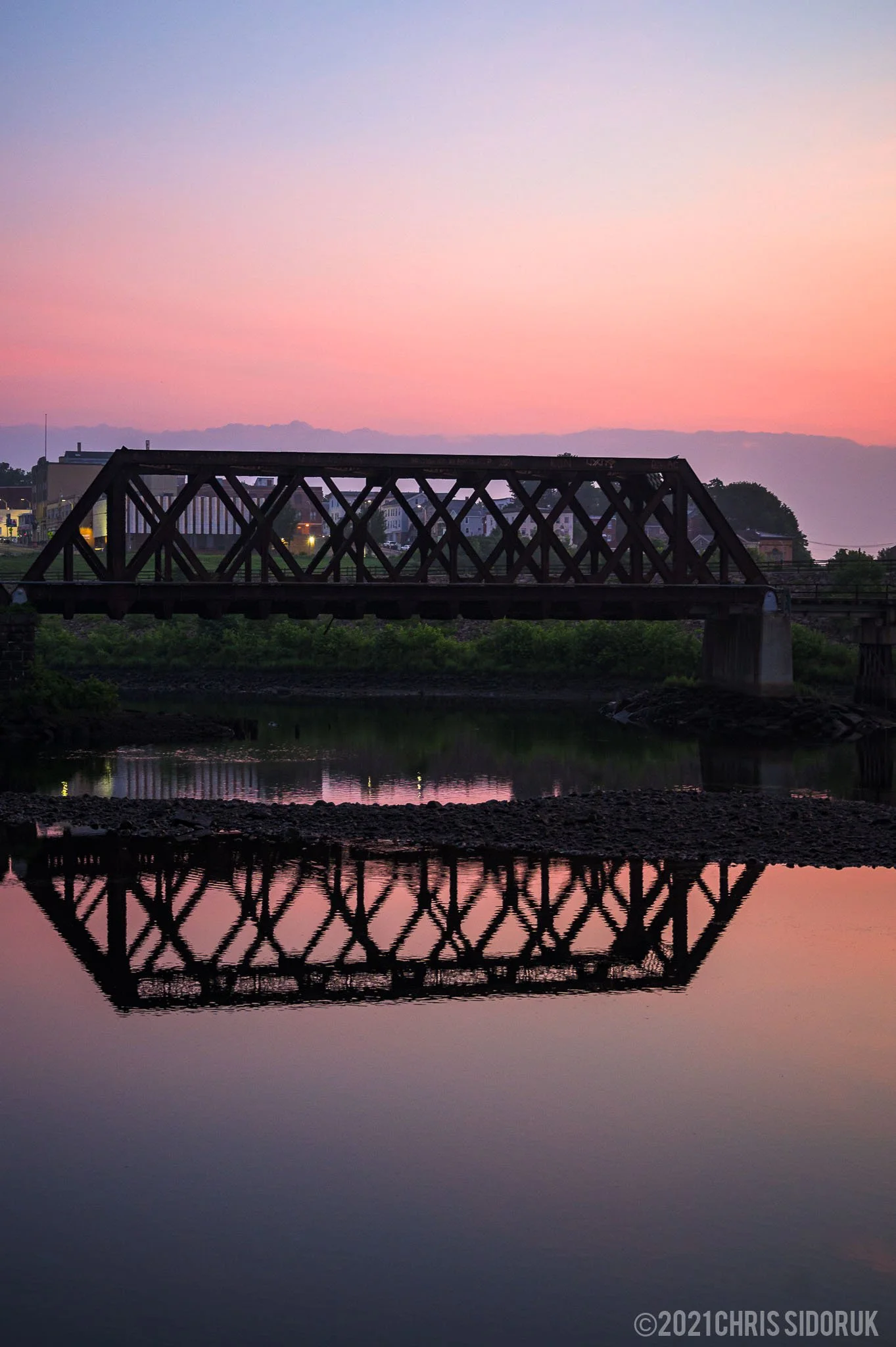
Photography by Chris Sidoruk, a Connecticut photographer specializing in coastal landscapes, concert photography, and visual storytelling throughout New England.
Shot using a DJI Mavic Air and Nikon D7000 with settings for landscape photography.
All photographs © Chris Sidoruk. Images are protected by copyright and may not be used, copied, modified, or redistributed without written permission.
Final Thoughts
The Shelton CT trestle bridge is a unique photography location because it combines history, architecture, and natural scenery in one landscape.
Unlike traditional scenic locations, this bridge tells a story about Connecticut's industrial past while continuing to exist as part of the modern Housatonic River landscape.
The strongest images usually come from planning around:
sunrise and golden hour light
fog and atmospheric conditions
seasonal changes
thoughtful compositions
patience and timing
Whether photographed from the riverbanks or from above, the Shelton railroad trestle bridge offers endless opportunities for creating images that showcase the relationship between human engineering and the Connecticut landscape.
Frequently Asked Questions
Where is the Shelton CT trestle bridge located?
The Shelton CT trestle bridge is located in Shelton, Connecticut and crosses the Housatonic River.
The historic railroad bridge is part of the area's industrial landscape and can be photographed from nearby viewpoints along the river and surrounding areas.
Because the bridge spans the river valley, photographers can capture both close-up structural details and wider landscape compositions.
What is the best time to photograph the Shelton CT trestle bridge?
The best time to photograph the Shelton CT trestle bridge is typically during sunrise, especially when fog, calm water, or colorful skies are present.
Other strong conditions include:
fall foliage
overcast weather
dramatic cloud formations
golden hour light
Early morning often provides the most atmospheric conditions and fewer distractions.
Is the Shelton CT trestle bridge good for photography?
Yes. The Shelton CT trestle bridge is an excellent photography location because it combines historic industrial architecture with the natural scenery of the Housatonic River.
The location offers opportunities for:
landscape photography
aerial photography
sunrise photography
fog photography
seasonal foliage photography
The combination of steel structure, water, and changing weather makes it a versatile subject throughout the year.
What camera gear is best for photographing the Shelton trestle bridge?
A flexible landscape photography setup works best for this location.
Recommended gear includes:
wide-angle lens for environmental scenes
standard zoom lens for flexibility
telephoto lens for compressed compositions
tripod for sunrise and long exposures
polarizing filter for water and foliage
A weather-resistant setup is also helpful because some of the best conditions occur during fog, changing weather, and lower-light situations.
Can you photograph the Shelton trestle bridge with a drone?
Aerial photography can provide unique perspectives of the Shelton trestle bridge by showing the relationship between the bridge, Housatonic River, and surrounding landscape.
Drone photographers should always follow applicable regulations, check airspace requirements, and operate safely around public areas and active infrastructure.
Is the Shelton CT trestle bridge good for fall photography?
Yes. Fall is one of the strongest seasons for photographing the Shelton trestle bridge.
Autumn foliage surrounding the Housatonic River creates contrast with the steel structure and adds seasonal color to landscape compositions.
October is typically one of the best months for fall photography in Connecticut, although peak color changes each year depending on weather conditions.
Why is the Shelton railroad bridge historically important?
The Shelton railroad bridge represents Connecticut's industrial and transportation history.
Railroads played a major role in connecting communities, supporting manufacturing, and moving goods throughout New England.
Today, the bridge remains a recognizable landmark that connects the region's industrial past with its modern landscape.
==========
Explore More Guides
→ Best Places to Take Pictures in Connecticut
→ Housatonic River Photography Guide
→ New England Photography Guide
→ Mount Greylock Photography Guide
→ Silver Sands State Park Photography Guide
→ Best Cameras for Landscape Photography
→ Best Lenses for Landscape Photography
