
How to Shoot Concerts in Small Venues (Bar & Club Photography Guide)
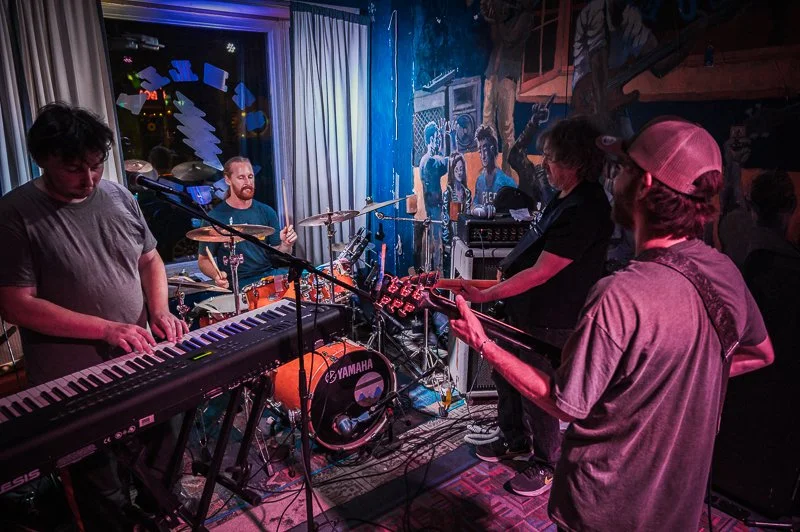
small venue concert photography bar stage low light
==========
Last Updated: August 2026
Small venue concert photography is where most photographers actually start.
And it’s also where things are hardest.
You’re dealing with:
low, inconsistent lighting
tight spaces
limited movement
unpredictable moments
This guide breaks down how to shoot concerts in bars, clubs, and small venues in real-world conditions—where you don’t have ideal lighting or perfect access.
Why Small Venue Concert Photography Is Different
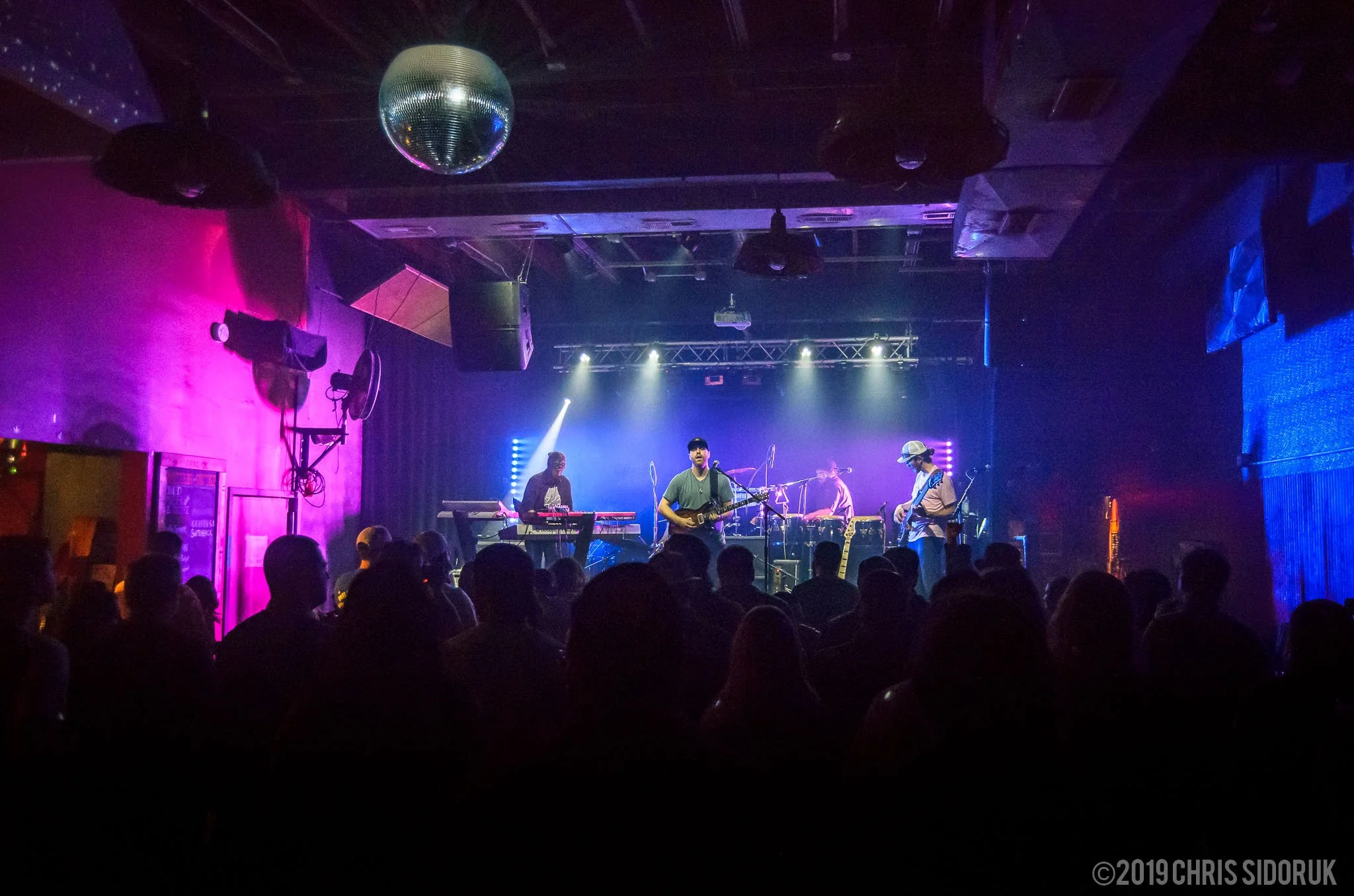
Small venues are where many concert photographers build their skills—but they can also be some of the most difficult environments to photograph.
Unlike large venues, you usually don't have:
a dedicated photo pit
professional lighting
predictable sight lines
room to move
Instead, you're working around:
fans standing directly in front of the stage
musicians moving close to the audience
inconsistent lighting
distracting backgrounds
limited shooting positions
The challenge is learning how to create strong images despite those limitations.
👉: View intimate live show coverage
The Biggest Challenges in Small Venue Concert Photography
1. Limited Space and Movement
arrive early
identify your shooting positions
don't constantly move through the crowd
look for small changes in angle
A few feet can completely change the image.
2. Difficult Lighting Conditions
Small venues often have:
colored LED lights
uneven exposure
bright highlights and dark shadows
rapidly changing colors
Instead of trying to make every image perfectly exposed:
expose for faces when possible
use shadows creatively
accept dramatic contrast
3. Distracting Backgrounds
Small venues often have:
beer signs
exit signs
cables
equipment
crowded backgrounds
Tips:
shoot wider apertures
change angles
use performers or instruments as foreground elements
simplify the frame
Gear That Works Best for Small Venues
Small venues reward compact, fast gear.
You usually don't need:
long telephoto lenses
large professional setups
multiple camera bodies
A practical setup:
Camera
Look for:
strong high ISO performance
reliable autofocus
good handling in dark environments
Examples:
Lens
The lens choice matters even more.
Best options:
24-70mm f/2.8:
flexible framing
works when you're close to the stage
35mm or 50mm f/1.8:
excellent in extremely dark rooms
lightweight
strong subject separation
70-200mm:
usually less useful unless the venue is larger
👉 See recommended setups:
Best Cameras for Concert Photography
Best Lenses for Concert Photography
Best Camera Settings for Small Venue Concerts
Because lighting changes quickly, manual exposure is often the most consistent approach.
Starting point:
Aperture: f/1.8-f/2.8
Shutter: 1/200-1/320
ISO: 1600-12800 depending on lighting
For performers moving aggressively:
Prioritize shutter speed over ISO.
A sharp noisy image is usually better than a clean blurry image.
👉 Full breakdown:
Best Camera Settings for Concert Photography
Where to Stand When Photographing Small Venues
Front of Stage
Pros:
emotional expressions
dramatic angles
interaction
Cons:
difficult backgrounds
limited movement
Side Stage
Often overlooked.
Advantages:
cleaner profiles
depth
instruments
crowd interaction
Back of Room
Useful for:
environmental shots
crowd energy
storytelling images
Even moving a few feet can:
👉 remove distractions
👉 improve subject isolation
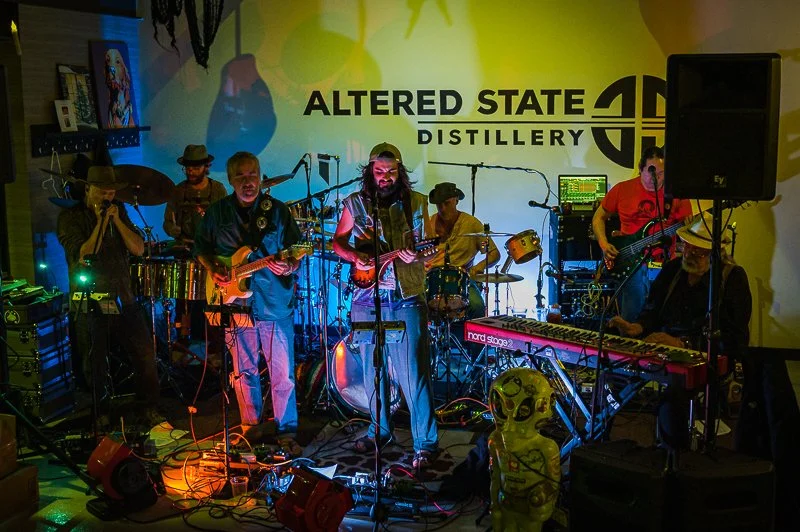
concert photography small venue stage
Using Light (Even When It’s Bad)
Lighting in small venues is often:
uneven
harsh
inconsistent
Instead of fighting it:
shoot when light hits the subject
use shadows to isolate
embrace color
👉 Learn how to work with it:
Concert Photography Low Light Tips
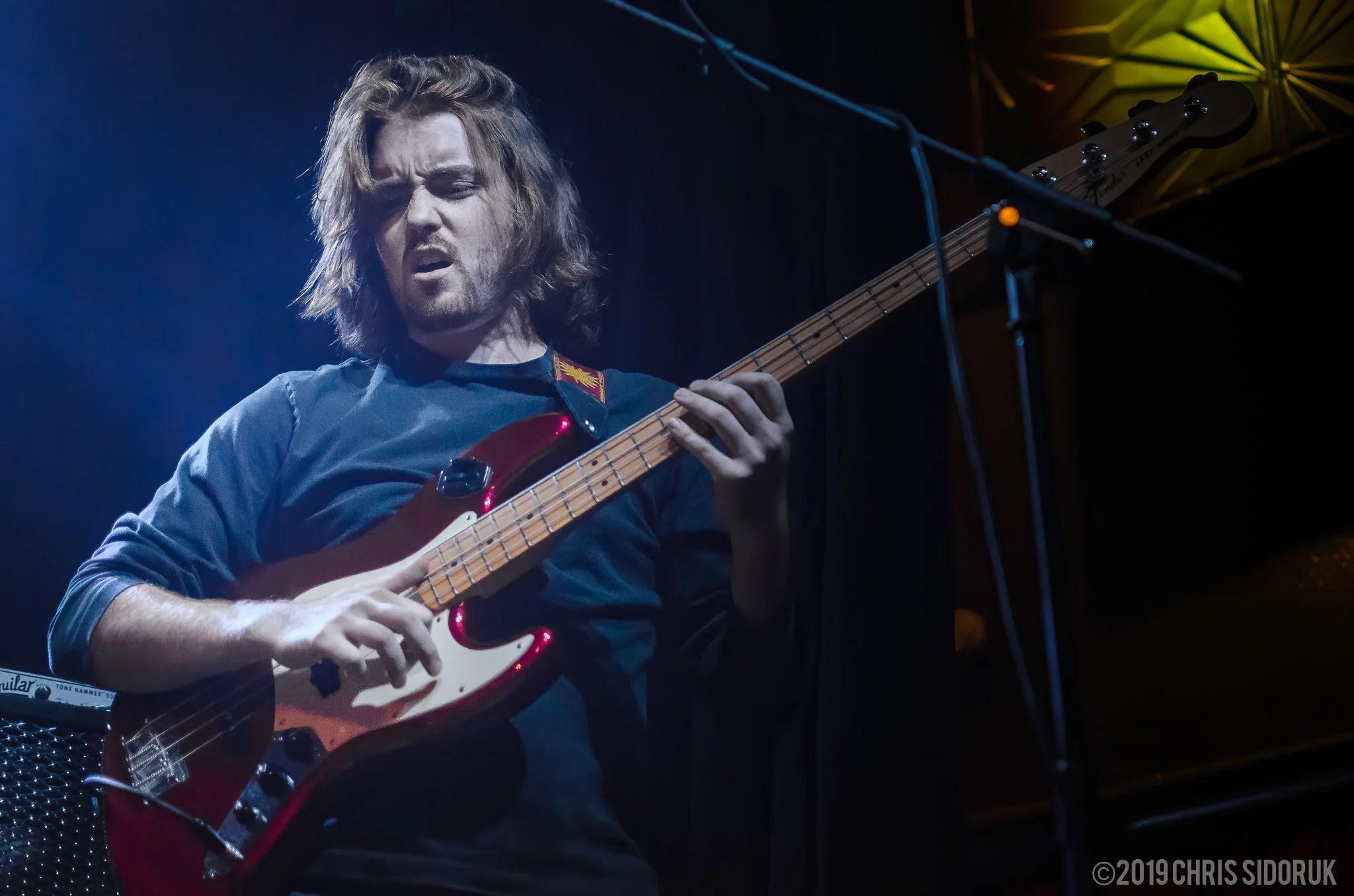
small venue concert photography low light example
Composition in Crowded Environments
Small venues are visually busy.
To get strong images:
isolate your subject
shoot through objects (crowd, instruments)
use depth to separate layers
👉 Improve your framing here:
Concert Photography Composition Guide
concert photography crowded venue composition framing
How to Capture the Energy of Small Shows
Small venues create moments you rarely get at larger shows:
musicians interacting with fans
intimate expressions
crowd reactions
musicians stepping into the audience
Don't only photograph performers.
Photograph the experience.
Don’t Overshoot (It Gets Messy Fast)
Because conditions are difficult, it’s tempting to overshoot.
But this leads to:
too many unusable images
slower editing
inconsistent results
Focus on:
intentional shots
key moments
cleaner compositions
Editing Small Venue Concert Photos
Small venue photos often require more editing due to:
color shifts
noise
inconsistent exposure
Focus on:
exposure correction
color consistency
maintaining atmosphere
Common issues:
mixed color temperatures
heavy shadows
high ISO noise
Workflow:
correct exposure
fix distracting colors
preserve atmosphere
avoid over-cleaning noise
The goal is not to make it look like a studio portrait.
The goal is to preserve the feeling of the show.
👉 Full workflow:
Editing Live Music Photos Guide
Beginner Workflow: Your First Small Venue Shoot
Arrive early
Watch the lighting
Find 2-3 shooting positions
Prioritize sharp images first
Look for moments, not volume
Review what worked afterward
👉 Start here first:
How to Shoot Your First Concert
Common Mistakes in Small Venue Photography
Shooting Too Wide Too Often
Wide shots show the environment but can become cluttered.
Ignoring Backgrounds
A great performer moment can be ruined by distractions.
Using Too Slow a Shutter Speed
Low light tempts photographers to sacrifice sharpness.
Moving Too Much
Good photographers learn when to stay still.
Final Thoughts
Small venue concert photography is where many photographers develop the skills that define their style.
The lighting may be difficult. The space may be limited. The conditions may not be ideal.
But those challenges force you to improve:
finding better angles
anticipating moments
working with available light
creating images with emotion
Master small venues, and larger stages become much easier.
👉: View real low-light club photography
Frequently Asked Questions
What camera settings work best for small venue concert photography?
A strong starting point for small venue concerts is a shutter speed around 1/250 or faster, the widest aperture your lens allows (such as f/1.8 to f/2.8), and an ISO high enough to maintain proper exposure. Small venues often have unpredictable lighting, so prioritizing shutter speed and aperture is usually more important than keeping ISO low.
What lens is best for small venue concert photography?
Fast lenses are usually the best choice for small venues. A 24-70mm f/2.8 zoom is a versatile option, while fast primes like a 35mm f/1.8, 50mm f/1.8, or 85mm f/1.8 can provide extra light in very dark environments. The best choice depends on how close you can get to the stage and how much space you have to work with.
How do I deal with bad lighting in small venues?
The key is learning to work with the available light instead of fighting it. Watch for moments when light hits the performer, use shadows to create separation, and adjust your position to find cleaner angles. In many small venues, timing matters more than having perfect lighting.
Can beginners shoot concerts in small venues?
Yes. Small venues are actually one of the best places to start because photographers often have more access and fewer restrictions. They provide valuable experience learning how to handle low light, moving subjects, crowded spaces, and unpredictable conditions.
Do I need expensive gear to photograph small concerts?
No. While a camera with good high ISO performance and a fast lens will make the job easier, technique matters more than expensive equipment. Many strong concert photographers started with entry-level cameras and affordable lenses before upgrading their gear.
How do I get permission to photograph a small venue concert?
Start by building relationships with local bands, venues, and promoters. Smaller shows are often more accessible than major concerts, making them a good place to build a portfolio. Once you have consistent work to show, it becomes easier to request photo credentials for larger events.
==========
All photographs © Chris Sidoruk. Images are protected by copyright and may not be used, copied, modified, or redistributed without written permission.
Explore more photography resources:
