
Concert Photography: When To Upgrade Your Camera Gear
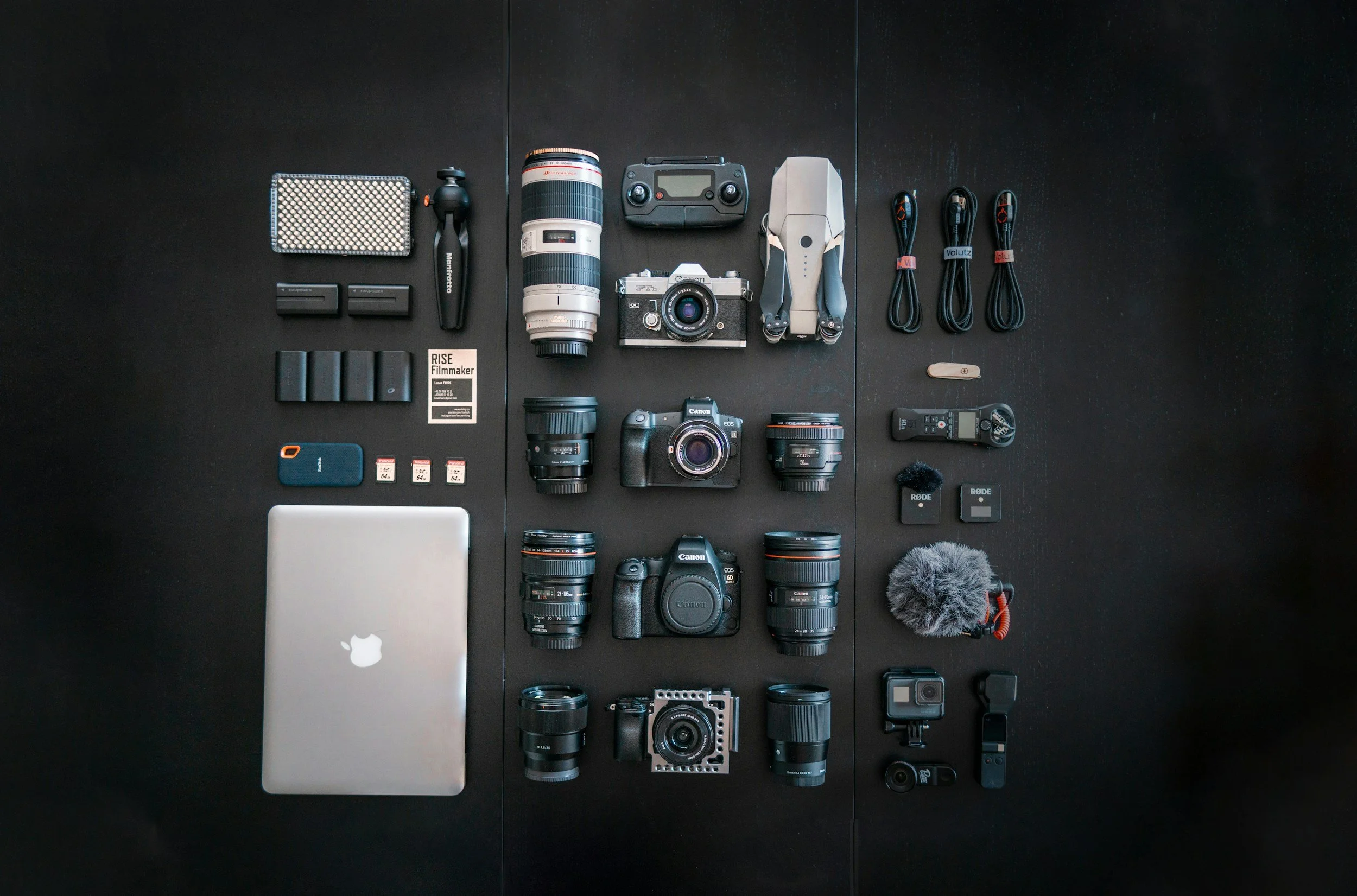
Stock Image by lucas Favre from Unsplash
*Some links in this article are affiliate links. If you purchase through them, it helps support my work at no extra cost to you.
=====
1. Introduction
Concert photography is an exciting but challenging pursuit—it’s one of the few photography niches where everything happens fast, often in terrible lighting, and you only get one shot at capturing the moment. Whether it’s the explosion of lights during the opening act, the sweat flying off the drummer’s hair mid-solo, or the quiet, emotional pause between songs, every second counts. And to freeze those moments in time with clarity and emotion, your camera gear has to rise to the occasion.
It’s not just about owning the newest or most expensive setup—it’s about having the right gear that works with your style, your environment, and the conditions you face at each gig. The truth is, the gap between a missed shot and a killer portfolio piece is often in the details: low-light capability, fast autofocus, clean high ISO performance, and a lens that can frame the stage just right from the pit—or even from the back of the crowd.
But how do you know when it’s your gear that’s holding you back, and not just something that can be fixed with technique or settings? How can you tell if it's time to upgrade, and what should you prioritize when you do?
This guide is here to help you figure that out. Whether you're just getting into concert photography with a basic DSLR or mirrorless setup, or you're a semi-pro ready to level up, we’ll break down the signs, considerations, and smart upgrade paths to take your concert photography to the next level—without wasting money or chasing specs you don’t really need.
2. Understanding Your Current Gear
Before you rush to buy the latest camera or lens, take a moment to truly understand what your current gear is capable of—and where it falls short. Upgrading for the sake of it can be a costly mistake, especially in concert photography where technique often matters more than tech. So, ask yourself: Have I mastered what I already have?
Know Your Camera’s Limits
Start by getting intimate with your current camera body. What’s its ISO performance like? How far can you push it before noise becomes unbearable in low-light venues? Most modern entry-level DSLRs and mirrorless cameras can handle ISO 3200 or 6400 decently, and with good post-processing, you might be surprised at what you can salvage. If you're constantly frustrated with grainy images or slow autofocus in the dark, that’s worth noting.
Next, consider the autofocus system. In concerts, performers don’t wait for your camera to lock focus—if your AF system is hunting too long or missing the mark in dim lighting, that’s a critical weakness. Take note of how it behaves in low light, how well it tracks motion, and whether it consistently nails focus on your subject, not the haze of stage fog or a mic stand.
Evaluate Your Lenses
Your lens choice plays a huge role in how your gear performs at concerts. Are you using a kit lens with a variable aperture like f/3.5-5.6? That’s going to struggle under stage lighting. Fast prime lenses (like a 50mm f/1.8 or 85mm f/1.4) or constant aperture zooms (like a 24-70mm f/2.8) are far better suited for low-light and fast action.
Also think about your reach and flexibility. Can your current lens frame both tight portraits and wide shots of the stage? If you're limited to standing in one place (which you often are at concerts), having a versatile lens setup is a game-changer.
Test in Real-World Conditions
Studio tests and spec sheets are one thing—but what really matters is how your gear performs in actual venues. Try shooting in different lighting situations: small clubs with minimal lighting, outdoor festivals with harsh daylight, or large arenas with strobe-heavy light shows. These real-world experiences will help you spot patterns in where your gear thrives—and where it consistently lets you down.
Do your images come out soft because your shutter speed is too low and you’re afraid to push ISO higher? Are your photos underexposed even wide open at f/2.8? Do you miss key moments because your buffer fills up too fast or your camera lags when writing to the memory card? These are all red flags.
Are You the Limiting Factor?
It’s easy to blame gear, but sometimes it’s just a matter of technique. Are you using the right settings—manual mode, spot metering, back-button focus, burst mode, etc.? Have you learned how to anticipate lighting changes or time your shots for peak action? If not, a better camera won’t solve the problem. In fact, it may complicate things until you build the muscle memory and experience.
Pro tip: Spend time pushing your current setup to its max before considering an upgrade. Rent better gear for a night and compare your results. You’ll quickly see if it’s truly your camera holding you back—or if you just need more time behind the viewfinder.
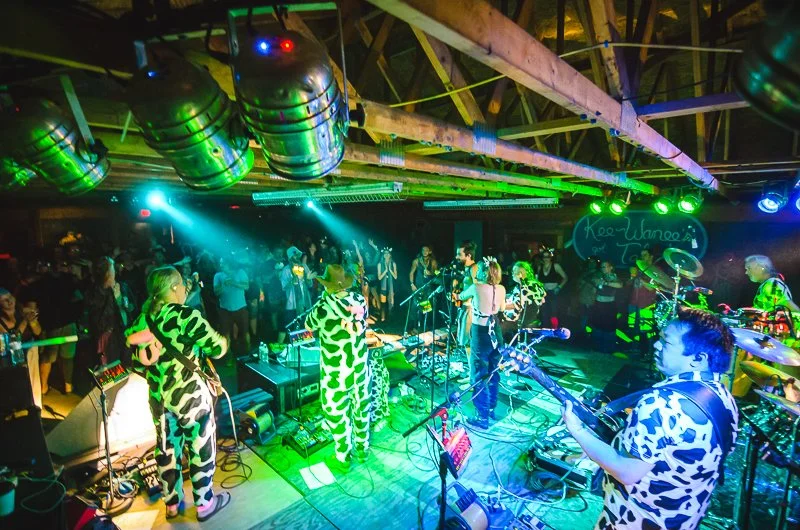
Creamery Station performing a late night cabin set at StrangeCreek music festival in 2024. | photo- ©2024 Chris Sidoruk
3. Signs It’s Time to Upgrade
So, you’ve spent time really getting to know your current setup. You’ve worked in all kinds of lighting, experimented with your settings, and maybe even rented better gear to compare. But now you're wondering—is my gear actually holding me back?
Here are the most common signs that it’s genuinely time to invest in an upgrade.
You're Consistently Missing Shots Due to Autofocus Issues
Concerts are a blur of movement—literally. Artists dance, lights flicker, smoke machines puff at the worst moments, and you’ve got about a second to nail focus before the moment’s gone. If your autofocus is slow to respond, frequently misses focus, or simply can’t keep up with performers moving across the stage, it’s time to consider a camera body with a faster and more accurate autofocus system.
Modern mirrorless systems especially excel here, offering things like real-time subject tracking, face and eye detection (even in low light), and more customizable focus zones. If you’re fighting your camera’s AF every time the action heats up, that’s a major red flag.
You’re Pushing ISO Limits and Still Getting Unusable Images
Low-light performance is everything in concert photography. If your images are constantly noisy, muddy, or require excessive post-processing just to look passable, your camera may not be cutting it.
Older cameras or entry-level models often struggle past ISO 1600–3200. If you’re maxing out your ISO and still getting dark or grainy images, you’d benefit massively from a sensor upgrade—especially full-frame sensors that can handle higher ISOs with much cleaner results.
Your Camera Can’t Handle Fast Action
Concerts aren’t just slow, soulful ballads—there’s often jumping, spinning, crowd surfing, and rapid movement. If your current camera has a slow burst rate (frames per second) or a shallow buffer (the number of shots you can take in a row before the camera slows down), you may be missing key action shots.
Look for a camera that can shoot at least 7–10 frames per second, ideally with a deep buffer that can handle RAW bursts. This makes a huge difference when you’re trying to capture that perfect mid-air jump or a dramatic lighting change during a chorus drop.
You're Limited by Lens Compatibility or Mount Support
If you’re using an older DSLR body and you’ve started investing in modern lenses, you may be missing out on features like fast, silent autofocus motors, in-body stabilization, or full communication between camera and lens.
Also, many manufacturers are now focusing on their mirrorless lines, meaning newer lenses and features might not even be compatible with your current setup. If you feel boxed in by what lenses you can use, that’s a clear signal it’s time to move forward.
Your Files Are Too Small or Lack Detail
If you’re starting to print your work, build a portfolio, or work with clients, image resolution becomes more important. Older cameras with lower megapixel counts may not give you the detail or crop flexibility you need, especially if you’re shooting from the crowd and need to punch in.
While megapixels aren’t everything, upgrading to a body with 24MP or higher can give you the breathing room you need to crop and still retain sharp, print-worthy images.
You're Feeling Technically Held Back More Than Creatively Inspired
This one’s a bit more emotional—but no less real. If your creative vision is constantly bumping up against your gear’s technical limitations, and you’re starting to lose excitement about shooting concerts because you’re always fighting the camera, that’s a sign.
Your gear should be a tool, not a burden. When you’ve hit a wall with your current setup and feel more frustrated than fulfilled, it might be time to invest in equipment that helps you work faster, cleaner, and with more confidence.
You’re Getting Paid or Pursuing Serious Gigs
If you’re moving from hobbyist to professional, or even semi-pro, the expectations around your work rise sharply. Clients won’t tolerate soft focus, grainy photos, or missed moments—nor should they. Professional gear won’t automatically make you better, but it will give you the speed, flexibility, and reliability needed for paid gigs.
In other words, if you’re charging money or shooting for serious publications, you need gear that can handle pressure. Think dual card slots, weather sealing, better battery life, and pro-level build quality.
You’ve Outgrown Your Kit Lens and Entry-Level Camera
Most photographers start with a basic kit—a crop sensor body and an 18-55mm lens. That’s a solid beginning, but once you’ve learned to compose, expose, and shoot confidently, those limitations become glaring. If you find yourself wanting to shoot at f/2.8 or faster, needing longer reach, or dreaming of tack-sharp primes, it’s time to start building a more serious kit.
You’ve Already Tried Every Workaround
If you’ve maxed out your editing skills, optimized your settings, and rented better gear just to compare….and your current camera still isn’t delivering the results you need, then you have your answer. It's not you. It's the gear.
At that point, an upgrade is no longer a luxury—it’s a necessity.
Check out my blog on the best cameras for concert photography here.
Check out my blog on the best lenses for concert photography here.
4. How Better Gear Improves Concert Photography
Let’s be real—while skill and experience are the backbone of great photography, having the right gear can dramatically elevate your game, especially in the unpredictable, fast-paced world of concerts. It’s like trying to win a race with a beat-up old car; yes, your driving matters, but the machine under you plays a big role too.
Here’s exactly how better gear helps you shoot smarter, faster, and more creatively at live music events.
Better Low-Light Performance = Cleaner Images
Concerts are notorious for terrible lighting. One second you're dealing with harsh reds, the next you're in near-total darkness with a single spotlight on the singer. Better camera bodies—especially full-frame models—perform beautifully in these tough conditions.
Modern sensors handle high ISO settings with far less noise. That means you can shoot in darker venues without your images turning into a grainy mess. Cleaner files give you more flexibility in post-production and allow for better prints, sharper edits, and overall stronger image quality.
Faster Autofocus = Sharper Shots
Concerts don’t wait for you to catch up. Performers sprint across the stage, spin, flip their hair, or leap into the air—and your camera needs to catch those milliseconds. Newer cameras come with advanced autofocus systems that offer real-time subject tracking, eye autofocus, and lightning-fast focus speeds even in low light.
The result? More keepers. You’ll spend less time culling through missed shots and more time delivering crisp, focused images that capture the energy of the show.
Higher Burst Rates = More Chances to Nail the Moment
Let’s say a guitarist jumps mid-solo or a pyro blast lights up the stage for half a second. With an older camera that shoots 3-4 frames per second, you might miss the peak moment. But a newer camera firing at 10+ fps gives you a higher chance of freezing that split-second magic.
High burst rates are like insurance—you may not use every shot, but you’ll have that one perfect frame that makes the difference between good and great.
Better Dynamic Range = Recover More Detail
Stage lights create harsh contrasts. You’ll often find deep shadows under a performer’s chin or blown-out highlights from backlights or strobes. Cameras with better dynamic range give you more latitude when editing—you can pull shadows, recover highlights, and still maintain color and detail without introducing weird noise or banding.
This allows you to create balanced, dramatic edits even in extreme lighting, giving your work a polished, professional look.
Higher Resolution = Flexibility in Cropping
You won’t always have the perfect shooting spot. Sometimes you’re stuck at the back of the venue or can’t get close enough to frame the artist how you’d like. High-resolution sensors let you crop in without sacrificing detail. So even if you’re zoomed all the way in from 30 rows back, you can still deliver a crisp portrait.
This is especially useful for event promoters or media outlets who want tight, close-up images of artists from wide venue shots.
Silent or Electronic Shutters = Stealth Mode Shooting
Clicking shutters can be annoying—especially during quieter, acoustic sets. Newer mirrorless cameras often have silent shutter options, letting you shoot without drawing attention. This is a subtle but powerful upgrade that makes you less obtrusive, more professional, and more adaptable to different types of performances.
Weather-Sealed Bodies and Lenses = More Durability
Some gigs happen rain or shine. Think music festivals, outdoor concerts, or even sweaty, beer-soaked clubs. Professional-grade gear is usually built tougher, with weather sealing and rugged materials that won’t panic at the first sign of dust or drizzle. That means fewer worries about your gear—and more confidence to shoot in all conditions.
Better Battery Life and Dual Card Slots = More Reliability
There’s nothing worse than your battery dying mid-show or losing images to a corrupt memory card. Higher-end cameras usually offer longer battery life, more efficient power usage, and dual card slots for automatic backups. These features are lifesavers during long shoots or when you're covering an entire tour or festival set.
Pro-Grade Lenses = Beautiful Bokeh and Razor Sharpness
Upgrading your lens makes just as much (if not more) of a difference as upgrading your camera body. Fast prime lenses like f/1.4 or f/1.8 let in more light, create stunning depth of field (that creamy background blur we all love), and isolate your subject even on cluttered stages.
High-end zoom lenses with constant apertures (like 24-70mm f/2.8 or 70-200mm f/2.8) give you both flexibility and quality, allowing you to go wide or tight without switching lenses.
Confidence and Creative Freedom
Last but definitely not least—better gear gives you a creative boost. You’re no longer worrying if your shots will come out. You’re thinking about composition, color, emotion, and storytelling. You feel free to try new angles, experiment with lighting, and push your style because the technical part is taken care of.
It’s like upgrading from a basic toolbox to a full-blown workshop—you’re simply able to do more.
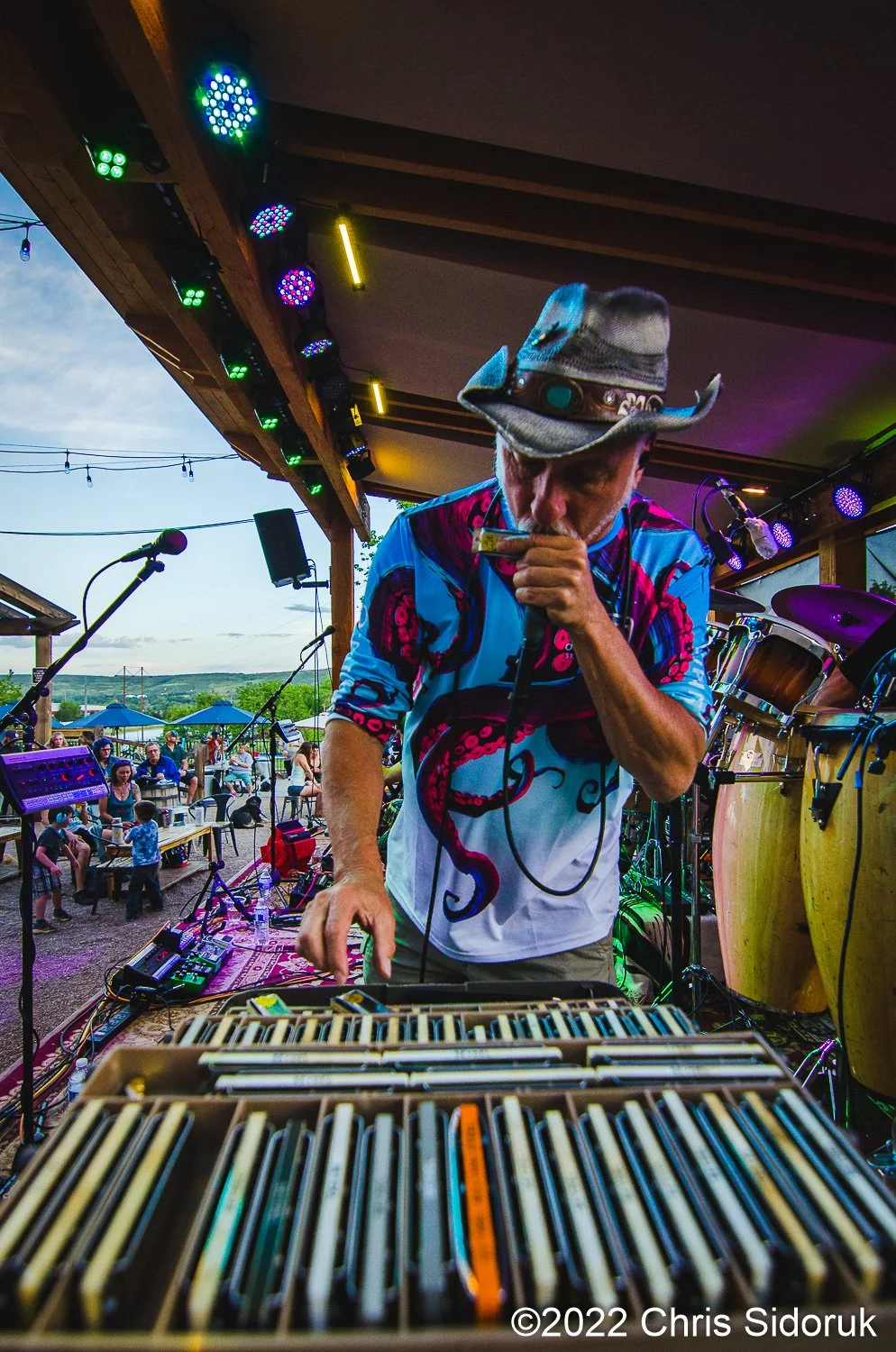
Don DeStefano reaching for another one of his many Seydel harmonicas, at a show in Golden, Colorado. | photo- ©2022 Chris Sidoruk
5. Prioritizing Your Upgrade Path
So you’ve decided it’s time to upgrade—awesome! But before you dive headfirst into a shopping spree or start maxing out your credit cards, it’s crucial to build a smart, strategic upgrade path. Upgrading camera gear can be a significant investment, so it’s important to prioritize based on what will give you the biggest impact on your concert photography right now.
Here’s how to break it down and make the smartest upgrade decisions step-by-step.
Identify Your Pain Points First
Start by asking yourself: What’s holding you back the most right now?
Are your shots constantly soft because your autofocus is laggy? Are your images too noisy in low light? Are you struggling to get close enough with your current lens? Pinpointing the weakest link in your gear setup will help you determine where to focus your money first.
For example:
If your images are sharp but grainy, you may need a camera body with better low-light performance.
If you’re always stuck at the back of the venue, a longer telephoto lens might be the game-changer.
If your shots are well-exposed but boring, maybe it’s time to invest in a faster prime lens to play with depth and light.
The goal? Upgrade where you’ll feel the difference immediately.
Upgrade Lenses Before Camera Bodies (Most of the Time)
Here’s the golden rule: Lenses often outlast camera bodies and impact image quality more than most realize.
A high-quality lens on an older camera can still deliver stunning results. But a cheap, kit lens on a brand-new body? That’s like putting cheap tires on a Ferrari.
Start with your glass. A fast prime or a pro-level zoom (like a 70–200mm f/2.8 or a 24–70mm f/2.8) can transform your work instantly—better sharpness, improved low-light performance, and creative flexibility with depth of field.
Also, good lenses retain their value better than camera bodies, making them a solid long-term investment.
Consider the Type of Concerts You Shoot
Different environments call for different gear priorities. Are you mostly in small clubs or large arenas? Festivals or low-ceiling indoor venues?
Small venues and clubs: You’ll need low-light monsters—fast primes (f/1.4, f/1.8) and a camera with great ISO handling.
Arenas and stadiums: Long zooms and fast burst rates matter more. You may not be able to move freely, so reach and speed are key.
Outdoor festivals: Weather sealing, battery life, and durability may move up your priority list.
Tailor your upgrades to the gigs you shoot most often.
Don't Underestimate Accessories
Sometimes, it's not the camera or lens that's holding you back—it’s the supporting cast.
Before splurging on the latest full-frame beast, ask yourself:
Do I have fast and reliable memory cards?
Am I carrying a solid monopod for long shoots?
Is my editing setup fast enough to keep up with RAW files?
Is my camera strap secure and comfortable for multi-hour sets?
Sometimes, a few hundred bucks spent on accessories (like extra batteries, or high-speed cards) will make more of a difference than a thousand on new gear.
Upgrade in Phases, Not All at Once
Let’s be honest: not everyone can drop $5,000 on new gear in one shot. And that’s okay. Build your kit in phases.
Here’s a sample path for most concert photographers:
Start with one high-quality lens – Like a 50mm f/1.8 or a 70–200mm f/2.8.
Upgrade the body – Once your glass is strong, invest in a camera with better ISO, autofocus, and dynamic range.
Add versatility – Get a second lens that covers another focal length (wide-angle, telephoto, etc.).
Upgrade support tools – Stronger editing tools, backup storage, better bags, etc.
Pacing your upgrades like this keeps your wallet safe and your workflow improving steadily.
Stick to One Ecosystem (When Possible)
Switching brands or camera systems mid-upgrade is like starting over. You’ll have to buy all new lenses, accessories, and maybe even software. While it’s sometimes necessary (especially if your current brand isn’t serving your needs), it’s usually more cost-effective to stick with one system and grow within it.
If you’re considering a switch (say, from DSLR to mirrorless), weigh the benefits and total costs—not just the camera body.
Rent Before You Buy
Still unsure where to start? Rent the gear you’re considering before committing.
Spending a weekend with a new lens or camera body can give you a real-world feel for whether it improves your work. Many photographers save thousands by realizing a certain upgrade doesn’t make a huge difference—or find gear they never considered before that fits their style perfectly.
Think Long-Term
Instead of chasing the newest release, look for gear that will serve you well for years. Ask:
Will this lens or body still perform great 3–5 years from now?
Will it support the kind of concerts I want to shoot next year?
Is this camera adaptable with future accessories or software?
Think of each piece of gear as a partner on your creative journey—not just a flashy toy. The best upgrades don’t just help you now—they grow with you.
6. Budget Considerations
Let’s face it—camera gear isn’t cheap. Especially when you’re shooting concerts, where you need equipment that can handle low light, fast movement, and tough conditions. So how do you level up without blowing your entire savings account?
Here’s how to think smart about your budget when upgrading your concert photography gear.
Set a Realistic Budget—Then Stick to It
Before you get swept up in the excitement of new gear, it’s crucial to establish your limit. Not just what you can afford, but what’s reasonable based on your current stage in photography.
Are you doing this as a hobby? Supplementing your income? Building a professional portfolio? Your goals should guide how much you're willing to spend.
👉 Tip: Break it down into short-term and long-term budgets. Maybe you can spend $500 now, but you plan to invest $2,000 over the next year. That way, you can prioritize your upgrades and avoid impulse buys.
Know What’s Worth the Splurge—and What’s Not
Not everything in your kit needs to be top-of-the-line. Some things are worth spending on, others... not so much.
Worth the splurge:
Lenses: A quality lens can last a decade or more and impact your image quality more than the camera.
Camera body: Especially if you're shooting in low-light venues, it pays to get a body with strong ISO performance and fast autofocus.
Memory cards: Don’t skimp here—get fast, reliable cards. A cheap one can ruin a whole shoot.
Save on:
Tripods and straps (unless you’re touring regularly)
Camera bags (function over brand names)
Accessories you won’t use often
Always ask yourself, “Will this help me shoot better today?” If the answer’s no, wait on it.
Buy Used or Refurbished
Here’s a secret: Used gear is often just as good as new gear—and way cheaper.
Plenty of photographers sell their equipment when they upgrade, and if you buy from a reputable seller (like KEH, MPB, or B&H Photo's used section), you can save hundreds without compromising quality.
Refurbished gear from the manufacturer is also a great way to get like-new equipment at a discount, often with a warranty included.
Just do your homework. Check the shutter count on used cameras. Inspect lenses for dust, scratches, and autofocus issues. And always, always test it out when possible.
Sell or Trade Your Old Gear
Why let your old gear collect dust? Use it to fund your next upgrade.
Many retailers and marketplaces allow you to trade in your old gear and get credit toward new purchases. Or, list your equipment on platforms like:
Facebook Marketplace
eBay
Local photography groups
Prioritize Gear That Matches Your Earning Potential
If you’re making money from concert photography—or plan to—look at your gear as an investment, not just an expense.
Ask yourself:
Will this lens help me land better-paying gigs?
Will a new camera help me deliver higher-quality content to clients?
Can I raise my rates with better gear?
If the answer is yes, it might be worth stretching your budget a bit, especially if the ROI is clear.
But if you’re not earning from photography yet, focus on cost-effective upgrades that help you grow toward that level—rather than going all-in right away.
Don’t Forget About Hidden Costs
Budgeting isn’t just about the sticker price of a camera or lens. There are always extra costs to consider:
Extra batteries (concerts go long!)
High-capacity memory cards
External hard drives for backups
Insurance (especially if you're traveling or shooting high-profile gigs)
Editing software like Adobe Lightroom or Capture One
Those “small” add-ons can quickly add up. So make sure to pad your budget with an extra 10–20% to cover them.
Build a Wish List and Plan Ahead
Impulse buying is the enemy of smart budgeting. Instead, keep a running wish list of gear you want—along with priority levels and price ranges.
That way, when you spot a deal (especially around Black Friday or during camera trade-in events), you’re ready to make a smart decision instead of a rushed one.
Use tools like:
Google Alerts for gear sales
Gear forums and Facebook groups for local deals
Consider Financing or Rental Options
If you need new gear now but can’t swing the full price up front, some retailers offer financing plans with 0% interest for a set period. Just make sure you read the fine print—and don’t spend beyond your means.
Alternatively, if you only need a specific lens or camera body for one event or tour, renting is a budget-friendly option. Companies like Lensrentals or BorrowLenses let you rent pro-level gear at a fraction of the cost of buying it outright.
Budget for Learning and Growth, Too
It’s tempting to throw all your money at gear. But don’t forget: your skillset matters more than your sensor size.
Set aside part of your budget for:
Workshops or online courses
Lightroom presets or editing tutorials
Attending networking events or festivals to practice
The better you get, the more mileage you’ll get out of the gear you already own.
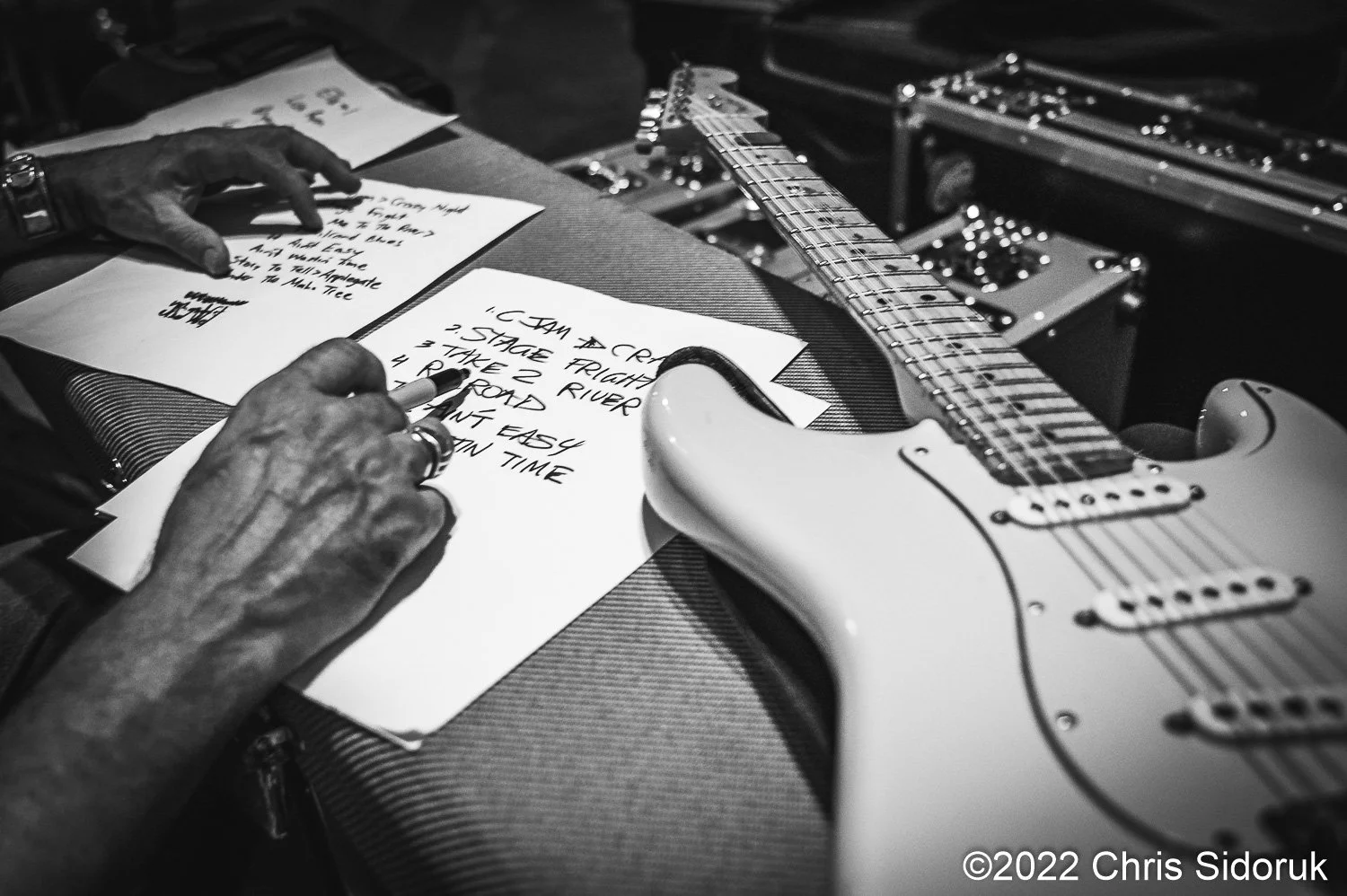
Behind the scenes pre-show preparations. | photo- ©2022 Chris Sidoruk
7. Brand Ecosystems and Compatibility
When it comes to camera gear, it’s not just about the specs—it’s about the system. Think of your camera gear like building blocks. Once you start stacking up lenses, flashes, and accessories, you’re not just buying one piece of equipment anymore—you’re buying into a brand ecosystem.
So before you upgrade, it's essential to consider how your new gear will fit into (or clash with) your existing setup.
What Is a Brand Ecosystem in Photography?
A brand ecosystem refers to the interconnected lineup of products and accessories offered by a specific camera manufacturer. Brands like Canon, Nikon, Sony, Fujifilm, and Panasonic all have their own unique systems. These include:
Camera bodies
Lenses (native mount)
Flashes and triggers
Batteries and chargers
Editing and tethering software
Accessories like grips, viewfinders, adapters, and cages
When you buy a camera from one brand, you’re also buying into a specific ecosystem—and that has long-term consequences.
The Lens Mount Matters (A Lot)
The lens mount is the core of compatibility. For example:
Canon’s newer RF mount is different from their older EF mount.
Sony uses the E-mount system.
Nikon has the Z mount for mirrorless, different from their legacy F-mount for DSLRs.
If you switch brands or move from DSLR to mirrorless within the same brand, you might need lens adapters—and those aren’t always perfect. Autofocus may lag, certain features might be limited, and image quality can suffer.
Bottom line: When upgrading your camera body or lenses, double-check that your existing gear is fully compatible—or be ready to invest in a new set of lenses to match.
Cross-Brand Compatibility Is Often Limited
Some photographers think they can easily mix and match brands—but it’s not always that simple.
Here’s what to watch out for:
Flash Systems: A Canon flash won’t fire properly on a Sony camera without a dedicated trigger or adapter.
Battery Grips: Usually brand-specific.
Remote Triggers and Apps: Camera apps, remote controls, and tethering software are usually made specifically for one brand.
Lenses: While third-party lenses like Sigma, Tamron, and Tokina make versions for multiple brands, not all functions (like autofocus or stabilization) may be fully supported on every body.
So while there are workarounds and adapters, most photographers find it simpler—and more reliable—to stay within one ecosystem as much as possible.
The Cost of Switching Brands
Thinking about jumping ship from, say, Nikon to Sony? Or Canon to Fujifilm?
Totally doable—but expect to pay more than just the price of a new camera.
You may need to replace:
All your lenses
Batteries and chargers
Flashes and triggers
Cables and software
Filters (if thread sizes don’t match)
It’s basically a full reset. If you're already heavily invested in one system, switching brands might feel like starting over. Only make the jump if the benefits (like dramatically better performance or features) clearly outweigh the cost.
Future-Proofing Your Gear Choices
When upgrading, it’s smart to think ahead. Ask yourself:
Will this system still be supported in 5+ years?
Are there plenty of lens options (including third-party) available for this mount?
Is the brand known for innovation and regular updates?
Can I grow within this system—from beginner-level to pro?
For example, Sony’s E-mount has a huge lineup of both native and third-party lenses, making it an appealing long-term choice. Canon’s RF system is newer but expanding rapidly. Nikon’s Z system is catching up, while Fujifilm offers a very strong APS-C mirrorless ecosystem.
Don’t Overlook Software and Workflow
Each brand offers proprietary software for:
Wireless file transfers
Remote shooting
Firmware updates
Tethered capture
Some are better than others. If you rely heavily on mobile apps, remote triggering, or tethered shooting in your concert workflow, research how smooth and reliable the brand’s software is.
Also, pay attention to RAW file compatibility. Some newer cameras may have RAW formats that aren't supported in Lightroom or Photoshop until Adobe pushes an update.
Stay Consistent If You’re Building a Dual-Camera Setup
A lot of concert photographers carry two camera bodies—one with a wide-angle lens, the other with a telephoto. In this case, sticking to the same brand and mount makes life a lot easier.
You can:
Share batteries and chargers
Use the same lenses between both bodies
Maintain consistent color science and file output
Carry less gear overall
Trust me—nothing kills your creative flow faster than juggling two totally different systems in the middle of a high-energy show.
Third-Party Accessories Still Depend on Compatibility
Even if you’re not buying brand-name lenses or flashes, third-party gear still has to be compatible with your brand’s system. Always check for:
Firmware update support
Native compatibility with autofocus, stabilization, and TTL metering
Physical fit and durability
Some excellent third-party brands (like Godox, Sigma, Tamron, and Viltrox) offer rock-solid products—if you match them properly to your system.
Commit Wisely
Choosing a brand ecosystem isn’t just a technical decision—it’s a long-term creative partnership. You want a system that grows with you, supports your evolving needs, and doesn’t force you to jump through hoops to get things working.
So before you upgrade your gear, take a good look at your current setup and ask yourself:
Is this ecosystem meeting my needs now and in the future?
Will my new gear integrate smoothly with what I already have?
Am I ready to commit, or is this a good time to make a clean switch?
8. When Not to Upgrade
Upgrading your camera gear is exciting, but it’s not always the right move. Sometimes, waiting is the best choice, especially if your current gear still has a lot of life left. Knowing when NOT to upgrade can save you money, help you focus on improving your skills, and ensure that you don’t rush into a decision that you might regret later.
Here are some key situations where it’s better to hold off on upgrading your gear:
When You Haven’t Mastered Your Current Gear
Upgrading gear can be tempting, but if you haven’t fully mastered your current setup, you may not even notice the improvements a new camera or lens would bring.
Focusing issues: If you still struggle with basic concepts like focus, exposure, and composition, a new camera isn’t going to magically fix your problems. It’s like learning to drive a sports car before you’ve mastered how to drive a regular one.
Settings and customization: Before you dive into new gear, make sure you’re comfortable with all the settings on your current camera. Understanding the ins and outs of what you already own will allow you to get better results, even with an entry-level model.
Action: Spend some time with your current gear, experiment, and push its limits. Only once you’ve truly outgrown it or reached its limitations should you consider upgrading.
When Your Gear Still Meets Your Needs
It’s easy to get caught up in the excitement of shiny new tech, but if your gear is still delivering the results you need, upgrading may not be necessary.
Ask yourself:
Are you capturing sharp, well-exposed photos that meet your creative vision?
Are you still getting the features you need for your concerts (e.g., fast autofocus, low-light performance, etc.)?
Are you able to deliver high-quality work to clients or for personal projects?
If your camera or lens is still serving you well and helping you achieve your goals, there’s no urgent need to upgrade just because something newer has come out.
When You're Still Learning the Basics
If you're still getting a grasp on the fundamentals of photography (composition, lighting, white balance, etc.), investing in new gear might not be the best way forward. High-end gear won’t necessarily make you a better photographer; it’ll just make your life harder until you’re comfortable with the basics.
In fact, upgrading gear prematurely can lead to frustration. Newer, more advanced equipment can be more complex to use and might require more time and effort to master. It could also introduce new challenges that you aren’t yet prepared to handle.
Action: Focus on your skillset, take photography workshops, and build a portfolio with your current gear. Once you feel confident with your technique, then consider upgrading for more creative flexibility.
When New Gear Won’t Solve Your Real Problems
Before upgrading, take a hard look at the real problems you're facing in your concert photography. Is it your skills, your workflow, or your post-processing techniques that need improvement—not your gear?
For example:
Are you struggling with lighting in low-light concert settings? It might be worth exploring lighting techniques, using fast lenses, or investing in a flash or external light sources before splurging on a new camera body.
Is your focus slow and unreliable? Sometimes, it’s not the camera that’s the problem—it’s a matter of understanding how to best use its autofocus modes or manual focus.
Are you finding that your images lack sharpness? Maybe it’s more about camera stability, improving handheld shooting techniques, or investing in a tripod or monopod rather than buying a new camera.
Action: Diagnose the real issue. Sometimes, your problem is more about your technique, post-processing workflow, or external factors than your equipment.
When Newer Models Are Just Minor Upgrades
Technology moves fast, and with it, new camera models are released every year. However, most new models offer incremental improvements rather than huge leaps forward. A camera that’s only a year or two old might still be very capable for most concert photography needs, even though a newer model has hit the market.
For example:
If you already own a full-frame camera, upgrading to the latest model might only give you a slight improvement in autofocus, high ISO performance, or frame rate. Is that small upgrade worth the cost?
Lenses: A newer lens may offer better sharpness or slightly improved autofocus, but unless you're consistently missing shots or facing major limitations, it may not justify the hefty price tag.
Action: Before jumping on the latest release, evaluate whether the new model’s improvements are worth the upgrade cost. In many cases, your existing gear may still serve you well for years to come.
When You Haven’t Considered the Full Cost of Upgrading
Upgrading your gear is more than just buying a new camera body or lens—it’s about the total cost of ownership.
When you upgrade, consider:
Lenses: Are your current lenses compatible with the new system or mount? If not, you might have to replace or buy additional lenses, which could be a major added cost.
Accessories: A new camera body may require new accessories—like batteries, memory cards, and storage solutions.
Software: Will your editing software support the new camera’s RAW files, or will you need to upgrade that, too?
Insurance: With higher-value gear, you might also need additional insurance or coverage.
Action: Do the math and assess the full financial impact of upgrading. If it’s outside your budget, it might be better to hold off and plan your next upgrade more strategically.
When You Don’t Have a Clear Purpose for the Upgrade
A common mistake is upgrading because you’re simply feeling restless or looking for excitement. Ask yourself why you want the new gear. Do you need it for a specific project or to address a clear shortcoming in your photography? Or is it because your peers have the latest and greatest gear, and you feel pressure to keep up?
If you don’t have a clear reason for the upgrade—something specific you’re trying to improve or accomplish—you might be better off waiting. Gear should be a tool to help you achieve your creative vision, not a way to keep up with trends.
Action: Make sure you’re upgrading with purpose, not out of a sense of FOMO or habit. Your gear should work for you, not the other way around.
When You're Facing Financial Constraints
Upgrading your camera gear can be a big financial commitment. If you’re not in a position to spend the money without causing financial strain or taking on debt, it’s better to wait. Gear is important, but it shouldn’t come at the cost of your financial well-being.
If you're feeling pressured to upgrade but don't have the funds, consider saving for the gear over time, or even looking for used or refurbished equipment that can still deliver excellent results without breaking the bank.
Action: Set a budget and stick to it. If an upgrade is too expensive right now, wait until you’ve saved enough or take a more gradual approach.
9. Smart Upgrades Lead to Better Photography
There’s a huge difference between buying gear because it’s new and flashy versus upgrading because it truly enhances your craft. Smart upgrades aren’t about chasing the latest model; they’re about choosing equipment that adds value to your work, solves real limitations, and supports your growth as a concert photographer.
It’s Not Just About Better Specs—It’s About Better Results
Sure, specs like higher ISO ranges, faster autofocus, and increased dynamic range sound great on paper. But how do they actually translate into your work? That’s where the “smart” in smart upgrades comes in.
Think about it this way:
Upgrading to a camera with better low-light performance means you’ll get cleaner, sharper images in dark venues without cranking your ISO so high that your photos become a grainy mess.
A faster, more accurate autofocus system helps you nail those blink-and-you-miss-it moments on stage—like a jump, a hair flip, or a powerful expression during a solo.
A lens with a wider aperture, like f/1.8 or f/2.8, allows more light into the camera, giving you more flexibility with shutter speed and depth of field, which is gold in unpredictable concert lighting.
These are tangible benefits that can take your photography from "decent" to "professional-grade."
Minimizing Frustration, Maximizing Creativity
Let’s talk about frustration for a second. If you’re constantly missing shots because your camera can’t keep up, or you’re spending hours in post trying to fix images that were poorly lit or soft, your gear is working against you—not with you. Smart upgrades reduce that friction.
Imagine:
Shooting with a camera that locks focus instantly, even in low light.
Using a lens that lets you shoot handheld in dim venues without motion blur.
Editing photos that need just a few tweaks instead of major repairs.
When your gear works seamlessly, you’re free to focus on the moment, frame the shot creatively, and respond instinctively to the energy of the performance. That’s when you start creating your best work—because your tools are enabling, not limiting, your vision.
Supporting Your Evolving Style and Goals
As your skills grow, so does your style. Maybe you’re experimenting with moodier lighting, tighter compositions, or storytelling sequences. Smart upgrades help support that evolution.
Let’s say you’ve been working with a crop-sensor camera, but you’re now leaning toward wide-angle, immersive shots. A full-frame upgrade gives you that wider field of view and more control over depth. Or maybe you want to add video to your portfolio—upgrading to a body that supports 4K with clean HDMI out opens the door to multi-purpose gig coverage.
Strategic upgrades align with your goals—they’re not just about today’s photos but about building your capabilities for the next step in your creative journey.
Improved Workflow and Professional Reliability
Let’s not forget how smart gear upgrades can save you time and protect your reputation. A newer camera might offer:
Dual card slots for instant image backup
Faster file transfer speeds for efficient delivery
Better battery life, so you’re not scrambling to swap during a performance
Weather-sealing for shooting outdoors or in unpredictable conditions
When you’re shooting for clients, reliability matters as much as image quality. Smart gear upgrades aren’t just about performance—they’re about peace of mind, consistency, and professionalism.
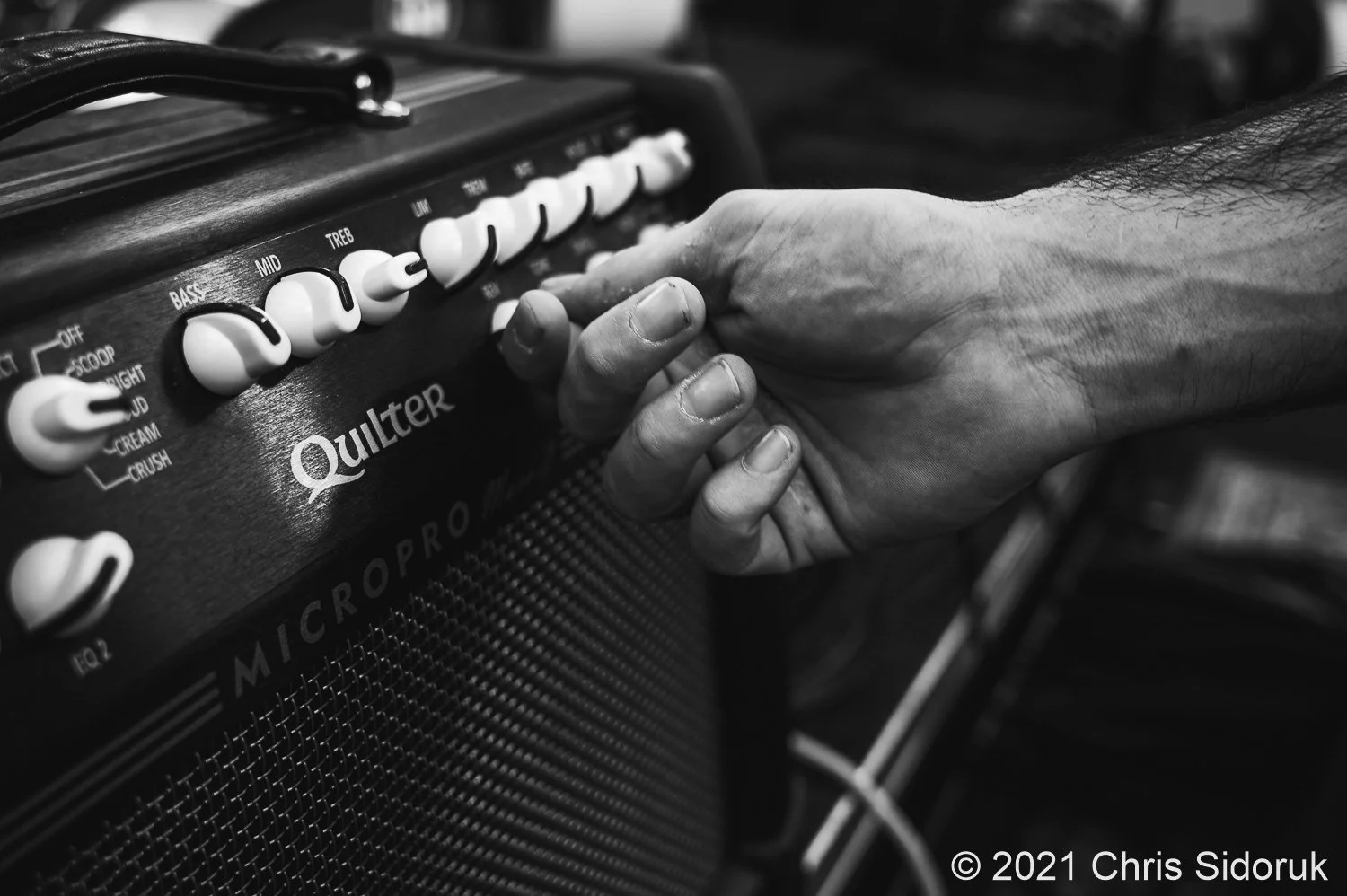
Dylan Kader of Creamery Station, getting the tone just right on his Quilter Amp. | photo- ©2021 Chris Sidoruk
10. Real-Life Scenarios
Upgrading your camera gear isn’t always a straightforward decision, and the best time to do so can often depend on your specific needs, photography style, and work environment. Let’s explore some real-life scenarios in concert photography where upgrading could significantly enhance your workflow and results. These examples will help you understand how the right gear can make all the difference in different situations.
Scenario 1: Low Light Environments at Concerts
Imagine you’re shooting at an intimate indoor concert with low lighting. The artist is in a small venue, and the lighting setup isn’t ideal. You’re struggling with high ISO noise and blurry images despite using a fast lens. This is where upgrading could make a significant impact.
Current Gear Limitation: You’re shooting with an entry-level DSLR and a standard lens with a slow aperture (e.g., f/4 or f/5.6). At high ISO settings (3200 or higher), noise becomes an issue, and your autofocus is struggling to lock on in the dark environment.
When to Upgrade: Upgrading to a full-frame mirrorless camera with better low-light performance and faster autofocus systems would help you shoot at higher ISO values without sacrificing image quality. Additionally, a fast prime lens with a wide aperture (f/1.8 or f/2.8) would allow more light into the camera, improving focus accuracy and sharpness.
Outcome: With a new camera body and lens combination, you'll see less noise, faster focusing, and more reliable performance in these tricky, low-light concert settings.
Scenario 2: High-Speed Action Shots During a Fast-Paced Concert
Imagine you’re shooting a rock concert with fast-moving performers on stage. The energy is intense, and capturing the perfect moment in mid-action is key. However, your camera's continuous shooting speed isn’t fast enough, and the autofocus is lagging, causing you to miss some crucial shots.
Current Gear Limitation: You’re using a DSLR with a slow burst rate (4-5 frames per second) and a slower autofocus system. As the artist moves rapidly across the stage, you miss key moments, like a guitarist’s solo or a singer’s high-energy jump.
When to Upgrade: Upgrading to a mirrorless camera with a higher frame rate (10-20 fps) and advanced autofocus (eye-tracking, subject tracking) will allow you to capture the split-second moments that are crucial in concert photography. These cameras have faster processors that can handle rapid movements more effectively.
Outcome: With a camera that supports faster burst rates and better autofocus tracking, you can capture sharp, dynamic action shots even in the most high-energy performances.
Scenario 3: Multi-Camera Shoots for Live Concerts
You’ve been hired to shoot a live concert for a major event or festival where you need to cover multiple angles, from wide crowd shots to close-up portraits of the band. You’re working with one camera, and it’s becoming a hassle to swap lenses in the middle of a fast-paced event.
Current Gear Limitation: You only have one camera body and one lens with a fixed focal length, so you’re forced to either change lenses quickly or move to different spots in the venue to get the shots you need. You miss some important moments because you’re changing lenses or adjusting settings.
When to Upgrade: A dual-camera setup is a solution for this scenario. Upgrading to two camera bodies—one with a wide-angle lens (e.g., 24-70mm) and another with a telephoto lens (e.g., 70-200mm)—will allow you to shoot multiple perspectives without missing the action. The new bodies should also offer faster autofocus and quick lens changes to make it easier to adapt to changing environments.
Outcome: With two cameras set up for different angles and focal lengths, you can shoot wide shots of the entire band while also capturing close-up portraits, giving you more flexibility and variety in your concert photos.
Scenario 4: Professional Gig with Client Expectations
You’re on assignment for a major music magazine or a high-profile client who expects you to deliver the best possible images from a big concert event. The lighting is challenging, and the audience is packed. You know that getting the perfect shot is crucial for both your reputation and your client’s satisfaction.
Current Gear Limitation: Your current camera body lacks the dynamic range needed to capture both the bright stage lights and the darker areas of the crowd. You also have limited lens options for zooming in on performers or shooting wide shots of the crowd.
When to Upgrade: Upgrading to a higher-end full-frame camera with better dynamic range and the ability to handle bright stage lights without overexposing or underexposing your images will give you more flexibility. A faster zoom lens (e.g., 24-70mm f/2.8) will allow you to quickly adjust your framing, whether you’re focusing on the crowd or the stage. Additionally, investing in professional-grade flashes and triggers can help you get better lighting results.
Outcome: With upgraded gear that excels in both lighting and versatility, you’ll be able to meet your client’s expectations, capturing clear, sharp, and well-exposed photos that showcase the energy of the performance.
Scenario 5: Limited Storage and Workflow Efficiency
After a concert shoot, you’re dealing with hundreds of high-resolution images, and your old computer is struggling to process them quickly. Your storage is filling up fast, and your editing workflow is slowing down, leading to delays in delivering your final images to clients.
Current Gear Limitation: You’re working with an older computer and limited storage capacity. The sheer size of your high-res concert images is clogging up your system, causing slowdowns during post-processing.
When to Upgrade: In this case, it’s not just your camera gear you need to upgrade—your editing setup and workflow could use an overhaul. A faster computer with more RAM and SSD storage will speed up your processing time, and upgrading to high-speed memory cards will reduce delays in transferring images. Additionally, a more efficient image management software can help you stay organized during shoots and post-production.
Outcome: With upgraded storage, a faster computer, and improved workflow, you can handle the demands of concert photography more efficiently, speeding up the process from shoot to delivery without compromising image quality.
Check out my blog on the best computers and considerations for photographers here.
Scenario 6: Expanding Into Video Work for Concerts
You’ve been primarily focused on still images, but now your client wants you to shoot video at concerts as well. They need high-quality video clips to accompany their social media posts, promotional material, or live stream events. You’re interested in adding this capability to your skill set, but your current gear doesn’t support 4K video or advanced video features.
Current Gear Limitation: Your camera body can only shoot in 1080p video, and it lacks essential video features like 4K resolution, slow-motion capture, or manual video controls.
When to Upgrade: If you’re serious about offering video services for concerts, upgrading to a camera that supports 4K video with advanced features like high frame rates for slow motion, image stabilization, and professional audio input can be a game-changer. A mirrorless camera like the Sony A7S III or Canon EOS R5 would provide both high-quality video and photo capabilities.
Outcome: With upgraded video capabilities, you can expand your skill set and meet client needs for both stills and motion, offering a full multimedia package that will set you apart from other photographers in the concert photography space.
The Right Upgrade for the Right Time
In these real-life concert photography scenarios, upgrading gear isn’t just about having the latest and greatest—it’s about making sure your gear supports your creative goals and workflow. Whether you’re shooting in low light, capturing fast-moving performers, managing multi-camera setups, or offering video content, the right upgrade can elevate your work and help you meet your client’s expectations.
Remember, each photographer’s needs are unique. Take the time to evaluate your current gear, understand your specific challenges, and make an upgrade that fits your professional goals and budget. By aligning your gear choices with the demands of your shoots, you can create more impactful, high-quality concert images that stand out in today’s competitive photography landscape.
11. Conclusion
Upgrading your camera gear is an exciting and necessary part of your journey as a concert photographer, but it’s important to approach the decision with care and strategy. Whether you’re an aspiring photographer or a seasoned pro, choosing the right moment to invest in new equipment can make all the difference in the quality of your work and your ability to meet client demands.
Gear Alone Doesn’t Make You a Better Photographer
While it’s tempting to believe that a new camera will automatically make you a better photographer, the truth is that gear is only a tool. The skills and creativity you bring to your work matter far more than the camera you use. In fact, many seasoned professionals can still produce amazing concert images with older, less advanced gear because they understand how to use it to its fullest potential. Your ability to control the fundamentals of photography—like exposure, composition, and lighting—will always outweigh the technical prowess of the camera you use.
That said, there are undeniable advantages to upgrading gear when the time is right. A new camera or lens can enhance your creative freedom, enable you to shoot in more challenging environments, and improve your workflow. By choosing to upgrade only when your current gear no longer serves your needs, you ensure that you’re making an informed, thoughtful decision.
When to Upgrade: A Personal and Strategic Decision
As we've discussed, the decision to upgrade should depend on your unique needs as a photographer and your specific shooting environments. If you find yourself constantly battling limitations like poor low-light performance, slow autofocus, or outdated lenses, then it may be time to invest in new equipment. On the other hand, if you’re still mastering your current gear, upgrading prematurely could be a waste of resources and energy.
Upgrading gear isn’t just about getting the latest technology—it's about making an investment that improves your ability to execute your creative vision. Whether it’s capturing sharp, dynamic shots in low light, freezing high-speed action during a live performance, or expanding into video work, each upgrade should be a thoughtful step toward reaching your goals as a photographer.
Consider Your Long-Term Growth
While an upgrade can certainly improve your work, remember that it’s just one part of your broader photographic growth. Along with new gear, consider dedicating time to:
Practicing and experimenting with your current setup
Learning new techniques and tools in editing software
Networking and collaborating with other photographers and clients
Staying current with trends and technology in the photography industry
Upgrading your gear is an investment not just in equipment, but in your career as a photographer. The tools you use should support the direction you want to take with your work. If you’re transitioning into a new niche, like live video production or multi-angle concert shoots, then it’s crucial to think about gear upgrades that align with those shifts.
Final Thoughts: Balance Skill and Gear
Ultimately, the decision to upgrade your camera gear should come after careful consideration of both your current skills and future ambitions. If your current setup is holding you back from achieving the results you want, it’s likely time for an upgrade. But if your gear is still getting the job done, don’t rush the decision. Instead, focus on sharpening your skills and deepening your understanding of how to get the most out of your equipment.
The best photographers know that a great shot isn’t about the gear you use—it’s about how well you understand your tools, how you adapt to changing conditions, and how you bring your creative vision to life, regardless of the camera in your hand.
By strategically upgrading your gear only when necessary, and balancing your equipment choices with your growing skills, you’ll continue to evolve as a photographer and elevate your work to new heights. Your journey in concert photography is unique, and your gear should always serve your evolving vision, rather than the other way around.
12. FAQs
Should I upgrade my camera or lens first?
Upgrade your lens first unless your camera is seriously outdated. Good lenses last longer and can improve performance immediately.
Is full-frame necessary for concert photography?
Not always, but full-frame sensors handle low light and dynamic range better—key for concerts. Crop sensors with fast lenses can still do great work.
What’s the best low-budget camera for concerts?
Consider cameras like the Canon EOS R50, Sony A6400, or Nikon Z50 paired with fast primes like 50mm f/1.8 for solid results without breaking the bank.
How often should I upgrade my gear?
Only when your current gear limits your work. Many pros use the same camera for years—quality > novelty.
Can editing fix bad concert photos from old gear?
Editing helps, but it can’t work miracles. Start with the best image possible and use software to enhance—not save—your shots.
