

Best Silver Sands State Park Photo Spots | Milford CT
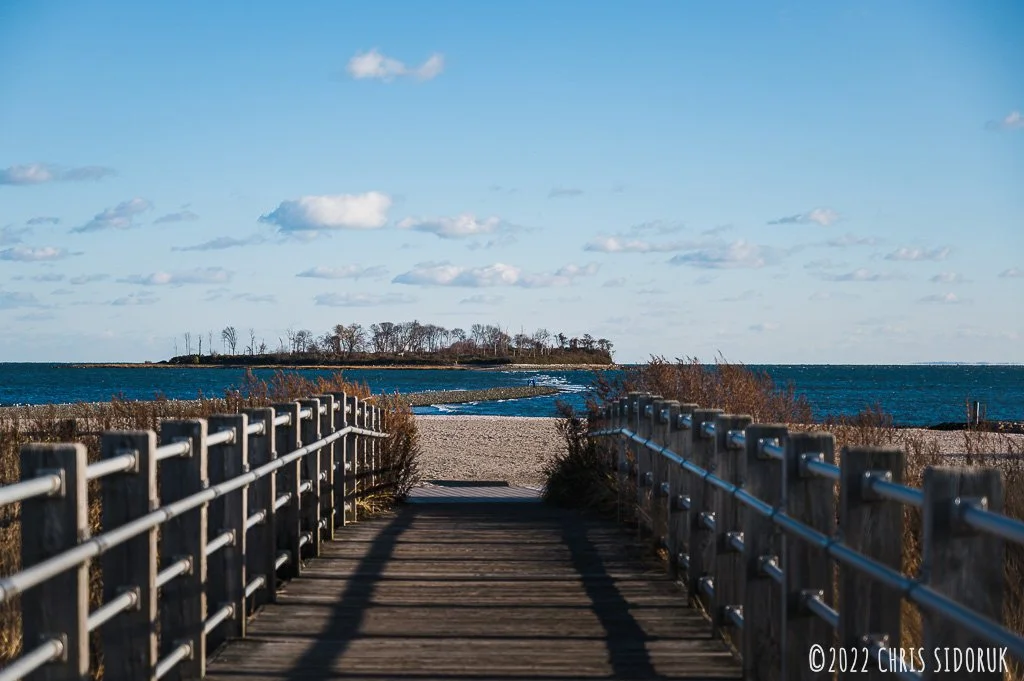
The boardwalk entrance leading to Silver Sands State Park in Milford, CT. Charles Island is off in the distance.
For complete planning information, visit our Silver Sands State Park Photography Guide.
Last Update: 06/26/2026
About Silver Sands State Park
Silver Sands State Park is a coastal preserve located in Milford, Connecticut, overlooking Long Island Sound and Charles Island. The park features a sandy shoreline, salt marsh habitat, tidal flats, and an elevated boardwalk connecting the beach to Walnut Beach. For photographers, the combination of changing tides, open horizons, and island views creates opportunities throughout the year.
Silver Sands stands out for its mix of environments in a small footprint:
Wide sandy shoreline along Long Island Sound
Salt marshes with shifting tidal patterns
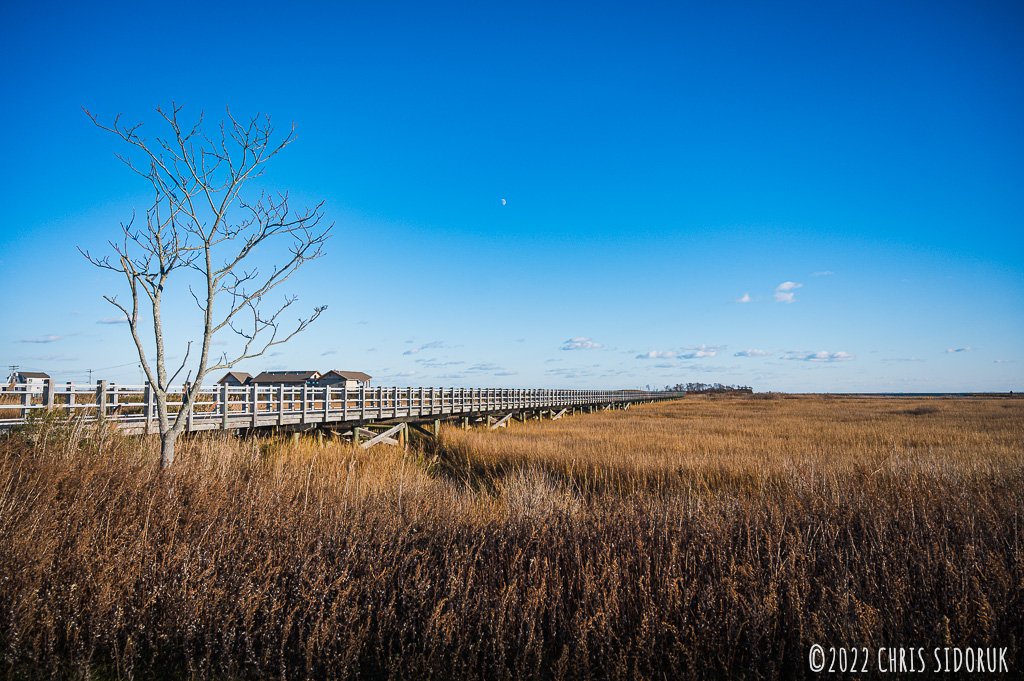
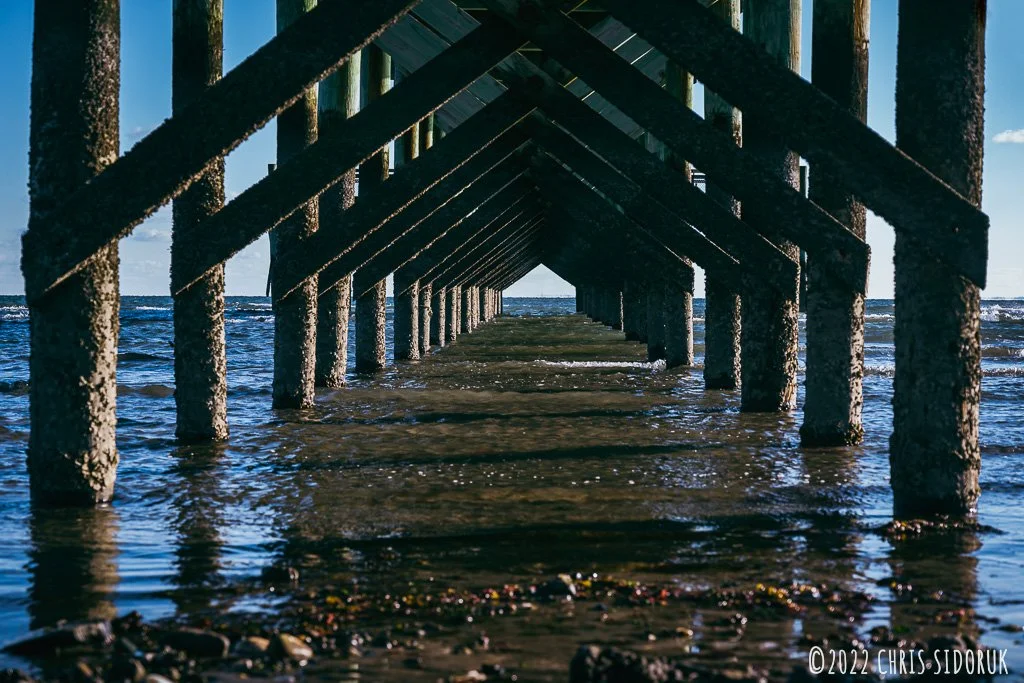
Elevated boardwalks that create natural leading lines
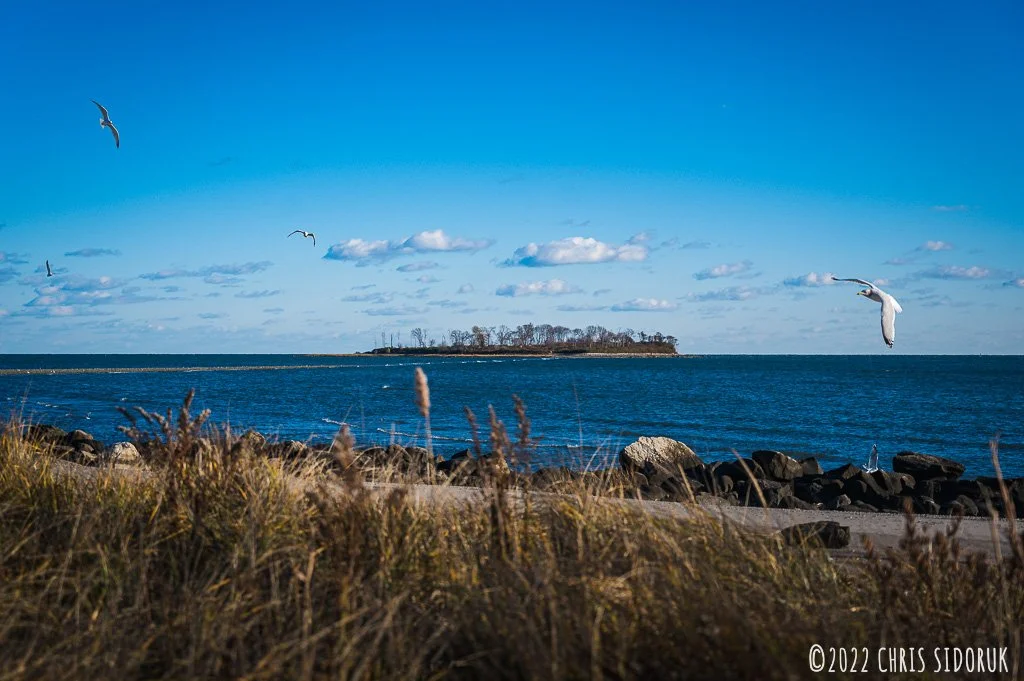
Direct views of Charles Island
Easy access to Walnut Beach and its fishing pier
The variety of textures and open space makes it adaptable across seasons and lighting conditions.
The entrance boardwalk is one of the strongest compositional elements in the park.
Best uses:
Leading line compositions toward the shoreline
Wide-angle foreground-to-background depth
Minimalist framing with sky, wood, and marsh textures
Early morning fog or soft light scenes
The boardwalk naturally guides the viewer’s eye toward the open water, making it one of the most reliable starting points for strong compositions.
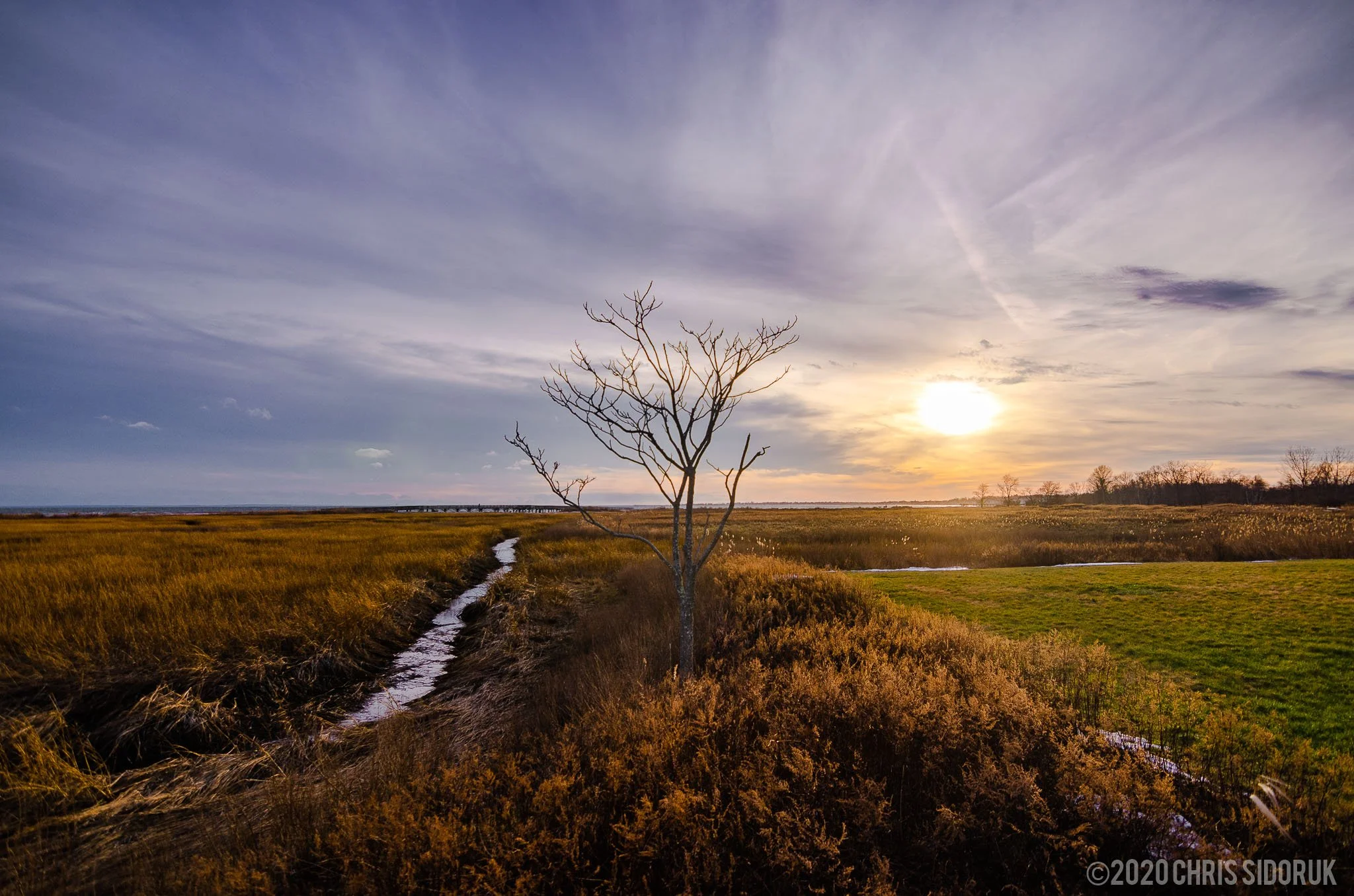
The marsh area changes significantly with tide and weather conditions, offering repeatable variation in compositions.
Low tide:
Exposed textures and patterns
Strong foreground detail opportunities
Visible tidal channels and reflective surfaces
High tide:
Simplified waterlines
Cleaner horizon separation
Stronger focus on sky and island silhouette
Charles Island is a dominant visual anchor and works best for:
Telephoto compression shots
Sunset silhouettes
Storm-light or dramatic sky conditions
Aerial Photography at Silver Sands
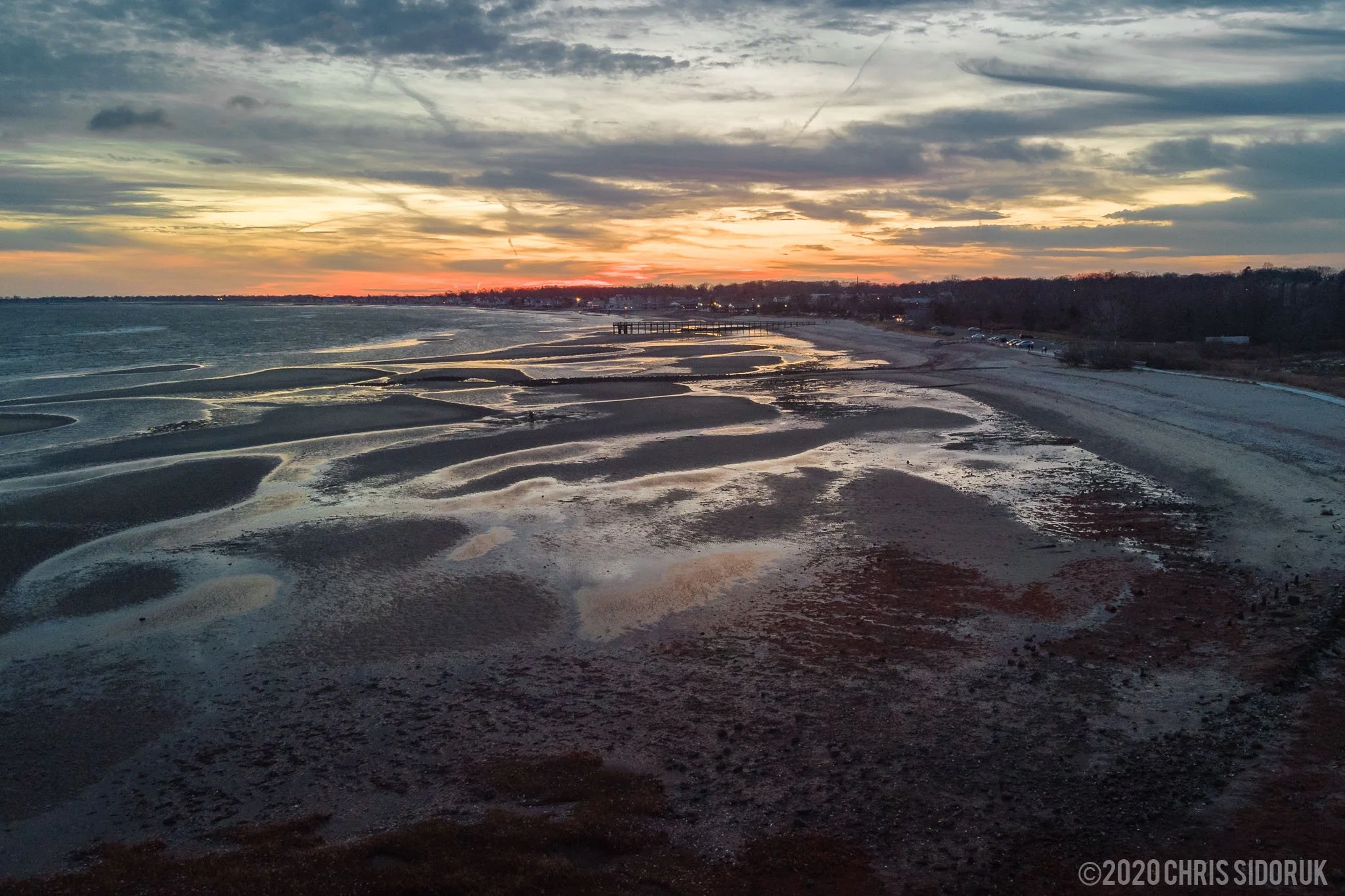
Aerial image of coastal Milford, CT and Walnut Beach at sunset.
Drone photographers should always follow Connecticut state park rules and FAA regulations when operating near coastal areas.
Note: Connecticut does not allow drones to be launched from within state parks. The aerial image above was taken from a flight launched at Walnut Beach and not from within Silver Sands State Park boundaries.
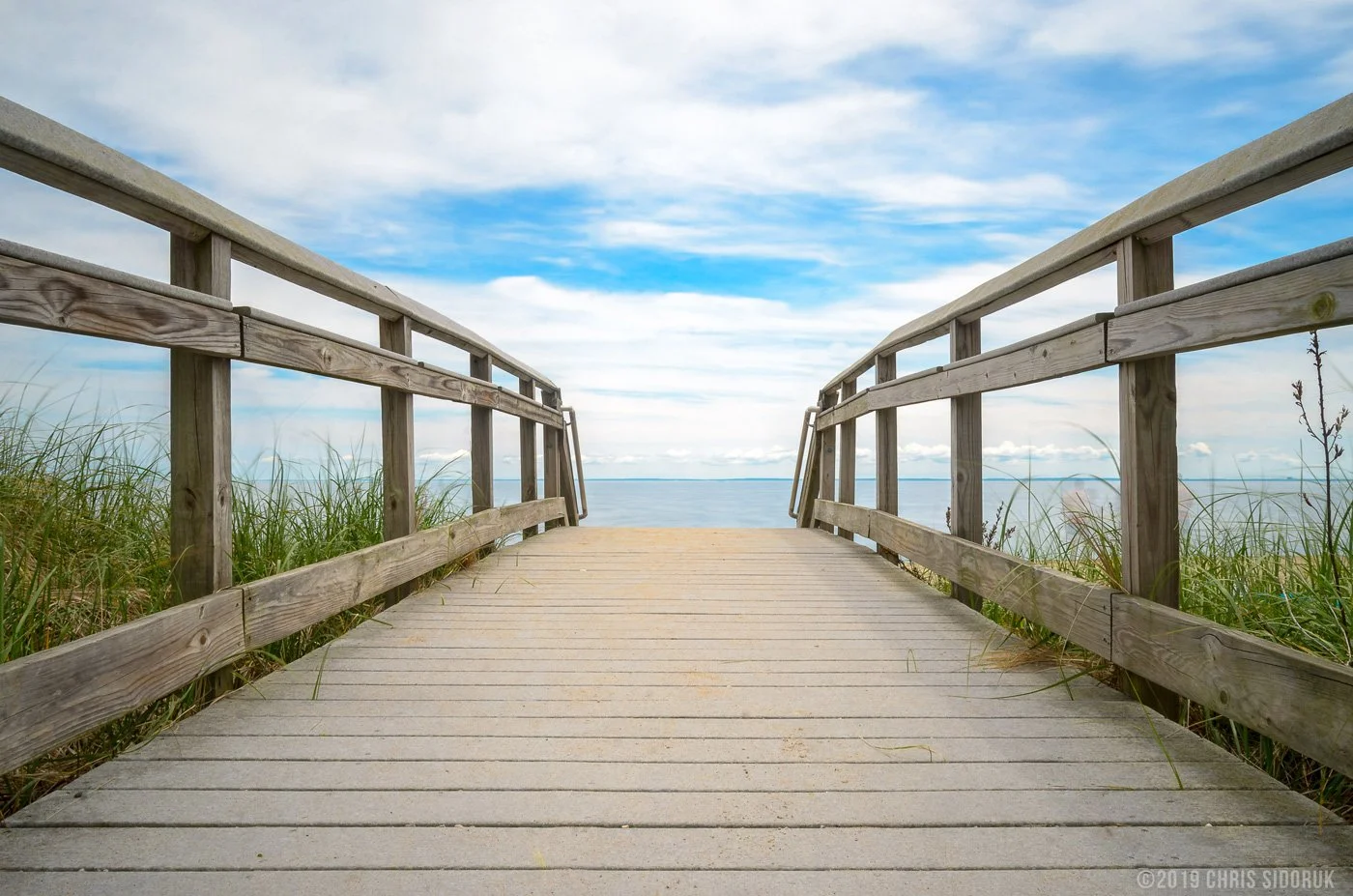
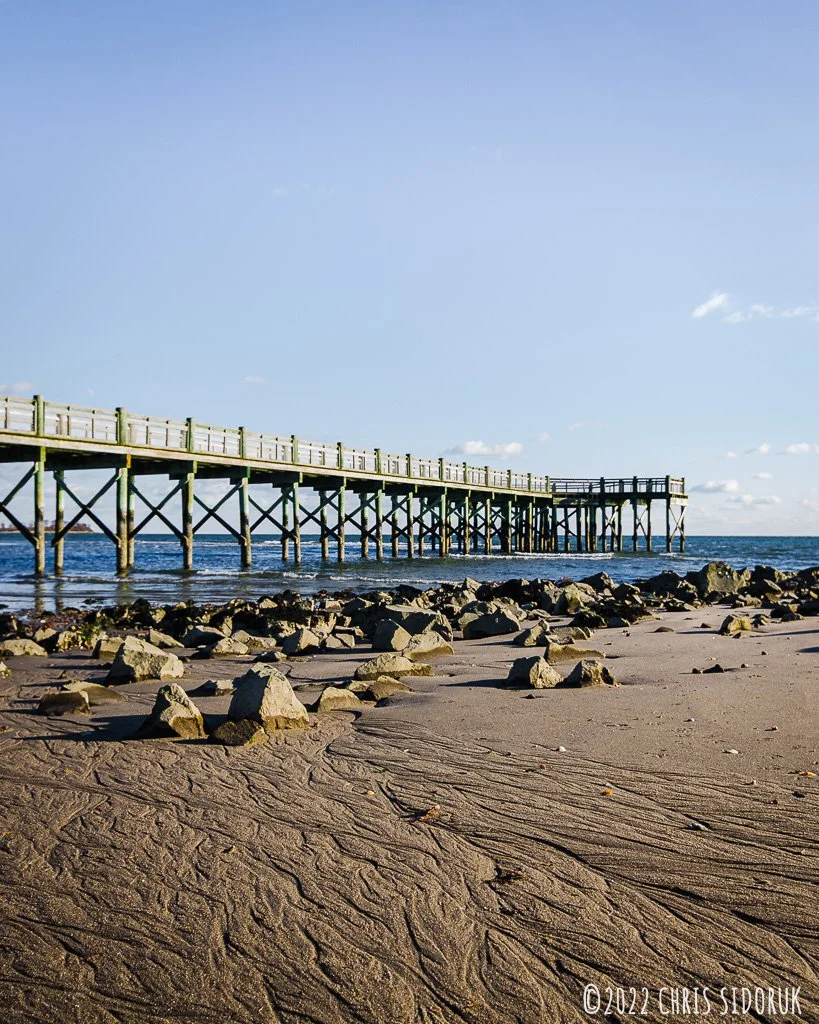
Boardwalk leading from Silver Sands State Park to Walnut Beach in Milford, Connecticut.
Walnut Beach extends the shooting area beyond Silver Sands and introduces a more open coastal perspective.
Key subjects:
Fishing pier silhouettes
Long exposure wave smoothing
Reflections on wet sand at low tide
Wide horizon sunset compositions
The pier is especially effective when used as a strong geometric anchor against moving water and sky.
→ For a different perspective on how the shoreline changes across weather, tide, and season, see the field notes on Silver Sands and Walnut Beach conditions.
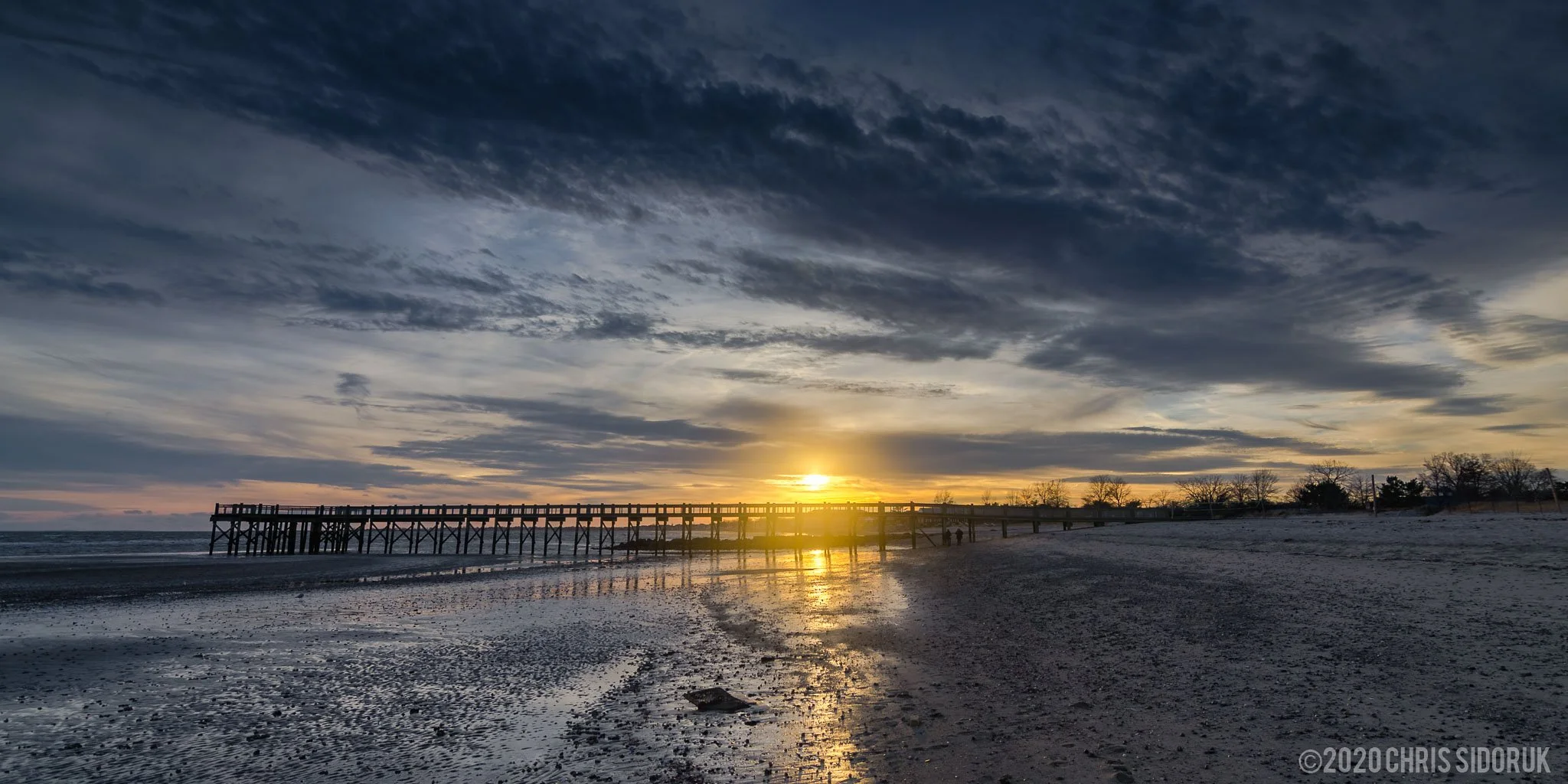
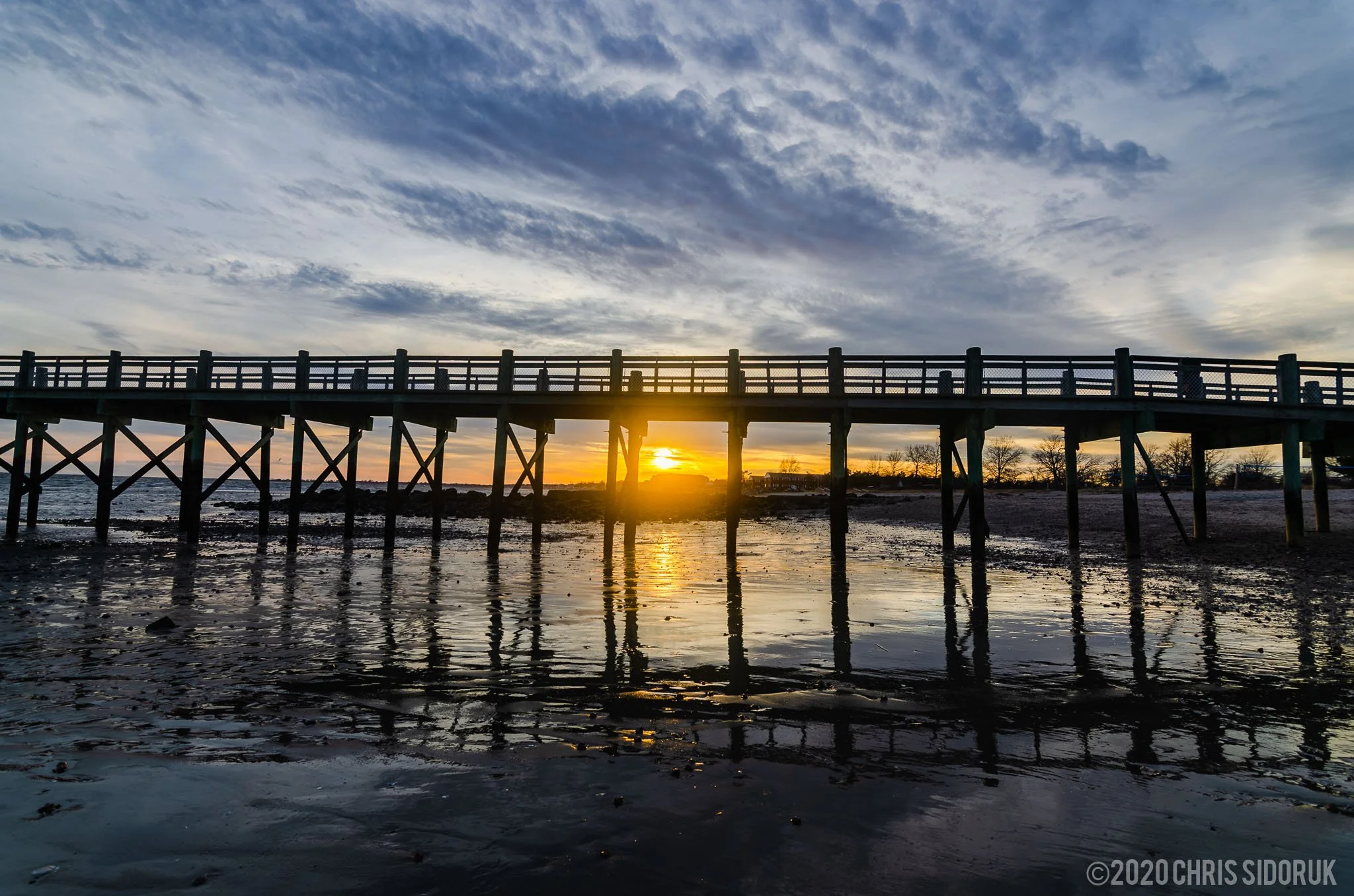
Sunset over the Walnut Beach pier in Milford, Connecticut, with warm light reflecting on the water. Shop Wall Art.
Sunrise
Soft directional light
Minimal crowds
Calm water conditions
Pastel tones across the Sound
Sunset
Strong color transitions
Silhouettes of island and pier structures
High contrast sky-to-water reflections
Overcast / Fog
Reduced contrast
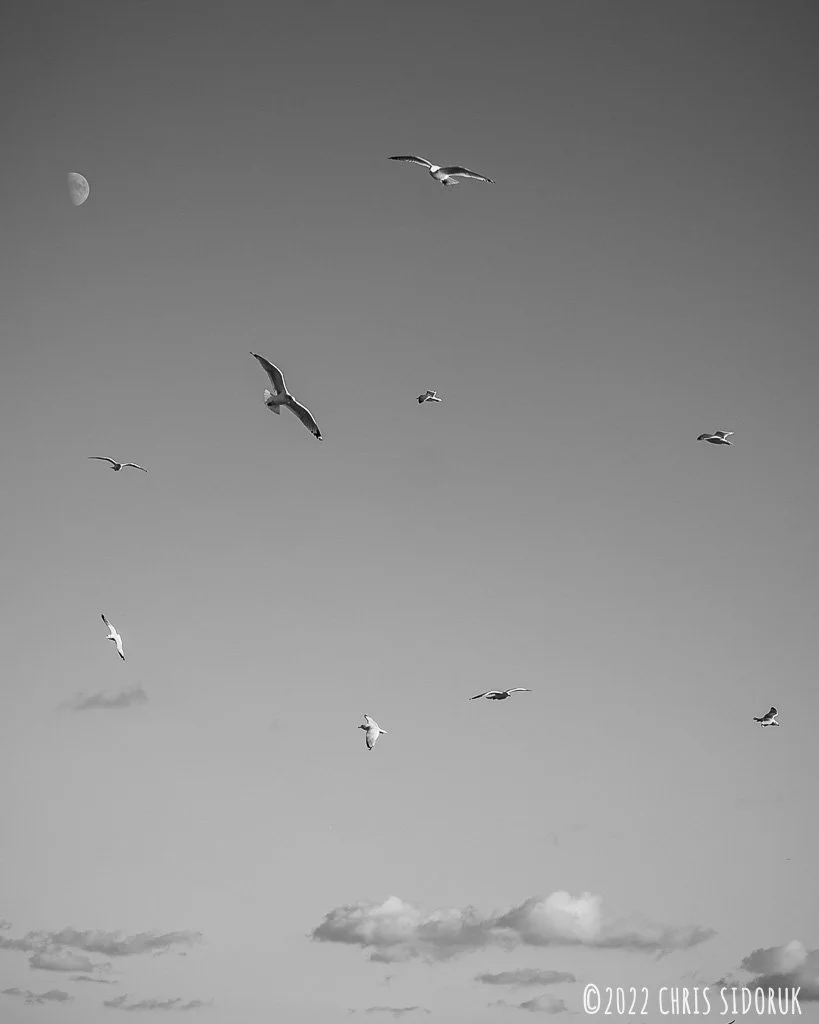
Clean, minimalist compositions
Strong emphasis on shape and texture
SEASONAL PHOTOGRAPHY CONDITIONS
Spring
Fresh marsh growth and balanced light conditions.
Summer
Vibrant skies, longer days, and more dynamic cloud formations.
Fall
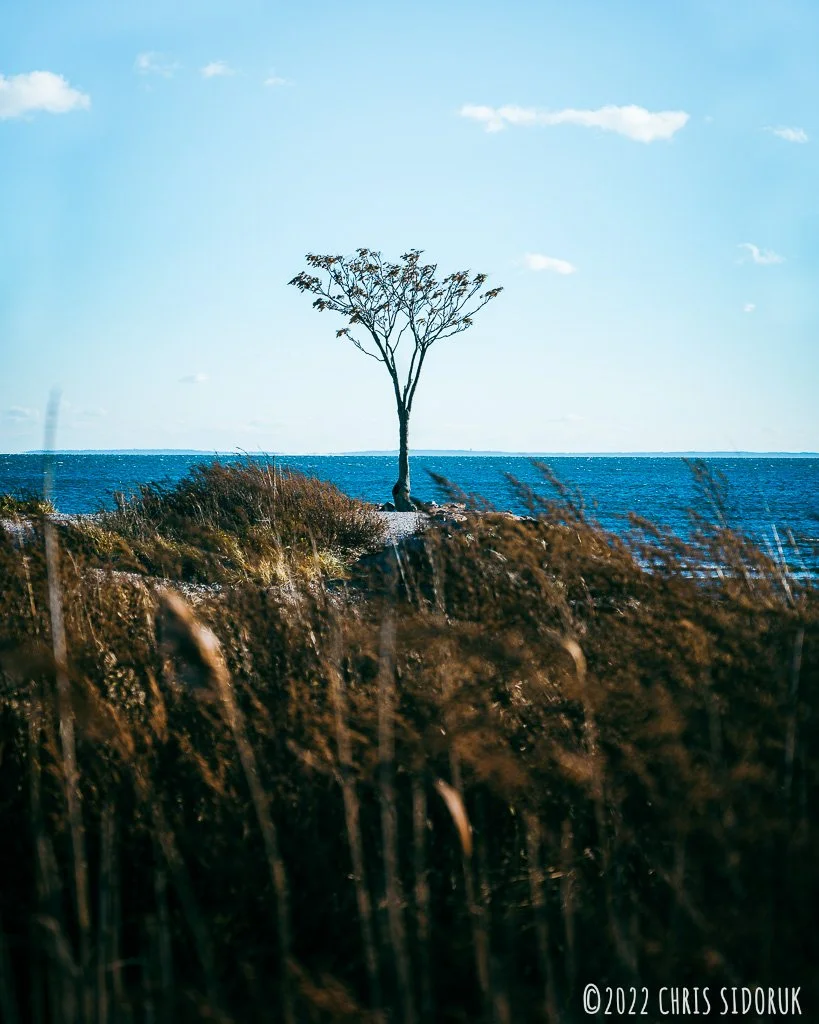
Lower sun angle, softer light, and more directional shadow play.
Winter
Minimalist landscape with strong structural contrast and fewer distractions.
PRACTICAL PHOTOGRAPHY APPROACH
This location rewards preparation and awareness of conditions more than equipment changes.
Effective approaches:
Use wide-angle lenses for shoreline scale
Use telephoto compression for Charles Island isolation
Shoot low tide for foreground texture
Use tripod for long exposure water smoothing
Bracket exposures during high dynamic range sunsets
Photographing Charles Island from Silver Sands
Charles Island is the defining visual feature of Silver Sands State Park. The island sits offshore in Long Island Sound and creates a strong focal point for sunset silhouettes, compressed telephoto compositions, and atmospheric coastal images.
RELATED CONNECTICUT COASTAL LOCATIONS
If you’re exploring more shoreline photography in the region:
Hammonasset Beach State Park
Compo Beach (Westport, CT)
Each location offers different shoreline structure, light direction, and composition styles.
When is the best time to photograph Silver Sands State Park?
Sunrise and sunset provide the best lighting conditions, with sunset offering the strongest color and silhouette opportunities around Charles Island.
Can you walk to Charles Island?
Access is restricted due to tidal conditions and conservation rules. Always check local signage before attempting access.
Is Walnut Beach good for photography?
Yes. Walnut Beach is especially strong for pier compositions, reflections, and wide coastal sunset shots.
What makes Silver Sands unique for photographers?
The combination of marshes, boardwalks, open beach, and island views makes it one of the most compositionally diverse coastal parks in Connecticut.
Can you photograph Charles Island from Silver Sands State Park?
Yes. Charles Island is visible from the shoreline and boardwalk areas of Silver Sands State Park. The island is especially photogenic during sunset when it creates a strong silhouette against the western sky.
Is Silver Sands State Park good for sunrise photography?
Yes. Sunrise provides softer light, fewer visitors, and reflections across the tidal flats and Long Island Sound.
What lens is best for Silver Sands State Park photography?
A wide-angle lens works well for boardwalk and shoreline scenes, while a telephoto lens helps isolate Charles Island and compress coastal layers.
==========
Photography by Chris Sidoruk, a Connecticut photographer specializing in coastal landscapes, concert photography, and visual storytelling throughout New England.
Shot using a DJI Mavic Air and Nikon D7000 with settings for landscape photography.
All photographs © Chris Sidoruk. Images are protected by copyright and may not be used, copied, modified, or redistributed without written permission.
Explore more:
