

Can You Bring Drone Batteries on a Plane? (TSA & Airline Rules)
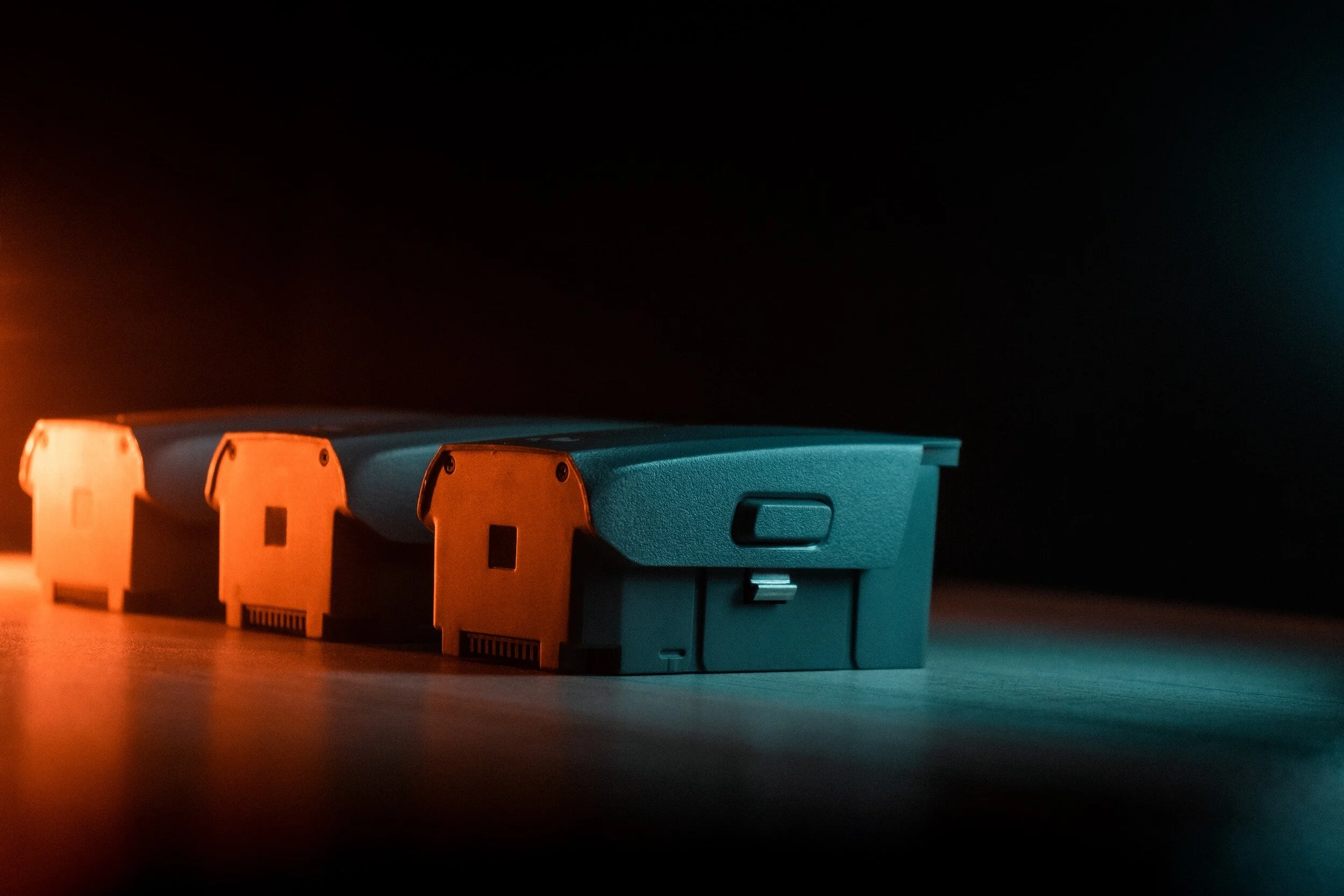
Photo by @suryadevarakonda / Unsplash
Last Updated: July 2026
Whether you're traveling for landscape photography, commercial drone work, or an upcoming vacation, understanding airline rules for drone batteries is essential before you arrive at the airport.
Fortunately, most consumer drone batteries are allowed on airplanes, but there are important restrictions you need to know. Because drone batteries use lithium-ion cells, they must be packed and transported differently than most other electronics.
The good news is that popular batteries for drones like the DJI Mini, DJI Air, and DJI Mavic series typically fall within airline limits when packed correctly.
This guide explains everything photographers need to know, including:
TSA regulations
FAA and airline requirements
carry-on vs checked baggage rules
watt-hour limits
how to safely pack batteries
international travel considerations
common mistakes that can delay your trip
Whether you're flying across the country or overseas, these recommendations will help you travel safely while protecting your expensive equipment.
TSA Rules for Drone Batteries
The most common question photographers ask is:
Can you bring drone batteries on a plane?
The answer is:
Yes—but spare lithium-ion drone batteries must be packed in your carry-on luggage, not your checked baggage.
The reason is simple.
Lithium-ion batteries can overheat or become damaged if they experience a short circuit. If that happens inside the aircraft cabin, the flight crew can respond immediately. Inside the cargo hold, a damaged battery is much more difficult to detect and manage.
Because of this risk, airlines around the world follow similar safety standards established by organizations such as:
TSA (Transportation Security Administration)
FAA (Federal Aviation Administration)
IATA (International Air Transport Association)
ICAO (International Civil Aviation Organization)
Although airline policies vary slightly, most follow these same basic principles.
Quick Answer
| Question | Answer |
|---|---|
| Can you bring drone batteries on a plane? | ✅ Yes |
| Can spare batteries go in checked luggage? | ❌ No |
| Should spare batteries be in carry-on luggage? | ✅ Yes |
| Do terminals need protection? | ✅ Yes |
| Do airlines have watt-hour limits? | ✅ Yes |
Can you bring drone batteries on a plane?
Answer: ✅ Yes
Can spare batteries go in checked luggage?
Answer: ❌ No
Should spare batteries be in carry-on luggage?
Answer: ✅ Yes
Do terminals need protection?
Answer: ✅ Yes
Do airlines have watt-hour limits?
Answer: ✅ Yes
Why Drone Batteries Have Special Rules
Unlike alkaline batteries, drone batteries contain a significant amount of stored energy.
Most modern drones use rechargeable lithium-ion batteries because they offer:
lightweight design
long flight times
fast charging
high energy density
However, damaged lithium batteries can experience what's known as thermal runaway, a chain reaction that generates intense heat and, in rare cases, fire.
Although these incidents are uncommon, aviation authorities take them seriously.
That's why batteries must be transported carefully and protected from:
physical damage
punctures
crushed luggage
short circuits
excessive heat
Fortunately, following a few simple packing guidelines dramatically reduces these risks.
Carry-On vs Checked Bags
One of the biggest points of confusion is where drone batteries should be packed.
The rule is surprisingly simple.
Spare Drone Batteries
Spare lithium-ion batteries should always travel in your carry-on bag.
This allows security personnel and flight crews to quickly respond if a battery becomes damaged or overheats.
Batteries Installed in the Drone
If the battery is installed inside the drone, many airlines allow the drone to be packed in either:
carry-on luggage
checked baggage
However, many photographers—including myself—prefer carrying the drone onboard whenever possible.
Keeping your equipment with you reduces the chances of:
rough baggage handling
impact damage
theft
lost luggage
For expensive camera gear and drones, carry-on travel is almost always the safer choice.
Carry-On vs Checked Bag Comparison
| Item | Carry-On | Checked Bag |
|---|---|---|
| Spare drone batteries | ✅ Yes | ❌ No |
| Drone with battery installed* | ✅ Yes | ✅ Usually* |
| Battery charger | ✅ Yes | ✅ Yes |
| USB charging cables | ✅ Yes | ✅ Yes |
| Remote controller | ✅ Yes | ✅ Yes |
| Power banks | ✅ Usually | ❌ Usually prohibited |
Spare drone batteries
Carry-On: ✅ Yes
Checked Bag: ❌ No
Drone with battery installed*
Carry-On: ✅ Yes
Checked Bag: ✅ Usually*
Battery charger
Carry-On: ✅ Yes
Checked Bag: ✅ Yes
USB charging cables
Carry-On: ✅ Yes
Checked Bag: ✅ Yes
Remote controller
Carry-On: ✅ Yes
Checked Bag: ✅ Yes
Power banks
Carry-On: ✅ Usually
Checked Bag: ❌ Usually prohibited
*Always verify your airline's specific policy before flying.
Why Photographers Should Always Carry Batteries Onboard
Even when an airline technically allows installed batteries in checked baggage, there are several reasons to keep them with you.
Your carry-on bag provides:
better protection from impacts
easier access during security inspections
reduced exposure to temperature extremes
lower risk of lost luggage
greater peace of mind when traveling with expensive equipment
For professional photographers and drone operators, keeping your batteries and camera gear together is simply the safer approach.
Understanding Airline vs TSA Rules
Many travelers assume TSA creates all battery regulations.
In reality, several organizations play different roles.
TSA handles airport security screening in the United States.
FAA establishes aviation safety regulations.
Airlines may impose additional restrictions beyond government requirements.
International aviation authorities may have different limits depending on the country.
Before every trip, it's worth checking your airline's website to verify any battery restrictions that may apply to your specific flight.
Why These Rules Matter
Drone batteries are incredibly reliable when handled correctly.
Millions of photographers fly every year with lithium-ion batteries without any issues.
Following these simple guidelines helps:
keep passengers safe
reduce delays during security screening
protect expensive camera gear
ensure compliance with airline regulations
Fortunately, for most photographers using DJI, Autel, or similar consumer drones, flying with batteries is straightforward once you understand the rules.
Understanding Watt-Hour (Wh) Limits
One of the most important numbers you'll encounter when traveling with drone batteries is the watt-hour (Wh) rating.
Airlines don't regulate batteries based on voltage or milliamp-hours (mAh). Instead, they use watt-hours because it provides a better measurement of the battery's total stored energy.
Fortunately, most consumer drone batteries fall well below airline limits.
Standard Airline Battery Limits
Although individual airlines may have slightly different policies, most follow these general guidelines.
| Battery Capacity | Typical Airline Policy |
|---|---|
| Under 100 Wh | ✅ Allowed in carry-on without airline approval |
| 100–160 Wh | ✅ Usually requires airline approval |
| Over 160 Wh | ❌ Generally prohibited on passenger aircraft |
Under 100 Wh
Typical Airline Policy: ✅ Allowed in carry-on without airline approval
100–160 Wh
Typical Airline Policy: ✅ Usually requires airline approval
Over 160 Wh
Typical Airline Policy: ❌ Generally prohibited on passenger aircraft
For the vast majority of hobbyists and photographers flying DJI drones, your batteries will be under 100 Wh, making travel relatively simple.
How to Calculate Watt Hours
If your battery doesn't list the watt-hour rating, you can calculate it yourself.
Formula:
Watt Hours = Voltage × Amp Hours
If the battery lists milliamp-hours (mAh), convert that number to amp-hours first.
Example:
6,000 mAh = 6.0 Ah
Battery voltage:
15.4V
Calculation:
15.4 × 6.0 = 92.4 Wh
Many DJI batteries already print the Wh rating directly on the battery label, so you usually won't need to perform the calculation yourself.
Typical DJI Drone Battery Ratings
Here's how some of DJI's most popular drones compare.
| Drone | Approximate Battery Capacity |
|---|---|
| DJI Mini 4 Pro | ~18 Wh |
| DJI Mini 3 Pro | ~18 Wh |
| DJI Mini 2 | ~18 Wh |
| DJI Air 3 | ~62.6 Wh |
| DJI Air 2S | ~40 Wh |
| DJI Mavic 3 | ~77 Wh |
| DJI Mavic 3 Pro | ~77 Wh |
| DJI Avata | ~35 Wh |
| DJI FPV | ~44 Wh |
DJI Mini 4 Pro
Approximate Battery Capacity: ~18 Wh
DJI Mini 3 Pro
Approximate Battery Capacity: ~18 Wh
DJI Mini 2
Approximate Battery Capacity: ~18 Wh
DJI Air 3
Approximate Battery Capacity: ~62.6 Wh
DJI Air 2S
Approximate Battery Capacity: ~40 Wh
DJI Mavic 3
Approximate Battery Capacity: ~77 Wh
DJI Mavic 3 Pro
Approximate Battery Capacity: ~77 Wh
DJI Avata
Approximate Battery Capacity: ~35 Wh
DJI FPV
Approximate Battery Capacity: ~44 Wh
All of these batteries fall below the common 100 Wh airline limit, making them suitable for carry-on transportation without special airline approval.
Always verify the exact specification for your battery model, especially if you're using third-party or high-capacity batteries.
What About Large Commercial Drone Batteries?
Professional drones designed for industrial work often use much larger batteries.
Examples include:
cinema drones
agricultural drones
surveying drones
heavy-lift commercial UAVs
Some of these batteries exceed 100 Wh, while others exceed 160 Wh, meaning they may require:
airline approval
dangerous goods documentation
cargo shipment instead of passenger transport
If you're flying with enterprise drone equipment, always contact your airline well before your departure date.
How to Pack Drone Batteries Properly
Packing your batteries correctly is just as important as knowing the regulations.
The goal is to prevent:
short circuits
accidental activation
physical damage
crushed battery terminals
Fortunately, proper packing only takes a few minutes.
Protect the Battery Terminals
The exposed electrical contacts should never touch:
loose coins
keys
batteries
metal camera accessories
charging cables
A short circuit between metal objects can generate significant heat.
Instead, protect each battery individually.
Good options include:
plastic battery caps
silicone terminal covers
individual battery sleeves
dedicated battery organizers
Use a Battery Case
One of the easiest ways to protect drone batteries is by using a hard-shell battery case.
Battery cases help prevent:
impact damage
terminal contact
accidental button presses
batteries moving around inside your backpack
Many photography backpacks also include dedicated battery compartments.
Store Each Battery Separately
Avoid throwing loose batteries together inside one pocket.
Instead:
separate every battery
keep them secured
prevent batteries from rubbing together
This also makes TSA inspections much easier.
Avoid Fully Charging Batteries Before Flying
Many experienced drone pilots travel with batteries partially charged.
Around 30–60% charge is commonly recommended for transportation and storage because it places less stress on lithium-ion cells than keeping them fully charged for extended periods.
If you're planning to fly immediately after landing, you can recharge your batteries once you reach your destination.
Inspect Batteries Before Traveling
Never bring a damaged battery onto an airplane.
Before packing, inspect each battery for:
swelling
cracked housing
punctures
leaking electrolyte
overheating damage
corrosion
If a battery appears damaged, recycle it properly rather than attempting to travel with it.
Battery Packing Checklist
Before heading to the airport, confirm that:
✅ Every spare battery is in your carry-on
✅ Battery terminals are protected
✅ Batteries are stored individually
✅ Damaged batteries have been removed
✅ Chargers are packed separately
✅ Batteries cannot shift freely inside your bag
Battery Cases & Terminal Covers
There are several inexpensive accessories that make traveling easier.
Useful options include:
hard battery travel cases
silicone battery protectors
terminal covers
padded drone organizers
camera backpacks with battery dividers
These accessories not only improve safety but also keep your equipment organized during security screening.
Airline & International Travel Rules
While TSA regulations apply within the United States, international travel introduces additional considerations.
Many airlines follow guidance from:
International Air Transport Association (IATA)
International Civil Aviation Organization (ICAO)
However, individual airlines can impose stricter requirements.
Some airlines limit:
the number of spare batteries
batteries above certain Wh ratings
batteries that are not individually protected
International destinations may also have customs regulations regarding drones themselves, separate from battery transportation.
Before traveling internationally, check:
your departing airline
connecting airlines
destination country drone regulations
Doing a little research beforehand can save significant time and frustration at the airport.
Connecting Flights
If your itinerary includes multiple airlines, remember that the most restrictive airline policy usually applies.
For example:
Airline A may allow 20 spare batteries.
Airline B on your connecting flight may allow only 15.
Review every carrier's policy—not just the airline that sold your ticket.
Charter Flights and Regional Airlines
Small regional airlines occasionally have different baggage policies due to aircraft size.
Battery limits may also vary on:
bush planes
island flights
seaplanes
helicopters
If you're traveling to remote photography destinations, contact the operator ahead of time.
Airport Security Tips
Traveling with drone gear doesn't have to be stressful.
A little preparation goes a long way.
Keep Batteries Easy to Access
TSA officers may ask to inspect your batteries.
Avoid burying them underneath:
clothing
camera bodies
lenses
chargers
A dedicated battery pouch speeds up inspections considerably.
Be Ready to Explain Your Equipment
Drone batteries are common enough that most TSA agents recognize them immediately.
Still, you may occasionally be asked:
What kind of drone is this?
Are these spare batteries?
How many batteries are you carrying?
Simple, direct answers usually make the process quick and easy.
Arrive Earlier Than Normal
If you're traveling with:
multiple drones
camera bodies
lenses
batteries
laptops
tripods
security screening may take slightly longer.
Arriving 20–30 minutes earlier than usual can help reduce stress if additional inspection is needed.
Don't Attempt to Hide Batteries
It may sound obvious, but never try to conceal batteries inside checked luggage or hide them within other gear.
Security scanners are specifically designed to detect lithium batteries.
Honest packing and following airline rules is always the fastest path through security.
Keep Documentation for Commercial Work
If you're traveling for professional photography or commercial drone work, it may be helpful to keep:
assignment information
FAA registration (if applicable)
drone registration documents
proof of ownership
While rarely requested, having documentation readily available can simplify conversations during international travel or customs inspections.
By understanding watt-hour limits, packing batteries properly, and preparing for airport security, you'll dramatically reduce the chances of travel delays and arrive at your destination ready to fly.
Traveling Internationally With Drones
Flying internationally with a drone requires more planning than simply packing your batteries.
While TSA rules apply to flights departing within the United States, every destination has its own laws regarding drone ownership, registration, and operation. Some countries welcome recreational drone pilots, while others require permits or prohibit drones entirely.
Before booking your trip, research three things:
Airline battery policies
Drone laws in your destination country
Local flight restrictions and no-fly zones
Some destinations require:
drone registration
permits for commercial photography
flight authorization before arrival
proof of drone ownership
Ignoring these regulations can result in fines, confiscated equipment, or being denied entry with your drone.
Check Drone Laws Before You Fly
Many countries regulate drones differently than the United States.
Research whether your destination requires:
registration
pilot certification
liability insurance
import declarations
special permits for aerial photography
Rules can also differ depending on whether you're flying recreationally or commercially.
Respect National Parks and Protected Areas
Even countries that allow drone flights often prohibit them in:
national parks
wildlife refuges
archaeological sites
military areas
airports
government buildings
Always verify local restrictions before launching.
Plan Around Weather
International travel often means unfamiliar environments.
High elevations, tropical climates, coastal winds, and desert heat can all affect:
battery life
charging times
flight performance
Bring enough batteries so you aren't relying on a single pack during your trip.
Charging & Storing Batteries While Traveling
Proper battery care doesn't stop after you land.
How you charge and store batteries during your trip has a major impact on both safety and battery lifespan.
Let Batteries Cool Before Charging
After flying:
allow batteries to cool naturally
avoid immediately placing them on the charger
Charging hot lithium-ion batteries increases stress on the cells and may shorten their lifespan.
Don't Leave Batteries Fully Charged for Days
If you won't be flying for several days:
avoid storing batteries at 100%
keep them around 40–60% charge when possible
Many modern DJI batteries automatically discharge to a safer storage level after several days, but it's still good practice to avoid unnecessary full-charge storage.
Use Manufacturer Chargers
Whenever possible, charge batteries using:
the original charger
approved charging hubs
manufacturer-recommended power supplies
Cheap third-party chargers may lack proper safety protections.
Charge on Hard Surfaces
Avoid charging batteries on:
beds
couches
blankets
carpeting
Instead, charge on:
tile
wood
stone
metal surfaces
This allows heat to dissipate more effectively and reduces fire risk.
Monitor Batteries While Charging
Never leave lithium-ion batteries charging unattended for extended periods.
Although modern smart batteries are very safe, it's still best practice to remain nearby while charging.
Hotel & Rental Car Battery Safety
Travel often means charging batteries away from your usual workspace.
A few simple precautions can help keep your equipment—and your accommodations—safe.
Hotel Rooms
When charging batteries in hotels:
use a stable surface
keep chargers well ventilated
avoid covering chargers with clothing or bags
unplug chargers when finished
If you'll be away from your room for several hours, wait until you return before charging batteries.
Rental Cars
Vehicles can become extremely hot during summer travel.
Never leave lithium-ion batteries inside a parked vehicle for extended periods, especially in direct sunlight.
Excessive heat can:
shorten battery lifespan
reduce performance
increase safety risks
Whenever possible, bring batteries inside with you.
Long Road Trips
If you're driving between photography locations:
keep batteries in padded cases
avoid crushing heavy gear on top of them
protect them from excessive heat
prevent unnecessary movement during transport
Common Travel Mistakes
Even experienced drone photographers occasionally overlook basic travel precautions.
Avoid these common mistakes.
Packing Spare Batteries in Checked Luggage
This is easily the most common mistake.
Spare lithium-ion batteries should almost always remain in your carry-on bag.
Forgetting to Check Airline Policies
Not every airline has identical rules.
Always verify your airline's current battery policy before traveling.
Bringing Damaged Batteries
Never travel with batteries that show:
swelling
cracks
punctures
leakage
overheating damage
Replace damaged batteries immediately.
Carrying Loose Batteries
Loose batteries rolling around inside a backpack can:
damage terminals
short circuit
become difficult to inspect at security
Protect every battery individually.
Forgetting Chargers
Many photographers remember batteries but forget:
charging hubs
USB-C cables
power adapters
international outlet converters
A simple packing checklist helps prevent these headaches.
Ignoring Local Drone Laws
Battery regulations may be simple, but drone regulations can vary dramatically from one country to another.
Research local laws before your trip—not after you arrive.
Drone Air Travel Checklist
Before leaving home, run through this checklist.
Drone Equipment
✅ Drone packed securely
✅ Remote controller
✅ Memory cards
✅ Propellers
✅ Propeller guards (if needed)
Batteries
✅ All spare batteries packed in carry-on
✅ Battery terminals protected
✅ Batteries inspected for damage
✅ Batteries stored individually
✅ Chargers packed
Travel Documents
✅ Airline battery policy reviewed
✅ Passport (if applicable)
✅ Drone registration (if required)
✅ Flight authorizations (if required)
✅ Insurance information (if applicable)
Photography Gear
✅ Camera
✅ Lenses
✅ Filters
✅ Tripod
✅ Cleaning supplies
Before Boarding
✅ Batteries easily accessible
✅ Carry-on organized
✅ Security screening completed
✅ Destination drone laws verified
Final Recommendations
Traveling with drone batteries is much easier than many photographers expect.
The vast majority of consumer drone batteries—including those used by DJI Mini, Air, Avata, and Mavic drones—fall comfortably within standard airline limits.
The keys to hassle-free travel are simple:
pack spare batteries in your carry-on
protect battery terminals
use proper battery cases
understand watt-hour limits
check airline policies before your trip
research drone laws at your destination
With a little preparation, you'll spend less time worrying about airport security and more time capturing incredible aerial photographs.
Frequently Asked Questions
Can I bring drone batteries on a plane?
Yes. Most consumer drone batteries are allowed in carry-on luggage, provided they meet airline watt-hour limits and are packed safely.
Can drone batteries go in checked baggage?
Spare lithium-ion batteries should generally not be packed in checked luggage. Most airlines require spare batteries to remain in your carry-on bag.
What is the maximum battery size allowed on airplanes?
Most airlines allow batteries up to 100 Wh without prior approval. Batteries between 100–160 Wh often require airline approval, while batteries over 160 Wh are generally prohibited on passenger aircraft.
How many drone batteries can I bring?
Policies vary by airline. Many airlines allow several spare batteries under 100 Wh for personal use, but it's always best to confirm with your carrier before traveling.
Do I need to discharge batteries before flying?
It's not required, but traveling with batteries around 30–60% charge is commonly recommended for long-term storage and transportation.
Should I use a battery case?
Yes. Individual battery cases or terminal covers reduce the risk of short circuits and help protect your batteries during travel.
Can TSA confiscate drone batteries?
If your batteries comply with TSA and airline regulations, confiscation is uncommon. Problems typically arise when batteries exceed permitted limits, are damaged, or are improperly packed.
Can I charge drone batteries on an airplane?
No. Charging lithium-ion drone batteries during a flight is generally discouraged and may violate airline policies.
Do international airlines have different battery rules?
Many airlines follow similar international standards, but individual carriers may impose additional restrictions. Always check your airline's latest battery policy before departure.
How long do drone batteries last?
Most modern lithium-ion drone batteries are rated for several hundred charge cycles. Proper storage, moderate charging habits, and avoiding excessive heat can help maximize their lifespan.
==========
Related Drone & Photography Guides
Continue building your aerial photography knowledge with these in-depth guides:
Best Drones for Photography — Compare today's top camera drones for beginners, travelers, and professionals.
Long Exposure Landscape Photography Guide — Combine ND filters and slow shutter speeds for dramatic landscape images.
Best Cameras for Landscape Photography — Compare mirrorless and DSLR cameras for outdoor photography.
Best Tripods for Landscape Photography — Essential support for long exposures and panoramic photography.
Photography Gear Buying Guides — Explore cameras, lenses, drones, filters, storage, and accessories for photographers.
