
Best Drones for Photography (2026 Buying Guide)
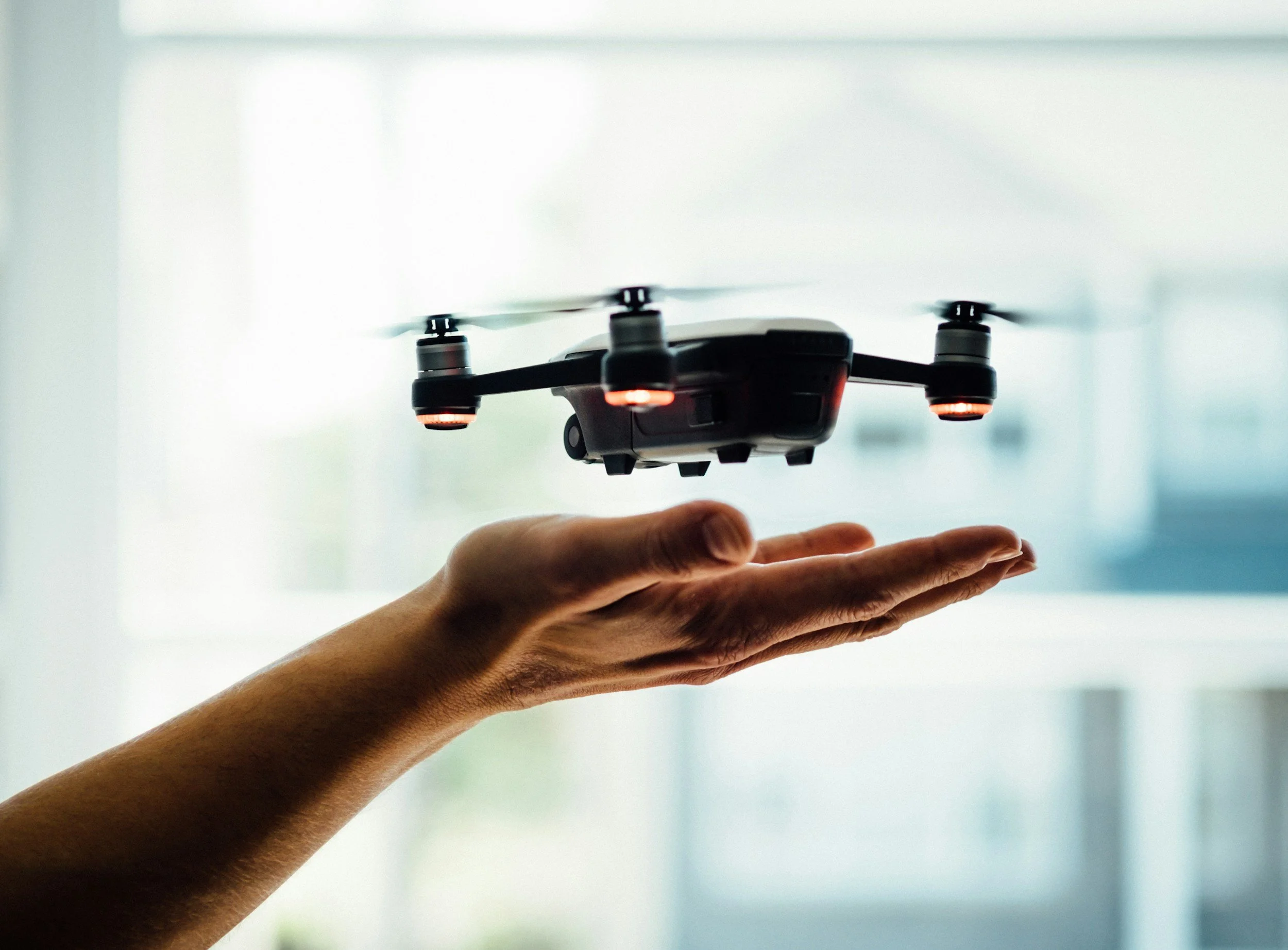
Photo by @dose for Unsplash / Unsplash
*Some links in this article are affiliate links. If you purchase through them, it helps support my work at no extra cost to you.
============
Updated: July 09, 2026
If you’re looking for the best drone for photography in 2026, there are more good options than ever—but there’s also a bigger gap than ever between a drone that looks good on paper and one that actually fits the way you shoot.
Some drones are worth buying because they’re compact, lightweight, and easy to travel with. Others justify the price because they give you a meaningful step up in image quality, low-light performance, telephoto flexibility, obstacle sensing, or overall flight confidence. And if you’re shooting real estate, landscapes, client work, stock, or tourism content, your priorities are probably very different than someone who just wants a lightweight drone for vacations and casual weekend flying.
This guide focuses specifically on the best drones for photography in 2026—not just the most popular drones in general. I’ve broken down the top picks by image quality, portability, use case, and overall value so you can choose the model that actually makes sense for your work.
If you’re building out a full hybrid photo/video kit, you may also want to compare these drones against the mirrorless cameras I recommend in my best hybrid cameras guide.
If you just want the short version, these are my top picks right now:
Best overall drone for photography: DJI Air 3S
Best premium / best image quality: DJI Mavic 4 Pro
Best compact travel drone: DJI Mini 5 Pro
Best non DJI alternative for stills: Autel EVO Lite
Best budget-friendly alternative: Potensic ATOM 2
| Drone | Best For | Why It’s Here |
|---|---|---|
| DJI Mavic 4 Pro | Best premium / best image quality | Best pure photography drone in this guide if budget is secondary |
| DJI Air 3S | Best overall | Best balance of image quality, price, portability, and real-world versatility |
| DJI Mini 5 Pro | Best compact / travel drone | Best small drone for photographers who care about portability |
| Autel EVO Lite | Best non-DJI option | Still one of the better stills-focused DJI alternatives |
| Potensic Atom 3 | Best budget pick | More credible low-cost option than most bargain-bin beginner drones |
If I had to recommend one drone to most photographers in 2026, it would be the DJI Air 3S.
It sits in the sweet spot between the smaller Mini-series drones and DJI’s more expensive Mavic line. You get a more capable camera platform, stronger overall flight performance, and more flexibility than a compact beginner drone—without jumping all the way into premium pro-drone pricing. For a lot of photographers, that makes it the easiest “buy once and use it for years” option in the current market.
The Air 3S is especially appealing if you want a drone for landscapes, real estate, travel, stock footage, or general content creation and don’t want to constantly second-guess whether you should have bought something bigger or more capable.
Best Drones for Photography in 2026
If your priority is the best image quality you can realistically get from a folding consumer drone in 2026, the DJI Mavic 4 Pro is the top pick.
This is the drone I’d put at the top of the list for photographers who are shooting client work, real estate, tourism campaigns, commercial content, licensed stock, or large-print landscape photography and want a drone that feels like a legitimate extension of the rest of their camera kit. Multiple 2026 buyer’s guides and reviews are broadly aligned here: the Mavic 4 Pro is the current high-end benchmark for camera quality, with a 100MP main camera, a 4/3 Hasselblad sensor, and a triple-camera setup that gives you much more framing flexibility than a basic wide-only drone.
Why it stands out
The Mavic 4 Pro is the one that makes sense when you’re no longer shopping for “a good drone” and are instead shopping for the best aerial camera system you can justify. The bigger sensor matters. The triple-camera setup matters. And if you regularly shoot scenes where you want both a clean wide landscape and a more compressed telephoto composition without physically moving the drone into a worse position, the Mavic platform is simply more flexible than the Mini and Air lines.
Key specs
4/3 Hasselblad CMOS main sensor
100MP stills
Triple-camera system
Up to 51 minutes of flight time
6K/60fps video
Advanced obstacle sensing and pro-level flight features
Best for
Professional photographers
Real estate and tourism work
Commercial aerial content
Landscape photographers who print or license their aerial images
Buyers who want the strongest pure image-quality option in DJI’s folding lineup
My take
The Mavic 4 Pro is not the most sensible buy for everyone—but if your question is “what’s the best photography drone in 2026 if budget is secondary to image quality?” this is the answer.
2) DJI Air 3S — Best Overall Drone for Most Photographers
For most people, the DJI Air 3S is the best all-around photography drone to buy in 2026.
If the Mavic 4 Pro is the premium “best image quality first” option, the Air 3S is the smarter recommendation for the majority of photographers because it balances price, portability, flight confidence, and camera performance better than anything else in DJI’s current lineup. It’s the drone I’d start with if you shoot a mix of landscapes, real estate, travel, social content, and occasional paid work and want one drone that can handle all of it well.
The Air 3S consistently shows up as the sweet-spot recommendation in 2026 coverage because it gives you a 1-inch 50MP main camera, a secondary tele camera, and roughly 45 minutes of flight time without forcing you all the way into Mavic pricing.
Why it stands out
This is the drone I’d call the best “one-drone solution” for photographers. It’s more capable than a Mini drone in wind, flight feel, and overall camera flexibility, but it’s still compact enough to travel with and realistic to throw in a bag for a weekend trip or location shoot. If you want a drone that can move between personal work and paid work without feeling underpowered or oversized, the Air 3S is the easiest recommendation on this page.
Key specs
1-inch 50MP main camera
48MP medium tele camera
Dual-camera system
Up to 45 minutes of flight time
RAW photo support
Omnidirectional obstacle sensing
Best for
Landscape photographers
Real estate photographers
Travel photographers who want better image quality than a mini drone
Creators who want one drone that can cover almost everything well
Buyers who care about value, not just maximum specs
My take
If you want the best blend of image quality, portability, price, and long-term usefulness, the Air 3S is the best overall buy for most photographers in 2026.
If you’re pairing a drone with a landscape-focused kit, you might also want to look at the cameras and lenses I’d choose for dedicated ground-based landscape work.
If portability matters almost as much as image quality, the DJI Mini 5 Pro is the best compact drone for photography in 2026.
The Mini line has always been attractive for one simple reason: you’re far more likely to actually bring it with you. That matters more than people think. A slightly larger drone can be objectively better on paper and still end up being the worse purchase if it stays at home because it’s less convenient to pack, carry, or travel with.
In 2026, the Mini 5 Pro is the small-drone option that makes the most sense if you want a serious photography tool without stepping up to the size and cost of the Air or Mavic lines. TechRadar and Tom’s Guide both position it near the top of the current market, with the Mini 5 Pro highlighted for its 1-inch sensor, 4K/120 video, and sub-250g travel-friendly design.
Why it stands out
The Mini 5 Pro is the drone I’d recommend to photographers who hike, travel, road trip, or just don’t want to carry a larger aircraft unless they absolutely have to. It gives you a lot of what makes DJI appealing—polished flight controls, strong image quality for the size, intelligent features, and easy packability—without feeling like a compromise-first beginner drone.
Key specs
Sub-250g takeoff weight
1-inch sensor
48MP stills
4K/120fps video
Omnidirectional obstacle avoidance
Best for
Travel photographers
Hikers and road trippers
Beginners who want a drone they can grow into
Creators who care about convenience and portability
Photographers who want the easiest drone to keep with them full-time
My take
If your top priority is buying a drone you’ll actually carry everywhere, the Mini 5 Pro is the best compact option in 2026.
For photographers who use drones as part of a travel kit, battery preparation is just as important as choosing the right aircraft. My guide on drone battery safety precautions for airplane travel covers what you need to know before bringing your drone on a flight.
If you want a non-DJI option that still feels like a legitimate photography-first drone, the Autel EVO Lite remains one of the better choices.
It’s no longer the newest drone in the market, but it still earns a place in a photography-focused guide because it offers something that still matters to still photographers: a 1-inch sensor and adjustable aperture. That combination makes it especially appealing for sunrise, sunset, blue-hour, and lower-light landscape work, where you care more about image control than gimmicky feature lists.
Why it stands out
The EVO Lite still has a niche because it gives photographers something that many lower-cost drones don’t: a more camera-oriented shooting experience with an adjustable aperture and a sensor size that’s still competitive for stills. If DJI availability, pricing, or personal preference pushes you to look elsewhere, this is one of the more sensible alternatives.
Key specs
1-inch CMOS sensor
20MP stills
Adjustable aperture: f/2.8–f/11
6K video
Up to 40 minutes of flight time
Best for
Landscape photographers
Low-light aerial photography
Buyers looking for a DJI alternative
Photographers who value aperture control in a compact drone
My take
The EVO Lite wouldn’t be my first pick over the Air 3S or Mavic 4 Pro if you’re open to DJI—but if you specifically want a non-DJI drone that still feels photography-first, it’s still worth considering.
5) Potensic Atom 3 — Best Budget-Friendly Alternative for Beginners
If you want to spend less without dropping into toy-drone territory, the Potensic Atom 3 is the budget pick I’d look at in 2026.
I’d rather recommend a budget drone that’s at least trying to be a serious camera drone than send people toward the usual cheap Amazon junk. The Atom 3 is a more current option than the older Atom 2 and has started showing up more often in 2026 buyer’s guides and testing coverage. Tom’s Guide highlights it as a strong beginner option, with a 1/1.3-inch sensor, 50MP RAW stills, 4K/60 video, and up to 50 minutes of battery life—though it also points out that DJI still has the edge in software polish and obstacle avoidance.
Why it stands out
The Atom 3 makes sense for buyers who want to learn drone photography without spending DJI money, but still want a drone that feels like a real photography tool. It won’t beat DJI’s ecosystem, and it’s not the drone I’d choose for paid work if I had the budget for an Air 3S. But for a lower-cost starting point, it’s a much more defensible recommendation than a no-name budget drone.
Key specs
1/1.3-inch sensor
50MP RAW stills
4K/60fps video
Up to 50 minutes of flight time
Best for
First-time drone buyers
Budget-conscious photographers
Casual travel and family use
Buyers who want a lower-cost alternative to DJI
My take
If you want a budget-friendly starter drone that still feels worth taking seriously, the Potensic Atom 3 is the budget pick I’d consider first in 2026.
If you’re still deciding, here’s the short version.
Buy the DJI Mavic 4 Pro if…
You want the best image quality in this guide, plan to use the drone for paid work, or simply want the strongest aerial camera platform available without stepping into a much more specialized enterprise/cinema setup.
Buy the DJI Air 3S if…
You want the best overall drone for most photographers—something that balances camera quality, portability, obstacle sensing, battery life, and price better than anything else here.
Buy the DJI Mini 5 Pro if…
You want a travel-friendly drone you’ll actually bring everywhere, and you care more about portability and convenience than squeezing every last bit of image quality out of a larger aircraft.
Buy the Autel EVO Lite if…
You want a DJI alternative and specifically care about stills, low-light work, and adjustable aperture more than having the newest ecosystem.
Buy the Potensic Atom 3 if…
You want a budget-friendly starter drone that’s still a meaningful step above the usual disposable beginner drones.
What Actually Matters in a Photography Drone?
There’s no shortage of drone spec sheets in 2026, but if your priority is still photography rather than just flashy video marketing, these are the things I’d pay the most attention to.
1) Sensor size matters more than megapixel hype
A bigger sensor usually does more for image quality than a giant megapixel number. Better dynamic range, cleaner low-light files, and more editing flexibility matter more than headline resolution alone.
2) RAW support is worth having
If you edit in Lightroom or Photoshop, RAW capture is one of the first features I’d look for. It gives you more flexibility with white balance, highlight recovery, shadow cleanup, and color grading.
If you’re shooting a lot of aerial stills and 4K/6K footage, don’t overlook storage and backup.
3) Flight time changes how usable the drone feels
Longer flight time doesn’t just mean more fun—it means more time to scout compositions, wait for light, and work methodically instead of rushing.
4) Portability changes how often you’ll actually use the drone
A larger drone can be better on paper and still be the worse purchase if it rarely leaves the bag. If you hike, travel, or shoot casually between bigger jobs, the size difference between a Mini drone and an Air/Mavic drone matters.
5) Camera flexibility matters
A dual- or triple-camera drone can be a real advantage for photography. Being able to switch focal lengths in the air without physically moving the drone into a worse or riskier position can genuinely expand your options.
DJI Availability in the U.S.: A Quick Note
If you’re shopping for DJI drones in the U.S., it’s worth knowing that availability has been inconsistent at times. Depending on the model, you may find one retailer sold out while another still has stock, or one bundle much easier to find than another. If a DJI model looks unavailable, I’d check Amazon, Adorama, and B&H before assuming it’s gone for good.
Black Friday Drone Deals 2026: What I’d Watch
If you’re reading this during Black Friday / Cyber Monday season, these are the deals I’d watch most closely:
DJI Air 3S discounts if you want the best all-around photography drone
DJI Mini 5 Pro bundles if you want the best compact travel drone
Older DJI Mini-series bundles if you’re happy buying last-generation gear at a better price
Potensic ATOM 2 or similar budget bundles if you want to spend less
Mavic-series bundles if you’re a serious buyer looking for a premium long-term drone
My Black Friday tip
Don’t compare only the base drone price. In many cases, a Fly More Combo is the better buy because extra batteries, a charging hub, and spare props matter a lot once you start flying regularly.
What is the best drone for photography in 2026?
For most people, the DJI Air 3S is the best overall photography drone in 2026 because it offers the best balance of image quality, portability, features, and price. If your priority is pure image quality above all else, the DJI Mavic 4 Pro is the stronger premium option.
What’s the best drone for real estate photography?
For most real estate photographers, I’d start with the DJI Air 3S. It gives you a stronger all-around camera setup and more flexibility than a basic mini drone, without forcing you all the way into Mavic pricing.
What’s the best travel drone for photography?
The DJI Mini 5 Pro is the best compact travel drone in this guide. It’s small enough to carry almost anywhere, but still serious enough to produce high-quality stills and video.
Is a mini drone good enough for professional photography?
Sometimes, yes. A mini drone can absolutely work for travel content, social content, and lighter commercial use. But if aerial photography is part of your regular paid workflow, the Air 3S or Mavic 4 Pro makes more sense as a long-term tool.
Is the DJI Air 3S worth it over the Mini 5 Pro?
For many photographers, yes. The Air 3S is the better all-around drone if you want a more robust platform, dual-camera flexibility, and more room to grow. The Mini 5 Pro wins on portability and convenience.
Do I need a license to fly a drone in 2026?
Drone laws vary depending on where you live and whether you’re flying recreationally or commercially. In the U.S., for example, FAA rules may require registration depending on the drone and how you use it. Always check the current rules before flying.
Final Thoughts: The Best Drones for Photography in 2026
The best drone for photography in 2026 isn’t automatically the most expensive one. It’s the one that fits the way you actually work.
If you want the best premium photography drone, buy the DJI Mavic 4 Pro. If you want the best overall drone for most photographers, buy the DJI Air 3S. And if you want the best compact travel drone—the one you’re most likely to actually carry with you—buy the DJI Mini 5 Pro.
Those are the three models I’d focus on first. The Autel EVO Lite and Potensic Atom 3 still make sense in the right situations, but for most buyers the real decision is whether you want the Mavic 4 Pro’s image quality, the Air 3S’s balance, or the Mini 5 Pro’s portability.
