

Best Camera Bags for Concert Photography (2026 Guide)
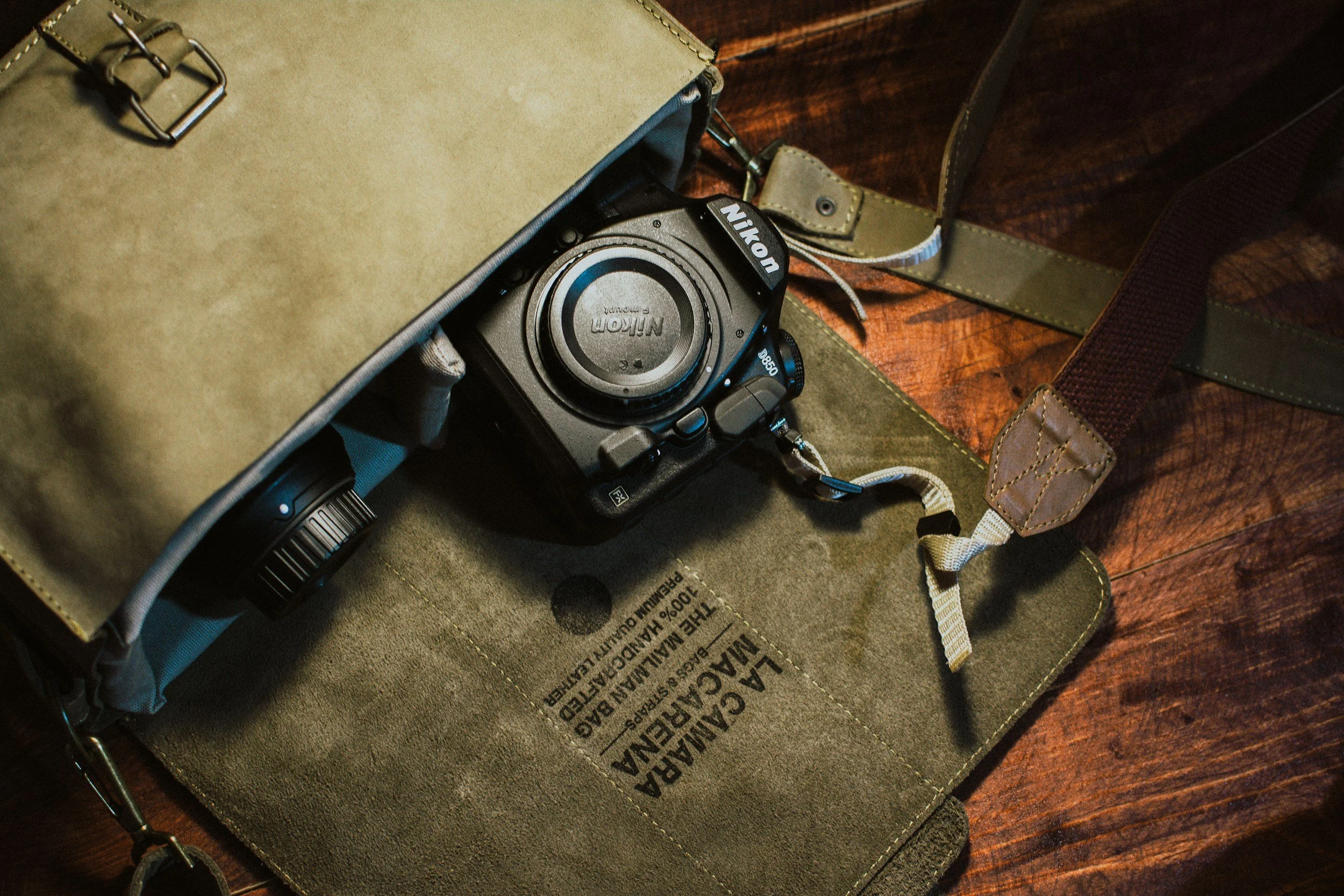
Photo by Yarenci Hdz / Unsplash
*Some links in this guide are affiliate links. If you purchase through them, it helps support my work at no extra cost to you.
==========
Last Updated: August 2026
Camera bags are one of the most overlooked pieces of gear in concert photography.
Most photographers spend weeks researching cameras and lenses, but throw everything into whatever bag they already own. Unfortunately, that's often where problems begin.
Concert photography moves fast. You're weaving through crowds, squeezing into photo pits, navigating narrow aisles, and reacting to moments that disappear in seconds. If changing a lens or grabbing a fresh battery takes too long, the opportunity is already gone.
The best concert camera bag isn't necessarily the biggest or the most expensive. It's the one that keeps your gear protected while letting you work quickly and comfortably.
This guide covers what actually matters when choosing a camera bag for concerts, along with the bags I'd recommend for different shooting styles and budgets.
Why Your Camera Bag Matters at Concerts
Concert photography is very different from travel, wildlife, or landscape photography.
You usually don't have the luxury of setting your bag down, reorganizing equipment, or taking your time changing lenses. You're often surrounded by fans, security staff, other photographers, and performers who are constantly moving.
A good concert camera bag should help you:
Access gear quickly
Move comfortably through crowds
Protect expensive equipment
Stay organized in low light
Carry only what you actually need
The less time you spend digging through your bag, the more time you spend making photographs.
What to Look For in a Concert Camera Bag
Every photographer has different preferences, but there are several features that consistently make life easier during concerts.
Fast Gear Access
This is the single most important feature.
Whether you're swapping from a wide-angle zoom to a telephoto or grabbing a fresh battery before the headliner walks on stage, quick access matters far more than maximum storage.
Look for bags with:
Side-access openings
Wide zippered compartments
Adjustable dividers
Easy one-handed operation
Comfortable to Wear
A concert may only last two hours, but your workday often starts long before the first song and ends well after the encore.
Comfort becomes increasingly important when you're carrying several pounds of equipment for an entire evening.
Look for:
Padded shoulder straps
Balanced weight distribution
Breathable materials
Lightweight construction
Compact Size
Most concerts don't require your entire camera collection.
A smaller bag helps you:
Move through crowds more easily
Fit inside photo pits
Navigate tight venues
Avoid unnecessary weight
Many venues also have bag size restrictions, making compact bags easier to bring inside.
Weather Protection
Not every concert is indoors.
Outdoor festivals, amphitheaters, and changing weather conditions make weather resistance an important consideration.
Helpful features include:
Water-resistant materials
Weather-sealed zippers
Rain covers
Well-padded interiors
Secure Organization
Concerts are often dark, crowded, and chaotic.
The last thing you want is loose batteries rolling around the bottom of your bag.
Good organization helps you quickly locate:
Memory cards
Batteries
Lens cloths
Credentials
Earplugs
Small accessories
Quick Comparison
| Camera Bag | Best For | Capacity | Access Speed | Weather Protection |
|---|---|---|---|---|
| Peak Design Everyday Sling | Overall Best | Medium | ★★★★★ | ★★★★☆ |
| Think Tank Retrospective | Discreet Shooting | Medium | ★★★★☆ | ★★★☆☆ |
| Lowepro Slingshot | Carrying More Gear | Large | ★★★★☆ | ★★★★☆ |
| WANDRD PRVKE Lite | Travel + Concerts | Large | ★★★☆☆ | ★★★★★ |
Peak Design Everyday Sling
Best For: Overall Best
Capacity: Medium
Access Speed: ★★★★★
Weather Protection: ★★★★☆
Think Tank Retrospective
Best For: Discreet Shooting
Capacity: Medium
Access Speed: ★★★★☆
Weather Protection: ★★★☆☆
Lowepro Slingshot
Best For: Carrying More Gear
Capacity: Large
Access Speed: ★★★★☆
Weather Protection: ★★★★☆
WANDRD PRVKE Lite
Best For: Travel + Concerts
Capacity: Large
Access Speed: ★★★☆☆
Weather Protection: ★★★★★
Best Camera Bags for Concert Photography (2026 Picks)
Peak Design Everyday Sling
Best Overall Camera Bag for Concert Photography
The Peak Design Everyday Sling has become one of the most popular camera bags among photographers for good reason. It strikes an excellent balance between accessibility, comfort, protection, and size, making it especially well suited for concerts and events.
Why It Excels
Its side-access design allows you to rotate the bag to the front of your body and change lenses without setting it on the ground. That alone makes it incredibly valuable in crowded photo pits or small venues where space is limited.
The interior is thoughtfully organized with adjustable dividers that keep equipment secure while still allowing quick access.
Strengths
• Excellent side access
• Compact yet surprisingly spacious
• Outstanding build quality
• Comfortable for long events
• Weather-resistant materials
• Flexible internal organization
Limitations
• Premium price
• Limited space for larger multi-body kits
Best For
• Concert photographers
• Event photographers
• Small venues
• Festival coverage
• Photographers carrying one camera and one or two lenses
👉 Check price on Amazon
👉 View on Adorama
Think Tank Retrospective Series
Best Discreet Camera Bag
Unlike many modern camera bags, the Think Tank Retrospective doesn't immediately look like expensive camera equipment.
That can be a major advantage when working in public spaces or traveling.
Why It Excels
Its understated appearance helps avoid unwanted attention while still offering excellent protection and organization. The shoulder bag design also provides quick access to lenses and accessories during performances.
Strengths
• Doesn't look like a camera bag
• Excellent build quality
• Quiet closures
• Comfortable shoulder carry
• Professional organization
Limitations
• Less weather protection than some competitors
• Can become heavy if overloaded
Best For
• Documentary photographers
• Street photography
• Concerts with venue restrictions
• Low-profile shooting
👉 Check price on Amazon
👉 View on Adorama
Lowepro Slingshot
Best Hybrid Sling/Backpack for Carrying More Gear
The Lowepro Slingshot has been a favorite among photographers for years because it bridges the gap between a traditional backpack and a sling. It offers more capacity than most sling bags while still allowing relatively quick access to your gear.
Why It Excels
The rotating sling design lets you swing the bag around to the front of your body without removing it completely. That makes changing lenses significantly easier than using a standard backpack, while still providing room for a larger kit.
If you regularly shoot festivals or longer events where you need extra gear, the Slingshot offers a practical compromise.
Strengths
• Carries more gear than most slings
• Rotating access design
• Comfortable for longer events
• Good weather protection
• Excellent internal padding
Limitations
• Larger than minimalist sling bags
• Slower access than the Peak Design Everyday Sling
• Can become heavy when fully loaded
Best For
• Festival photographers
• Event photographers carrying multiple lenses
• Photographers who need extra storage without moving to a full backpack
👉 Check price on Amazon
👉 View on Adorama
WANDRD PRVKE Lite
Best Backpack for Travel and Concert Photography
The WANDRD PRVKE Lite is an excellent option if your concerts involve travel. While it's not as fast as a dedicated sling bag during active shooting, it's significantly more comfortable when carrying gear across airports, cities, or festival grounds.
Why It Excels
The PRVKE Lite combines premium weather resistance, excellent comfort, and flexible storage into a sleek backpack that doesn't feel oversized. Side access allows you to reach your camera without fully opening the bag, making it more practical than many traditional backpacks.
If you regularly combine concerts with travel photography, it's one of the most versatile options available.
Strengths
• Outstanding weather protection
• Excellent comfort
• Premium construction
• Great travel companion
• Flexible organization
Limitations
• Slower access than sling bags
• More expensive than many competitors
• Larger than necessary for small club shows
Best For
• Traveling photographers
• Music festivals
• Hybrid travel and concert photography
• Carrying larger camera kits

concert photography live music
Sling vs Backpack: Which Is Better for Concert Photography?
There isn't a universal answer, but for most concert photographers, sling bags have a clear advantage while you're actively shooting.
Sling Bags
Sling bags prioritize speed.
They allow you to:
Rotate the bag to the front
Change lenses quickly
Keep your gear within easy reach
Stay mobile in crowded venues
For bars, clubs, theaters, and most concerts, this is my preferred option.
Backpacks
Backpacks prioritize comfort and capacity.
They're better suited for:
Traveling between venues
Carrying larger kits
Festivals requiring extra equipment
Long walks or public transportation
Once I arrive at a venue, however, I usually wish I had something smaller.
For active concert photography, I'd recommend a sling bag unless you genuinely need to carry a large amount of equipment.
My Personal Concert Camera Bag Setup
One of the biggest mistakes new concert photographers make is bringing too much equipment.
After years of photographing concerts, I've learned that carrying less usually results in better photographs.
A typical setup for me includes:
Camera body
One primary zoom lens
One backup lens (often a fast prime or telephoto)
Two spare batteries
Extra memory cards
Lens cloth
Earplugs
Credential lanyard
That's enough to handle nearly every concert I photograph without slowing me down.
If I'm covering a large outdoor music festival, I may bring additional gear, but for bars, clubs, and theaters, I try to stay as light as possible.
Access Speed Matters More Than Storage
Many photographers shop for the largest bag they can find.
For concert photography, that's usually the wrong approach.
I'd rather have:
one camera I can reach instantly
than
five lenses buried inside a backpack.
Every second spent searching for gear is a second you're not watching the stage.
Concerts are full of moments that last only an instant—a guitarist jumping into the air, a singer interacting with the crowd, dramatic stage lighting, or a spontaneous expression.
Your bag should help you react faster, not slow you down.
Comfort Still Matters
Concert photography is physically demanding.
Depending on the event, you may spend several hours:
Standing
Walking
Climbing stairs
Moving through crowds
Waiting between sets
Carrying gear continuously
A bag that feels comfortable for ten minutes in a camera store can become exhausting halfway through a festival.
Look for features like:
Wide padded straps
Balanced weight distribution
Lightweight construction
Breathable materials
Your shoulders will thank you after a long day of shooting.
What You Don't Need
Buying a larger bag often leads photographers to carry more gear than they actually use.
For most concerts, I'd avoid bringing:
Four or five lenses
Large travel backpacks
Heavy accessories "just in case"
Bulky organizers filled with unused equipment
Every unnecessary item adds weight and makes moving through crowded venues more difficult.
Keep your setup focused on the gear you know you'll use.
How Your Camera Bag Fits Into Your Overall Concert Photography Workflow
Your camera bag is only one part of a successful concert photography setup.
The best bag in the world won't compensate for poor camera settings, the wrong lens, or weak shooting technique.
Think of your workflow as a complete system:
Camera Bag
Keeps your gear organized and accessible.
Camera
Determines image quality and low-light performance.
Lens
Shapes your perspective and controls how much light reaches the sensor.
Technique
Allows you to anticipate moments, work with stage lighting, and create stronger compositions.
If you're building your concert photography kit, these guides will help:
👉 Best Cameras for Concert Photography
👉 Best Lenses for Concert Photography
Common Camera Bag Mistakes
The wrong camera bag won't necessarily ruin your photos—but it can make shooting far more difficult than it needs to be.
Here are the mistakes I see most often.
Bringing Too Much Gear
One of the biggest mistakes new concert photographers make is assuming they need every piece of equipment they own.
In reality, carrying extra lenses, accessories, and bodies usually slows you down.
Ask yourself:
Will I actually use this?
Can I comfortably carry it for several hours?
Will it help me make better images?
If the answer is no, leave it behind.
Choosing Storage Over Accessibility
Many bags advertise huge storage capacity.
That sounds great—until you need to swap a lens during a song.
A slightly smaller bag with excellent access is usually a better choice than a larger bag that requires digging through multiple compartments.
Ignoring Venue Restrictions
Many venues have strict bag policies.
A compact sling or shoulder bag is far more likely to be accepted than a large backpack.
Always check venue policies before arriving.
Buying the Cheapest Bag Available
Your camera bag protects thousands of dollars in equipment.
Cheap zippers, weak stitching, poor padding, and uncomfortable straps often become frustrating very quickly.
A quality bag is an investment you'll likely use for years.
Carrying a Bag That Doesn't Match Your Workflow
Some photographers:
shoot from the photo pit
move constantly through crowds
work festivals all day
travel with multiple camera bodies
Others shoot small clubs with one camera and one lens.
Choose the bag that matches how you actually work—not how someone else works.
Final Thoughts
The best camera bag for concert photography isn't necessarily the biggest or the most expensive—it's the one that disappears into your workflow.
A good bag should:
keep your camera easily accessible
protect your equipment
stay comfortable during long shows
let you move confidently through crowds and photo pits
help you react quickly without getting in your way
For most photographers, a quality sling bag offers the best combination of speed, mobility, and protection.
If you frequently travel with larger kits or shoot multi-day festivals, a backpack may make more sense for transportation, while a smaller sling can handle the actual performance.
Ultimately, your camera bag should support your photography—not become another obstacle between you and the shot.
Frequently Asked Questions
What is the best camera bag for concert photography?
For most photographers, a sling bag offers the best balance of fast access, mobility, and comfort. The Peak Design Everyday Sling is one of the strongest all-around options for concerts, events, and live music photography.
Should I use a backpack for concert photography?
Backpacks are excellent for transporting gear but are generally slower to access during a performance. If you're actively shooting, a sling or shoulder bag is usually the better choice.
How much gear should I bring to a concert?
Less is often better.
A camera body, one or two lenses, extra batteries, and memory cards are enough for most shows. Carrying unnecessary gear only slows you down.
Are camera bags allowed in concert venues?
It depends on the venue.
Many venues have bag size restrictions or security policies. Smaller, low-profile camera bags are generally easier to bring inside than large backpacks.
Always check the venue's policy before you arrive.
What's the difference between a sling bag and a shoulder bag?
A sling bag is worn across your back and rotates to the front for quick access.
A shoulder bag hangs at your side and offers similar accessibility but may become less comfortable during long events.
Both work well for concert photography, though many photographers prefer slings for their balance of comfort and speed.
How many lenses should I carry?
For most concerts, one or two lenses are enough.
A standard zoom paired with either a fast prime or telephoto lens covers nearly every situation you'll encounter.
Do I need a weather-resistant camera bag?
If you shoot outdoor festivals or frequently work in changing weather, weather resistance is a valuable feature.
Rain covers, sealed zippers, and water-resistant materials provide extra protection for expensive equipment.
Can the right camera bag improve my photography?
Not directly—but it can improve your workflow.
A well-designed bag helps you move faster, change lenses more efficiently, stay organized, and react quickly when important moments happen.
==========
