

Photography Copyright Registration Guide (US Copyright Office)

Disclaimer: This article is intended for educational purposes only and should not be considered legal advice. If you need legal advice regarding a specific copyright matter, consult a qualified attorney.
==========
Last Updated: August 2026
Registering your photographs with the US Copyright Office is one of the most important steps you can take to strengthen legal protection for your work.
While copyright protection exists automatically the moment you create an image, registration is what enables stronger enforcement rights, including statutory damages and legal leverage in infringement disputes.
This guide explains exactly how photography copyright registration works, what you should register, and how to build a practical workflow that doesn’t require registering every single image you shoot.
Quick Answer
Copyright registration is not required to own your photographs, but registering your images with the U.S. Copyright Office provides important legal advantages. Registration can help photographers: • qualify for statutory damages in eligible infringement cases • recover attorney's fees in qualifying situations • establish a public record of ownership • strengthen negotiating leverage during licensing disputes Most photographers do not register every image. A strategic approach focuses on valuable, published, licensed, and high-risk photography.
Copyright Ownership vs Registration
| Automatic Copyright | Registered Copyright | |
|---|---|---|
| Ownership | Yes | Yes |
| Happens automatically | Yes | No |
| Public record | No | Yes |
| License images | Yes | Yes |
| Sue for infringement | Limited | Stronger options |
| Statutory damages eligibility | No | Possible |
| Attorney fees eligibility | No | Possible |
Ownership
Automatic Copyright: Yes
Registered Copyright: Yes
Happens Automatically
Automatic Copyright: Yes
Registered Copyright: No
Public Record
Automatic Copyright: No
Registered Copyright: Yes
License Images
Automatic Copyright: Yes
Registered Copyright: Yes
Sue for Infringement
Automatic Copyright: Limited
Registered Copyright: Stronger options
Statutory Damages Eligibility
Automatic Copyright: No
Registered Copyright: Possible
Attorney Fees Eligibility
Automatic Copyright: No
Registered Copyright: Possible
Why Photographers Register Copyright
Creating a photograph gives you copyright ownership automatically.
Registration gives you something different: stronger enforcement options.
Think of copyright ownership as owning the property.
Copyright registration is like creating an official record that makes defending that property easier if someone uses it without permission.
Learn more about licensing: Photography Licensing Guide
Copyright Exists the Moment You Create an Image
Every original photograph is automatically protected by copyright under U.S. law the moment it is created and fixed in a tangible form (such as a digital file or RAW capture).
You do NOT need to:
Register the image
Add a watermark
Publish it online
Include a copyright symbol
Ownership begins at creation.
What Copyright Registration Actually Does
Copyright registration does not create ownership; it strengthens enforcement.
It provides:
A public legal record of ownership
Eligibility for statutory damages (in qualifying cases)
Eligibility for attorney’s fees (in qualifying cases)
Stronger leverage in infringement negotiations
See more: Benefits of Copyright Registration
Why Working Photographers Register Selectively
Most professional photographers do NOT register everything.
Instead, they focus on:
Commercially valuable images
High-visibility work
Images likely to be reused or licensed
Registration is less about volume and more about strategic protection.
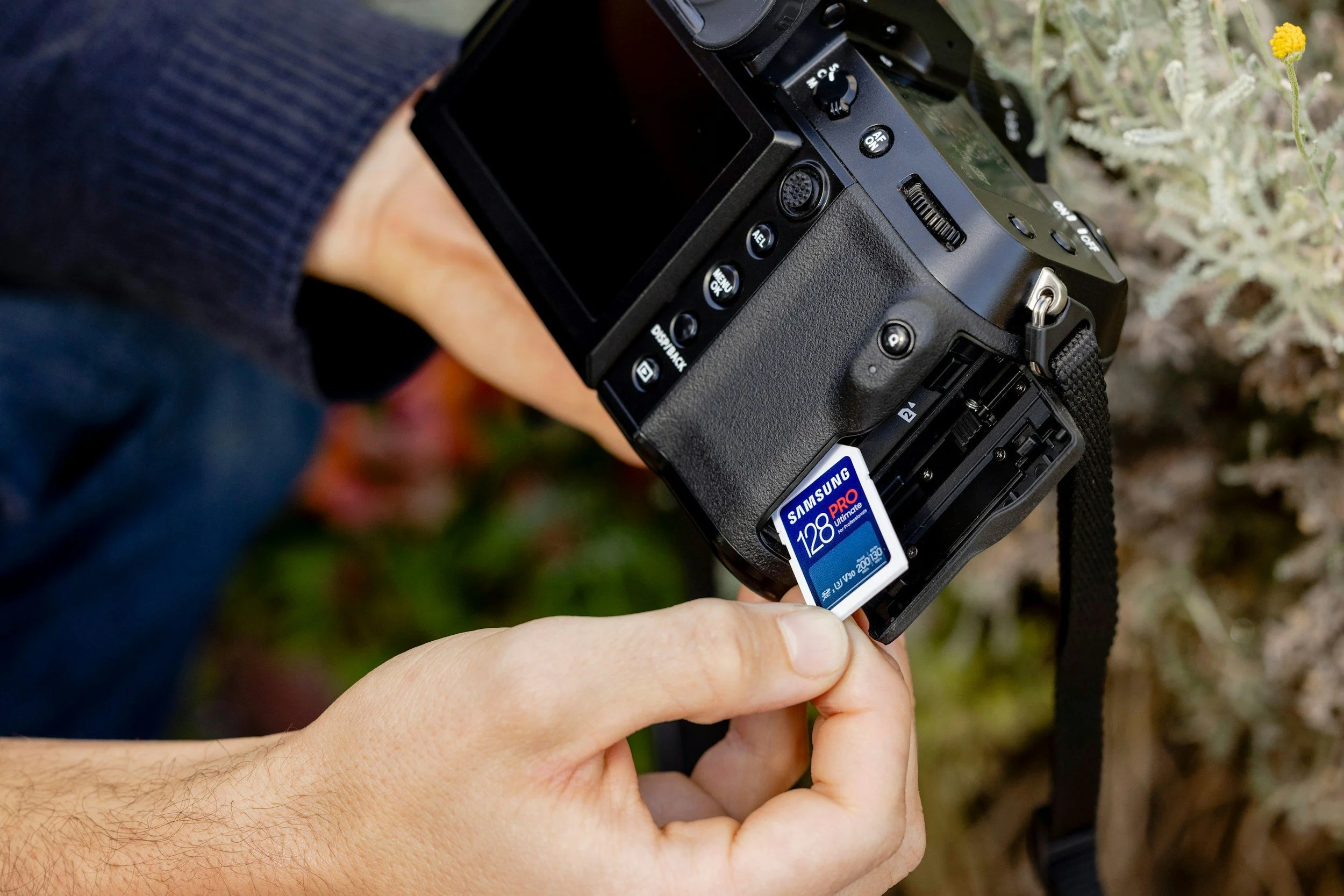
The 3-Tier Registration System
A practical way to decide what to register is by evaluating risk, value, and reuse potential.
Tier 1 — High Priority (Register Individually or Immediately)
These are your most valuable or highest-risk images.
Register:
Commercial client work used in marketing or advertising
Licensed photography (brand, editorial, commercial usage)
Hero images used on your website or portfolio homepage
Viral or widely shared images
Editorial or press-featured photography
Known high-risk categories (concerts, events, travel, tourism)
Rule of thumb:
If losing the image would materially impact income or brand value, register it.
Tier 2 — Medium Priority (Batch Registration)
These images are valuable but not critical individually.
Register in batches:
Strong portfolio selects
Event coverage galleries (concerts, weddings, festivals)
Landscapes and travel work with licensing potential
Social media content with long-term value
Secondary selects from paid shoots
Rule of thumb:
If it might earn money later, but isn’t essential now, batch it.
Tier 3 — Low Priority (Usually Not Worth Registering)
These are typically excluded from registration.
Skip:
Personal snapshots
Behind-the-scenes images
Outtakes and duplicates
Test shots or technical experiments
Temporary social content with no reuse value
Rule of thumb:
If you would never license it, you don’t need to register it.
Recommended Registration Priority
| Image Type | Priority | Reason |
|---|---|---|
| Commercial client work | High | Direct business value |
| Website hero images | High | Brand assets |
| Licensed images | High | Revenue potential |
| Viral images | High | Higher infringement risk |
| Portfolio galleries | Medium | Future licensing potential |
| Social media images | Medium | Public exposure |
| Personal photos | Low | Limited commercial value |
Commercial Client Work
Priority: High
Reason: Direct business value
Website Hero Images
Priority: High
Reason: Brand assets
Licensed Images
Priority: High
Reason: Revenue potential
Viral Images
Priority: High
Reason: Higher infringement risk
Portfolio Galleries
Priority: Medium
Reason: Future licensing potential
Social Media Images
Priority: Medium
Reason: Public exposure
Personal Photos
Priority: Low
Reason: Limited commercial value
Real-World Examples
Example 1: Commercial Website Usage
A business uses a photographer's landscape image on its homepage without permission.
Registration may provide stronger enforcement options because the image was:
publicly displayed
commercially valuable
used to promote a business
Example 2: Event Photography
A concert photographer captures images of a performance.
The photographer may prioritize registering:
hero performer images
images used by venues
images distributed through media outlets
Example 3: Travel Photography
A photographer creates destination images with licensing potential.
High-value images include:
recognizable landmarks
tourism imagery
frequently searched locations
Step 1 — Organize Your Images
Before submitting anything, organize your work into clear groups:
Final selects only
Separated by shoot/date/project
No mixed RAW + final exports
Clean structure reduces filing errors and confusion later.
Step 2 — Prepare Your Files for Submission
Ensure your selected images are:
Properly exported (consistent format)
Clearly named or grouped
Free of accidental duplicates
Separated by registration batch
If applicable, retain RAW files for documentation and proof of authorship.
Step 3 — Create a US Copyright Office Account
Registration is completed through the official U.S. Copyright Office system.
You will:
Create an account
Start a new visual arts registration
Select “photographs” as the work type
Step 4 — Complete the Application
You will need to provide:
Title of the work or group
Author (you)
Publication status
Date of creation
Deposit files (your images)
For batch registrations, group images under a single submission where appropriate.
Step 5 — Submit Deposit Copies (Your Images)
Upload your selected images as required deposit materials.
This becomes part of the official copyright record.
Step 6 — Pay Filing Fees
Fees vary depending on:
Single work vs group registration
Filing method
Batch registration is typically more cost-efficient for photographers.
Step 7 — Keep Records of Your Registration
After submission:
Save confirmation receipts
Store registration number
Archive submitted image sets
Maintain metadata and RAW files
This documentation becomes critical in enforcement scenarios.

Shoot → Edit → Select → Archive → Register → Monitor
1. Complete final edits
2. Identify high-value images
3. Group images into registration batches
4. Submit through the Copyright Office
5. Store confirmation records
Instead of registering randomly, use a repeatable system:
After Each Shoot:
Flag hero images (register immediately candidates)
Flag batch-worthy sets
Archive everything else
Every 1–3 Months:
Submit batch registrations for:
portfolio selects
social content sets
event galleries
Immediately or Same Week:
Register:
homepage images
commercial licensing work
high-visibility publications
When Should Photographers Register Images?
Recommended:
Before Publication
Best protection.
Examples:
portfolio launches
major releases
commercial campaigns
Shortly After Publication
Good for:
galleries
social media collections
event coverage
Before Any Known Problem
If you discover unauthorized use, registration timing becomes especially important.
Cost vs Benefit of Copyright Registration
The Real Tradeoff Behind Registration
Registration is not just legal—it’s an investment decision.
You are balancing:
Time spent organizing submissions
Filing fees
Administrative overhead
Against:
Licensing protection
Enforcement leverage
Long-term asset value
When Registration Has the Highest ROI
Registration becomes most valuable when:
Images are used commercially
Work is publicly distributed
Licensing potential exists
Infringement risk is high
Long-term reuse is likely
1. Waiting Until After Infringement
Registration is most powerful BEFORE infringement occurs.
2. Relying on Watermarks for Protection
Watermarks do not provide legal protection or enforcement rights.
3. Not Keeping RAW Files
RAW files can support:
authorship
timeline verification
dispute resolution
4. Not Organizing Published Work
Lack of organization makes enforcement harder over time.
5. Registering Nothing at All
The most common mistake is failing to register any commercially valuable work.
What Copyright Registration Does NOT Do
Important Limitations to Understand
Registration does NOT:
prevent theft or copying
monitor the internet for misuse
automatically generate payments
guarantee legal action or settlement
replace licensing agreements
It is legal infrastructure—not active protection.
Photography copyright registration is not about volume; it’s about strategy.
By focusing on high-value images, batching secondary work, and maintaining a consistent workflow, photographers can protect their most important assets without overloading themselves with unnecessary filings.
How many photos can a photographer register at once?
The U.S. Copyright Office allows photographers to register certain groups of photographs together. The best approach depends on whether images are published, unpublished, and how they are organized.
Is copyright registration worth it for photographers?
For photographers who create commercial, licensed, or publicly distributed work, registration can provide significant value by strengthening enforcement options if images are used without permission.
How much does it cost to copyright photographs?
Registration fees vary depending on the type of application and filing method. Many photographers reduce costs by registering qualifying groups of images rather than individual photographs.
Can I register old photos?
Yes. You can register previously created work as long as you are the original copyright owner.
Should I register every photo I take?
No. Most photographers benefit from selective or batch registration.
Does copyright exist without registration?
Yes. Copyright exists automatically upon creation.
Does posting online affect copyright?
No. You still own the copyright, though platforms may receive limited usage licenses via their terms.
Do I need a lawyer to register photos?
No. Most photographers register directly through the US Copyright Office system.
==========
