

Best Medium Format Cameras (2026)
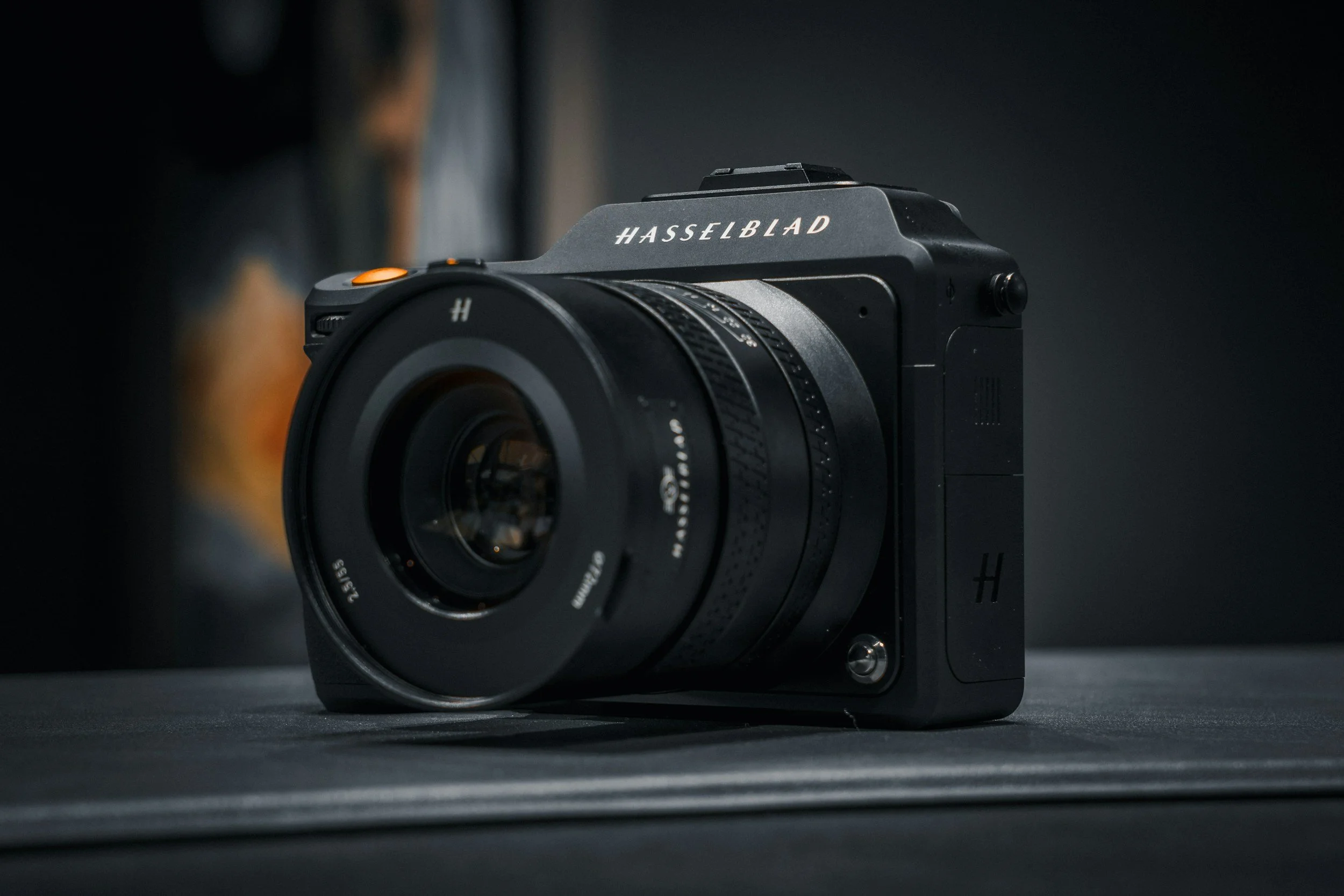
Photo by Jerry Zhang / Unsplash
*Some links in this guide are affiliate links. If you purchase through them, it helps support my work at no extra cost to you.
==========
Last updated: August 2026
Quick Jump
- Quick Picks
- Best Medium Format Cameras Compared
- What Matters in a Medium Format Camera?
- Why Landscape Photographers Choose Medium Format
- Medium Format vs Full-Frame
- Who Should Buy a Medium Format Camera?
- The Best Medium Format Cameras of 2026
- Medium Format Lens Ecosystem Comparison
- What to Consider Before Buying a Medium Format Camera
- Is Medium Format Worth the Money?
- Common Medium Format Buying Mistakes
- Final Thoughts
- Frequently Asked Questions
Medium format cameras represent the highest level of image quality available to many photographers today.
With larger sensors, exceptional dynamic range, incredible detail, and files designed for large prints, medium format systems are popular among landscape photographers, fine art photographers, commercial photographers, and professionals who prioritize image quality above everything else.
However, medium format is not automatically the right choice for every photographer.
Modern full-frame cameras have become extremely capable, offering faster autofocus, better portability, more affordable lenses, and stronger performance for action, events, and hybrid shooting.
The best medium format camera depends on what you photograph and how you work.
This guide compares the best medium format cameras in 2026, including Fujifilm and Hasselblad systems, and explains which models make the most sense for landscape photography, fine art printing, commercial work, and professional photography.
Quick Picks: Best Medium Format Cameras in 2026
Best Overall Medium Format Camera:
Fujifilm GFX100 II
The Fujifilm GFX100 II offers the best balance of image quality, autofocus, stabilization, usability, and lens selection.
It delivers a 102MP sensor, excellent dynamic range, improved autofocus, and one of the strongest medium format lens ecosystems available.
Best for:
Landscape photography
Fine art prints
Commercial photography
Professional photographers who want maximum image quality without sacrificing usability
Best Image Quality and Color Rendering:
Hasselblad X2D 100C
The Hasselblad X2D 100C focuses on a slower, more intentional photography experience.
Its 100MP sensor produces beautiful files with exceptional tonal transitions and distinctive color rendering that many photographers love.
Best for:
Fine art photography
Landscape photography
Studio portraits
Photographers who prioritize image character
Best Value Medium Format Camera:
Fujifilm GFX50S II
The GFX50S II remains one of the smartest entry points into medium format photography.
Its 51.4MP sensor provides more than enough resolution for large prints while offering access to Fujifilm’s excellent GF lens lineup.
Best for:
First-time medium format buyers
Landscape photographers
Fine art photographers
Photographers who want maximum value
Best 102MP Value:
Fujifilm GFX100S II
The GFX100S II delivers flagship-level resolution in a smaller, more affordable body.
For many photographers, it provides nearly everything the GFX100 II offers at a lower cost.
Best for:
Landscape photography
Commercial work
Photographers upgrading from full-frame
Best Medium Format Cameras Compared
| Camera | Resolution | Best For | Why It Stands Out |
|---|---|---|---|
| Fujifilm GFX100 II | 102MP | Best Overall | Exceptional image quality, improved autofocus, IBIS, and excellent lens ecosystem |
| Hasselblad X2D 100C | 100MP | Best Image Quality | Outstanding color rendering and refined shooting experience |
| Fujifilm GFX50S II | 51.4MP | Best Value | Affordable entry into medium format with excellent files |
| Fujifilm GFX100S II | 102MP | Best Performance Value | Flagship sensor in a smaller, more affordable body |
| Hasselblad H6D-100c | 100MP | Studio Photography | High-end commercial studio workflow and image quality |
Fujifilm GFX100 II
Resolution: 102MP
Best For: Best Overall
Why It Stands Out: Exceptional image quality, improved autofocus, IBIS, and excellent lens ecosystem
Hasselblad X2D 100C
Resolution: 100MP
Best For: Best Image Quality
Why It Stands Out: Outstanding color rendering and refined shooting experience
Fujifilm GFX50S II
Resolution: 51.4MP
Best For: Best Value
Why It Stands Out: Affordable entry into medium format with excellent files
Fujifilm GFX100S II
Resolution: 102MP
Best For: Best Performance Value
Why It Stands Out: Flagship sensor in a smaller, more affordable body
Hasselblad H6D-100c
Resolution: 100MP
Best For: Studio Photography
Why It Stands Out: High-end commercial studio workflow and image quality
What Actually Matters When Choosing a Medium Format Camera
Choosing a medium format camera is about more than megapixel count.
While resolution gets the most attention, the best system depends on several factors that affect your real-world photography.
Image Quality and Dynamic Range
The biggest advantage of medium format is the amount of image information captured by the larger sensor.
Compared with many full-frame cameras, medium format systems can provide:
smoother tonal transitions
improved highlight recovery
better shadow detail
exceptional color depth
more flexibility when editing RAW files
This is especially valuable for landscape photography, where photographers often work with extreme contrast between bright skies and dark foregrounds.
Resolution and Print Size
Medium format cameras are especially appealing for photographers who create large prints.
A 50MP or 100MP file provides enormous detail for:
oversized wall art
gallery prints
commercial displays
fine art reproduction
However, more megapixels are not always necessary.
For many photographers, a high-quality 50MP medium format file already provides more than enough resolution.
A 100MP sensor becomes more valuable when you:
print extremely large
crop heavily
photograph commercial projects
need maximum editing flexibility
Lens Ecosystem
A camera system is only as strong as the lenses available for it.
Both Fujifilm and Hasselblad offer exceptional medium format lenses, but they appeal to slightly different photographers.
Fujifilm GF Lens System
Fujifilm has one of the most complete medium format lens lineups available.
Strengths:
broader focal range
more options for different photography styles
excellent optical performance
weather-resistant options
This makes Fujifilm especially attractive for photographers who want a more flexible professional system.
Hasselblad XCD Lens System
Hasselblad takes a different approach by focusing on compact, premium lenses designed around image quality and rendering.
Strengths:
exceptional optical quality
beautiful color consistency
minimalist design philosophy
The system is ideal for photographers who value craftsmanship and a slower creative process.
Autofocus and Performance
Medium format cameras have historically been slower than full-frame systems.
That gap has narrowed significantly.
Modern cameras like the Fujifilm GFX100 II now offer much improved autofocus performance, making them more practical for:
portraits
editorial work
commercial photography
environmental photography
However, full-frame cameras still dominate for:
sports
wildlife
concerts
fast-moving events
Workflow and File Management
Medium format image quality comes with larger files.
Before buying a 100MP camera, consider whether your workflow can handle:
large RAW files
increased storage requirements
longer processing times
more demanding computer hardware
For serious medium format workflows, a modern computer with:
32GB RAM minimum
fast SSD storage
strong processor
reliable backup system
will make a significant difference.
Why Landscape Photographers Choose Medium Format
Medium format cameras have long been associated with landscape, fine art, and commercial photography because they prioritize the qualities that matter most when creating highly detailed images.
While modern full-frame cameras are incredibly capable, medium format systems continue to offer advantages for photographers who care about maximum image quality, large prints, and a more intentional creative process.
For landscape photographers, the appeal is not simply having more megapixels.
It is the combination of:
larger sensors
exceptional dynamic range
smoother tonal transitions
outstanding lens quality
incredible detail retention
These advantages become especially noticeable when photographing scenes with complex lighting, subtle colors, and fine textures.
Larger Sensors Capture More Image Information
The defining difference between medium format and full-frame cameras is sensor size.
A medium format sensor is physically larger than a full-frame sensor, allowing it to capture more information from each image.
For landscape photography, this can provide benefits such as:
more detail in complex scenes
smoother gradients in skies and water
improved shadow recovery
better highlight control
more flexibility during editing
This is especially useful when photographing high-contrast environments such as:
sunrise landscapes
mountain scenes
coastal locations
forests
desert environments
A landscape image often contains extremely bright highlights and deep shadows. The additional image information captured by medium format sensors gives photographers more flexibility when balancing those extremes.
Smoother Tonal Transitions
One of the qualities photographers often notice with medium format files is the way they handle subtle changes in light and color.
Landscape photography frequently relies on these small transitions:
the gradient of a sunrise sky
soft changes across mountain ranges
reflections on water
delicate textures in clouds
Medium format cameras are known for producing files with smooth tonal rendering that can create a more natural and refined appearance.
This becomes particularly important when images are printed.
On a screen, many differences between camera systems can appear subtle. However, when creating large fine art prints, differences in:
color transitions
detail
texture
dynamic range
become much more noticeable.
Exceptional Detail for Large Prints
One of the biggest reasons photographers invest in medium format is print size.
A high-resolution medium format file provides the detail needed for:
large wall art
gallery installations
commercial displays
fine art exhibitions
For photographers selling landscape prints, additional resolution can provide valuable flexibility.
A 100MP image allows photographers to:
crop while maintaining detail
create oversized prints
preserve fine textures
produce premium-quality artwork
However, resolution should always be considered alongside composition, lighting, and post-processing.
A higher-megapixel camera cannot replace a strong image.
Fine Art Photography and Medium Format
Medium format cameras are especially popular among photographers creating fine art work.
The reason is simple:
They are designed around image quality first.
Fine art landscape photography often involves:
careful location planning
waiting for ideal light
deliberate composition
slower shooting techniques
detailed post-processing
Medium format systems complement this approach because they encourage photographers to slow down and focus on creating a final image rather than simply capturing a moment.
For photographers producing landscape prints, the camera becomes part of a larger creative process.
The goal is not speed.
The goal is creating an image with enough detail, depth, and quality to stand on its own as artwork.
A Slower, More Intentional Shooting Experience
Medium format cameras are not designed to replace every other camera system.
They are specialized tools.
Compared with flagship full-frame cameras, medium format systems are typically:
larger
more expensive
slower
focused more heavily on image quality
For landscape photographers, those differences are often advantages.
The slower workflow encourages:
careful composition
tripod-based shooting
thoughtful exposure decisions
patience with changing conditions
This approach matches the way many landscape photographers already work.
A photographer waiting for the perfect sunrise at a mountain overlook is rarely limited by autofocus speed or burst rate.
They are focused on capturing the best possible final image.
Medium Format vs Full-Frame: Which Is Better?
The answer depends entirely on what you photograph.
Medium format is not automatically better than full-frame.
Instead, the two systems are designed around different priorities.
Medium format prioritizes:
maximum image quality
resolution
dynamic range
large prints
fine detail
Full-frame prioritizes:
speed
autofocus performance
portability
lens selection
versatility
Both systems are capable of producing professional results.
Medium Format vs Full-Frame Comparison
| Feature | Medium Format | Full-Frame |
|---|---|---|
| Image Quality | Exceptional | Excellent |
| Resolution | Typically 50MP–102MP | Usually 24MP–61MP |
| Dynamic Range | Excellent | Very Good to Excellent |
| Tonal Rendering | Outstanding | Excellent |
| Autofocus | Good to Excellent | Excellent |
| Burst Shooting | Moderate | Excellent |
| Lens Selection | Smaller | Extensive |
| Camera Size | Larger | Smaller |
| System Cost | Higher | Lower |
| Large Print Performance | Outstanding | Excellent |
| Video Features | Improving | Usually Better |
Image Quality
Medium Format: Exceptional
Full-Frame: Excellent
Resolution
Medium Format: Typically 50MP–102MP
Full-Frame: Usually 24MP–61MP
Dynamic Range
Medium Format: Excellent
Full-Frame: Very Good to Excellent
Tonal Rendering
Medium Format: Outstanding
Full-Frame: Excellent
Autofocus
Medium Format: Good to Excellent
Full-Frame: Excellent
Burst Shooting
Medium Format: Moderate
Full-Frame: Excellent
Lens Selection
Medium Format: Smaller
Full-Frame: Extensive
Camera Size
Medium Format: Larger
Full-Frame: Smaller
System Cost
Medium Format: Higher
Full-Frame: Lower
Large Print Performance
Medium Format: Outstanding
Full-Frame: Excellent
Video Features
Medium Format: Improving
Full-Frame: Usually Better
When Medium Format Is Better
Medium format has a clear advantage when image quality is the priority.
It is especially strong for:
Landscape Photography
The combination of resolution, dynamic range, and tonal quality makes medium format one of the best choices for serious landscape work.
Fine Art Printing
Photographers creating premium wall art or gallery prints benefit from the additional detail and editing flexibility.
Commercial Photography
Advertising, architecture, and product photography often require the highest possible image quality.
Medium format files provide the detail needed for professional applications.
Studio Portraits
For controlled portrait environments, medium format can produce exceptional files with beautiful rendering.
When Full-Frame Is Better
Full-frame remains the better choice for many photographers.
It is usually the smarter option for:
Concert Photography
Fast autofocus, high ISO performance, burst speed, and lens selection make full-frame cameras better suited for live music.
Sports and Wildlife
Tracking fast-moving subjects requires autofocus systems and frame rates where flagship full-frame cameras excel.
Weddings and Events
Event photographers often need:
reliability
speed
multiple lenses
strong autofocus
lightweight equipment
Full-frame systems provide a better balance.
Travel Photography
When carrying equipment for long periods, smaller full-frame systems often provide a better experience.
Who Should Buy a Medium Format Camera?
Medium format is not the right choice for every photographer.
However, it can be an incredible investment if your work benefits from maximum image quality.
A medium format system makes sense if you:
create large landscape prints
sell fine art photography
photograph commercial projects
work in architecture or product photography
value image quality over speed
enjoy a slower, more deliberate workflow
want the highest level of detail possible
Who Should Avoid Medium Format?
A medium format camera may not be the best choice if you primarily photograph:
concerts
sports
wildlife
weddings
fast-moving subjects
travel where weight matters
video-focused projects
In these situations, a professional full-frame camera will usually provide better results with fewer limitations.
The Bottom Line
Medium format cameras are specialized tools designed for photographers who prioritize the final image above everything else.
For landscape, fine art, and commercial photographers, the advantages can be significant:
more detail
better tonal range
exceptional files for printing
incredible creative flexibility
But for photographers who need speed, portability, and versatility, full-frame remains the more practical choice.
The best camera is not the one with the biggest sensor.
It is the one that matches the way you create images.
The Best Medium Format Cameras of 2026
Medium format cameras are no longer limited to massive studio systems. Modern mirrorless medium format bodies have become significantly more practical, offering incredible resolution, improved autofocus, in-body image stabilization, and professional-level workflows in packages that are usable outside the studio.
However, choosing the right medium format camera is about more than buying the camera with the most megapixels.
The best system depends on what you photograph.
A landscape photographer creating large fine art prints will have different priorities than a commercial photographer, portrait photographer, or studio professional.
The cameras below represent the strongest medium format options available in 2026 based on:
Image quality
Dynamic range
Color rendering
Autofocus performance
Lens ecosystem
Stabilization
Overall system value
The Fujifilm GFX100 II remains one of the most complete medium format cameras available, combining 102MP resolution with improved autofocus and a broader range of professional features.
1. Fujifilm GFX100 II — Best Overall Medium Format Camera
Best For: Landscape, Fine Art, Commercial, Professional Photography
The Fujifilm GFX100 II is the medium format camera that proves this format is no longer only about slow studio photography.
It combines the incredible image quality photographers expect from a 102MP medium format sensor with modern features that make it significantly more versatile than previous generations.
For most photographers considering medium format in 2026, this is the safest recommendation.
The GFX100 II delivers:
102MP resolution
Exceptional dynamic range
Improved autofocus performance
Effective in-body image stabilization
Advanced video capabilities
One of the strongest medium format lens ecosystems available
The biggest improvement over older medium format systems is usability.
Historically, medium format cameras required photographers to slow down because of limited autofocus, slower processing, and bulky designs.
The GFX100 II changes that.
While it still is not designed to replace flagship full-frame sports cameras, it is capable enough for:
Landscape photography
Environmental portraits
Commercial assignments
Editorial work
Fine art photography
Hybrid photo/video workflows
Why the Fujifilm GFX100 II Stands Out
Outstanding Image Quality
The 102MP sensor produces enormous files with incredible detail.
For landscape photographers, this means:
More flexibility when cropping
Better large-print capability
Exceptional texture reproduction
More editing latitude
Mountain ranges, forests, coastlines, and architectural details benefit from the additional resolution because subtle textures remain visible even in very large prints.
Improved Autofocus
Autofocus has historically been one of medium format's biggest weaknesses.
The GFX100 II significantly improves this area with a more modern autofocus system, making it much more practical for photographers who occasionally photograph moving subjects.
It still is not the right tool for:
Sports
Wildlife action
Concert photography
But for slower-moving subjects, it is far more capable than older medium format systems.
Strong Lens Ecosystem
One of Fujifilm's biggest advantages is the GF lens lineup.
The system offers excellent options for:
Ultra-wide landscapes
General-purpose shooting
Portraits
Telephoto compression
Commercial work
This gives photographers room to build a complete professional system over time.
Best For
Landscape photographers
Fine art photographers
Commercial photographers
Architecture photographers
Professional print creators
Photographers upgrading from full-frame
Pros
✓ Exceptional 102MP files
✓ Excellent dynamic range
✓ Improved autofocus
✓ Powerful stabilization
✓ Large GF lens ecosystem
✓ Strong long-term system investment
Cons
✗ Expensive
✗ Large RAW files require strong computers and storage
✗ Still larger than full-frame systems
Who Should Buy It?
The Fujifilm GFX100 II is the best choice for photographers who want maximum image quality without sacrificing too much usability.
For professionals creating large prints, commercial work, or premium landscape photography, it offers one of the strongest combinations of performance and flexibility.
Who Should Skip It?
Photographers who primarily shoot:
Concerts
Sports
Wildlife
Fast-paced events
will usually get better results from flagship full-frame cameras that prioritize speed and autofocus.
Bottom Line
The Fujifilm GFX100 II is the best overall medium format camera because it balances extraordinary image quality with modern camera performance.
Compare current prices:
→ Amazon
→ Adorama
2. Hasselblad X2D 100C — Best Image Quality and Color Rendering
Best For: Fine Art, Landscape, Studio, Intentional Photography
The Hasselblad X2D 100C takes a completely different approach from Fujifilm.
Instead of trying to make medium format faster and more versatile, Hasselblad focuses on creating one of the most refined still photography experiences available.
The X2D 100C is built around:
Exceptional image quality
Minimalist design
Premium build quality
Beautiful color rendering
A slower, more deliberate shooting experience
This is a camera for photographers who enjoy the process as much as the final image.
Why the Hasselblad X2D 100C Stands Out
Incredible Color Rendering
Many photographers choose Hasselblad because of the way images look straight out of camera.
The X2D 100C produces files with:
Smooth tonal transitions
Excellent color accuracy
Beautiful highlight handling
Natural rendering
While color preference is subjective, many photographers appreciate Hasselblad's distinctive look.
Premium Shooting Experience
The X2D is designed to disappear between photographer and subject.
The controls are simple.
The interface is clean.
The camera encourages careful composition rather than rapid shooting.
This makes it especially appealing for:
Landscape photography
Fine art photography
Architectural work
Studio portraits
Built-In Storage and Premium Workflow
The X2D 100C includes a built-in 1TB SSD, simplifying file management during demanding shoots.
For photographers producing large numbers of high-resolution images, this can be a useful workflow advantage.
Best For
Fine art photographers
Landscape photographers
Commercial photographers
Studio portrait photographers
Photographers who prioritize image character
Pros
✓ Exceptional color rendering
✓ Beautiful tonal transitions
✓ Premium build quality
✓ Outstanding image quality
✓ Unique shooting experience
Cons
✗ Slower autofocus
✗ Smaller lens ecosystem
✗ Expensive system investment
Who Should Buy It?
The Hasselblad X2D 100C is ideal for photographers who value:
Image character
Color science
Craftsmanship
Deliberate photography
above speed.
Who Should Skip It?
Photographers who need:
Continuous autofocus
Fast action tracking
High burst rates
should look toward Fujifilm or professional full-frame systems.
Bottom Line
The Hasselblad X2D 100C is one of the most rewarding cameras available for photographers who prioritize artistry over speed.
Compare current prices:
→ Adorama
3. Fujifilm GFX50S II — Best Value Medium Format Camera
Best For: First-Time Medium Format Buyers, Landscape, Fine Art
The Fujifilm GFX50S II proves you do not need a 100MP sensor to experience the advantages of medium format.
Its 51.4MP sensor still delivers:
Outstanding detail
Excellent dynamic range
Beautiful color
Large-print capability
For many photographers, 51 megapixels is already more than enough.
Why the GFX50S II Stands Out
The biggest advantage is value.
Compared with flagship medium format cameras, the GFX50S II offers a much easier entry point while maintaining access to Fujifilm's excellent GF lens system.
For photographers primarily shooting:
Landscapes
Architecture
Portraits
Fine art prints
the image quality remains exceptional.
Best For
Photographers entering medium format
Landscape photography
Fine art printing
Portrait photography
Professionals on a budget
Pros
✓ Excellent image quality
✓ Lower cost entry into medium format
✓ IBIS stabilization
✓ Strong lens ecosystem
✓ Plenty of resolution for large prints
Cons
✗ Older autofocus system
✗ Slower performance
✗ Lower resolution than 100MP models
Who Should Buy It?
The GFX50S II is one of the smartest choices for photographers who want medium format image quality without paying flagship prices.
Who Should Skip It?
Photographers who:
Crop heavily
Need maximum resolution
Require newer autofocus technology
may prefer one of Fujifilm's 100MP models.
Bottom Line
The GFX50S II remains one of the best-value ways to enter medium format photography.
Compare current prices:
→ Adorama
4. Fujifilm GFX100S II — Best Balance of Performance and Value
Best For: Photographers Wanting 102MP Without Flagship Pricing
The Fujifilm GFX100S II delivers much of what makes the GFX100 II impressive while using a smaller, lighter body design.
It combines:
102MP resolution
Improved autofocus
Strong stabilization
Excellent portability for medium format
For many photographers, this may actually be the sweet spot in Fujifilm's medium format lineup.
Why It Stands Out
The GFX100S II offers nearly flagship-level image quality while being easier to carry.
This makes it appealing for:
Landscape photographers traveling outdoors
Fine art photographers
Commercial creators
Full-frame photographers upgrading to medium format
Best For
Landscape photography
Fine art
Commercial photography
Travel photographers who want maximum quality
Pros
✓ 102MP resolution
✓ Smaller body design
✓ Excellent image quality
✓ Improved autofocus
✓ Strong value compared with flagship models
Cons
✗ Still expensive
✗ Less feature-rich than GFX100 II
Bottom Line
The GFX100S II may be the best balance of price, portability, and image quality in modern medium format photography.
Compare current prices:
→ Adorama
5. Hasselblad H6D-100c — Best Studio Medium Format Camera
Best For: Commercial Studios and Controlled Environments
The Hasselblad H6D-100c represents the traditional side of medium format photography.
Unlike modern mirrorless systems, this camera is designed primarily for:
Professional studios
Product photography
Advertising
Commercial campaigns
It prioritizes absolute image quality and controlled workflows over portability.
Why It Stands Out
The H6D-100c remains capable of producing exceptional files with:
100MP resolution
Excellent color accuracy
Professional tethered workflows
Best For
Commercial studios
Luxury product photography
Advertising photography
High-end portrait studios
Pros
✓ Outstanding image quality
✓ Professional studio workflow
✓ Excellent color fidelity
Cons
✗ Large and heavy
✗ Expensive
✗ Not designed for travel
✗ Less versatile than modern mirrorless systems
Who Should Buy It?
Established studios with controlled environments may still appreciate what the H6D offers.
Who Should Skip It?
Most photographers will get more flexibility from modern mirrorless medium format cameras.
Bottom Line
The H6D-100c remains a specialized professional tool, but modern mirrorless systems now provide more versatility for most photographers.
Compare current prices:
Medium Format Camera Recommendations Summary
| Camera | Best For |
|---|---|
| Fujifilm GFX100 II | Best overall medium format camera |
| Hasselblad X2D 100C | Best image quality and color rendering |
| Fujifilm GFX50S II | Best value entry point |
| Fujifilm GFX100S II | Best balance of performance and price |
| Hasselblad H6D-100c | Best professional studio system |
Fujifilm GFX100 II
Best For: Best overall medium format camera
Hasselblad X2D 100C
Best For: Best image quality and color rendering
Fujifilm GFX50S II
Best For: Best value entry point
Fujifilm GFX100S II
Best For: Best balance of performance and price
Hasselblad H6D-100c
Best For: Best professional studio system
Lens Ecosystem Comparison
When buying a medium format camera, you are not just choosing a camera body.
You are investing in an entire system.
The lenses you choose will have a major impact on:
image quality
portability
shooting style
long-term value
A great medium format body paired with the wrong lens can limit your experience. For most photographers, building a strong lens collection is just as important as choosing the camera itself.
Two of the strongest medium format ecosystems today are:
Fujifilm GF lenses
Hasselblad XCD lenses
Both offer exceptional optical performance, but they are designed around slightly different philosophies.
Fujifilm GF Lens System
The Fujifilm GF lineup is one of the most complete medium format lens ecosystems available.
Fujifilm has focused on creating professional lenses that balance:
extreme sharpness
weather resistance
autofocus performance
practical focal lengths
professional reliability
The system is especially appealing for landscape, commercial, architecture, portrait, and fine art photographers.
Popular Fujifilm GF Lenses
Fujifilm GF 20-35mm f/4 R WR
Best for:
landscape photography
architecture
interiors
dramatic wide-angle compositions
This is one of the strongest ultra-wide options in the medium format world.
It provides:
excellent corner sharpness
weather resistance
flexible framing for large landscapes
For photographers who frequently shoot mountains, coastlines, and expansive scenes, this is one of the most useful lenses in the GF lineup.
Fujifilm GF 32-64mm f/4 R LM WR
Best all-around medium format zoom
The GF 32-64mm is often considered the standard workhorse lens for the GFX system.
It works well for:
landscapes
travel photography
environmental portraits
commercial assignments
The focal range provides a versatile perspective while maintaining excellent optical quality.
For many photographers buying their first GFX camera, this is the lens that makes the system practical.
Fujifilm GF 45-100mm f/4 R LM OIS WR
Best versatile professional zoom
This lens is ideal for photographers who need flexibility.
Strong uses include:
portraits
weddings
commercial work
travel
documentary photography
The built-in optical stabilization also makes it useful when shooting handheld with high-resolution sensors.
Fujifilm GF 100-200mm f/5.6 R LM OIS WR
Best for compressed landscapes
This lens is popular among landscape photographers who want:
distant mountain compression
isolated details
layered compositions
It pairs especially well with high-resolution GFX bodies where cropping flexibility is important.
Hasselblad XCD Lens System
Hasselblad takes a different approach.
Rather than offering the largest possible lens lineup, Hasselblad focuses on:
compact designs
premium construction
exceptional rendering
consistent color performance
The XCD system is especially appealing for:
fine art photography
landscape photography
commercial work
photographers who enjoy a slower creative process
Popular Hasselblad XCD Lenses
Hasselblad XCD 25V
Best for:
ultra-wide landscapes
architecture
interiors
This lens provides a wide perspective while maintaining the optical quality expected from the Hasselblad system.
Hasselblad XCD 38V
Best everyday landscape lens
The 38mm focal length offers a natural perspective that works well for:
environmental scenes
travel photography
documentary-style images
Hasselblad XCD 55V
Best standard lens
The 55V is one of the most versatile lenses in the XCD lineup.
It works well for:
landscapes
portraits
general photography
Its rendering is one of the reasons many photographers choose Hasselblad.
Hasselblad XCD 90V
Best portrait option
The 90V provides:
beautiful subject separation
excellent sharpness
natural perspective
It is especially appealing for photographers creating fine art portraits or commercial imagery.
Fujifilm vs Hasselblad Lens Ecosystem
| Feature | Fujifilm GF | Hasselblad XCD |
|---|---|---|
| Lens Selection | Larger | Smaller |
| Landscape Options | Excellent | Excellent |
| Autofocus Lens Options | Stronger | More Limited |
| Weather-Sealed Options | Extensive | Strong |
| Rendering Style | Modern + Technical | Artistic + Refined |
| Professional Flexibility | Excellent | Excellent |
| Best For | Versatility | Image character |
Lens Selection
Fujifilm GF: Larger
Hasselblad XCD: Smaller
Landscape Options
Fujifilm GF: Excellent
Hasselblad XCD: Excellent
Autofocus Lens Options
Fujifilm GF: Stronger
Hasselblad XCD: More Limited
Weather-Sealed Options
Fujifilm GF: Extensive
Hasselblad XCD: Strong
Rendering Style
Fujifilm GF: Modern + Technical
Hasselblad XCD: Artistic + Refined
Professional Flexibility
Fujifilm GF: Excellent
Hasselblad XCD: Excellent
Best For
Fujifilm GF: Versatility
Hasselblad XCD: Image character
What to Consider Before Buying a Medium Format Camera
Medium format cameras are a major investment.
Before buying one, consider the entire system—not just megapixels.
Resolution: 50MP vs 100MP
Modern medium format cameras generally fall into two categories:
approximately 50 megapixels
approximately 100 megapixels
More resolution sounds better, but it is not always necessary.
A 50MP medium format camera can already produce:
extremely large prints
professional commercial files
detailed landscape images
A 100MP sensor becomes more useful when you:
create very large wall art
crop heavily
photograph commercial campaigns
archive artwork
need maximum editing flexibility
For many landscape photographers, 50MP is already more than enough.
Dynamic Range
One of the biggest advantages of medium format is not just resolution.
It is dynamic range.
Landscape photographers often deal with:
bright skies
dark foregrounds
high-contrast sunrise and sunset scenes
Medium format files provide exceptional flexibility when recovering:
shadow detail
highlight information
subtle color transitions
This additional editing latitude is one of the biggest reasons professionals choose the format.
Autofocus Performance
Medium format autofocus has improved significantly.
Modern cameras like:
are much more capable than earlier medium format systems.
However, they are still not designed to compete directly with flagship full-frame cameras.
Full-frame systems still have advantages for:
sports
wildlife
concerts
fast-moving subjects
Medium format is designed around:
precision
detail
deliberate composition
In-Body Image Stabilization (IBIS)
IBIS has changed how practical medium format cameras are.
High-resolution sensors are extremely demanding because even small movements can reduce sharpness.
Modern stabilization allows photographers to:
shoot handheld more often
work in changing light
reduce tripod dependence
This is especially useful for:
travel landscapes
environmental portraits
outdoor commercial work
For maximum sharpness, a tripod is still recommended for critical landscape photography.
Storage Requirements
Large files are one of the hidden costs of medium format photography.
A 100MP RAW file can easily exceed 200MB depending on compression and settings.
That means photographers need:
larger memory cards
faster storage
more backup capacity
A serious medium format workflow should include:
fast SSD storage
reliable backup systems
organized photo management
Computer Requirements for Medium Format Photography
Many photographers underestimate how demanding 100MP files can be.
A computer that works fine with a 24MP camera may struggle with high-resolution medium format files.
For a comfortable editing experience, consider:
Recommended Minimum
Modern multi-core processor
32GB RAM
Fast SSD storage
Dedicated graphics processing capability
Recommended for Heavy Professional Work
64GB RAM
Fast NVMe SSD
Powerful CPU
Dedicated GPU
Large external backup storage
This is especially important for photographers working with:
hundreds of RAW files
panoramic stitching
focus stacking
large print production
Is Medium Format Worth the Money?
For the right photographer, yes.
Medium format offers advantages that are difficult to replicate:
exceptional detail
incredible dynamic range
smoother tonal transitions
outstanding large-print capability
premium image rendering
For photographers creating:
fine art prints
commercial campaigns
landscape photography
architectural photography
luxury products
the investment can make sense.
However, medium format is not automatically better for every photographer.
A flagship full-frame camera is often the smarter choice if you prioritize:
speed
portability
autofocus performance
affordability
video features
lens variety
Photographers shooting:
concerts
sports
wildlife
weddings
travel-heavy assignments
will usually benefit more from a professional full-frame system.
The Biggest Question: Does Your Photography Benefit From More Image Quality?
Medium format makes sense when the final image matters more than the shooting process.
If your goal is:
creating gallery-quality prints
selling premium wall art
capturing landscapes with maximum detail
producing commercial-grade files
medium format can be a transformative upgrade.
If your goal is:
shooting quickly
carrying lighter gear
photographing unpredictable subjects
a high-end full-frame camera is usually the better tool.
Bottom Line
Medium format cameras are specialized tools designed for photographers who value image quality above everything else.
The biggest advantages are not just megapixels—they are the combination of:
larger sensors
exceptional lenses
dynamic range
tonal depth
professional print capability
For photographers who create fine art landscapes or premium commercial work, medium format remains one of the highest-quality imaging systems available today.
Common Medium Format Camera Buying Mistakes
Medium format cameras are incredible tools, but they are not automatically the right choice for every photographer.
Many buyers focus on specifications like megapixels while overlooking the bigger picture.
Here are some of the most common mistakes photographers make when investing in medium format.
Mistake 1: Buying the Highest Resolution Camera Without a Reason
More megapixels are impressive, but they are not always necessary.
A 100MP camera sounds better than a 50MP camera, but the real question is:
Will your photography actually benefit from the additional resolution?
A 100MP medium format camera makes sense if you:
create very large prints
crop heavily
shoot commercial campaigns
photograph artwork for reproduction
need maximum editing flexibility
For many landscape photographers, a 50MP medium format camera already provides extraordinary image quality.
A well-composed 50MP image will outperform a poorly composed 100MP image every time.
Mistake 2: Ignoring the Cost of the Lens System
The camera body is only the beginning.
A medium format system requires investing in quality lenses.
Many photographers spend their entire budget on the camera and then compromise on glass.
That is usually backwards.
A better approach is:
choose the camera system first
research available lenses
build around the focal lengths you actually use
A Fujifilm GFX100 II with a single great lens may be a better investment than buying a body and several lower-quality accessories.
Mistake 3: Expecting Medium Format to Replace Full-Frame
Medium format is not a universal upgrade.
It is a specialized tool.
A photographer moving from a flagship full-frame camera may actually lose some advantages:
slower autofocus
larger files
fewer lens options
higher costs
heavier workflow
For fast-paced photography, full-frame often remains the superior choice.
Medium format excels when image quality is the priority—not speed.
Mistake 4: Underestimating File Sizes and Workflow Requirements
A high-resolution camera creates high-resolution problems.
Large RAW files require:
faster computers
more storage
better backup systems
longer processing times
Before buying a 100MP camera, consider whether your current workflow can handle it.
A camera upgrade often requires a workflow upgrade as well.
Mistake 5: Buying Medium Format Without a Clear Purpose
Medium format is an emotional purchase.
The image quality is impressive, the cameras are beautifully built, and the files are incredible.
But the best purchase starts with understanding your needs.
Ask yourself:
Do I regularly create large prints?
Do I sell fine art photography?
Do I need maximum detail?
Will slower shooting fit my style?
Does my current camera actually limit my work?
If the answer is no, a premium full-frame system may provide better value.
Mistake 6: Forgetting About the Shooting Experience
Medium format encourages a different style of photography.
It rewards:
patience
planning
careful composition
intentional lighting
slower creative decisions
That can be a major advantage for landscape and fine art photographers.
However, photographers who prefer:
fast-paced shooting
spontaneous moments
action photography
may find the slower workflow frustrating.
Final Thoughts: Is Medium Format the Right Choice in 2026?
Medium format cameras represent the highest level of image quality available to many photographers today.
The combination of:
larger sensors
incredible dynamic range
exceptional detail
premium lenses
beautiful tonal rendering
creates files that are truly remarkable.
But the best camera is not the one with the largest sensor or the most megapixels.
It is the one that matches the way you photograph.
For most photographers, a modern full-frame system remains the more practical choice. Cameras like the Nikon Z8, Canon EOS R5 Mark II, Sony A7R V, and similar models deliver outstanding image quality while offering:
faster autofocus
better subject tracking
more lens options
stronger video capabilities
lower overall cost
Medium format becomes the better choice when your priorities change.
If your goal is:
creating fine art prints
photographing landscapes professionally
producing commercial work
capturing maximum detail
building a premium long-term system
then medium format can be a transformative tool.
Among today's options:
The Fujifilm GFX100 II remains the best overall medium format camera for most photographers because it combines exceptional image quality with modern performance and one of the strongest lens ecosystems available.
The Hasselblad X2D 100C is the choice for photographers who value color rendering, craftsmanship, and a slower artistic process.
The Fujifilm GFX50S II remains one of the best values for photographers entering medium format without needing flagship-level resolution.
The Fujifilm GFX100S II offers an excellent balance of resolution, portability, and price.
Ultimately, medium format is not about replacing every other camera system.
It is about having the right tool when image quality matters above everything else.
Frequently Asked Questions
What is the best medium format camera in 2026?
The Fujifilm GFX100 II is our top overall recommendation because it offers the strongest balance of image quality, autofocus performance, stabilization, lens selection, and professional flexibility.
The Hasselblad X2D 100C is an excellent alternative for photographers who prioritize color rendering and a more intentional shooting experience.
Is medium format better than full-frame?
Not always.
Medium format cameras provide advantages in:
resolution
dynamic range
tonal transitions
large print quality
However, full-frame cameras are usually better for:
autofocus speed
action photography
video
portability
affordability
The better system depends on the type of photography you create.
Is medium format worth it for landscape photography?
For many serious landscape photographers, yes.
Medium format is especially valuable if you:
create large prints
sell fine art photography
photograph detailed landscapes
need maximum editing flexibility
The additional dynamic range and resolution can make a noticeable difference in demanding landscape conditions.
Is a 100MP medium format camera necessary?
No.
A 50MP medium format camera already provides exceptional image quality.
100MP becomes most useful for photographers who:
create oversized prints
crop frequently
shoot commercial work
need maximum detail
For many photographers, 50MP is more than enough.
Which is better: Fujifilm GFX or Hasselblad X System?
Neither system is universally better.
Choose Fujifilm GFX if you want:
more lens choices
stronger autofocus
more versatility
better hybrid capabilities
Choose Hasselblad X if you prioritize:
color rendering
minimalist design
premium craftsmanship
fine art workflow
Both systems produce exceptional files.
Can medium format cameras replace full-frame cameras?
For some photographers, yes.
For others, no.
Medium format can replace full-frame for:
landscape
architecture
fine art
commercial photography
Full-frame remains superior for:
concerts
sports
wildlife
fast-paced events
Can you shoot handheld with a medium format camera?
Yes.
Modern cameras like the Fujifilm GFX100 II, GFX100S II, and GFX50S II include effective image stabilization that makes handheld photography much more practical.
However, a tripod remains recommended when maximum sharpness is required.
Are medium format lenses better than full-frame lenses?
Not necessarily.
Both formats have exceptional lenses.
Medium format lenses often provide:
outstanding sharpness
excellent rendering
optimized performance for large sensors
However, today's premium full-frame lenses are also extremely capable.
The biggest advantage comes from the combination of:
larger sensor
lens quality
image processing
rather than lens sharpness alone.
What computer do I need for a 100MP camera?
A high-resolution medium format workflow benefits from powerful hardware.
Recommended:
modern multi-core processor
32GB RAM minimum
64GB RAM for heavy professional workflows
fast SSD storage
dedicated graphics capability
reliable backup storage
Large RAW files can quickly consume storage space, so planning your workflow before purchasing is important.
Should I buy medium format or upgrade my full-frame camera?
Ask what is limiting your photography.
Upgrade to medium format if you need:
larger prints
better dynamic range
more detail
premium image quality
Upgrade your full-frame system if you need:
faster autofocus
better tracking
more lenses
improved video
greater versatility
For many photographers, a flagship full-frame camera is still the smarter investment.
==========
Related Buying Guides
If you're still comparing systems or building out your photography kit, these guides may also help:
