

Best Budget Cinema Cameras in 2026: ZR vs C50 vs FX3
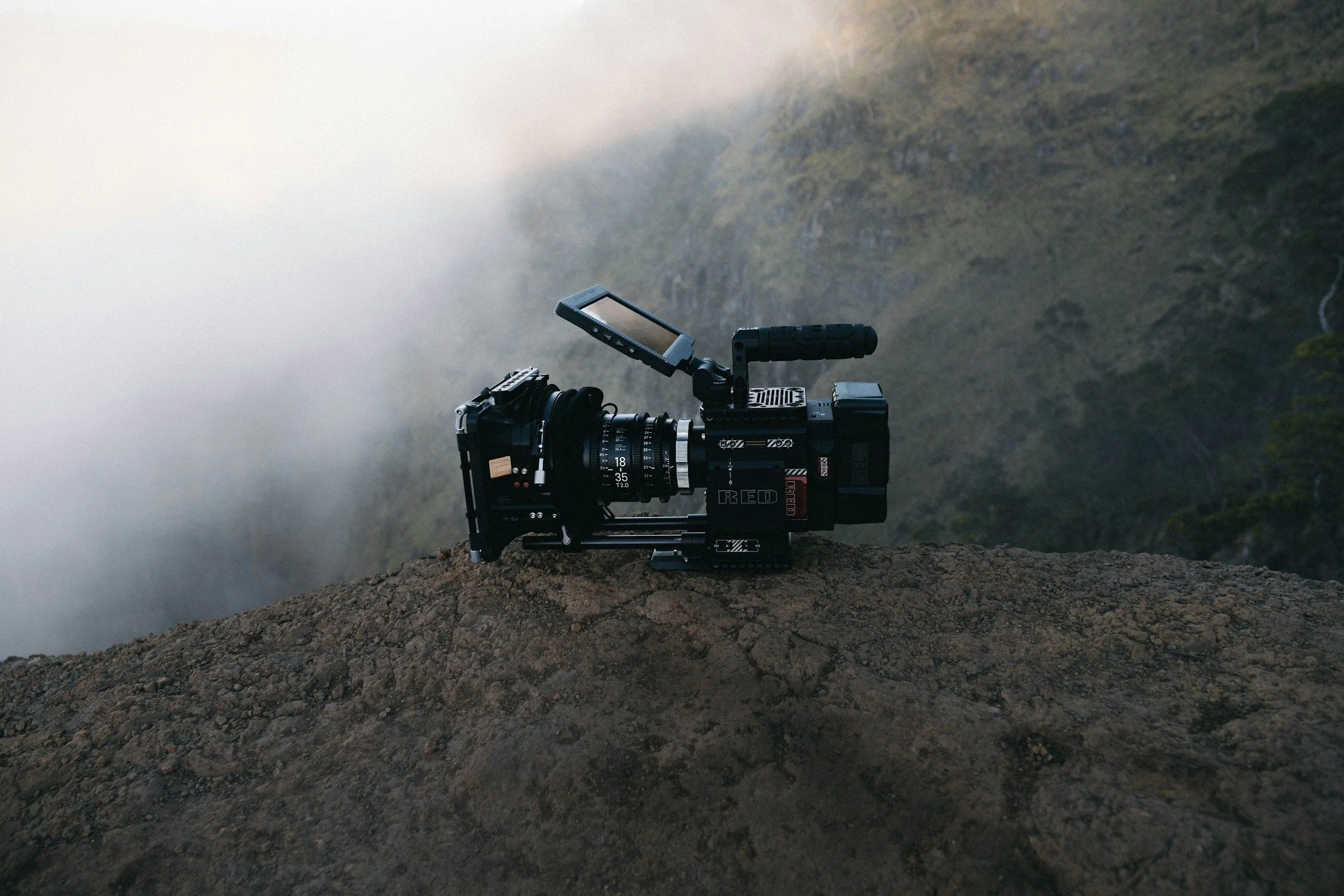
Photo by Jakob Owens / Unsplash
*Some links in this article are affiliate links. If you purchase through them, it helps support my work at no extra cost to you.
==========
Last Updated April 2026
If you’re looking for the best budget cinema camera in 2026, the conversation gets interesting fast.
The Nikon ZR, Canon C50, and Sony FX3 all approach “budget cinema” from very different angles. None of them are cheap in the everyday sense, but compared to larger cinema systems, they offer a much more accessible way into serious filmmaking.
The real question is not which one has the biggest spec sheet. It is which one makes the most sense for the way you actually shoot.
If you’re trying to choose fast, here’s the short version:
🏆 Best overall value: Nikon ZR
🎬 Best true cinema workflow: Canon EOS C50
🌙 Best low-light performance: Sony FX3
These three cameras define the modern “budget cinema” space in 2026—but they take very different approaches to filmmaking.
Let’s be honest—none of these cameras are truly “budget” in the traditional sense.
Instead, “budget cinema” in 2026 means:
Access to professional cinema codecs
Full-frame (or near full-frame) image quality
Serious dynamic range and low-light performance
Compact systems that don’t require full cinema rigs
For independent filmmakers, content creators, and small production teams, these cameras sit in the most accessible professional tier.
| Feature | Nikon ZR | Canon C50 | Sony FX3 |
|---|---|---|---|
| Sensor | Full-frame | Full-frame 7K | Full-frame |
| Cinema RAW | R3D NE (RED-based) | Cinema RAW Light | External RAW |
| Low Light | Strong (Dual ISO 800/6400) | Strong | Excellent |
| Workflow | Hybrid / RAW-heavy | Cinema-native | Proven cinema hybrid |
| Open Gate | No | Yes (3:2) | No |
| Best For | Value + RAW flexibility | Traditional cinema work | Run-and-gun filmmaking |
Nikon ZR
Sensor: Full-frame
Cinema RAW: R3D NE (RED-based)
Low Light: Strong (Dual ISO 800/6400)
Workflow: Hybrid / RAW-heavy
Open Gate: No
Best For: Value + RAW flexibility
Canon C50
Sensor: Full-frame 7K
Cinema RAW: Cinema RAW Light
Low Light: Strong
Workflow: Cinema-native
Open Gate: Yes (3:2)
Best For: Traditional cinema work
Sony FX3
Sensor: Full-frame
Cinema RAW: External RAW
Low Light: ⭐ Excellent
Workflow: Proven cinema hybrid
Open Gate: No
Best For: Run-and-gun filmmaking

The Nikon ZR is the most disruptive camera in this lineup.
Nikon positions it as a full-frame cinema hybrid with RED-influenced R3D NE RAW recording, RED color science integration, and dual base ISO performance designed for serious cinematic work.
On paper, it pushes far beyond what you’d expect at its price point.
Why it stands out
RED-based RAW workflow (R3D NE format)
Full-frame cinematic sensor performance
Dual base ISO (800 / 6400)
Extremely aggressive price-to-performance ratio
Real-world use case
Best suited for creators who want:
Maximum flexibility in post-production
RAW-heavy filmmaking workflows
Hybrid shooting without going full cinema rig
Limitations
New ecosystem (less proven long-term workflow)
Smaller real-world adoption history vs Sony/Canon systems
Bottom line
If you want the most camera for the money, the ZR is the strongest value play in 2026.
The Canon EOS C50 is the most “traditional cinema” camera here—and that’s intentional.
Canon built it around a 7K full-frame sensor, open gate recording, and Cinema RAW Light workflows that feel closer to dedicated production cameras than hybrid systems.
Why it stands out
7K full-frame cinema sensor
3:2 open gate recording
Cinema RAW Light up to 7K/60p
Deep Canon Cinema EOS integration
Real-world use case
Best for filmmakers who want:
Structured, predictable cinema workflow
Multi-cam production consistency
Canon ecosystem reliability
Limitations
Higher cost than Nikon ZR
Less hybrid flexibility
Bottom line
This is the closest thing to a true cinema camera experience in this price tier.

The Sony FX3 remains one of the most trusted compact cinema cameras ever made.
Even in 2026, it holds its position thanks to:
Proven low-light performance
Compact cinema body design
Mature Sony cinema ecosystem
Continued firmware support (updated through 2026)
Why it stands out
Exceptional low-light capability
Highly reliable autofocus
Compact, rig-friendly design
Industry-proven workflow
Real-world use case
Best for filmmakers who need:
Run-and-gun shooting
Documentary or event work
Low-light environments (concerts, weddings, etc.)
Limitations
Older generation vs newer competitors
Less “innovation” in RAW workflow compared to ZR/C50
Bottom line
If you shoot in dark environments or fast-moving productions, the FX3 is still incredibly hard to beat.
Choose the Nikon ZR if:
You want the best value overall
RAW flexibility matters most
You want modern cinema features at a lower price
Choose the Canon C50 if:
You want a true cinema workflow
Open gate recording matters to your work
You prefer Canon’s ecosystem and color pipeline
Choose the Sony FX3 if:
You shoot in low light constantly
You need a compact, proven system
You value reliability over new features
In 2026, “budget cinema camera” doesn’t mean cheap—it means accessible professional filmmaking tools.
These cameras sit in a tier where:
Independent filmmakers can actually upgrade
Small teams can shoot commercial work
Hybrid creators can move into cinema workflows
That shift is exactly why this category is exploding right now.
Final Thoughts
There is no universal winner here.
The Nikon ZR wins on value and innovation
The Canon EOS C50 wins on cinema workflow purity
The Sony FX3 wins on real-world low-light reliability
The right choice depends entirely on how you shoot—not just specs on paper.
What is the best budget cinema camera in 2026?
The Nikon ZR currently offers the strongest overall value thanks to its full-frame sensor, RED-based RAW workflow, and aggressive pricing.
Is the Canon C50 a true cinema camera?
Yes. The C50 is part of Canon’s Cinema EOS line and is built around a cinema-first workflow with open gate recording and Cinema RAW Light.
Is the Sony FX3 still worth it in 2026?
Yes. Despite being older, the FX3 remains one of the best low-light cinema cameras available and continues to receive firmware support.
Which camera is best for low light?
The Sony FX3 still leads in low-light performance, with the Nikon ZR also performing strongly thanks to dual base ISO design.
============
Explore more:
