


Best Cameras for Landscape Photography: 2025 Guide

A beautiful sunset at Cruz Bay in St. John, USVI. | photo- ©2023 Chris Sidoruk | BUY PRINT
*This article contains affiliate links, so I may earn a small commission when you make a purchase through links on my site at no additional cost to you. You can view my disclaimer page here. Thank you for supporting my website and content creation.
==========
Capturing the vast beauty of nature requires the right gear—and when it comes to landscape photography, your camera plays a crucial role. The best cameras for landscape photography offer high resolution, excellent dynamic range, and durable construction.
In this guide, we’ll cover the top landscape cameras for photographers at all levels—from beginners to seasoned pros.
What to Look for in a Landscape Photography Camera
Before diving into the top models, here are the key features to consider:
High Resolution: Landscape photography often demands large, detailed prints. Look for cameras with at least 24 megapixels.
Dynamic Range: To preserve details in shadows and highlights, a wide dynamic range is essential.
Weather Sealing: Since landscapes often involve harsh environments, a weather-sealed body is highly recommended.
Lens Compatibility: Wide-angle lenses are a staple in landscape photography—ensure your camera supports them.
Battery Life: Shooting in remote areas? Long battery life is a must.
Top 7 Best Cameras for Landscape Photography in 2025
1. Nikon Z8 – Best Overall Mirrorless Camera
Sensor: 45.7MP Full-Frame BSI CMOS
Pros: Exceptional image quality, robust build, in-body stabilization
Why It’s Great for Landscapes: The Z8 offers stunning dynamic range and sharp detail, ideal for large landscape prints.

2. Sony A7R V – Best for High Resolution
Sensor: 61MP Full-Frame CMOS
Pros: Unmatched resolution, excellent color accuracy
Why It’s Great for Landscapes: Perfect for ultra-detailed shots and large-format printing, with class-leading image quality.

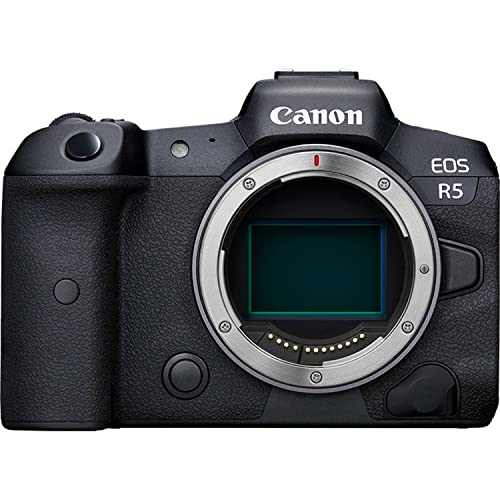
3. Canon EOS R5 – Best All-Rounder
Sensor: 45MP Full-Frame CMOS
Pros: Versatile, great autofocus, weather-sealed
Why It’s Great for Landscapes: Combines high resolution with superb low-light performance, making it a reliable companion in any environment.
4. Fujifilm GFX100S II – Best Medium Format Option
Sensor: 102MP Medium Format
Pros: Extreme detail, dynamic range, color depth
Why It’s Great for Landscapes: If you're looking for the ultimate in image quality, the GFX100 II delivers massive files with exquisite clarity.
5. Nikon D850 – Best DSLR for Landscape Photography
Sensor: 45.7MP Full-Frame CMOS
Pros: Long battery life, optical viewfinder, proven reliability
Why It’s Great for Landscapes: A DSLR classic, the D850 remains a top pick for landscape pros who prefer an optical viewfinder and rugged build.

6. Sony A7C II – Best Compact Full-Frame Option
Sensor: 33MP Full-Frame CMOS
Pros: Lightweight, compact, excellent image quality
Why It’s Great for Landscapes: Ideal for travel and hiking, the A7C II balances portability with performance.

7. Canon EOS R7 – Best APS-C Budget Option
Sensor: 32.5MP APS-C
Pros: Affordable, compact, fast autofocus
Why It’s Great for Landscapes: A great entry point for serious landscape shooters looking for high resolution on a budget.


Train Trestle Bridge over the Housatonic River. Shelton, Connecticut. | photo- ©2019 Chris Sidoruk
Tips for Getting the Most Out of Your Landscape Camera
Use a Tripod: To ensure sharpness and allow long exposures.
Shoot in RAW: Preserve all the detail and dynamic range for post-processing.
Use Manual Mode: Take full control of exposure and depth of field.
Scout Locations: Use apps like PhotoPills or Google Earth to plan your shots.
Time Your Shots: Golden hour and blue hour provide the best natural light.
Conclusion: Which Landscape Camera is Right for You?
The best camera for landscape photography ultimately depends on your needs and budget.
If you want the best overall performance, the Nikon Z8 (Buy from Adorama) or Sony A7R V (Buy from Adorama) are excellent choices.
For those seeking unmatched detail, the Fujifilm GFX100S II (Buy from Adorama) stands out.
Beginners and travelers may prefer the Canon EOS R7 (Buy from Adorama) or Sony A7C II (Buy from Adorama) for their portability and value.
No matter which you choose, remember: while the camera is important, it’s your eye, creativity, and passion that bring landscapes to life.
Frequently Asked Questions (FAQs)
What is the best lens for landscape photography?
Wide-angle lenses (like 16-35mm) are most popular, but telephoto lenses can also create stunning compressed perspectives.
Do I need a full-frame camera for landscapes?
Full-frame cameras offer better image quality and low-light performance, but APS-C sensors can still produce amazing results—especially with good lenses.
Are mirrorless cameras better than DSLRs for landscapes?
Mirrorless cameras are lighter and often more feature-rich. However, DSLRs like the Nikon D850 (Buy on Adorama) still hold their ground with excellent image quality and reliability.

Maho Bay lookout in St. John, USVI. | photo- ©2023 Chris Sidoruk | BUY A PRINT
================
